Cortical Hearing Loss: When the Brain Misinterprets Sound
Scientifically Reviewed · Dr. Marwa Abd-Alazim · August 23, 2026
Review Criteria & Clinical Standards
This content undergoes rigorous scientific peer-review and medical editorial standards at Arab Psychology Network to ensure clinical accuracy, validity, and compliance with evidence-based guidelines from leading psychological and healthcare authorities (APA / WHO).
Defining Cortical Hearing Loss and Central Auditory Processing Disorders
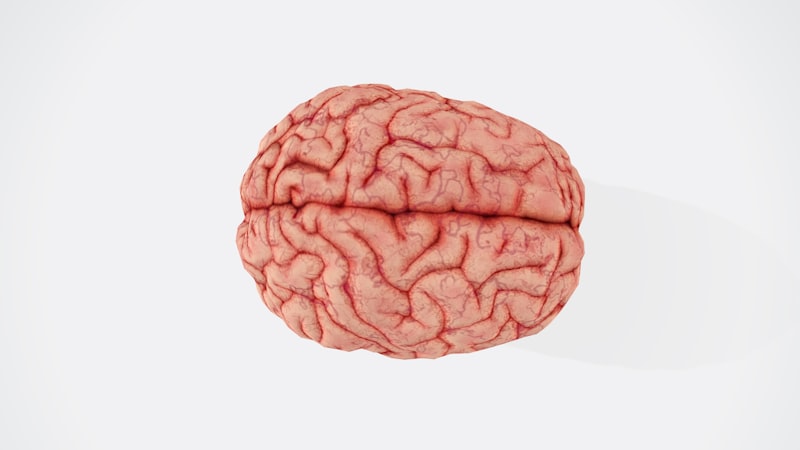
Cortical Hearing Loss (CHL) represents a specific and often challenging form of auditory impairment that is fundamentally correlated with hearing disorders resulting from injury to the superior neurologic areas within the brain, particularly the primary and secondary auditory cortices located in the temporal lobes. Unlike typical sensorineural or conductive hearing loss, which originates in the outer, middle, or inner ear, CHL is classified as a central auditory processing disorder (CAPD). The critical distinction is that the physical transmission of sound waves to the cochlea and the initial transduction into neural signals often remain intact; the deficit lies entirely in the brain’s ability to correctly process, interpret, and assign meaning to those signals. This condition challenges conventional diagnostic approaches because standard audiometric tests, which measure the faintest sounds a person can detect, may yield results within the normal range, leading to initial misdiagnoses or attribution of symptoms solely to aging or psychological factors.
The core issue in Cortical Hearing Loss is not the inability to hear sound, but rather the profound inability to comprehend the auditory information received. Patients may be fully aware that a sound has occurred, but they cannot identify its source, recognize speech, or distinguish between different acoustic stimuli, a condition that can manifest as auditory agnosia. This highlights the crucial difference between auditory acuity (the ability to detect sound) and auditory processing (the complex neurological function of decoding sound into meaningful information). When severe bilateral damage occurs to the auditory cortex, the patient may experience profound deafness despite a perfectly functional inner ear, illustrating the brain’s ultimate necessity in the hearing process. The clinical example, “Martha’s hearing troubles were initially chalked up to age until an examination following a concussion revealed cortical hearing loss as the cause,” perfectly encapsulates the often-delayed recognition of this central disorder following a defined neurological insult.
Understanding CHL requires appreciating that the auditory system is hierarchical, necessitating increasingly complex processing as signals move from the brainstem to the cortex. When these superior neurologic areas sustain damage—for instance, due to trauma, stroke, or anoxia—the highest levels of sound interpretation are compromised. This impairment impacts critical functions such as sound localization, discrimination in noisy environments, and the temporal sequencing of acoustic events. Consequently, while the raw auditory data reaches the brain, the necessary neural networks responsible for pattern recognition and integration fail to function, resulting in a significant handicap that affects communication, safety, and overall quality of life, often forcing a reliance on visual cues or lip reading even when the peripheral auditory system is structurally sound.
The Auditory Pathway and Superior Neurological Structures
The auditory system is an intricate network that ascends from the cochlea through various brainstem nuclei before terminating in the cerebral cortex. Initial processing occurs peripherally, but the central pathway involves a highly structured series of relays, including the cochlear nucleus, the superior olivary complex, the lateral lemniscus, and the inferior colliculus. These brainstem structures are responsible for basic functions like temporal coding and sound localization. However, the sophisticated level of processing necessary for speech comprehension and complex sound analysis relies heavily on the final stages: the medial geniculate nucleus (MGN) of the thalamus and the subsequent projection to the primary auditory cortex (A1), situated deep within the lateral sulcus, primarily Heschl’s gyrus. Damage in any area superior to the inferior colliculus can potentially lead to symptoms associated with central processing deficits, but true Cortical Hearing Loss specifically implicates the integrity of A1 and the surrounding secondary auditory association areas.
The primary auditory cortex (A1) functions as the initial cortical receiver, mapping frequencies tonotopically, meaning neighboring cells respond to neighboring frequencies. Immediately surrounding A1 are the secondary and tertiary auditory association areas (A2 and A3), which are crucial for integrating sensory information, comparing current sounds to auditory memories, and preparing signals for transmission to language processing centers like Wernicke’s area. It is the integrity of these secondary and tertiary zones that dictates the ability to interpret complex sounds, such as recognizing a melody or distinguishing speech from background noise. When injury occurs to these superior neurologic areas, the raw signal may still reach A1, but the subsequent decoding and contextual integration fail, leading to the characteristic symptoms of CHL where the sound is detected but not recognized.
Furthermore, auditory processing is inherently bilateral and relies heavily on interhemispheric communication, mediated primarily by the corpus callosum. This structure ensures that information processed by one hemisphere—such as fine temporal details—is rapidly shared with the other hemisphere, which often specializes in spectral processing, such as pitch and melody. Lesions affecting the auditory cortex unilaterally often result in subtle deficits, particularly difficulties in dichotic listening (processing different stimuli presented simultaneously to both ears). However, severe Cortical Hearing Loss typically results from extensive bilateral damage or a combination of unilateral cortical damage and damage to the connecting white matter tracts, profoundly disrupting the coordination required for high-fidelity auditory perception and linguistic understanding.
Etiology of Cortical Hearing Loss: Mechanisms of Injury
The genesis of Cortical Hearing Loss is directly tied to mechanisms that cause widespread or localized damage to the auditory processing centers of the brain. One significant cause, frequently seen in clinical practice and highlighted by the initial case example, is Traumatic Brain Injury (TBI). Severe concussions, penetrating injuries, or acceleration/deceleration forces can lead to contusions, diffuse axonal injury (DAI) affecting the white matter tracts connecting auditory areas, or hemorrhage, particularly in the temporal lobes. The resulting tissue damage compromises the neural pathways responsible for complex signal decoding, manifesting as CHL symptoms that may only become apparent once the patient recovers from the acute phase of the trauma. The severity of the auditory processing deficit often correlates directly with the extent and localization of the cortical damage observed on neuroimaging.
Vascular events constitute another major category of etiology for CHL. Ischemic or hemorrhagic strokes affecting the territories supplied by the middle cerebral artery (MCA) are common causes, particularly when the stroke involves the temporal lobes bilaterally or affects key relay structures like the thalamus. A specific type of vascular event, known as Watershed Infarction, can sometimes selectively damage the border zones of vascular supply, which may include parts of the auditory cortex, leading to focused deficits in auditory processing. The sudden onset of hearing difficulty following a cerebrovascular accident should always prompt evaluation for Cortical Hearing Loss, requiring detailed neurological assessment beyond routine audiology to isolate the central processing deficits from peripheral issues.
Other less common but equally destructive causes involve space-occupying lesions, infections, and neurodegenerative conditions. Tumors, whether benign or malignant, can compress or invade the auditory cortices, gradually disrupting function. Chronic neurological diseases, such as advanced multiple sclerosis, can cause demyelination of the central auditory pathways. Furthermore, conditions leading to global brain hypoxia or anoxia—such as cardiac arrest or severe respiratory failure—can result in widespread damage to the highly metabolically active cortical neurons, including those in the auditory cortex, often resulting in devastating and pervasive Cortical Hearing Loss or auditory agnosia. In all these cases, the integrity of the superior neurologic areas is compromised, necessitating specialized diagnostic tools to confirm the central nature of the auditory disorder.
Clinical Manifestations and Symptomatology of CHL
The clinical profile of a patient with Cortical Hearing Loss is distinct from that of a patient with peripheral loss. While the peripheral loss patient typically complains that sounds are too quiet, the CHL patient often states that sounds are loud enough, but they are indistinct, confusing, or meaningless. A primary complaint is severe difficulty with speech perception, especially in environments with competing acoustic stimuli, such as restaurants or crowds. This deficit is rooted in the inability of the damaged cortex to effectively filter noise, extract the signal of interest, and rapidly sequence auditory information. The resulting clinical picture is one of frustration, where the individual seems to hear every word but understands very few, leading to significant social and occupational impairment.
In severe or extensive bilateral cortical lesions, the patient may exhibit specific forms of auditory agnosia—the inability to recognize the meaning of sounds. This can range from pure word deafness, where the patient hears speech as noise and cannot comprehend language (though they can still read and write), to non-verbal auditory agnosia, where environmental sounds (like a ringing phone or a barking dog) are heard but not recognized or identified. This dissociation between hearing and recognition underscores the depth of the processing failure. In some instances, patients may also exhibit impaired sound localization, a function highly dependent on the central comparison of interaural timing and intensity differences, mediated by structures far superior to the cochlea.
A particularly challenging manifestation is the occasional presence of severe auditory hallucinations or distortions that arise from disorganized cortical activity rather than external stimuli. Furthermore, the patient with CHL often scores surprisingly well on simple pure-tone audiometry, yet performs poorly on specialized speech-in-noise tests or tests requiring temporal resolution. This discrepancy between basic hearing thresholds and functional communication ability serves as a critical red flag, strongly suggesting damage to superior neurologic areas rather than the peripheral auditory apparatus. Therefore, when evaluating persistent hearing difficulties following a known neurological event, clinicians must transition their focus from acuity testing to objective measures of cortical function.
The Role of the Cortical-Evoked Response (CER) in Diagnosis
The diagnosis of Cortical Hearing Loss cannot reliably depend on subjective behavioral reports or traditional pure-tone audiometry. Instead, objective physiological measures are essential, and the Cortical-Evoked Response (CER), a component of Auditory Evoked Potentials (AEPs), serves as a fundamental diagnostic tool. CER refers specifically to the late-latency AEPs (typically occurring 50 milliseconds or more after stimulus presentation) that reflect higher-level cognitive processing in the cortex. Unlike Auditory Brainstem Responses (ABRs), which measure the integrity of the peripheral system and brainstem, CER directly assesses the electrical activity generated by the superior neurologic areas as they begin to process the acoustic information.
The major waveforms associated with the Cortical-Evoked Response include the N1, P2, and the cognitive P300 component. The N1 (Negative peak around 100ms) and P2 (Positive peak around 200ms) reflect the initial, obligatory cortical response to a change in the acoustic environment, often indicating whether the auditory cortex successfully detected the stimulus. The P300, a later, larger positive deflection, is particularly significant because it is a measure of target detection, attention, and working memory, often elicited in oddball paradigms where the subject must mentally count or categorize infrequent target sounds within a stream of standard sounds. Damage to the auditory cortex or associated cognitive processing centers often results in a reduced amplitude, increased latency, or complete absence of these key CER waveforms, providing objective evidence of central auditory dysfunction.
Utilizing the Cortical-Evoked Response is crucial in cases where the patient cannot reliably participate in behavioral testing—for example, due to altered consciousness following a severe TBI, cognitive impairment, or malingering. By measuring the electrical response directly from the scalp via electroencephalography (EEG) following controlled auditory stimulation, the clinician gains quantifiable data regarding the functional status of the superior neurologic areas involved in audition. A normal ABR (indicating intact peripheral hearing) coupled with an abnormal or absent CER (indicating failure of cortical processing) provides the strong physiological confirmation required for a definitive diagnosis of Cortical Hearing Loss.
Methodology and Interpretation of Auditory Evoked Potentials
The procedure for eliciting the Cortical-Evoked Response involves placing surface electrodes on the scalp, typically over the central and mastoid regions, to record the minute electrical activity generated by synchronized neuronal firing in the brain. The patient is presented with precise acoustic stimuli, such as tone bursts or speech sounds, while the EEG activity is continuously recorded. Because the neural response is typically very small compared to background electrical noise (e.g., muscle movement, external interference), the signal must be averaged over hundreds or even thousands of repetitions. This signal averaging technique isolates the time-locked evoked potential from the random background noise, allowing the characteristic waveforms of the Cortical-Evoked Response to emerge clearly. Strict methodological controls regarding patient state, attention, and stimulus parameters are necessary to ensure the validity and reliability of the recorded potentials.
Interpretation focuses on three primary parameters: latency, amplitude, and morphology. Latency refers to the time delay between the stimulus presentation and the peak of the waveform; increased latency in CER components (e.g., a delayed P300) suggests slower cognitive processing due to demyelination or reduced synaptic efficiency. Amplitude measures the strength of the neural response; reduced amplitude of the N1/P2 complex often indicates fewer functional neurons responding in the auditory cortex, a hallmark of structural damage in Cortical Hearing Loss. Morphology relates to the shape and presence of the waveform; an irregular or highly dispersed waveform suggests disorganized cortical activity or a lack of synchronized neural firing. The absence of expected late-latency components, especially in the presence of intact early (ABR) responses, is the most compelling objective evidence for dysfunction within the superior neurologic areas.
Furthermore, advanced AEP techniques, such as the Mismatch Negativity (MMN), a component preceding the N1/P2 complex, provide even more nuanced information about automatic auditory change detection in the cortex. The MMN is elicited when a rare, deviant sound is presented within a stream of repetitive standard sounds, and it occurs regardless of the subject’s attention. A reduced or absent MMN in a patient with suspected Cortical Hearing Loss indicates a failure of the pre-attentive cortical mechanisms to register acoustic differences, reinforcing the diagnosis of central processing failure. The comprehensive analysis of these various AEP components—from the obligatory N1-P2 to the cognitive P300—allows specialists to localize the functional deficit within the hierarchical auditory system with high specificity, distinguishing between basic sensory failure and failure of complex cognitive interpretation.
Differential Diagnosis: Distinguishing Central from Peripheral Loss
The accurate differential diagnosis between Cortical Hearing Loss and peripheral hearing loss (conductive or sensorineural) is paramount because the treatment and rehabilitation strategies differ drastically. Peripheral loss is typically characterized by elevated pure-tone thresholds across specific frequencies and is often amenable to amplification (hearing aids). Conversely, the fundamental paradox of CHL is the dissociation between functional peripheral hearing and poor central processing. The diagnostic process must therefore employ a multi-faceted approach, starting with standard audiometry to rule out significant peripheral involvement, and moving rapidly to specialized central tests when standard results do not align with the patient’s severe functional complaints.
Key specialized behavioral tests used to confirm central involvement include Dichotic Listening Tests, where different auditory stimuli are presented simultaneously to each ear, requiring the cortex to synthesize or separate the information. Patients with CHL, particularly those with interhemispheric communication issues (e.g., corpus callosum damage), show significant deficits in reporting the information presented to the ear contralateral to the lesion. Other critical tools include temporal processing tests, such as gap detection or duration discrimination tasks, and speech in noise tests utilizing highly degraded or time-compressed speech. Poor performance on these measures, despite normal or near-normal pure tone thresholds, provides strong behavioral evidence that the auditory disorder lies within the superior neurologic areas of the brain.
However, the gold standard for definitive confirmation of CHL involves integrating these behavioral findings with objective physiological measures. The diagnostic pathway often culminates in the use of the Cortical-Evoked Response (CER). If the ABR (measuring peripheral/brainstem function) is normal, but the CER (measuring cortical function) shows significant abnormalities in latency or amplitude, the diagnosis of Cortical Hearing Loss is confirmed. This combination of intact early physiological response and impaired late cognitive response is the signature of damage to the central auditory pathways and superior neurologic areas, ensuring that the patient receives targeted neurological and rehabilitative intervention rather than ineffective amplification.
Management Strategies and Prognostic Considerations
Management of Cortical Hearing Loss centers not on traditional amplification, which is often ineffective or even detrimental by simply amplifying meaningless noise, but on rehabilitation focused on auditory training, compensation, and neuroplasticity. The primary goal is to help the damaged superior neurologic areas reorganize and utilize remaining pathways, or to train the patient to rely more effectively on visual and contextual cues. Auditory training programs are highly individualized and typically involve intensive, repetitive exercises designed to improve specific deficits, such as temporal resolution, discrimination of complex sounds, and separating speech from noise. These programs often utilize computer-based platforms that systematically increase the difficulty of acoustic tasks.
A multidisciplinary approach is essential for optimal management. This team typically includes audiologists specializing in CAPDs, neurologists to manage the underlying etiology (e.g., post-stroke recovery or TBI management), and speech-language pathologists (SLPs) who focus on enhancing language comprehension and communication skills. SLPs may teach compensatory strategies, such as minimizing background noise, requesting repetition, and strategically using visual information (lip reading) to supplement the degraded auditory input. For patients with severe auditory agnosia, the focus may shift towards learning non-auditory methods for identifying common environmental sounds.
The prognosis for recovery from Cortical Hearing Loss is highly variable and depends critically on the etiology, the extent of the damage to the superior neurologic areas, and the patient’s age and cognitive reserve. CHL resulting from a mild concussion or localized lesion may show significant recovery due to neuroplasticity, especially with intensive training initiated early. Conversely, CHL resulting from massive bilateral strokes or widespread anoxic brain injury often carries a poor prognosis, with permanent and debilitating auditory processing deficits. Ongoing use of objective measures like the Cortical-Evoked Response is valuable throughout rehabilitation, as improvements in waveform integrity (e.g., restoration of P300 amplitude) can serve as physiological markers indicating successful cortical reorganization and enhanced processing capability, guiding the intensity and focus of continued therapeutic efforts.