Cortical Lesions: How Brain Injury Alters Your Mind
Scientifically Reviewed · Dr. Marwa Abd-Alazim · September 17, 2026
Review Criteria & Clinical Standards
This content undergoes rigorous scientific peer-review and medical editorial standards at Arab Psychology Network to ensure clinical accuracy, validity, and compliance with evidence-based guidelines from leading psychological and healthcare authorities (APA / WHO).
Cortical Lesion: Exploring Its Causes, Effects, and Treatments
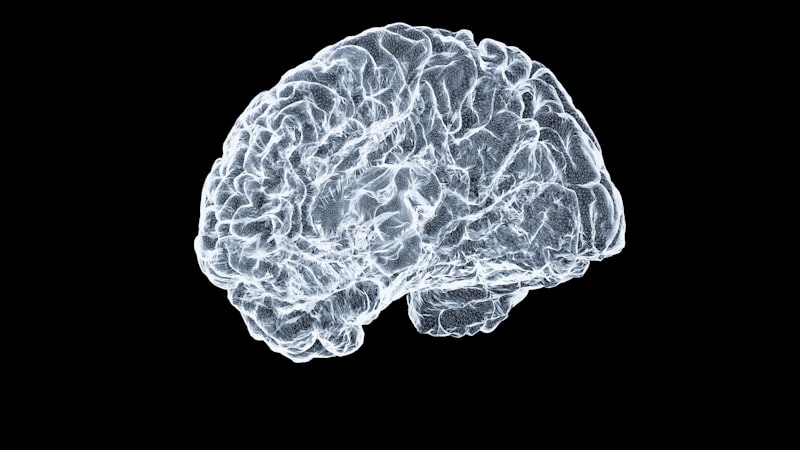
Cortical lesions represent areas of abnormal tissue damage or structural irregularity located within the cerebral cortex, the outermost layer of the brain responsible for higher-order functions such as consciousness, memory, language, and sensory processing. As the primary site of complex cognitive operations, damage to the cortex—whether focal or diffuse—invariably leads to significant neurological and psychological consequences. This comprehensive entry delves into the definition, diverse classification systems, underlying etiologies, profound neurological and cognitive effects, established diagnostic protocols, and contemporary therapeutic strategies employed in the management of cortical lesions. Understanding the precise nature and location of these lesions is paramount for predicting functional deficits and tailoring effective rehabilitation programs for affected individuals.
Introduction and Defining Characteristics
A cortical lesion is defined anatomically as any structural discontinuity or pathological alteration affecting the gray matter of the cerebral mantle. These lesions are fundamentally distinguished from subcortical damage by their direct impact on the neuronal cell bodies, dendrites, and synapses that constitute the cortical columns essential for intricate information processing. The functional significance of a cortical lesion is intrinsically linked to the concept of localization; damage to specific cortical areas, such as the primary motor cortex or Wernicke’s area, results in highly predictable and localized functional impairments. Historically, the study of individuals with cortical lesions has been instrumental in mapping brain function, providing crucial insights into neuroanatomy and the functional segregation of the cerebrum (Schiff et al., 2017).
The manifestations of cortical damage are highly heterogeneous, encompassing a wide range of deficits often grouped under the umbrella of acquired brain injury. These deficits frequently include impairments in executive function, memory encoding and retrieval, spatial awareness, and complex motor planning. The severity and permanency of these symptoms depend heavily on the lesion’s size, its specific location relative to functional cortical areas, and the extent of neuronal plasticity available for functional reorganization. Furthermore, the surrounding penumbra, or tissue at risk around the primary lesion site, often contributes to initial neurological deficits, although some of these functions may recover as edema subsides and inflammatory processes resolve. The distinction between cortical and subcortical injury is vital because cortical damage often directly impairs higher cognitive functions, unlike subcortical damage which may primarily disrupt connectivity and motor pathways.
It is crucial to differentiate between acute lesions, such as those caused by traumatic injury or ischemic stroke, and chronic or progressive lesions, typical of certain neurodegenerative diseases or slow-growing tumors. Acute lesions typically present with sudden onset of severe symptoms, demanding immediate medical intervention to mitigate further damage and prevent secondary injury mechanisms, such as excitotoxicity. Conversely, chronic lesions may present insidiously, with gradual cognitive decline or subtle changes in behavior that become noticeable only over months or years. The fundamental goal in diagnosing and managing any cortical lesion is to accurately identify the underlying pathology and initiate treatments designed to preserve remaining neural function and promote maximum functional recovery through neurorehabilitation.
Classification and Topography of Cortical Lesions
Cortical lesions are classified using multiple overlapping schemes based on anatomical location, size, and underlying etiology. Topographically, lesions are categorized according to the affected cerebral lobe: frontal lobe lesions, temporal lobe lesions, parietal lobe lesions, and occipital lobe lesions. Each lobe hosts specialized functions, meaning damage yields characteristic syndromes. For instance, frontal lobe lesions often impact personality, judgment, and motor control, while occipital lesions primarily cause visual field deficits (Kumar & Chandana, 2016). Precise localization within the cortex is necessary for clinical prediction; a lesion affecting the precentral gyrus (motor cortex) will result in motor deficits, while a lesion just anterior to it (premotor cortex) may impair motor planning and sequencing.
Further anatomical classification often specifies the exact gyri or Brodmann areas involved. For example, damage to Brodmann Area 4 (the primary motor cortex) results in contralateral hemiparesis, whereas damage to Brodmann Area 44/45 (Broca’s area) results in expressive aphasia. Lesions can also be described as focal, affecting a small, discrete area, or multifocal/diffuse, involving multiple separate areas or large, generalized regions of the cortex. The distinction between focal and diffuse damage is critical for prognosis, as multifocal damage often suggests systemic disease (e.g., multiple sclerosis or widespread vasculitis) or extensive vascular compromise, leading to more generalized and severe cognitive impairment that is often more difficult to compensate for through rehabilitation.
Classification by imaging characteristics also plays a vital role in guiding management. Lesions may be described based on their appearance on Magnetic Resonance Imaging (MRI) or Computed Tomography (CT) scans—for example, hemorrhagic (containing blood), cystic (fluid-filled), calcified, or enhancing (indicating active inflammation or malignancy due to breakdown of the blood-brain barrier). A precise radiological description helps guide the need for biopsy, surgical decompression, or specific pharmacological treatments. Furthermore, lesions can be classified by their temporal profile—acute (hours to days), subacute (days to weeks), or chronic (months or years)—which informs decisions regarding immediate medical management, particularly in cases involving acute swelling or impending brain herniation.
Etiological Factors: Primary Causes of Damage
The causes of cortical lesions are diverse, encompassing traumatic, vascular, neoplastic, infectious, inflammatory, and degenerative processes. Understanding the etiology is paramount, as the underlying cause dictates the appropriate clinical management strategy (Chaudhry et al., 2018). Among the most common causes worldwide is cerebrovascular accident (stroke), which includes both ischemic events (blockage of blood flow, leading to tissue necrosis and infarction) and hemorrhagic events (bleeding into the brain tissue, causing mechanical compression and toxicity). Strokes frequently cause focal cortical lesions, often conforming precisely to specific vascular territories, such as those supplied by the major cerebral arteries.
Another significant category is traumatic brain injury (TBI). Severe head trauma, particularly high-velocity impacts, can result in contusions (bruising) of the cerebral cortex, often occurring at the poles of the frontal and temporal lobes due as the brain impacts the bony skull ridges (coup-contrecoup forces). These lesions are typically hemorrhagic and can be associated with underlying edema and significant mass effect. TBI-related lesions often involve diffuse axonal injury alongside focal cortical damage, contributing to complex and widespread cognitive and emotional sequelae that require prolonged, specialized rehabilitation efforts focused on compensatory strategies.
Neoplasms, or brain tumors, represent another major etiological factor. Both primary brain tumors (e.g., highly aggressive gliomas, astrocytomas, or slow-growing meningiomas) and metastatic lesions (cancers spreading from other primary sites like the lung or breast) can infiltrate or compress cortical tissue, causing progressive damage and local inflammation. The symptoms of tumor-related lesions often evolve slowly and may include focal neurological deficits, headaches, or new-onset seizures, depending on the tumor’s growth rate and location. Additionally, infectious agents, such as bacteria, viruses (e.g., Herpes Simplex Virus), fungi, or parasites, can cause cortical damage through abscess formation, meningoencephalitis, or chronic inflammatory processes, often requiring aggressive antimicrobial therapy.
Finally, specific neurodegenerative disorders, while often causing diffuse atrophy, can sometimes present with more focal cortical lesions or degeneration patterns (e.g., focal cortical atrophy in specific dementias like Primary Progressive Aphasia). Autoimmune disorders, such as certain forms of encephalitis or vasculitis, can also cause inflammatory cortical lesions. Furthermore, genetic abnormalities and environmental factors, including chronic exposure to neurotoxins (e.g., carbon monoxide, heavy metals) or high doses of therapeutic radiation, can also contribute to the development of structural cortical abnormalities over time, highlighting the complex interplay between intrinsic vulnerability and extrinsic stressors in lesion formation.
Neurological and Cognitive Sequelae
The functional consequences, or sequelae, of cortical lesions are highly variable but generally involve a spectrum of neurological and cognitive deficits. These effects are directly proportional to the functionality of the damaged area. A common triad of consequences frequently cited includes memory impairment, language deficits (aphasias), and motor deficits (paralysis or paresis) (Schiff et al., 2017). Severe motor deficits, such as hemiplegia (paralysis of one side of the body), arise from damage to the primary motor strip, while language difficulties range from inability to produce articulate speech (expressive or Broca’s aphasia) to inability to comprehend spoken or written language (receptive or Wernicke’s aphasia), depending on the specific lateralized damage in the dominant hemisphere.
Beyond the primary sensorimotor and language functions, cortical lesions profoundly affect higher-order cognitive domains. Executive dysfunction, characterized by difficulties in planning, organizing, initiating tasks, inhibiting inappropriate responses, and shifting mental sets, is highly common, particularly following damage to the prefrontal cortex. These deficits often manifest as significant changes in personality and behavior, including impulsivity, apathy, emotional lability, or poor social judgment, which are often the most challenging symptoms for patients and caregivers to manage post-injury, requiring extensive behavioral and psychological support.
Furthermore, cortical damage can disrupt the brain’s intrinsic electrical stability, leading to epileptic seizures. The irritative focus created by the damaged cortical tissue acts as an abnormal pacemaker, generating unprovoked, synchronous electrical discharges. The type of seizure (e.g., focal aware seizures with specific motor or sensory symptoms, or focal impaired awareness seizures) is often highly indicative of the precise location of the lesion and the affected cortical network. In the most severe cases, particularly those involving large, acute lesions with significant edema and mass effect, the resulting neurological compromise can lead to altered states of consciousness, including stupor or coma, necessitating immediate critical care intervention to control intracranial pressure and support vital functions.
Specific Functional Deficits by Lobe
A systematic review of deficits based on the anatomical lobe provides a clearer picture of the highly specialized nature of cortical function. Lesions in the frontal lobe, the largest lobe, are associated with the most complex functional impairments. These lesions frequently produce the frontal lobe syndrome, characterized by profound deficits in working memory, sustained attention, inhibitory control, and goal-directed behavior. Damage to the orbital frontal cortex, for instance, often results in severe disinhibition and inappropriate social conduct (pseudopsychopathic behavior), whereas damage to the dorsolateral prefrontal cortex impairs complex problem-solving, cognitive flexibility, and organizational skills.
Damage to the temporal lobe, which contains the auditory cortex and key structures for memory formation (hippocampus) and emotion (amygdala), primarily results in memory impairment, particularly for new information (anterograde amnesia), and auditory processing deficits. Temporal lobe lesions are also a frequent and common cause of complex partial seizures, often involving automatisms or experiential phenomena. In the dominant hemisphere, posterior temporal damage (Wernicke’s area) leads to fluent but nonsensical speech (jargon aphasia, or receptive aphasia), severely impairing comprehension and the ability to follow commands. Non-dominant temporal lobe damage can impair recognition of non-verbal sounds and music perception.
Lesions affecting the parietal lobe typically cause profound disturbances in spatial awareness, sensation, and attention. Damage to the primary somatosensory cortex results in contralateral sensory loss (touch, temperature, proprioception). A hallmark of right parietal damage is severe hemispatial neglect, where the patient fails to attend to the contralateral (left) side of space, despite physically intact vision and motor ability. Damage to the dominant (left) parietal lobe can result in Gerstmann syndrome, a specific constellation of deficits including acalculia (inability to perform calculations), agraphia (inability to write), finger agnosia (inability to identify fingers), and left-right disorientation.
Finally, lesions in the occipital lobe, which is almost exclusively dedicated to visual processing, predictably lead to various degrees of blindness or visual field cuts (e.g., homonymous hemianopsia, where the patient loses vision in the same half of the visual field in both eyes). Furthermore, damage to the visual association cortices can result in high-order visual processing deficits known as visual agnosias (inability to recognize objects, colors, or faces despite possessing basic visual acuity), highlighting the hierarchical nature of visual information processing in the brain.
Diagnostic Procedures and Assessment
The accurate diagnosis of a cortical lesion relies on a combination of detailed clinical assessment, advanced neuroimaging, and specific laboratory tests. The initial step involves a thorough neurological examination to precisely localize the deficit (e.g., pattern of motor weakness, type of sensory loss, specific nature of aphasia), which helps guide focused imaging efforts. Neuropsychological evaluation is also crucial for quantifying cognitive deficits such as memory loss, attention span reduction, and executive dysfunction, providing an essential baseline against which functional recovery can be measured and rehabilitation goals established.
Neuroimaging techniques are the definitive tools for visualizing and characterizing cortical lesions. Computed Tomography (CT) is often the first-line imaging modality in acute settings (e.g., stroke, trauma) due to its speed, wide availability, and ability to quickly detect hemorrhage, acute edema, and midline shift indicative of mass effect. Magnetic Resonance Imaging (MRI), however, offers superior spatial resolution and tissue contrast, making it indispensable for identifying subtle, non-hemorrhagic lesions, delineating precise tumor margins, detecting demyelinating plaques, and characterizing the evolution of ischemic injury using specialized sequences like DWI/ADC maps.
Further diagnostic steps may include electroencephalography (EEG) to assess for epileptogenic activity associated with the lesion, which is particularly relevant in cases of unexplained altered mental status or new-onset seizures. Laboratory investigations, including comprehensive blood tests, cerebrospinal fluid (CSF) analysis via lumbar puncture, and specific serological tests, are essential when infection, systemic autoimmune inflammation (e.g., lupus), or metabolic disturbances are suspected as the underlying cause. In cases of suspected tumors or ambiguous lesions where imaging is inconclusive, a stereotactic biopsy may be required to obtain tissue for definitive histopathological confirmation, which is absolutely necessary to determine malignancy grade and guide specific oncological treatments.
Therapeutic Approaches: Medical, Surgical, and Rehabilitative
The treatment paradigm for cortical lesions is complex and entirely dependent upon the underlying etiology, the characteristics of the lesion (size, location, acuity), and the patient’s overall health status. Generally, therapeutic interventions fall into three main categories: acute medical management, surgical intervention, and comprehensive neurorehabilitation (Chaudhry et al., 2018). The immediate priority in acute care is stabilization and prevention of secondary brain injury.
Medical treatment focuses on managing acute symptoms and addressing the root cause. For ischemic stroke, acute medical management may involve intravenous thrombolytic agents (tPA) or mechanical endovascular clot retrieval. For lesions caused by infection, high-dose intravenous antimicrobial agents (antibiotics, antivirals, or antifungals) are used, often empirically before culture results return. Seizures resulting from cortical irritation are managed aggressively with anti-epileptic medications (AEDs). Additionally, pharmacological agents may be used to manage secondary neurological and psychiatric symptoms such as severe mood disturbances (e.g., depression), spasticity, or chronic neuropathic pain associated with the neurological injury.
Surgical intervention is indicated when the lesion presents an immediate threat due to mass effect (requiring decompression), causes intractable seizures that fail medical therapy, or requires removal for definitive diagnosis or cure (tumor resection). Surgical procedures range from craniotomy for tumor resection or evacuation of a large hematoma to specialized procedures like functional hemispherectomy for severe, debilitating epilepsy refractory to medical management. Neurosurgeons employ advanced techniques, including intraoperative neuromonitoring and functional brain mapping, to maximize lesion removal while minimizing damage to critical functional cortical areas, such as the speech and motor cortices, thereby preserving quality of life.
Crucially, treatment is incomplete without rehabilitation. Cognitive rehabilitation, physical therapy, occupational therapy, and speech-language pathology are essential for maximizing functional recovery post-injury. These interventions utilize principles of neuroplasticity, encouraging the brain to reorganize functions around the damaged area by intensive, repetitive practice (e.g., Constraint-Induced Movement Therapy). Psychosocial interventions and counseling are also vital for helping patients and families adjust to potential long-term disabilities and manage associated mental health challenges, such as post-stroke depression, anxiety, and PTSD related to traumatic events.
Prognosis and Future Research Directions
The prognosis following a cortical lesion is highly variable, dictated by numerous factors including the patient’s age (younger patients often exhibiting greater plasticity), the size and precise location of the lesion, the rapidity and efficacy of acute medical intervention, and the intensity and duration of subsequent rehabilitation efforts. While some patients, particularly those with small, focal lesions, experience near-complete functional recovery, others may face lifelong neurological and cognitive deficits. Early intervention and access to specialized, multidisciplinary neurorehabilitation facilities are consistently associated with improved long-term functional outcomes and better reintegration into society.
Current research is intensely focused on leveraging advances in neuroscience and technology to improve recovery mechanisms. Key areas of investigation include the development of novel neuroprotective agents designed to limit secondary damage immediately following acute injury (e.g., stroke or trauma) by targeting inflammation and oxidative stress. There is also significant interest in utilizing non-invasive neuro-modulation techniques, such as repetitive transcranial magnetic stimulation (rTMS) or transcranial direct current stimulation (tDCS), to enhance cortical excitability and promote targeted functional reorganization in undamaged areas adjacent to the lesion.
Further research is also needed to better understand the molecular and cellular mechanisms underlying long-term recovery and post-lesion plasticity. Specifically, identifying reliable imaging and molecular biomarkers that predict individual recovery potential and developing individualized, adaptive rehabilitation protocols based on detailed connectomic studies (mapping structural and functional brain wiring) promise to revolutionize the prediction and treatment of cortical lesions in the coming decades. These ongoing efforts are essential to transforming chronic neurological disability into manageable chronic conditions, maximizing independence and quality of life for survivors.
References
-
Chaudhry, S., Gill, S., Shukla, G., & Grover, V. (2018). Cortical Lesions: A Review. Journal of Clinical Neuroscience, 46, 46–51. https://doi.org/10.1016/j.jocn.2018.02.014
-
Kumar, S., & Chandana, S. (2016). Cortical Lesions: A Review. Asian Journal of Neurosurgery, 11(3), 627–634. https://doi.org/10.4103/1793-5482.187971
-
Schiff, N. D., Ribolsi, M., Beres, M. S., & Giacino, J. T. (2017). Neurobehavioral Consequences of Cortical Lesions. Neuropsychological Review, 27(1), 30–50. https://doi.org/10.1007/s11065-016-9342-8