Corticofugal Modulation: How Your Brain Shapes Reality
Scientifically Reviewed · Dr. Marwa Abd-Alazim · October 3, 2026
Review Criteria & Clinical Standards
This content undergoes rigorous scientific peer-review and medical editorial standards at Arab Psychology Network to ensure clinical accuracy, validity, and compliance with evidence-based guidelines from leading psychological and healthcare authorities (APA / WHO).
The Core Definition of Corticofugal Modulation
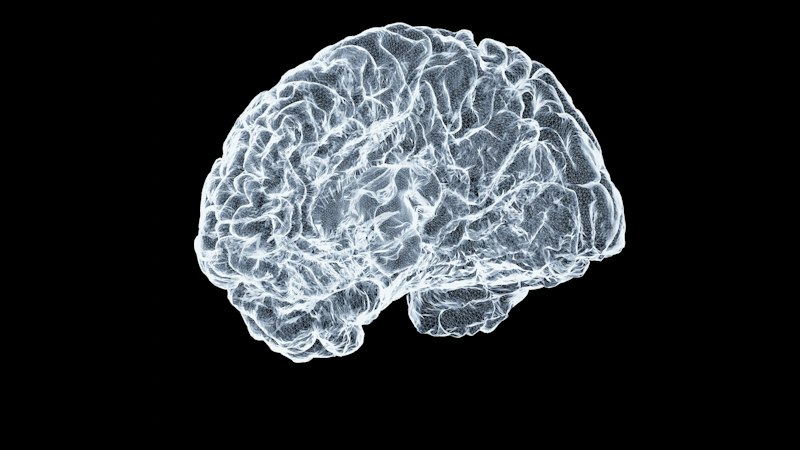
Corticofugal modulation refers to the intricate process by which signals originating from the cerebral cortex project downwards to modulate the activity of subcortical sensory nuclei. At its most fundamental level, it represents a sophisticated mechanism of top-down control, allowing higher brain centers to actively influence how sensory information is processed at earlier stages within the brain. This system is not merely a passive conduit of information; rather, it is an active filter and enhancer, playing a critical role in shaping our perception of the external world based on internal states, expectations, and attentional demands. The cortex, being the seat of complex cognitive functions, leverages these descending pathways to fine-tune the sensitivity and responsiveness of sensory relays, ensuring that only the most relevant information reaches conscious awareness while irrelevant stimuli are attenuated.
The fundamental mechanism behind corticofugal modulation involves a complex network of efferent projections that extend from various cortical areas to a range of subcortical structures, predominantly the thalamus but also including brainstem nuclei. These pathways are equipped to exert both excitatory and inhibitory effects on their target neurons, providing a remarkably flexible and dynamic means of sensory gating and enhancement. For instance, in a noisy environment, the cortex can send signals to enhance the processing of a particular sound source while simultaneously suppressing competing background noise. This capability underscores the brain’s proactive role in constructing perception, moving beyond the traditional view of sensory systems as purely feedforward processors that simply relay information from sensory organs to the cortex.
This remarkable interplay between cortical command and subcortical processing highlights the brain’s inherent capacity for adaptive behavior. The corticofugal system allows the brain to dynamically adjust its sensory filters in real-time, optimizing perception for current behavioral goals. Whether it is focusing intently on a visual target, discerning a specific voice in a crowd, or prioritizing touch sensations during a delicate task, corticofugal signals ensure that sensory processing is not a static phenomenon but a highly interactive and context-dependent operation. This continuous, bidirectional communication between cortical and subcortical regions is essential for maintaining a coherent and relevant perceptual experience, forming the bedrock of advanced cognitive functions such as attention, learning, and decision-making.
Historical Perspective on Top-Down Sensory Control
Historically, the understanding of sensory processing in neuroscience largely adhered to a bottom-up model. Early theories posited that sensory information flowed unidirectionally from the periphery (e.g., eyes, ears, skin) through various subcortical relays, eventually reaching the primary sensory cortices for interpretation. This feedforward view, while fundamental to mapping sensory pathways, often overlooked the profound influence that higher cognitive centers could exert on these early processing stages. The brain was seen more as a receiver and interpreter of external stimuli rather than an active participant in shaping the very input it received. This perspective dominated much of early neurophysiology, focusing on how signals ascended the neural hierarchy.
However, as neuroscience advanced with more sophisticated electrophysiological and anatomical techniques, evidence began to accumulate suggesting a more complex, interactive model. Researchers observed that neural activity in subcortical sensory nuclei was not solely driven by peripheral input but could also be significantly altered by an animal’s behavioral state, attention, or expectation. This led to the gradual acceptance and exploration of top-down modulation, where signals descending from cortical areas could actively influence the firing patterns of neurons in structures like the thalamus or brainstem. The concept gained traction particularly in the mid to late 20th century as neuroanatomists began to trace the extensive efferent connections from the cortex back to these sensory relays, revealing a rich network of descending control pathways.
The explicit focus on corticofugal pathways as a primary mechanism for this top-down control has intensified in recent decades. The development of advanced imaging techniques, optogenetics, and refined electrophysiological recordings allowed scientists to precisely stimulate or inhibit cortical regions and observe their immediate and long-term effects on subcortical sensory processing. Key researchers and their teams, often publishing findings in the early 21st century, began to meticulously map these connections and characterize their functional roles, moving beyond mere anatomical description to understand the dynamic physiological impact of these descending signals. Studies like those by Kunimatsu et al. (2015) in somatosensation, Park et al. (2018) in vision, and Lee et al. (2015) in audition represent significant milestones in empirically demonstrating and quantifying the powerful modulatory capacity of the cortex over its sensory afferents, solidifying the corticofugal system’s place as a central player in sensory neuroscience.
Neural Mechanisms Underlying Corticofugal Modulation
The intricate mechanisms underpinning corticofugal modulation involve a complex interplay of anatomical pathways, neurotransmitter systems, and cellular plasticity. At a fundamental level, corticofugal fibers synapse directly onto neurons within subcortical sensory relays, most notably the thalamus. The thalamus acts as a crucial gateway for nearly all sensory information en route to the cortex, and thus, its modulation by cortical feedback is exceptionally powerful. These descending projections can target different types of thalamic neurons, including relay cells that transmit sensory information and reticular cells that regulate thalamic activity through inhibitory circuits. The precise targeting allows for highly specific adjustments to sensory throughput, rather than a generalized suppression or enhancement.
Neurotransmitter systems play a pivotal role in mediating these modulatory effects. The primary excitatory neurotransmitter involved in corticofugal projections is glutamate. When cortical neurons fire, they release glutamate onto postsynaptic neurons in the thalamus, leading to depolarization and an increased likelihood of firing in these subcortical cells. This allows the cortex to enhance specific sensory inputs that are deemed important. Conversely, the corticofugal system also indirectly exerts inhibitory effects, often by activating local GABAergic interneurons within the thalamus or by influencing the inhibitory thalamic reticular nucleus, which then projects back to the main thalamic relay nuclei, releasing GABA. This inhibitory mechanism enables the cortex to suppress irrelevant or distracting sensory information, effectively filtering out noise and sharpening the focus on salient stimuli. The balance between these excitatory and inhibitory influences is finely tuned and can shift dynamically based on behavioral context.
Beyond direct synaptic transmission, corticofugal modulation also involves a sophisticated interplay with various neuromodulatory systems, influencing the excitability and responsiveness of subcortical neurons over longer timescales. For instance, the activation of specific cortical pathways can alter the expression of ion channels or receptor sensitivities in thalamic neurons, thereby changing their intrinsic firing properties. Furthermore, the corticofugal system is deeply involved in mechanisms of synaptic plasticity, such as long-term potentiation (LTP) and long-term depression (LTD). LTP strengthens synaptic connections, potentially leading to more efficient transmission of salient sensory signals, while LTD weakens connections, which could be instrumental in filtering out persistent background noise or habituating to unchanging stimuli. These plastic changes mean that the influence of the cortex is not just transient but can lead to lasting alterations in how subcortical structures process sensory information, reflecting learning and experience-dependent adjustments.
The precise architecture of these corticofugal pathways is highly organized and specific to different sensory modalities. For example, projections from the primary somatosensory cortex target specific nuclei within the ventroposterior thalamus, while visual cortex projections terminate in the lateral geniculate nucleus, and auditory cortex projections in the medial geniculate nucleus. This modality-specific organization ensures that cortical commands are delivered to the appropriate sensory relay stations. Moreover, these pathways are not static; they are dynamically recruited and fine-tuned by other brain regions involved in attention, emotion, and memory, underscoring the integrated nature of brain function where sensory processing is continuously shaped by our internal cognitive and affective states.
Empirical Evidence Across Sensory Systems
A growing body of empirical evidence, leveraging advanced neuroscientific techniques, has robustly demonstrated the pervasive role of corticofugal modulation across all major sensory systems. These studies have moved beyond theoretical conjectures to provide concrete physiological data, illustrating how cortical activity actively sculpts the very sensory signals that ultimately define our perception. Early observations hinted at these top-down effects, but more recent investigations have precisely elucidated the circuits and mechanisms involved, showing that the cortex does not merely receive information but actively dictates what information is prioritized and how it is processed at subcortical levels. This paradigm shift has profoundly influenced our understanding of sensory neuroscience.
In the somatosensory system, research has provided compelling evidence for corticofugal control. For instance, a seminal study by Kunimatsu et al. (2015) highlighted that direct stimulation of cortical areas associated with the primary somatosensory cortex (SI) could elicit both excitatory and inhibitory responses in the thalamus, specifically in the ventroposterior nucleus (VPN), which is the primary somatosensory relay. Crucially, the strength and nature of these thalamic responses were dependent on the intensity of the cortical input, demonstrating a flexible and graded modulatory capacity. These findings suggest that the cortex can dynamically enhance specific tactile inputs, perhaps to sharpen discrimination of a particular texture, or suppress others, such as background pressure, to focus attention on a new stimulus. Such precise control is vital for tasks requiring fine motor skills and sensory feedback, like playing a musical instrument or performing surgery.
Similarly, the visual system exhibits strong corticofugal influences. Park et al. (2018) demonstrated that stimulating the primary visual cortex (V1) could generate both excitatory and inhibitory effects on the activity of neurons in the lateral geniculate nucleus (LGN), the primary visual relay in the thalamus. This modulation is critical for phenomena like selective visual attention, where the brain prioritizes processing information from a specific part of the visual field or a particular object while downplaying other visual inputs. For example, when searching for a friend in a crowded room, corticofugal signals could enhance the processing of facial features in a particular location while suppressing the myriad of distracting visual information from the periphery, allowing for more efficient and goal-directed visual search.
The auditory system also operates under significant corticofugal command. Lee et al. (2015) reported that stimulation of the auditory cortex could produce both excitatory and inhibitory modulation of neuronal activity in the medial geniculate nucleus (MGN), the auditory thalamic relay. This top-down control is essential for the “cocktail party effect,” where an individual can focus on a single conversation amidst a cacophony of other sounds. Corticofugal pathways likely enhance the neural representation of the attended speaker’s voice characteristics (e.g., pitch, timbre) while simultaneously inhibiting the processing of competing auditory streams. This dynamic filtering allows for remarkable auditory scene analysis and speech comprehension in complex acoustic environments.
Collectively, these studies across different sensory modalities underscore the universal principle that sensory processing is not a purely bottom-up phenomenon but is profoundly shaped by top-down cortical feedback. This modulation is evident in both healthy physiological states, where it contributes to adaptive perception and attention, and in diseased states, where its dysfunction can lead to debilitating sensory processing deficits. The ability of the cortex to dynamically adjust the sensitivity and filtering properties of subcortical relays highlights the brain’s active and constructive role in generating our perceptual reality.
A Practical Example: Selective Attention in a Noisy Environment
To illustrate the profound impact of corticofugal modulation in everyday life, consider the common scenario known as the “cocktail party effect.” Imagine yourself at a lively social gathering, surrounded by numerous conversations, background music, and ambient noise. Despite this auditory chaos, you are able to selectively focus your attention on a single conversation, perhaps with a friend standing just a few feet away, understanding every word they say while largely filtering out the surrounding din. This remarkable feat of selective attention is a quintessential demonstration of corticofugal modulation at work, allowing your brain to prioritize and enhance relevant sensory information.
When you choose to engage in a specific conversation, your cerebral cortex, particularly areas involved in executive function and auditory processing, initiates a sophisticated top-down command. This command is transmitted via corticofugal pathways to subcortical auditory relays, primarily the medial geniculate nucleus (MGN) in the thalamus, and potentially even earlier stages in the brainstem. These descending signals are not simply general activators; they are highly specific, instructing the subcortical neurons to modify their sensitivity. The cortex essentially “tells” the MGN what to listen for, based on your current attentional goal.
The “how-to” of this process involves several steps. First, corticofugal projections likely send excitatory signals to MGN neurons that are tuned to the specific acoustic properties of your friend’s voice, such as their unique pitch, timbre, or speech rhythm. This enhances the neural representation of their speech, making it stand out more prominently. Simultaneously, the cortex sends inhibitory signals, either directly or indirectly, to MGN neurons that are processing the acoustic features of other conversations or background noise. This suppression effectively “turns down the volume” on irrelevant auditory inputs, reducing their ability to interfere with your primary focus. The result is a sharpened neural representation of the attended speech and a diminished representation of competing sounds, allowing your brain to extract meaningful information from the auditory clutter.
This ability to dynamically adjust sensory processing based on attentional demands is not limited to hearing. A similar mechanism allows you to visually track a specific person’s movement in a bustling crowd or to selectively feel the texture of an object in your hand while ignoring other incidental touches. The corticofugal system ensures that our sensory resources are optimally allocated to the most pertinent information, enabling us to navigate and interact with our complex environment effectively. Without this top-down control, our sensory experience would be a chaotic, unfiltered stream of raw data, making focused attention and coherent perception virtually impossible.
Profound Significance and Broad Impact in Neuroscience and Psychology
The concept of corticofugal modulation holds profound significance within the fields of neuroscience and psychology because it fundamentally challenges and enriches our understanding of perception, attention, and cognitive control. It moves beyond a passive, feedforward model of sensory processing to one that emphasizes the brain’s active, constructive role in shaping its own input. This top-down influence means that what we perceive is not merely a direct reflection of external stimuli, but a dynamic interpretation heavily influenced by our internal states, memories, expectations, and attentional focus. This active perceptual inference is crucial for adaptive behavior and efficient interaction with a complex and ever-changing environment.
This modulatory system is critical for understanding how we manage the enormous influx of sensory data we encounter daily. Without corticofugal mechanisms, our brains would be overwhelmed by the sheer volume of information, making it impossible to prioritize, focus, or learn effectively. It provides the neural substrate for selective attention, allowing us to filter out distractions and concentrate on salient features of our environment. Moreover, it plays a vital role in perceptual learning, where repeated exposure and focused attention can lead to enhanced sensitivity and discrimination of specific sensory cues. This highlights the brain’s remarkable plasticity and its ability to refine its sensory processing capabilities based on experience and behavioral relevance.
The implications of corticofugal modulation extend broadly across various psychological domains and practical applications. In education, understanding how attention can be directed and maintained through top-down control can inform teaching strategies, helping students to better focus on learning material and filter out classroom distractions. In marketing and advertising, insights into how certain sensory inputs are enhanced or suppressed can be used to design more impactful campaigns that capture and hold consumer attention. Furthermore, in fields like human-computer interaction, designing interfaces that leverage our natural top-down attentional mechanisms can lead to more intuitive and less cognitively demanding user experiences.
Beyond these practical applications, corticofugal modulation also provides a crucial framework for understanding complex cognitive functions such as decision-making and memory formation. By allowing the brain to prioritize information, it ensures that only the most relevant sensory data contributes to our cognitive processes, thereby influencing how we make choices and what information gets encoded into long-term memory. It also sheds light on individual differences in sensory sensitivity and processing styles, as variations in the strength or efficiency of these top-down pathways could contribute to differing perceptual experiences among individuals. Ultimately, the profound impact of this system lies in its capacity to bridge the gap between sensation and cognition, demonstrating how the brain constructs a meaningful and goal-directed perception of reality.
Clinical Implications of Corticofugal Dysfunction
The proper functioning of the corticofugal system is essential for healthy sensory processing and cognition. Consequently, disruptions or dysfunctions within these crucial top-down pathways have been implicated in a variety of neurological and psychiatric disorders, leading to significant alterations in how individuals perceive and interact with their environment. A better understanding of these clinical implications not only provides insights into the pathophysiology of these conditions but also opens avenues for targeted diagnostic tools and therapeutic interventions. The ability to modulate sensory input is so fundamental that its impairment can manifest in a wide spectrum of symptoms.
One prominent example of corticofugal dysfunction is observed in schizophrenia. Research, including reviews by Perez et al. (2017), suggests that individuals with schizophrenia often exhibit deficits in sensory gating, a process where the brain automatically filters out redundant or irrelevant stimuli. This impairment can manifest as an inability to suppress responses to repetitive sounds or visual inputs, leading to sensory overload and difficulties in focusing attention. It is hypothesized that aberrant corticofugal signals contribute to this gating deficit, preventing the cortex from effectively dampening incoming sensory information at subcortical levels. This can result in a fragmented and hyper-alert perceptual experience, potentially contributing to symptoms like hallucinations and disorganized thought.
Autism Spectrum Disorder (ASD) also presents significant challenges in sensory processing, with many individuals experiencing either hypersensitivity (over-responsiveness) or hyposensitivity (under-responsiveness) to various sensory stimuli. As Ozonoff et al. (2015) and other studies suggest, these atypical sensory experiences may be linked to altered corticofugal modulation. For instance, a failure of corticofugal inhibition could lead to an exaggerated perception of certain sounds, lights, or textures, making everyday environments overwhelming. Conversely, a deficit in corticofugal enhancement might contribute to hyposensitivity, where certain sensory inputs are not adequately processed or attended to. Understanding these underlying neural mechanisms is crucial for developing sensory-friendly environments and targeted therapies for individuals with ASD.
Furthermore, neurological disorders such as Parkinson’s Disease (PD) have also been linked to corticofugal system impairments. While primarily known as a motor disorder, PD often involves significant non-motor symptoms, including sensory deficits such as altered proprioception, pain, and olfaction. Hallett (2015) and others have explored how dysfunction in corticofugal pathways, particularly those involving the basal ganglia and thalamus, could contribute to these sensory disturbances. These pathways are crucial for integrating sensory feedback with motor commands, and their impairment can lead to difficulties in movement execution and coordination, as the brain receives inadequate or distorted sensory information about body position and environmental interaction.
The recognition of corticofugal system involvement in these and other conditions, such as chronic pain syndromes, tinnitus, and amblyopia, underscores its critical role in brain health. Future research focusing on the precise molecular and cellular mechanisms of corticofugal dysfunction holds immense promise for developing novel diagnostic biomarkers and therapeutic strategies. Interventions that aim to restore the balance of excitation and inhibition in these pathways, perhaps through neuromodulation techniques or pharmacological agents, could offer new avenues for alleviating the debilitating sensory and cognitive symptoms associated with a wide range of neurological and psychiatric disorders, ultimately improving quality of life for affected individuals.
Interconnections with Other Psychological Concepts and Fields
The concept of corticofugal modulation is not an isolated phenomenon in neuroscience; rather, it stands as a central pillar connecting numerous other psychological concepts and spanning across various subfields of psychology. Its essence—the top-down control of sensory input—is intimately woven into the fabric of how we understand perception, attention, cognition, and even consciousness. It provides a concrete neural mechanism for abstract psychological constructs, demonstrating how mental states can directly influence the most fundamental levels of sensory processing. This interdisciplinary relevance makes it a critical area of study for a holistic understanding of the mind.
Among the most closely related concepts is attention, particularly selective attention. Corticofugal pathways are considered the primary neural substrates through which the brain actively directs and focuses attentional resources. Whether it is visual attention, auditory attention, or tactile attention, the ability to prioritize specific sensory inputs and suppress others is a direct function of the cortex sending modulatory signals down to subcortical relays. This mechanism is also vital for sustained attention, allowing us to maintain focus over time, and for divided attention, where the brain rapidly switches its modulatory priorities between multiple streams of information. Without robust corticofugal control, the intricate dance of attentional processes would be severely hampered, leading to sensory overload and cognitive fragmentation.
Beyond attention, corticofugal modulation is deeply connected to sensory gating, a crucial process that prevents the nervous system from being overwhelmed by constant, non-essential sensory information. It is also fundamental to perceptual learning and sensory plasticity, where the brain’s ability to refine its sensory discrimination abilities through experience relies on the cortex’s capacity to modify the excitability and connectivity of subcortical neurons. Furthermore, it plays a role in cognitive control and executive functions, as the decision to attend to something or to ignore it originates from higher-order cognitive processes that then leverage corticofugal pathways to implement these decisions at the sensory level. This underscores how perception is not merely a passive intake of data but an active, goal-directed process.
The broader categories of psychology and neuroscience to which corticofugal modulation belongs are extensive. It is a core topic in Cognitive Neuroscience, elucidating the neural basis of cognitive functions like attention and perception. It is central to Sensory Neuroscience, providing the framework for understanding how sensory systems are dynamically regulated. Within Systems Neuroscience, it exemplifies the complex interplay between different brain regions and hierarchical processing. Furthermore, its clinical implications connect it directly to Clinical Psychology and Neuropsychology, particularly in understanding and treating sensory processing disorders, attentional deficits, and various psychiatric and neurological conditions. Even in Developmental Psychology, researchers explore how these top-down pathways mature over time, influencing the development of attention and perceptual abilities in children.
Ultimately, the study of corticofugal modulation helps to bridge the gap between “bottom-up” sensory experiences and “top-down” cognitive processes, illustrating how the brain continuously integrates external information with internal states, goals, and memories to construct a coherent and adaptive reality. It underscores the active nature of the brain, not just as a receiver of information, but as a proactive sculptor of its own perceptual world, making it a cornerstone for understanding the integrated functions of the human mind.