Parasympathetic Control: Master Your Brain’s Calm Switch
Scientifically Reviewed · Dr. Marwa Abd-Alazim · August 20, 2026
Review Criteria & Clinical Standards
This content undergoes rigorous scientific peer-review and medical editorial standards at Arab Psychology Network to ensure clinical accuracy, validity, and compliance with evidence-based guidelines from leading psychological and healthcare authorities (APA / WHO).
The Core Definition and Function
The cranial division constitutes the superior component of the Parasympathetic Nervous System (PNS), an essential regulatory arm of the autonomic nervous system. It is defined by its preganglionic fibers, which originate within specific nuclei of the brainstem and travel outward along the pathways of four specific cranial nerves. Functionally, this division is paramount in controlling automatic processes related to energy conservation, rest, digestion, and detoxification, embodying the classic “rest and digest” response that maintains bodily equilibrium, or homeostasis. Its influence extends primarily to the organs and glands of the head, neck, thoracic cavity, and the initial segments of the abdominal viscera.
The fundamental mechanism driving the cranial division is the operation of a two-neuron chain system. The first neuron, known as the preganglionic neuron, originates in the central nervous system (CNS) and projects its long axon toward a peripheral ganglion located near or within the target organ. This long trajectory is characteristic of the PNS, contrasting sharply with the short preganglionic fibers found in the sympathetic division. Upon reaching the ganglion, the preganglionic fiber releases the neurotransmitter acetylcholine, initiating an excitatory postsynaptic potential in the second neuron.
The second neuron, the postganglionic neuron, possesses a short axon that directly innervates the smooth muscle or glandular tissue of the target organ. The effect of the cranial division is typically localized and focused, allowing for precise control over specific functions such as reducing heart rate, promoting salivation, constricting the pupils, and stimulating peristalsis in the upper digestive tract. This focused action ensures that vital recovery and maintenance processes occur efficiently when the body is not under immediate stress.
Anatomy of the Cranial Outflow
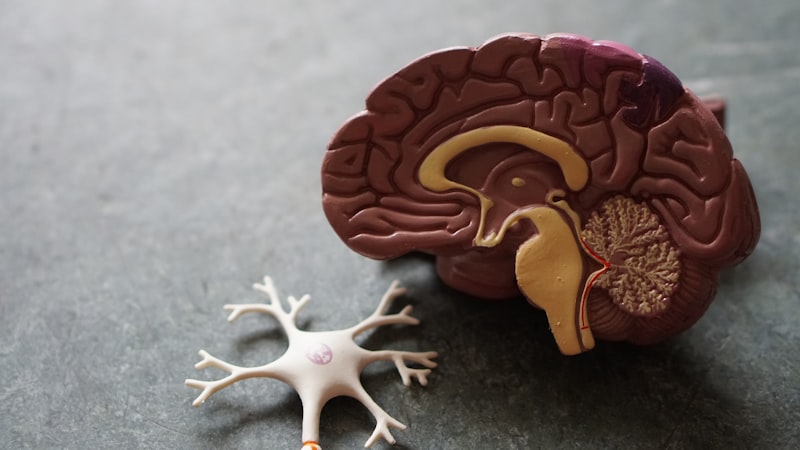
The anatomical origins of the cranial division are precisely localized within the brainstem, encompassing the midbrain, pons, and medulla oblongata. These origins are grouped into specific parasympathetic nuclei. For instance, the Oculomotor Nerve (CN III) fibers arise from the Edinger-Westphal nucleus in the midbrain, while the Facial (CN VII) and Glossopharyngeal (CN IX) fibers originate in nuclei located in the pons and upper medulla. The vast majority of the cranial outflow, however, is carried by the Vagus Nerve (CN X), originating largely from the Dorsal Motor Nucleus of the Vagus in the medulla.
The architecture of the ganglia associated with the cranial division dictates its localized control. Unlike the sympathetic ganglia, which form chains close to the spinal column, cranial parasympathetic ganglia are small and distinct, typically located in the head and neck region. These include the Ciliary Ganglion (associated with CN III), the Pterygopalatine Ganglion and the Submandibular Ganglion (associated with CN VII), and the Otic Ganglion (associated with CN IX). The fibers traveling via the Vagus Nerve (CN X) bypass these named ganglia, instead synapsing within tiny, intrinsic ganglia found directly within the walls of the organs they innervate, known as terminal or intramural ganglia.
The precise organization of this anatomical system allows for rapid and segregated control over various functions. For example, stimulation via the Oculomotor pathway strictly controls intraocular muscles for focusing and light regulation, without simultaneously triggering digestive responses. This level of anatomical segregation ensures that the PNS can tailor its “rest and digest” activities to the specific needs of different regions of the body simultaneously, maximizing physiological efficiency during periods of low environmental threat.
Historical Discovery and Context
The understanding of the cranial division emerged from the broader study of the involuntary nervous system, which was initially poorly differentiated from the voluntary system. Early physiological experiments in the 19th century first noted the powerful regulatory influence of certain cranial nerves, particularly the Vagus, on heart rate and digestion. Researchers observed that electrical stimulation of the Vagus nerve could dramatically slow the heart, a counterintuitive finding that highlighted a nervous system component dedicated to inhibition and slowing down bodily processes.
The formal conceptualization of the parasympathetic system, distinct from the sympathetic system, is largely attributed to the work of British physiologist John Newport Langley in the early 20th century. Langley systematically mapped the anatomical pathways and pharmacological responses of the involuntary nerves. He coined the term “parasympathetic” to describe the fibers that run parallel to, yet functionally antagonistic to, the sympathetic system. His research defined the crucial neuroanatomical difference: the cranio-sacral origin of the parasympathetic fibers versus the thoracolumbar origin of the sympathetic fibers.
This historical context is vital because it established the functional duality of the Autonomic Nervous System (ANS). Before Langley, the involuntary responses were often viewed as a single, diffuse system. By isolating and characterizing the cranial outflow, scientists could begin to understand how the body actively switches between states of arousal (sympathetic dominance) and states of restorative rest (parasympathetic dominance), thereby laying the foundation for modern neuropharmacology and autonomic medicine.
Specific Cranial Nerves and Their Roles
The cranial division utilizes four specific cranial nerves (CNs) to distribute its regulatory influence across the head, neck, and trunk. These nerves are numbered III, VII, IX, and X, each responsible for a distinct set of autonomic functions localized to specific regions. The preganglionic fibers leave the brainstem via these nerves, though they typically separate from the somatic motor components of the nerve before synapsing.
The Oculomotor Nerve (CN III) carries parasympathetic fibers that control the intrinsic muscles of the eye. These fibers regulate the size of the pupil (constriction, or miosis) and the shape of the lens (accommodation for near vision). The Facial Nerve (CN VII) is responsible for stimulating several glands in the face, most notably the lacrimal glands (tear production) and the submandibular and sublingual salivary glands. These actions are crucial for lubricating the eyes and initiating the digestive process through salivation. The Glossopharyngeal Nerve (CN IX) carries fibers primarily dedicated to stimulating the parotid salivary gland, the largest of the salivary glands, which contributes heavily to the early stages of digestion.
The most extensive and functionally significant component of the cranial division is the Vagus nerve (CN X). Derived from the Latin word for “wandering,” the Vagus nerve provides parasympathetic innervation to virtually all thoracic and abdominal viscera up to the splenic flexure of the large intestine. Its influence is profound, regulating heart rate (slowing it down), controlling bronchiole constriction in the lungs, and stimulating glandular secretion and smooth muscle contraction (peristalsis) throughout the esophagus, stomach, small intestine, and most of the large intestine. Its vast reach makes the Vagus nerve the primary mediator of internal organ rest and maintenance functions.
A Practical Example: The Pupillary Light Reflex
A highly illustrative and clinically relevant example of the cranial division in action is the Pupillary Light Reflex. This reflex is a fundamental neurological response designed to protect the retina from damage and optimize visual acuity by rapidly adjusting the amount of light entering the eye. Imagine walking out of a dimly lit cinema theater and into the intense brightness of a sunny afternoon street.
The process begins when bright light strikes the retina, sending sensory information via the optic nerve (CN II) to the brainstem. This sensory input triggers a rapid, involuntary response centered in the midbrain. The parasympathetic fibers associated with the Oculomotor Nerve (CN III) are immediately activated. These preganglionic fibers leave the brainstem and synapse in the Ciliary Ganglion, located just behind the eye.
From the Ciliary Ganglion, short postganglionic fibers travel forward to the iris and directly innervate the sphincter pupillae muscle. The immediate contraction of this circular muscle ring causes the pupil to rapidly constrict, a process known as miosis. This constriction reduces the aperture, thereby shielding the sensitive photoreceptors from the sudden influx of excessive light. This rapid, localized response demonstrates the efficiency and precision of the cranial parasympathetic outflow in maintaining critical sensory function.
Clinical Significance and Impact
The integrity of the cranial division is critically important in clinical practice, serving as a key indicator of neurological health. Because the fibers travel with specific cranial nerves, damage or disease affecting these pathways can lead to highly specific diagnostic signs. For example, a lesion affecting the parasympathetic component of CN III can result in a dilated, unresponsive pupil (fixed pupil) alongside impaired eye movement, a classic symptom of third nerve palsy often associated with serious intracranial pressure or vascular compression.
Pharmacologically, the cranial division is a major target for therapeutic intervention. Drugs that mimic or block the action of acetylcholine (cholinergic and anticholinergic agents) are used extensively. For instance, drugs used to treat glaucoma often act by enhancing parasympathetic action to constrict the pupil and improve fluid drainage. Conversely, anticholinergic drugs are used to suppress excessive glandular secretions or to treat conditions like irritable bowel syndrome by reducing gastrointestinal motility, demonstrating the profound influence of this division on internal medicine.
Beyond direct disease application, the cranial division, particularly the Vagus nerve, has gained significant recognition in modern behavioral and health psychology. High vagal tone—a marker of robust parasympathetic activity—is correlated with better emotional regulation, resilience to stress, and cardiovascular health. Techniques like deep, slow breathing are known to stimulate the Vagus nerve, offering non-pharmacological methods for leveraging the cranial division to promote relaxation and mental well-being, underscoring its relevance not just in anatomy, but in holistic health management.
Connections to the Autonomic Nervous System
The cranial division is one of two major outflows that comprise the entire Autonomic Nervous System (ANS), the involuntary regulatory system. The other parasympathetic component is the Sacral Division, which originates from the S2-S4 segments of the spinal cord and provides innervation to the lower colon, rectum, bladder, and reproductive organs. Together, the Cranial and Sacral divisions form the complete Parasympathetic Nervous System (PNS), responsible for the entire spectrum of “rest and digest” activities.
This division operates in constant balance with the antagonistic Sympathetic Nervous System (SNS), which has a thoracolumbar origin (T1-L2). While the cranial division promotes processes like salivation, reduced heart rate, and intestinal motility, the sympathetic division promotes fight-or-flight responses, increasing heart rate, dilating bronchioles, and diverting blood flow away from the digestive tract. This delicate equilibrium is essential for maintaining physiological stability, ensuring that the body can rapidly mobilize resources during stress and efficiently restore them afterward.
The specific territorial control of the cranial division—from the head and neck down through the early abdominal viscera—illustrates the structural specialization within the ANS. The Vagus nerve acts as a critical communication highway between the brain and the gut (the gut-brain axis), a connection that is currently a major focus of neuroscience research. Understanding the precise pathways and neurotransmitter systems of the cranial outflow is crucial for comprehending how internal bodily states are regulated and how they influence cognitive and emotional function.