Neuroanatomy: The Biological Fortress of the Human Mind
Scientifically Reviewed · Dr. Marwa Abd-Alazim · October 13, 2026
Review Criteria & Clinical Standards
This content undergoes rigorous scientific peer-review and medical editorial standards at Arab Psychology Network to ensure clinical accuracy, validity, and compliance with evidence-based guidelines from leading psychological and healthcare authorities (APA / WHO).
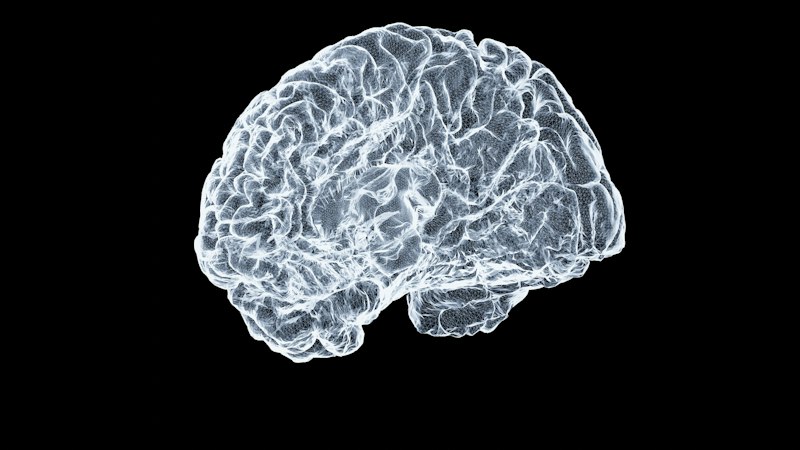
The Core Definition: The Cranial Protectorate of the Mind
The cranium, often interchangeably referred to as the skull, represents a fundamentally vital anatomical structure within the human body. At its most basic, it serves as a robust, bony enclosure specifically designed to safeguard the delicate and immensely complex brain, along with critical sensory organs such as the eyes and ears, and other essential components of the head and neck. This intricate protective case is not a single, monolithic bone but rather an assembly of several distinct bones that are meticulously fused together, forming a unified and resilient unit. From a psychological perspective, the cranium’s primary significance lies in its indispensable role in protecting the brain, which is universally acknowledged as the central organ responsible for all cognitive, emotional, and behavioral processes that define human experience. Without this robust protection, the intricate neural networks that underpin consciousness, memory, perception, and personality would be highly vulnerable to external forces, thereby compromising the very foundation of psychological function.
Expanding upon this essential definition, the cranium’s fundamental mechanism can be understood through its architectural design. It provides a rigid, shock-absorbing barrier, cushioning the brain from physical trauma, temperature fluctuations, and exposure to pathogens. This structural integrity ensures an environment conducive to optimal brain function, allowing billions of neurons to communicate seamlessly and process information without disruption. The consistent and stable internal environment maintained by the cranium is paramount for the brain to execute its vast array of tasks, from basic autonomic functions to higher-order cognitive abilities like problem-solving and abstract thought. Consequently, the well-being of the cranium directly correlates with the potential for healthy psychological development and functioning, making its study relevant not only to anatomy but also indirectly to various branches of psychology concerned with brain-behavior relationships.
The core principle at play is that a secure and stable physical foundation is prerequisite for complex biological and psychological operations. The cranium embodies this principle by offering unparalleled protection to the central nervous system’s command center. This protective function extends beyond mere physical shielding; it also helps maintain the brain’s internal pressure and chemical equilibrium, crucial factors for neuronal health and neurotransmission. Any compromise to the cranium’s integrity, whether through trauma, developmental anomaly, or disease, can have profound and often devastating psychological consequences, altering an individual’s cognitive capabilities, emotional regulation, and overall behavioral repertoire. Thus, while anatomical in nature, the cranium’s role is inextricably linked to the intricate tapestry of human psychology.
Anatomical Structure and Function
The architecture of the cranium is a testament to evolutionary design, comprising a sophisticated arrangement of bones each contributing to its overall protective capacity. These include the frontal bone, which forms the forehead and the superior part of the eye sockets; the paired parietal bones, forming the roof and upper sides of the skull; the paired temporal bones, located on the lower sides of the skull and housing the structures of the ear; the occipital bone, forming the back and base of the skull; and the sphenoid bone, an intricate, butterfly-shaped bone at the base of the skull that articulates with many other cranial bones and contributes to the floor of the cranium and the posterior walls of the eye sockets. Each of these bones, while distinct, is rigidly joined to its neighbors by fibrous joints known as sutures, which in adulthood become largely immobile, creating a unified and exceptionally strong bony vault. This complex interlinking of bones provides a resilient shell, specifically evolved to absorb and dissipate forces that could otherwise cause severe damage to the delicate brain tissue within.
Beyond its primary role as a protective shield against trauma and infection, the cranium performs several other crucial functions that indirectly support psychological well-being. It provides structural support for the facial muscles and the jaw, which are essential for speech, facial expressions, and mastication—all processes with significant psychological and social implications. The ability to articulate words, convey emotions through facial gestures, and engage in social eating rituals are fundamental aspects of human interaction and self-expression. Furthermore, the precise configuration of the cranium helps to maintain the overall shape of the head, contributing to an individual’s physical identity and appearance, which can have profound effects on self-perception and social interactions. The aesthetic aspect, though often overlooked in purely anatomical discussions, plays a subtle but pervasive role in psychological experience.
Additionally, the cranium provides crucial support and housing for the specialized sensory organs of the eyes and ears. The orbital parts of the frontal bone, along with contributions from other cranial bones, form the protective sockets for the eyeballs, ensuring their stability and shielding them from external harm. Similarly, the temporal bones encase the delicate structures of the inner and middle ear, which are responsible for hearing and balance. These sensory inputs—vision and audition—are foundational to perception, learning, and interaction with the environment, all of which are core components of cognitive psychology. The cranium’s role in safeguarding these sensory systems is therefore directly linked to an individual’s ability to accurately perceive and interpret the world, forming the basis for cognitive processes, emotional responses, and adaptive behaviors.
Historical Context: From Ancient Trepanation to Modern Neuroimaging
The human fascination with the skull and its contents dates back millennia, long before the formal establishment of psychology as a scientific discipline. Evidence from ancient civilizations reveals practices such as trepanation, where holes were deliberately bored into the cranium. While the exact motivations varied, anthropological and archaeological findings suggest that these procedures were often performed to treat head injuries, relieve intracranial pressure, or even as a ritualistic attempt to cure mental illness by releasing “evil spirits.” These early interventions, crude as they were, highlight a primitive yet intuitive understanding that the cranium housed something profoundly important for an individual’s physical and perhaps even psychological state, even if the underlying mechanisms were poorly understood and often attributed to supernatural forces rather than biological ones.
A more direct, albeit ultimately misguided, link between the cranium and psychological function emerged in the 19th century with the rise of phrenology. Developed by Franz Joseph Gall and Johann Gaspar Spurzheim, phrenology proposed that specific mental faculties and personality traits were localized in distinct regions of the brain, and that the relative development of these regions could be determined by examining the contours and bumps on the surface of the cranium. According to phrenological theory, a prominent bump in a particular area of the skull indicated a well-developed underlying brain region and, consequently, a stronger manifestation of the associated psychological trait. Although phrenology was later debunked as a pseudoscience, it represented an important historical stepping stone, as it was one of the earliest systematic attempts to link specific brain structures (inferred from skull shape) to psychological functions. It stimulated debate about brain localization and the biological basis of mind, paving the way for more rigorous scientific inquiry into brain-behavior relationships that would become central to neuropsychology.
The evolution of scientific understanding regarding the cranium’s relationship to the brain and, by extension, to psychological phenomena, progressed significantly with advancements in medicine and technology. From detailed anatomical dissections in the Renaissance to the development of early neuroscience in the 19th and 20th centuries, researchers began to meticulously map brain regions and correlate specific brain injuries or lesions with observable cognitive and behavioral deficits. The advent of modern neuroimaging techniques, such as MRI and CT scans, has revolutionized our ability to non-invasively visualize the cranium and its contents, providing unprecedented insights into brain structure and function in living individuals. This allows psychologists and neuroscientists to directly observe the impact of cranial integrity on brain health and to study the neural correlates of various psychological states and disorders, moving far beyond the speculative theories of phrenology to an evidence-based understanding of the cranium’s indirect but crucial role in supporting the mind.
A Practical Example: The Impact of Head Trauma on Psychological Well-being
To illustrate the profound connection between the cranium’s integrity and psychological function, consider a common real-world scenario: a person experiencing a mild traumatic brain injury (TBI) due to a fall or sports-related incident. In such an event, even if the cranium is not fractured, the sudden forceful impact can cause the brain to accelerate rapidly within its protective bony case, leading to it colliding with the inner surfaces of the skull. This internal jarring can result in widespread microscopic damage to brain tissue, including neuronal stretching, shearing of axons, and disruption of blood vessels. While the cranium successfully prevents external penetration, the internal forces generated can still have significant and immediate psychological consequences, manifesting as confusion, disorientation, temporary memory loss, or even a brief loss of consciousness, all directly impacting the individual’s cognitive and emotional state.
The “how-to” of this psychological impact unfolds in a series of steps. First, the mechanical forces of the impact, though absorbed to some extent by the cranium, are still transmitted to the brain, causing it to move within the cerebrospinal fluid. This movement can lead to diffuse axonal injury, where the long, slender projections of neurons (axons) are stretched or torn, disrupting communication pathways throughout the brain. Second, this cellular damage can impair the brain’s ability to efficiently process information, leading to observable cognitive deficits such as difficulty concentrating, slower processing speed, or problems with executive functions like planning and decision-making. Third, the disruption to neural circuits, particularly those involved in emotional regulation and mood, can manifest as psychological symptoms like irritability, anxiety, depression, or heightened emotional sensitivity, often experienced by individuals recovering from a TBI. The protective role of the cranium is paramount, but even with its presence, the brain’s delicate nature means that significant forces can still lead to complex psychological sequelae.
The recovery process following such an event further highlights the cranium’s indirect psychological significance. Rehabilitation efforts often involve neuropsychological assessments to identify specific cognitive and emotional impairments stemming from the brain injury. Therapies, such as cognitive rehabilitation or psychotherapy, aim to help individuals regain lost functions, develop compensatory strategies, and manage the psychological distress associated with their altered abilities. The very existence of these neuropsychological and clinical interventions underscores the fact that while the cranium protects the brain physically, its failure to completely prevent internal brain movement during trauma directly translates into challenges that psychology, in its various subfields, strives to address. The long-term psychological adjustment to living with the effects of a TBI, including changes in personality, memory, and emotional control, serves as a stark reminder of the profound psychological consequences when the brain’s protective environment is compromised, even transiently.
Significance and Impact: A Foundation for Neuropsychological Understanding
The cranium’s role, while primarily anatomical, holds immense significance for the field of psychology, particularly within biological psychology and its subdisciplines like neuropsychology and cognitive neuroscience. Its importance stems from the fundamental principle that all psychological phenomena—thoughts, emotions, perceptions, and behaviors—are products of brain activity. Therefore, understanding the structure that protects and houses this critical organ is foundational to understanding the physical basis of the mind. The cranium’s integrity is directly correlated with brain health, and consequently, with the capacity for normal cognitive and emotional functioning. Any condition affecting the cranium, from developmental anomalies to traumatic injuries or diseases, invariably carries potential psychological ramifications, necessitating interdisciplinary approaches that combine medical and psychological expertise.
In contemporary psychology, the concept of the cranium, or more broadly, the skull and its contents, finds extensive application across several domains. In clinical psychology and neuropsychology, detailed examination of the cranium and its internal structures through advanced imaging techniques (e.g., MRI, CT scans) is crucial for diagnosing neurological conditions that have psychological manifestations. For instance, identifying brain tumors, lesions, or areas of atrophy can explain cognitive deficits, personality changes, or mood disorders observed in patients. In forensic psychology, analysis of cranial trauma can help reconstruct events leading to injury and assess the potential for long-term psychological impairment. Furthermore, in research settings, understanding the cranium’s protective mechanisms informs the development of safety equipment, such as helmets, aimed at preventing brain injuries that could lead to significant psychological distress and disability. This preventative aspect underscores the practical impact of anatomical knowledge on public health and psychological well-being.
The impact extends into cognitive science and developmental psychology as well. Researchers studying brain development in children often rely on understanding the cranium’s growth and ossification process to contextualize the maturation of cognitive functions. Conditions like craniosynostosis, where cranial sutures fuse prematurely, can impact brain development and potentially lead to cognitive and learning difficulties, necessitating early intervention. In a broader sense, the cranium symbolizes the physical boundary between the external world and the internal mental landscape. Its study reinforces the biological underpinnings of psychology, demonstrating how physical structures dictate the possibilities and limitations of mental processes. This interdisciplinary integration highlights that a comprehensive understanding of human psychology is incomplete without acknowledging the physical architecture that sustains the brain.
Clinical Relevance: Neurological Conditions and Psychological Manifestations
The clinical relevance of the cranium is profound, particularly concerning various neurological conditions and diseases, many of which present with significant psychological and cognitive symptoms. Abnormalities in the shape or size of the cranium, often detectable at birth or during early development, can be indicative of underlying genetic conditions or developmental disorders that have direct implications for psychological development. For example, craniosynostosis, a condition where one or more of the fibrous sutures in an infant’s skull prematurely fuse, can restrict normal brain growth, potentially leading to increased intracranial pressure and subsequent cognitive impairments, developmental delays, and behavioral challenges if not surgically corrected. Similarly, hydrocephalus, characterized by an abnormal accumulation of cerebrospinal fluid within the brain, can cause the cranium to enlarge in infants and, if untreated, exert pressure on brain tissue, leading to a range of cognitive, motor, and psychological deficits, including learning disabilities and emotional dysregulation.
Furthermore, changes within the cranium can be indicative of various serious head and neck cancers, such as meningioma or metastatic tumors, which originate elsewhere in the body and spread to the brain or its surrounding membranes. Meningiomas, which arise from the meninges (the membranes that surround the brain and spinal cord), grow within the cranial vault and can exert pressure on specific brain regions. Depending on their location, these tumors can lead to a wide spectrum of psychological symptoms, including personality changes, memory loss, speech difficulties, seizures, or deficits in executive function, profoundly altering an individual’s psychological landscape. Similarly, metastatic tumors within the cranium can cause focal neurological deficits and psychological distress, often leading to cognitive decline, mood disturbances, and behavioral changes as the disease progresses. The detection and precise localization of these cranial pathologies are critical for guiding neurosurgical interventions and subsequent psychological support.
Beyond congenital and oncological conditions, the cranium’s clinical relevance extends to the assessment and management of traumatic injuries. Skull fractures, for instance, not only pose an immediate threat to brain integrity but also carry the risk of long-term psychological sequelae. Even closed head injuries, where the cranium remains intact but the brain suffers internal damage, can lead to post-concussion syndrome, characterized by persistent headaches, dizziness, fatigue, and cognitive difficulties, often accompanied by psychological symptoms such as anxiety, depression, and irritability. Neuropsychologists play a crucial role in evaluating the cognitive and emotional impact of these cranial injuries, developing rehabilitation strategies, and providing counseling to help individuals cope with the psychological challenges. Understanding the cranium’s protective capacity and its vulnerabilities is therefore paramount for medical professionals and psychologists alike, as it offers vital insights into the physical origins of many psychological conditions and informs effective intervention strategies.
Connections and Relations: Interdisciplinary Perspectives
The study of the cranium, while primarily rooted in anatomy, is intricately connected to numerous other key psychological terms and theories, fundamentally underpinning the broader field of psychology. It serves as a cornerstone for `Neuroanatomy` and `Neurophysiology`, disciplines that describe the structure and function of the nervous system, respectively. These fields directly inform our understanding of how the brain, protected by the cranium, gives rise to psychological processes. For instance, the protection offered by the cranium allows for the stable functioning of neural circuits, which are the biological basis of `Cognitive Psychology`, governing processes like memory, attention, and perception. Without this robust physical casing, the delicate machinery of cognition would be constantly at risk, highlighting the foundational role of the cranium in enabling higher-order mental functions.
Furthermore, the cranium’s developmental aspects are closely linked to `Developmental Psychology`. The proper growth and fusion of cranial bones are critical for healthy brain development in infancy and childhood. Anomalies in this process, such as craniosynostosis or hydrocephalus, can impede brain growth and lead to developmental delays or cognitive deficits, which become central concerns for developmental psychologists. The concept of the cranium also relates to the study of `Sensation and Perception`, as it houses and protects the primary sensory organs (eyes, ears), whose integrity is essential for accurate sensory input and subsequent perceptual processing. Any damage to the cranium that affects these organs can directly impair an individual’s ability to perceive the world, thereby impacting their psychological experience and interaction with their environment.
Ultimately, the cranium belongs to the broader category of `Biological Psychology` or `Neuroscience`. These overarching fields explicitly investigate the biological mechanisms underlying behavior, cognition, and emotion. The cranium, as the brain’s physical enclosure, is an essential component of this biological substrate. Its study connects to theories of `Brain Plasticity` and `Recovery from Injury`, as understanding the cranium’s role in protecting the brain informs interventions aimed at minimizing damage and maximizing recovery after trauma. In essence, the cranium is not merely a bone structure; it is the physical guarantor of the brain’s ability to orchestrate the complex symphony of human psychology, making its anatomical study deeply relevant to a holistic understanding of the mind.