Cryotherapy: How Extreme Cold Rewires Your Mind
Scientifically Reviewed · Dr. Marwa Abd-Alazim · October 5, 2026
Review Criteria & Clinical Standards
This content undergoes rigorous scientific peer-review and medical editorial standards at Arab Psychology Network to ensure clinical accuracy, validity, and compliance with evidence-based guidelines from leading psychological and healthcare authorities (APA / WHO).
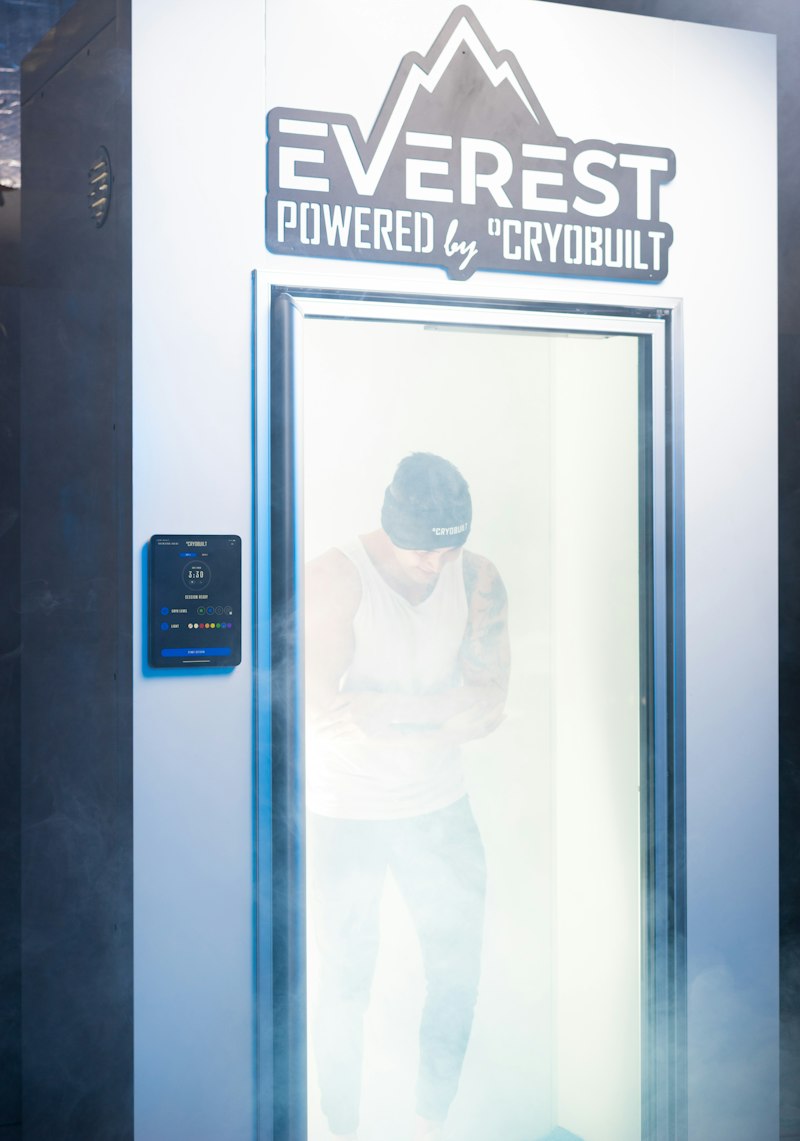
The Core Definition of Cryo-
The prefix “cryo-“, derived directly from the ancient Greek word “kryos” (κρύος), meaning cold or ice, serves as a fundamental indicator in various scientific and technological fields for processes, states, or phenomena involving extremely low temperatures. While the precise definition of “extremely low” can vary slightly depending on the specific discipline, it generally refers to temperatures significantly below ambient conditions, often approaching the absolute zero point of the thermodynamic temperature scale. This realm of extreme cold typically begins below -150°C (-238°F) or -238 Kelvin, where the behavior of matter undergoes profound changes, leading to unique physical, chemical, and biological properties that are not observed at higher temperatures. The presence of “cryo-” in a term immediately signals an engagement with these deeply chilled environments, whether for preservation, manipulation, or analysis.
At its fundamental core, the concept behind “cryo-” involves the deliberate reduction of thermal energy within a system, thereby minimizing the chaotic motion of atoms and molecules. This reduction in molecular kinetic energy has a transformative effect on materials. For instance, in biological systems, it can halt metabolic processes, effectively pausing life activities without causing irreversible damage, a principle central to cryopreservation. In physical sciences, it can induce phenomena such as superconductivity, where electrical resistance vanishes, or superfluidity, where fluids flow without friction. The overarching idea is to exploit these low-temperature properties for specific scientific, medical, or industrial objectives, ranging from long-term storage of sensitive biological samples to the development of advanced materials and diagnostic tools.
The application of “cryo-” technologies extends across a vast interdisciplinary landscape, bridging physics, engineering, biology, and medicine. It encompasses the science of producing and maintaining very low temperatures, known as cryogenics, and the practical utilization of these conditions. From the design of specialized equipment capable of reaching and sustaining such extreme cold, like Dewar flasks and cryocoolers, to the development of intricate protocols for handling delicate biological specimens, the “cryo-” prefix denotes a sophisticated and precise approach to temperature control. This broad utility underscores its critical importance in modern scientific research and technological advancement, enabling insights and capabilities previously unattainable.
Historical Context and Development
The journey into the realm of extreme cold, which laid the groundwork for modern “cryo-” technologies, began in earnest during the 19th century with pioneering experiments focused on the liquefaction of gases. Prior to this period, gases like oxygen and nitrogen were considered “permanent” due to the inability of contemporary technology to cool them sufficiently for phase transition. Key figures like Michael Faraday in the 1820s and 1840s made significant strides by liquefying several gases through combinations of high pressure and low temperatures. However, the true breakthrough came in the late 19th century. In 1877, Louis Paul Cailletet in France and Raoul Pictet in Switzerland independently succeeded in liquefying oxygen, marking a pivotal moment in cryogenics. This achievement demonstrated that all gases could be liquefied if cooled enough, shattering the “permanent gas” theory and opening vast new avenues for scientific inquiry.
The early 20th century witnessed further dramatic advancements, largely driven by the pursuit of even lower temperatures. In 1898, Scottish chemist James Dewar was the first to liquefy hydrogen, and he also invented the vacuum-insulated flask, now universally known as the Dewar flask or thermos, which is indispensable for storing cryogenic liquids. Perhaps the most significant milestone was achieved in 1908 by Dutch physicist Heike Kamerlingh Onnes at Leiden University, who successfully liquefied helium, reaching temperatures just a few degrees above absolute zero. His subsequent discovery of superconductivity in mercury in 1911, an entirely new state of matter at these ultra-low temperatures, fundamentally altered our understanding of material properties and unveiled the profound potential of the “cryo-” domain. These early explorations were driven by a desire to understand the fundamental properties of matter at its coldest extremes, inadvertently laying the groundwork for applications ranging from biological preservation to advanced medical diagnostics.
The practical application of these cryogenic principles began to flourish in the mid-20th century, particularly in the fields of medicine and biology. The development of techniques for cryopreservation, such as the use of cryoprotectants to mitigate ice crystal formation, allowed for the successful long-term storage of cells, tissues, and even whole embryos. This revolutionized blood banking, reproductive medicine, and organ transplantation research. Simultaneously, the burgeoning field of structural biology started exploring how cryogenic temperatures could stabilize biological molecules for imaging, leading to the eventual rise of cryo-electron microscopy (Cryo-EM). The historical progression from theoretical understanding of cold physics to the development of practical tools and techniques underscores the iterative and transformative nature of scientific discovery in the “cryo-” domain, moving from basic research to life-saving and technologically advanced applications.
Practical Application: Cryopreservation in Reproductive Medicine
To illustrate the profound utility of “cryo-” technologies, one can look at the ubiquitous role of cryopreservation in modern reproductive medicine, specifically in the context of in vitro fertilization (IVF). This real-world scenario highlights how the principles of extreme cold are meticulously applied to preserve delicate biological material, offering hope and options to individuals and couples facing fertility challenges. Imagine a couple undergoing IVF treatment. After several weeks of hormone stimulation, eggs are retrieved from the woman, and sperm is collected from the male partner. These are then combined in a laboratory dish to facilitate fertilization, leading to the creation of multiple embryos. However, it is often not advisable or practical to transfer all viable embryos during a single cycle.
This is where “cryo-” technology becomes indispensable. Instead of discarding surplus viable embryos, they are carefully prepared for long-term storage through a process known as embryo cryopreservation. The “how-to” of this process involves several critical steps to ensure the embryos’ viability upon thawing. First, the embryos are exposed to special solutions containing cryoprotectants, such as dimethyl sulfoxide (DMSO) or ethylene glycol. These agents are crucial because they penetrate the cells and reduce the formation of damaging intracellular ice crystals during freezing, which is a primary cause of cell death at low temperatures. Without cryoprotectants, the water inside the cells would expand and form sharp ice crystals, rupturing cellular membranes and organelles, rendering the embryo non-viable.
Once infused with cryoprotectants, the embryos are cooled down in a highly controlled manner. Older, slower freezing methods involve a gradual reduction in temperature, while newer, more rapid techniques like vitrification cool the embryos so quickly that the intracellular water solidifies into an amorphous, glass-like state without forming ice crystals at all. Regardless of the method, the ultimate goal is to bring the embryos to the temperature of liquid nitrogen, which is approximately -196°C (-321°F). At this extremely low temperature, all metabolic activity within the embryonic cells effectively ceases, placing them in a state of suspended animation. They can then be stored indefinitely in specialized cryogenic storage tanks. When the couple decides to attempt another pregnancy, or if the initial transfer is unsuccessful, these cryopreserved embryos can be carefully thawed and transferred, maintaining their developmental potential. This intricate process demonstrates the power of “cryo-” to bridge time, offering flexibility and increased chances of conception for countless individuals.
Significance and Impact of Cryogenic Concepts
The overarching significance of “cryo-” concepts to the field of psychology, and indeed to science as a whole, lies in their capacity to fundamentally alter the constraints of time and environmental degradation for biological and material systems, alongside enabling unprecedented insights into molecular structures. In psychological research, while direct application might seem limited, the ability to preserve brain tissue samples or neurological cell lines at cryogenic temperatures is invaluable for long-term studies of neurological disorders and cellular mechanisms underlying cognition and emotion. More broadly, the principles derived from cryogenics have catalyzed revolutions in medicine, biotechnology, materials science, and fundamental physics, propelling scientific understanding and technological capabilities far beyond what was previously imaginable. The preservation capabilities alone have safeguarded invaluable genetic resources, endangered species cells, and human reproductive material, ensuring future research and therapeutic options.
The impact of “cryo-” extends into diverse applications that touch nearly every aspect of modern life and scientific endeavor. In medicine, beyond the fertility treatments discussed, cryopreservation is foundational for blood banks, bone marrow registries, and tissue banks, allowing for the storage of critical medical resources for future use in transfusions, transplants, and therapies. Cryosurgery, another direct application of “cryo-” principles, has become a minimally invasive and highly effective treatment option for various cancers and benign lesions, including those affecting the prostate, liver, kidneys, and skin, offering patients less pain and faster recovery times compared to traditional surgical methods. These medical advancements directly translate into improved public health outcomes and expanded therapeutic arsenals against formidable diseases.
Beyond the medical sphere, “cryo-” technologies are pivotal in industrial processes and scientific research. In industrial contexts, the liquefaction and storage of industrial gases like oxygen, nitrogen, and argon are critical for manufacturing, welding, and various chemical processes. The most prominent example is the storage and transport of Liquefied Natural Gas (LNG), which makes global energy distribution feasible. In scientific research, the advent of cryo-electron microscopy (Cryo-EM) has fundamentally transformed structural biology, allowing scientists to visualize the intricate three-dimensional structures of proteins and other biomolecules in their near-native states at atomic resolution. This capability is crucial for understanding disease mechanisms and accelerating drug discovery. Furthermore, cryogenic environments are essential for developing and operating advanced technologies such as superconducting magnets used in MRI machines and particle accelerators, as well as for quantum computing research, demonstrating the far-reaching and transformative impact of mastering extreme cold.
Detailed Exploration of Cryopreservation
Cryopreservation, the most widely recognized application of “cryo-” principles in biology and medicine, is a sophisticated technique designed to preserve biological constructs—ranging from individual cells to complex tissues and even organs—by cooling them to extremely low temperatures, typically to -196°C, the boiling point of liquid nitrogen. At this temperature, all biological activity, including biochemical reactions and enzymatic processes that lead to degradation, is effectively suspended. The primary challenge in cryopreservation is preventing the formation of intracellular ice crystals, which are lethal to cells. As water freezes, it expands and forms sharp crystals that can puncture cell membranes and disrupt organelles, leading to irreversible damage. Therefore, the success of cryopreservation hinges on meticulously controlled cooling protocols and the strategic use of cryoprotectants.
The mechanism behind successful cryopreservation involves a careful balance of dehydration and cryoprotection. As cells are slowly cooled, water begins to move out of the cells into the extracellular space, where it freezes. This extracellular ice formation concentrates the solutes both inside and outside the cell, which could lead to osmotic shock. To counteract this, cryoprotectants (CPAs) like glycerol, dimethyl sulfoxide (DMSO), or propylene glycol are introduced. These agents, often toxic at high concentrations, reduce the freezing point of water and increase its viscosity, thus minimizing ice crystal formation and protecting cellular structures during the freezing and thawing processes. The concentration and specific type of CPA, along with the precise cooling rate, are critical parameters that must be optimized for each cell type or tissue to ensure maximum viability post-thaw.
The applications of cryopreservation are vast and continue to expand. In reproductive medicine, it enables the storage of sperm, eggs, and embryos for fertility treatments, allowing individuals to preserve their reproductive potential or plan for future families. In clinical practice, it is fundamental for blood banks, allowing for the long-term storage of red blood cells, platelets, and plasma, which are vital for transfusions. Tissue banks rely on cryopreservation to store skin grafts, heart valves, bone, and other tissues for transplantation. Furthermore, in research, the ability to store cell lines, stem cells, and genetic material (DNA, RNA) for extended periods is crucial for biomedical studies, drug development, and disease modeling. While the cryopreservation of whole, complex organs for transplantation remains a significant challenge due to their size and intricate cellular architecture, ongoing research promises to extend the benefits of this “cryo-” technology even further.
Cryo-electron Microscopy (Cryo-EM) in Detail
Cryo-electron microscopy (Cryo-EM) represents a revolutionary “cryo-” technique that has transformed the field of structural biology, providing unprecedented insights into the three-dimensional structures of biological macromolecules like proteins, viruses, and cellular components. Unlike traditional electron microscopy which often requires samples to be stained or dehydrated, processes that can alter their native structure, Cryo-EM employs cryogenic temperatures to preserve biological specimens in a near-native, hydrated state. This method involves rapidly cooling a thin layer of the sample, often less than 100 nanometers thick, to temperatures below -160°C, typically by plunge-freezing it into liquid ethane or a mixture of ethane and propane.
The key to Cryo-EM’s success lies in this rapid freezing process, often referred to as “flash-freezing” or vitrification. By cooling the sample extremely quickly, the water molecules do not have time to crystallize into damaging ice structures. Instead, they form an amorphous, glass-like solid, effectively immobilizing the biological molecules in their natural conformations. This “vitreous ice” environment allows researchers to image the molecules in a state that closely resembles their active biological conditions within a cell. High-energy electron beams are then passed through these vitrified samples, and the scattered electrons are detected to create projection images. Because each image is inherently noisy and represents only a single orientation of the molecule, thousands to hundreds of thousands of such images are collected, each capturing the molecule from a slightly different angle.
The subsequent computational analysis is as crucial as the freezing process. Sophisticated image processing algorithms are used to align, classify, and average these numerous noisy 2D images. By combining these 2D projections, a high-resolution 3D reconstruction of the molecule’s structure is generated. This approach has overcome many limitations of traditional methods like X-ray crystallography, which requires molecules to be crystallized – a difficult and often impossible task for many large, flexible, or membrane-bound proteins. Cryo-EM’s ability to visualize dynamic processes and intricate molecular machines, such as ribosomes or viral capsids, at near-atomic resolution has profoundly impacted drug discovery, vaccine development, and our fundamental understanding of life’s molecular mechanisms, solidifying its place as a cornerstone “cryo-” technology in modern biology.
Cryosurgery: A Therapeutic Advance
Cryosurgery, often referred to as cryotherapy, is a medical procedure that harnesses the destructive power of extreme cold to treat various conditions, most notably certain types of cancer and benign lesions. This “cryo-” application involves the precise and controlled freezing of abnormal tissue, leading to cellular death and subsequent reabsorption by the body. The procedure typically employs a specialized probe, often cooled by liquid nitrogen or argon gas, which is inserted into or placed directly on the target tissue. The rapid drop in temperature within the targeted area causes a cascade of cellular damage that is both immediate and delayed, making it an effective therapeutic strategy.
The mechanism of action in cryosurgery is multifaceted. Immediately upon freezing, intracellular and extracellular ice crystals form, physically rupturing cell membranes and organelles. As the tissue thaws, osmotic imbalances cause cells to swell and burst. Furthermore, the freezing process damages the local blood vessels supplying the tumor. This vascular damage leads to stasis and thrombosis (blood clot formation), effectively cutting off the blood supply to the treated area. Without oxygen and nutrients, the remaining tumor cells undergo necrosis (cell death) and apoptosis (programmed cell death) over the subsequent days and weeks. The dead tissue is then naturally cleared away by the body’s immune system. The controlled nature of the freezing and thawing cycles is critical; often, multiple freeze-thaw cycles are applied to maximize the destructive effect on malignant cells while minimizing collateral damage to surrounding healthy tissue.
Cryosurgery offers several distinct advantages over traditional surgical methods, making it a valuable alternative for many patients. It is a minimally invasive procedure, often requiring only local anesthesia, which translates to reduced pain, less blood loss, and shorter recovery times. It can be particularly effective for treating cancers that are difficult to access surgically or for patients who are not candidates for conventional surgery due to age or other health conditions. Common applications include the treatment of prostate cancer, liver tumors, kidney cancers, certain skin cancers, and precancerous lesions. The precision of modern cryoprobes, often guided by imaging techniques like ultrasound or MRI, allows for highly targeted treatment, preserving healthy tissue and enhancing patient outcomes, thus cementing “cryo-” technology’s role as a vital tool in oncology.
Connections and Relations to Broader Psychology
While the term “cryo-” itself pertains primarily to physical and biological sciences, its applications and underlying principles have indirect yet significant connections to broader psychological and neuroscientific research. The ability to preserve biological materials at extremely low temperatures, for instance, underpins much of the long-term study of neurological tissue and cell cultures, which are crucial for understanding the biological basis of mental processes and disorders. Without cryopreservation, the continuous availability of research samples—from neuronal cell lines to post-mortem brain tissue—that are essential for investigations into conditions like Alzheimer’s disease, Parkinson’s disease, or schizophrenia would be severely hampered. This preservation capability indirectly supports cognitive psychology, biological psychology, and neuropsychology by ensuring the longevity and accessibility of invaluable research tools.
Furthermore, the ethical and societal implications arising from “cryo-” technologies, particularly in areas like human cryopreservation (e.g., sperm, egg, and embryo banking, or the more speculative field of cryonics for whole human bodies), intersect deeply with psychological and sociological considerations. Decisions surrounding fertility preservation, the future use of cryopreserved embryos, or the very concept of extending life through extreme cold raise complex questions about personal identity, family dynamics, grief, hope, and the human perception of death and immortality. These are profound psychological and philosophical discussions that directly arise from the capabilities offered by “cryo-” science, impacting individual well-being, societal norms, and legal frameworks, thus linking this scientific domain to areas of social psychology, existential psychology, and bioethics.
In a broader sense, the methodological advancements enabled by “cryo-” technologies, such as cryo-electron microscopy (Cryo-EM), contribute to a deeper understanding of the molecular machinery of the brain and nervous system. By revealing the precise structures of neurotransmitter receptors, ion channels, and other proteins critical for neuronal function, Cryo-EM helps neuroscientists elucidate how these components interact at a molecular level. This structural information is vital for developing new pharmacological treatments for psychological disorders, as it informs rational drug design. Therefore, while not a direct subfield of psychology, the “cryo-” domain provides indispensable tools and poses significant ethical questions that resonate throughout biological psychology, cognitive neuroscience, and the broader human experience, underscoring its multifaceted relevance to our understanding of the mind and body.
Connections and Relations to Related Concepts and Broader Categories
- Cryogenics: This is the overarching scientific field dedicated to the production and effects of very low temperatures. The “cryo-” prefix is central to this discipline, encompassing everything from the liquefaction of gases to the design of cryogenic equipment. It represents the foundational science from which specific applications like cryopreservation and cryosurgery emerge.
- Cryopreservation: As detailed, this is the process of preserving biological material by cooling it to extremely low temperatures. It is a direct application of cryogenic principles and is crucial in fields like medicine (fertility, blood banks) and biology (cell line storage). It exemplifies how “cryo-” is used to halt biological time.
- Cryosurgery: A therapeutic medical procedure that utilizes extreme cold to destroy diseased or abnormal tissue. This concept highlights the destructive yet controlled power of “cryo-” temperatures when applied to pathological conditions, offering a minimally invasive treatment option.
- Cryo-electron Microscopy (Cryo-EM): An advanced imaging technique that leverages cryogenic temperatures to visualize biological macromolecules in their near-native state. It is a critical tool in structural biology, demonstrating the analytical and discovery potential inherent in “cryo-” methods.
- Superconductivity: A quantum mechanical phenomenon observed in certain materials at cryogenic temperatures, characterized by zero electrical resistance and the expulsion of magnetic fields. While a distinct physical concept, its reliance on extreme cold directly links it to the broader field of cryogenics and the “cryo-” prefix.
- Cryoprotectants: These are substances used to protect biological tissue from freezing damage during cryopreservation. Their development and application are integral to the success of many “cryo-” biological processes, illustrating the chemical and biochemical considerations involved.
The “cryo-” prefix and the technologies it denotes belong to several broader categories of scientific inquiry and application:
- Physics: Fundamentally, cryogenics is a branch of physics, dealing with low-temperature physics, thermodynamics, and condensed matter physics. The study of material properties at extreme cold, including phenomena like superfluidity and superconductivity, falls squarely within this domain.
- Biology and Biotechnology: The applications of “cryo-” in preserving life, from cells to tissues and embryos, place it firmly within cell biology, molecular biology, and biotechnology. This includes fields like reproductive biology, genetic conservation, and tissue engineering.
- Medicine: Clinical applications such as cryosurgery, organ and tissue banking, and assisted reproductive technologies (IVF) make “cryo-” an indispensable part of modern medicine, impacting oncology, pathology, and reproductive health.
- Engineering: The design and construction of cryogenic equipment, including specialized coolers, storage vessels, and transfer systems, are vital aspects of cryogenic engineering. This field is crucial for both industrial applications (e.g., LNG) and scientific research.