Cryotherapy: Chill Out for a Sharper Mind
Scientifically Reviewed · Dr. Marwa Abd-Alazim · September 10, 2026
Review Criteria & Clinical Standards
This content undergoes rigorous scientific peer-review and medical editorial standards at Arab Psychology Network to ensure clinical accuracy, validity, and compliance with evidence-based guidelines from leading psychological and healthcare authorities (APA / WHO).
Introduction to Cryotherapy
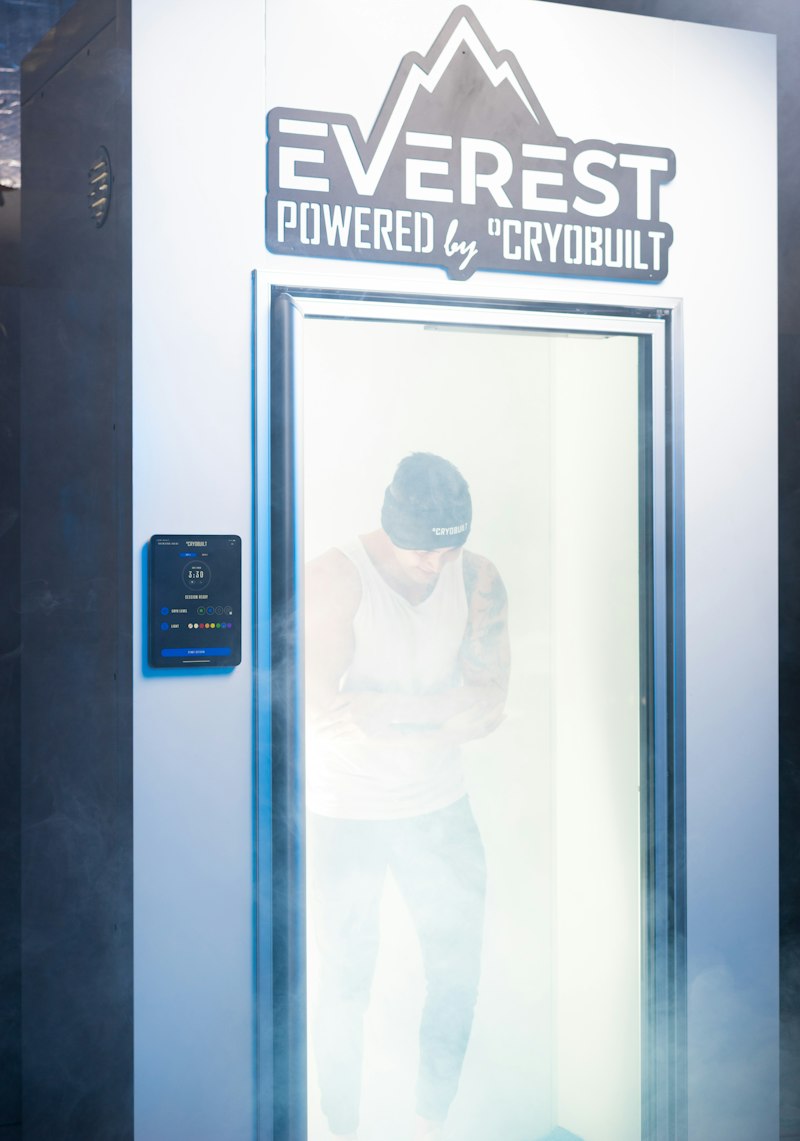
Cryotherapy, derived from the Greek words kryos (cold or icy) and therapeia (healing), is defined as the utilization of frigid temperatures for therapeutic impact. This modality spans a broad range of applications, from localized application of ice packs to highly sophisticated Whole Body Cryotherapy (WBC) chambers that expose the body to temperatures often dipping below -100°C (-148°F). While historically associated with localized pain relief and inflammation reduction, modern practice increasingly recognizes cryotherapy as a systemic intervention capable of eliciting profound neurobiological and psychological responses, positioning it as a dynamic tool in integrated medicine. The primary goal across all forms of cryotherapy is to leverage the body’s natural physiological reaction to extreme cold to promote healing, manage pain, and enhance overall systemic recovery.
The evolution of therapeutic cold exposure has transitioned significantly from simple topical cooling, frequently employed in the initial management of acute musculoskeletal injuries, into complex systemic treatments. Whole Body Cryotherapy, which typically involves brief exposure (two to four minutes) to super-cooled, nitrogen-cooled air, induces a rapid, non-invasive cooling of the skin surface. This rapid thermal shock triggers a powerful sympathetic nervous system response, leading to immediate peripheral vasoconstriction followed by rebound vasodilation upon exiting the chamber. Crucially, this systemic response initiates cascades that influence not only physical recovery but also mood regulation, stress response pathways, and, most notably, the central processing of pain signals, making it relevant to psychological health.
Understanding cryotherapy requires acknowledging its dual impact: physical relief through reduced inflammation and edema, and psychological benefit derived from altered pain perception and neurochemical release. The therapeutic intent extends beyond merely treating tissue damage; it seeks to improve the limits to which one can tolerate pain and discomfort, a critical element in rehabilitation and chronic pain management. This physiological challenge, administered in a controlled environment, stimulates the release of endogenous opioids and catecholamines, contributing to an immediate sense of well-being and alertness, effects that are highly valued in both competitive sports medicine and clinical psychology settings.
Mechanisms of Action (Physiological Basis)
The physiological foundation of cryotherapy relies on the immediate and powerful homeostatic response of the body to extreme thermal stress. Upon exposure to intense cold, the body initiates a defense mechanism designed to protect vital organs by maintaining core temperature. This response is primarily mediated by the sympathetic nervous system, leading to rapid and significant peripheral vasoconstriction. This narrowing of blood vessels in the extremities reduces blood flow to the skin and underlying tissues, which serves to decrease cellular metabolism, limit tissue oxygen demand, and, critically, restrict the release of inflammatory mediators (such as prostaglandins and bradykinins) at the site of injury or inflammation. This acute systemic vasoconstriction is key to minimizing swelling and secondary tissue damage following trauma.
Following the brief, intense cold exposure, the body undergoes a rapid rewarming phase, leading to a robust phenomenon known as reactive hyperemia or vasodilation. This process flushes the tissues with oxygenated blood, carrying away metabolic waste products and potentially reducing oxidative stress markers. Furthermore, the intense cold exposure is hypothesized to modulate immune function. Research suggests that controlled thermal stress may induce beneficial changes in circulating immune cell populations, contributing to a systemic anti-inflammatory effect that persists long after the session concludes. This reduction in systemic inflammation is particularly relevant for conditions characterized by chronic widespread pain and elevated inflammatory markers.
A pivotal element of cryotherapy’s efficacy, especially concerning its psychological benefits, lies in its neurobiological impact on pain signaling. The intense and sudden cooling of cutaneous nerve endings dramatically slows the conduction velocity of peripheral nerves. This inhibitory effect specifically targets A-delta and C-fibers, which are responsible for transmitting sharp and dull pain signals, respectively. By overwhelming and temporarily desensitizing these thermal and pain receptors, cryotherapy effectively interrupts the pain-spasm-pain cycle. This rapid sensory input modulation aligns conceptually with aspects of the Gate Control Theory of Pain, where non-nociceptive input (the intense cold sensation) overrides the transmission of nociceptive signals, thereby providing potent, though temporary, analgesia and increasing the individual’s threshold for discomfort.
Applications in Sports Medicine and Rehabilitation
Cryotherapy is perhaps most widely recognized and utilized in the field of sports medicine, where it plays a critical role in expediting recovery and managing acute injuries. Traditionally, localized cryotherapy (icing) has been a cornerstone of the R.I.C.E. (Rest, Ice, Compression, Elevation) protocol for acute musculoskeletal trauma, effectively reducing pain and limiting edema. However, the advent of Whole Body Cryotherapy has broadened its application, allowing athletes to target systemic recovery, particularly in the management of Delayed Onset Muscle Soreness (DOMS) following intensive training or competition. By reducing inflammatory markers and muscle enzyme leakage associated with microtrauma, WBC helps athletes maintain high training volumes and decreases required rest periods.
Elite athletes frequently incorporate WBC into their daily training regimens, typically involving short exposures lasting between two and four minutes. The perceived benefits extend beyond mere physical recovery; there is a significant psychological component. Many athletes report feelings of revitalization, enhanced mental alertness, and a profound reduction in perceived fatigue immediately following a session. This subjective experience of rapid recovery is invaluable, as it positively reinforces adherence to rigorous training schedules and enhances the athlete’s psychological readiness and belief in their physical resilience, contributing directly to competitive performance and injury prevention strategies. The systematic application aids in maintaining consistent physical and mental conditioning throughout demanding seasons.
In rehabilitation settings, the analgesic effects of cryotherapy are strategically employed to facilitate aggressive physical therapy. By temporarily reducing pain and decreasing muscle viscosity and spasticity, patients are able to achieve a greater range of motion and participate more actively in therapeutic exercises that might otherwise be too painful. This increased tolerance for movement is essential for structural healing and functional restoration. Furthermore, the systematic reduction in inflammatory load, achievable through WBC, can be beneficial in managing chronic conditions that impede athletic performance, such as persistent tendonitis or overuse syndromes, providing a non-pharmacological means to manage symptoms and accelerate the return to optimal function.
Psychological Effects: Mood and Well-being
The intense, controlled stressor imposed by extreme cold exposure triggers a substantial neurochemical response that profoundly impacts mood and psychological well-being. The immediate systemic shock activates the body’s fight-or-flight response, resulting in a significant surge of catecholamines, including epinephrine and norepinephrine, which are potent neurohormones responsible for alertness and energy mobilization. Simultaneously, the body releases endorphins—endogenous opioid peptides—which act as natural pain suppressors and mood elevators. This combination results in the common subjective experience of euphoria, heightened energy, and a significant improvement in affective state observed immediately following a cryotherapy session.
Beyond the immediate post-session mood boost, research suggests that repeated cryotherapy exposure may have cumulative benefits in modulating psychological distress, particularly symptoms associated with anxiety and depression. It is hypothesized that the intense, repeated stimulation of the sympathetic nervous system and the subsequent activation of the hypothalamic-pituitary-adrenal (HPA) axis—the body’s central stress response system—may lead to beneficial adaptive changes over time. By exposing the body to a controlled, non-pathological stressor, cryotherapy may help to recalibrate the HPA axis, potentially normalizing the production and regulation of stress hormones like cortisol, thereby improving the individual’s ability to cope with psychological stressors.
The psychological benefits are also linked to the concept of hormesis, where a low dose of an otherwise harmful agent (in this case, extreme cold) stimulates adaptive and beneficial responses. Successfully enduring the intense, brief cold experience can be psychologically empowering, contributing to increased self-efficacy and resilience. The ability to voluntarily tolerate discomfort reinforces a sense of control over one’s physiological and emotional responses. This feeling of mastery, combined with the observed neurochemical alterations, makes cryotherapy an intriguing adjunctive therapy for conditions requiring improved affective regulation and enhanced capacity for stress management.
Pain Management and Perception
One of the most compelling features of therapeutic cold is its capacity to significantly affect the subjective experience of pain, effectively heightening the limits to which one can tolerate pain. Cryotherapy achieves this analgesia through several interconnected mechanisms. Physiologically, the intense cold slows peripheral nerve conduction, acting as a temporary block on pain signals traveling to the central nervous system. Furthermore, it decreases muscle spindle activity, reducing muscle spasm and stiffness, which are often major contributors to both acute and chronic pain cycles. This physical relief establishes a critical window of opportunity for effective, pain-free physical rehabilitation.
The psychological dimension of pain perception is crucial. Pain is not solely a physical sensation but a complex, subjective interpretation influenced by emotional state, expectation, and environment. By utilizing cryotherapy to simultaneously reduce the physical inflammatory source of nociception and induce a positive shift in mood through endorphin release, the therapy addresses both the sensory and affective components of pain. This dual-action approach can be particularly beneficial for breaking the vicious cycle of chronic pain, where persistent discomfort leads to anxiety, depression, and subsequent increased sensitivity to pain signals (hyperalgesia).
In treating chronic widespread pain conditions, such as fibromyalgia, rheumatoid arthritis, or chronic low back pain, systemic cryotherapy offers a non-invasive modality for temporary relief. While it does not cure the underlying pathology, the generalized decrease in inflammation and muscle tenderness can provide patients with meaningful periods of reduced suffering. This relief often translates into substantial improvements in daily functioning, enhanced mobility, and, critically, improved sleep quality, which is frequently compromised in chronic pain sufferers. By offering a sustainable reduction in symptoms without the reliance on long-term pharmacological interventions, cryotherapy supports a holistic approach to chronic pain management and enhances the patient’s overall quality of life.
Clinical and Dermatological Uses
Beyond its applications in athletic recovery and systemic pain management, cryotherapy is a fundamental technique in clinical dermatology and oncology, specifically through procedures known as cryosurgery or cryoablation. In these highly localized applications, extreme cold, typically generated by liquid nitrogen or argon gas, is delivered precisely to targeted pathological tissue. The goal is to induce controlled cellular destruction (necrosis) by rapidly freezing the water within the cells, leading to ice crystal formation that disrupts cellular membranes and organelles. This method is frequently and effectively used for the removal of benign growths, such as skin tags and, as noted in earlier clinical contexts, the destruction of common warts (verrucae).
The precision of modern cryoablation has expanded its use into internal medicine, providing minimally invasive treatment options for various tumors and lesions within the body, including cancers of the prostate, liver, and kidney, as well as in the management of cardiac arrhythmias. In these complex medical procedures, specialized probes are guided via imaging techniques to the target site, where they generate extreme cold to destroy abnormal tissue while minimizing damage to surrounding healthy structures. This demonstrates cryotherapy’s versatility as a powerful destructive force when applied intensely and locally, contrasting sharply with the systemic, brief exposure used for recovery and mood enhancement.
Furthermore, localized cryotherapy plays a role in managing inflammatory skin conditions. Dermatologists may utilize controlled cooling to reduce inflammation and pruritus (itching) associated with conditions like psoriasis, eczema, or severe acne. By inducing vasoconstriction and reducing metabolic activity in the localized area, the cold application helps to calm acute flare-ups. This targeted anti-inflammatory action provides symptomatic relief and complements other topical or systemic treatments, reinforcing the principle that controlled thermal manipulation offers diverse therapeutic benefits across different medical specialties, driven by both vascular and neurological mechanisms.
Safety, Risks, and Contraindications
While cryotherapy, particularly Whole Body Cryotherapy, is generally considered safe when administered correctly, the use of extreme temperatures necessitates strict adherence to safety protocols to mitigate potential risks. The primary immediate risks involve localized injury, such as cold burns, frostbite, or thermal injury, especially if jewelry or wet clothing remains on the skin. Therefore, mandatory protective gear, including dry socks, gloves, and specialized footwear, is essential to shield extremities where blood circulation is inherently reduced. Additionally, precautions must be taken to protect the respiratory tract and eyes from the extremely cold, dry air or the nitrogen vapor used as the cooling agent.
Crucial contraindications exist that preclude certain individuals from undergoing systemic cryotherapy. Due to the intense vasoconstriction and sympathetic activation induced by the extreme cold, individuals with severe cardiovascular compromise, such as uncontrolled hypertension, recent myocardial infarction, unstable angina, or peripheral arterial occlusive disease, should avoid WBC. Other contraindications include known cold allergy (cold urticaria), severe anemia, certain neuropathies, pregnancy, and Raynaud’s phenomenon, as these conditions are exacerbated by rapid and extreme temperature changes, potentially leading to adverse health outcomes.
The importance of professional supervision and proper facility standards cannot be overstated. Sessions must be timed precisely, and operators must be trained to recognize signs of adverse reactions. In WBC units utilizing nitrogen gas, proper ventilation is paramount. Nitrogen displaces oxygen, and if chambers are poorly ventilated or if the client’s head is completely submerged in nitrogen vapor, there is a risk of asphyxiation or hypoxia. Therefore, adherence to established guidelines, vigilant monitoring of the client, and ensuring that the head remains above the nitrogen vapor line (in open-top chambers) are fundamental safety requirements for maximizing therapeutic benefit while minimizing inherent risks associated with extreme thermal exposure.
Future Directions and Research
The burgeoning scientific interest in cryotherapy is increasingly focused on its potential beyond muscular recovery, exploring its complex interactions with the nervous system and psychiatric health. Emerging research is investigating the use of cryotherapy as an adjunctive treatment for conditions linked to chronic inflammation and neurological dysfunction, such as post-traumatic stress disorder (PTSD), chronic fatigue syndrome (CFS), and even early-stage neurodegenerative diseases. The theoretical basis for this lies in the observed anti-inflammatory effects and the potential for cold exposure to stimulate neuroprotective mechanisms, possibly through the induction of cold shock proteins and improved cerebral blood flow regulation.
A significant challenge currently facing the field is the lack of standardization in therapeutic protocols. Research studies often vary widely in terms of temperature used (ranging from -80°C to -140°C), duration of exposure, and frequency of sessions. This variability makes direct comparison of study outcomes difficult and hinders the establishment of evidence-based guidelines for optimal dosing for specific psychological or physiological outcomes. Future research must prioritize establishing consensus protocols to determine the most effective parameters (e.g., the minimum effective cold dose) required to maximize therapeutic benefit across diverse populations while ensuring safety and repeatability.
In conclusion, cryotherapy represents a powerful intersection between physical intervention and psychological consequence. Its efficacy stems from a sophisticated modulation of pain perception, systemic inflammation, and fundamental mood chemistry. As research continues to elucidate the complex neurobiological pathways involved, cryotherapy is cementing its position not merely as a tool for sports recovery, but as a dynamic, non-pharmacological modality with significant potential for enhancing human resilience, managing chronic pain, and supporting overall mental and physical well-being in the broader context of integrated health care.