Lithotherapy: The Psychology of Crystal Healing
Scientifically Reviewed · Dr. Marwa Abd-Alazim · August 25, 2026
Review Criteria & Clinical Standards
This content undergoes rigorous scientific peer-review and medical editorial standards at Arab Psychology Network to ensure clinical accuracy, validity, and compliance with evidence-based guidelines from leading psychological and healthcare authorities (APA / WHO).
Introduction to Crystal Healing
Crystal healing constitutes a diverse array of complementary and alternative medicine practices focused on utilizing the purported energetic properties of minerals and gemstones to influence the human biofield, thereby promoting physical, emotional, and spiritual wellness. It is fundamentally defined as a semi-scientific medicinal practice wherein the alleged vibrational power inherent to specific crystals is believed to impact the human energy plane, or aura and chakra system, ultimately utilized to remedy cognitive dysfunctions, emotional imbalances, or specific physical injuries and illnesses. Proponents of this methodology assert that the structured molecular geometry of crystals allows them to emit specific frequencies capable of harmonizing or purifying the body’s intrinsic energy flow, acting as conduits or amplifiers for healing energies. This introductory perspective immediately positions crystal healing outside the rigorous framework of conventional, evidence-based medicine, necessitating a thorough examination of its historical roots, theoretical underpinnings, and empirical status within modern healthcare discourse.
The practice assumes a fundamental interconnectedness between mineral composition and biological state. Each crystal, due to its unique formation process involving pressure, heat, and elemental inclusion, is assigned specific therapeutic attributes. For instance, quartz is frequently associated with amplification and clarity, while amethyst is often linked to spiritual tranquility and stress reduction. These associations dictate how practitioners select and deploy the stones, which may involve placing them directly on the body, arranging them in specific geometric patterns (such as grids), carrying them as talismans, or using them during meditation and visualization exercises. The complexity of crystal selection and placement suggests a sophisticated, albeit non-conventional, diagnostic process centered on identifying energetic deficiencies or blockages that the crystal is intended to address or resolve.
While often categorized broadly within the domain of New Age spirituality in Western cultures, crystal healing maintains significant ties to ancient medical traditions and philosophical concepts regarding vital energy, or prana or chi. The formal, systematic approach often employed by practitioners, including detailed charting of the patient’s energetic landscape, lends the practice its designation as semi-scientific. This label acknowledges the formalized methodologies, extensive literature, and practitioner training programs that exist, even as the core premise—that inert crystals possess the ability to transfer therapeutic energy to biological systems—lacks validation through standardized scientific testing and peer-reviewed clinical trials. Therefore, understanding crystal healing requires navigating the intersection of established cultural beliefs, anecdotal evidence, and the stringent demands of modern medical scrutiny.
Historical Origins and Philosophical Development
The use of gemstones and crystals for medicinal and protective purposes is not a modern phenomenon but rather an activity deeply embedded in human history, stretching back to ancient civilizations across multiple continents. Records indicate that Sumerians utilized crystals in magical formulations, and the ancient Egyptians incorporated stones like lapis lazuli and carnelian into jewelry and burial rites for protection and health. Similarly, traditional Chinese medicine and Ayurvedic practices in India have long acknowledged the therapeutic potential of minerals, often grinding them into powders or placing them strategically during acupuncture or meditation sessions. These historical precedents demonstrate a longstanding cultural belief that the Earth’s mineral kingdom holds intrinsic power relevant to human well-being, forming the foundational philosophy upon which contemporary crystal healing is built.
During the classical Greek and Roman eras, prominent thinkers, including Pliny the Elder, documented the perceived properties of various gems, often blending practical observation with mythological attribution. The medieval period saw the continuation of these practices, often synthesized with European folklore and early alchemical pursuits. However, the modern resurgence and formalization of crystal healing as a distinct therapeutic modality largely occurred during the late 19th and early 20th centuries, coinciding with the rise of spiritualism, Theosophy, and the exploration of subtle energy fields. This period introduced concepts such as magnetic healing and the human aura, which provided a pseudoscientific framework necessary to transition crystal use from simple talismanic protection into a structured, purportedly therapeutic intervention.
Crucially, the development of crystal healing has been significantly influenced by Eastern philosophical traditions, particularly those focusing on the concept of subtle energy anatomy. The introduction and popularization of the chakra system—a framework originating in Hindu and Buddhist texts describing seven primary energy centers along the spine—provided contemporary crystal healers with a precise topographical map for applying stones. This mapping allows practitioners to link specific colors and types of crystals (e.g., red stones for the Root Chakra, purple stones for the Crown Chakra) to corresponding physiological and psychological functions. This integration of ancient Eastern energetic models with Western holistic approaches solidified the theoretical structure necessary for widespread practice in the modern era, particularly influencing its prevalence in alternative medicine circles.
Theoretical Foundation: The Human Energy Plane
The efficacy of crystal healing rests entirely upon the theoretical existence and manipulation of the human energy plane, commonly referred to as the biofield, which is believed to encompass the aura and the chakra system. Proponents assert that the human body is not merely a collection of organic matter but is permeated and surrounded by a vibrational energy field that dictates physical health and mental clarity. Illness, in this context, is not viewed solely as a biological malfunction but as a manifestation of energetic blockage or imbalance within this subtle system. Crystals are hypothesized to function as highly stable oscillators, possessing a perfect, unchanging molecular lattice that allows them to transmit specific, beneficial frequencies, thereby restoring equilibrium to the patient’s chaotic or depleted biofield.
The concept of resonance is central to this theoretical model. Just as a tuning fork can cause another object tuned to the same frequency to vibrate, crystals are thought to resonate with the specific frequencies required by different organs or energy centers. For example, if the Heart Chakra (associated with emotional balance and circulation) is deemed stagnant, a practitioner might apply a green crystal, such as jade or aventurine, believing that the stone’s intrinsic vibration will “tune” the chakra back to its optimal frequency. This therapeutic interaction is often described by practitioners in terms of physics—specifically piezoelectricity or light refraction—even though the application of these concepts in biological systems remains purely theoretical and lacks empirical measurement or validation by standard physical sciences.
Furthermore, the aura, depicted as a multi-layered electromagnetic field surrounding the body, is also considered a primary target for crystal intervention. Practitioners claim to be able to visually or intuitively assess the color, density, and flow of a patient’s aura to diagnose energetic deficiencies. Crystals are then placed either on or near the body to cleanse, strengthen, or repair purported tears or weaknesses in this field. The theoretical framework thus requires a complete acceptance of a non-materialist view of human biology, where subtle energy fields are the primary drivers of health, and inert mineral structures are the ideal tools for managing these fields, positioning the practice firmly within the domain of energetic medicine.
Mechanisms of Action and Semi-Scientific Critique
When discussing the mechanisms by which crystal healing is purported to operate, practitioners frequently invoke scientific terminology, leading to the designation of the practice as semi-scientific. Terms such as vibration, frequency, resonance, and energy transfer are used to articulate the therapeutic process. For instance, the crystalline structure of quartz is highly ordered, and it exhibits the property of piezoelectricity—generating an electric charge when subjected to mechanical stress. Proponents extrapolate this known physical property to suggest that crystals can interact with and stabilize the subtle, electrical impulses within the human body, specifically targeting cellular communication or neurological pathways, despite the fact that the practical application of ambient, non-stressed crystals to the skin does not typically generate measurable biological effects beyond baseline electrical activity.
A critical scientific perspective, however, highlights the fundamental disconnect between the terminology used and empirical reality. While concepts like energy fields and frequency are central to physics, the “human energy plane” as defined by crystal healing lacks standardized, measurable characteristics utilizing conventional scientific instruments. Studies designed to detect the subtle energy purportedly emitted by crystals or transferred to patients have consistently failed to yield results reproducible under controlled conditions. The primary critique is twofold: first, there is no scientific evidence demonstrating that crystals possess a therapeutic vibrational frequency that can be reliably transferred to biological systems; and second, the claims regarding the diagnosis of energetic blockages rely heavily on subjective interpretation rather than objective, verifiable data, thus failing the basic criteria of empirical validation.
The most robust explanation for the perceived positive effects of crystal healing within the scientific community is the placebo effect. The ritualistic setting, the focused attention of the practitioner, the aesthetic appeal of the stones, and the patient’s existing belief system combine to create a powerful expectation of healing. This expectation can trigger genuine, measurable physiological responses, such as reductions in perceived pain, decreased anxiety, and enhanced feelings of well-being, mediated through the release of endorphins and modulation of the autonomic nervous system. Therefore, while patients often report significant symptomatic improvement, the evidence suggests that the mechanism of action lies in the psychological and contextual elements of the therapy, rather than any intrinsic, energetic property of the crystal itself.
Common Applications and Associated Crystals
Crystal healing is applied across a wide spectrum of purported ailments, ranging from mild stress and sleep disturbances to chronic pain and emotional trauma. The specific crystal chosen depends on the desired outcome and the energetic system (chakra) targeted. Practitioners utilize an extensive lexicon of stones, each assigned specific attributes based on color, mineral composition, clarity, and historical association. A systematic approach often involves selecting crystals to align with the seven major chakras, ensuring a comprehensive energetic intervention. For addressing physical ailments, stones are often placed directly on or near the affected area, while psychological issues typically require placement related to the head (Crown or Third Eye Chakras) or the chest (Heart Chakra).
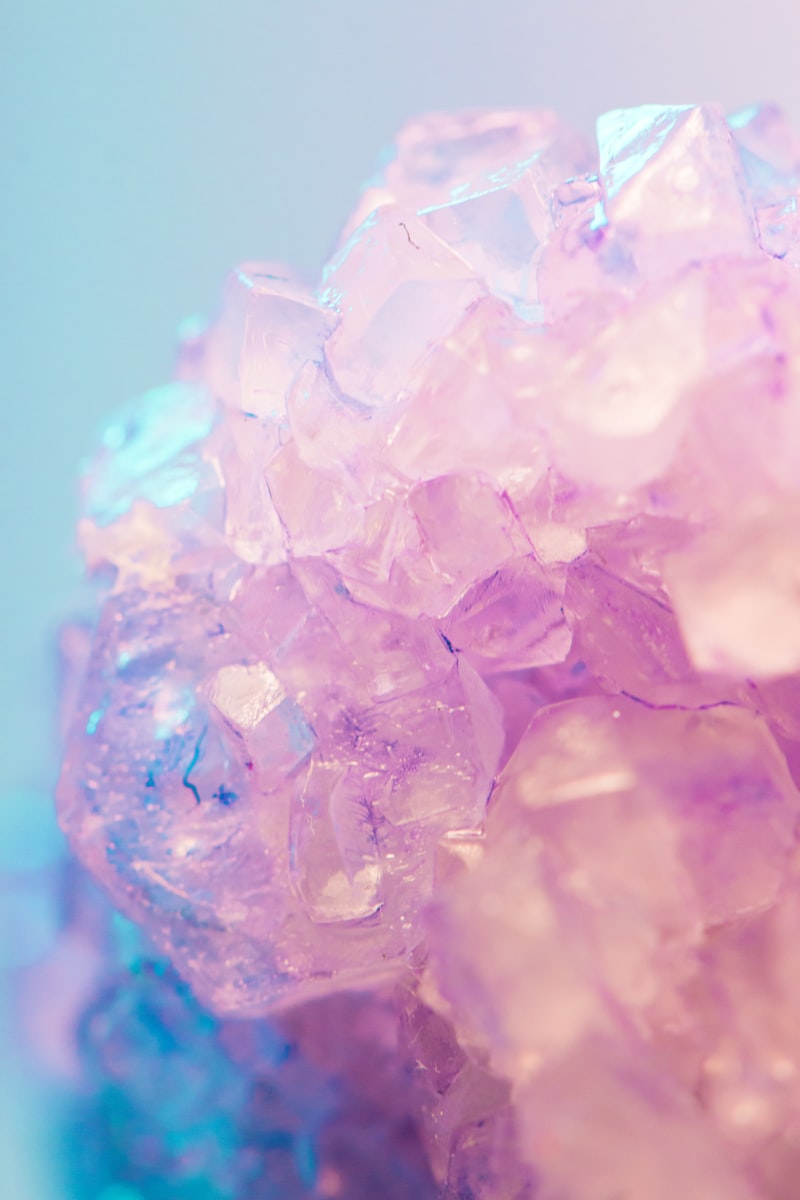
A non-exhaustive list of commonly employed crystals and their traditional uses illustrates the diversity of the practice. Amethyst, a purple variety of quartz, is highly valued for promoting calm, reducing anxiety, and enhancing spiritual awareness, often used for sleep issues and meditation. Rose Quartz, pink in hue, is universally associated with the Heart Chakra, utilized for fostering self-love, compassion, and healing emotional wounds. Furthermore, Citrine, a yellow or orange crystal, is frequently linked to the Solar Plexus Chakra and is believed to attract abundance, success, and personal power. These associations are crucial, as the practitioner’s knowledge of this complex mineral taxonomy dictates the treatment protocol for any given patient presentation.
The application methods are varied and tailored to individual needs. Besides direct placement, crystals are often used in the preparation of elixirs, wherein the stone is placed in water, and the resulting liquid is consumed or used for bathing, based on the belief that the water absorbs the crystal’s energetic signature. Another popular method involves creating crystal grids, intricate geometric layouts of multiple stones designed to amplify and direct energy flow towards a specific intention, such as protection or manifestation. Moreover, crystal massage wands and tools are commonly used to apply pressure or sweep the aura, aiming to physically and energetically clear blockages within the patient’s biofield, emphasizing the versatility and adaptable nature of the modality within alternative health frameworks.
Modern Popularity and Cultural Context
Despite the absence of conventional scientific support, crystal healing has experienced a massive surge in popularity since the late 20th century, becoming a prominent feature of the wellness and holistic health industries globally. This rise is partly attributable to a growing cultural interest in non-conventional approaches to health, a generalized distrust of pharmaceutical solutions, and the increasing accessibility of information regarding Eastern and indigenous healing practices. The aesthetic appeal of crystals, coupled with their strong connection to personal introspection and self-care rituals, has also contributed to their integration into mainstream consumer culture, extending their use far beyond clinical therapeutic settings into jewelry, home decor, and meditation aids.
The observation that Crystal healing methods are more popular in eastern medicine practices holds historical weight, though the contemporary popularity is truly global. While ancient Eastern systems incorporated minerals, modern adoption has seen significant synthesis. In Asia, traditional practices often integrate specific mineral use with established frameworks like Ayurveda, where mineral preparations (bhasmas) are utilized internally. In contrast, the Western popularization often focuses on the external, energetic application tied heavily to the New Age movement and the concept of self-empowerment through vibrational healing. This cultural diffusion has led to a highly commercialized market, driving demand for rare and exotic stones and necessitating guidelines regarding ethical sourcing and environmental impact.
The rise of social media and influencer culture has further accelerated the practice’s visibility, transforming crystals from niche therapeutic tools into desirable lifestyle accessories. This mass appeal, however, presents challenges regarding standardization and quality control. Unlike regulated medical professions, crystal healing practitioners operate with widely varying levels of training and adherence to formalized protocols. Consumers must navigate a vast market where claims of efficacy are often sensationalized, highlighting the need for critical engagement and understanding that these practices function as complementary supports rather than definitive medical treatments for serious conditions, reinforcing the advisory to prioritize evidence-based medical care.
Clinical Efficacy and Scientific Evaluation
Scientific investigation into the objective efficacy of crystal healing has generally concluded that any observed benefits are attributable to psychological mechanisms, specifically the powerful impact of the placebo effect. Rigorous, double-blind studies designed to differentiate the effects of genuine crystals from inert, synthetic stones (placebos) have consistently shown that participants report similar subjective improvements regardless of the stone used. One landmark study involved participants holding either a genuine crystal or a convincing glass placebo while meditating; results indicated that feelings of warmth, reduced anxiety, and enhanced well-being were reported equally by both groups, suggesting that belief and expectation are the primary active ingredients, not the mineral structure itself.
The challenge in formally evaluating crystal healing lies in the subjective nature of its claims. While conventional medicine relies on objective, measurable biomarkers (e.g., blood pressure, tumor size, chemical assays), crystal healing aims to resolve energetic blockages, a phenomenon currently outside the scope of standardized quantitative measurement. Critics argue that until a reliable and reproducible method for detecting and measuring the “human energy plane” is developed, claims of therapeutic efficacy must remain unsubstantiated. Furthermore, the inherent variability in practitioner approach—including stone placement, duration of treatment, and interpretation of energetic diagnosis—makes the creation of standardized clinical trials extremely difficult, complicating efforts to move the practice from anecdotal evidence to empirical validation.
Therefore, the medical consensus is that crystal healing should not be utilized as a primary treatment for serious physical or psychological illnesses. While the practice may offer psychological comfort, stress reduction, and a sense of empowerment, its role is strictly supportive. Healthcare providers emphasize that patients should continue conventional medical treatment for diagnosed conditions, viewing crystal healing as a complementary tool for managing the emotional and spiritual aspects of well-being. Failure to adhere to evidence-based medical advice in favor of relying solely on crystal therapy can lead to delays in appropriate treatment, potentially resulting in adverse health outcomes.
Ethical Considerations and Consumer Safety
The ethical landscape surrounding crystal healing primarily revolves around informed consent, practitioner competence, and the avoidance of medical misrepresentation. Because the practice lacks regulatory oversight comparable to licensed medical fields, consumers must exercise diligence in vetting practitioners. Ethical practice dictates that crystal healers must clearly communicate the non-scientific nature of their work and avoid making definitive medical claims that supersede conventional diagnoses or treatments. The most significant ethical concern is the risk of ‘substitution harm,’ where a patient, deeply committed to the energetic modality, foregoes necessary, evidence-based medical intervention—such as chemotherapy for cancer or psychiatric medication for severe depression—in favor of crystal-based treatments, leading to detrimental health consequences.
Consumer safety also extends to the physical sourcing and potential toxicity of the materials themselves. Certain minerals used in crystal healing contain toxic elements; for example, cinnabar contains mercury, and galena contains lead. While external contact is generally safe, practices involving the creation of crystal elixirs by placing stones directly into water pose a genuine risk of leaching toxic substances into the consumable liquid. Responsible practitioners must be educated on mineral safety and advise clients accordingly, utilizing indirect methods (such as placing the crystal outside the water container) when dealing with potentially hazardous stones to mitigate ingestion risks.
Finally, the environmental and labor ethics associated with crystal mining are increasingly scrutinized. The global demand for crystals has fueled mining operations that sometimes involve unsustainable practices, environmental degradation, and questionable labor standards, particularly concerning rare or highly sought-after specimens. Ethical consideration now requires practitioners and consumers to consider the provenance of the stones, favoring suppliers who adhere to fair trade principles and environmentally responsible sourcing. This shift reflects a broader commitment within the holistic health community to ensure that wellness practices are not only beneficial to the individual but also ethically sound and sustainable for the planet.