Neuroimaging: Mapping the Architecture of the Mind
Scientifically Reviewed · Dr. Marwa Abd-Alazim · August 25, 2026
Review Criteria & Clinical Standards
This content undergoes rigorous scientific peer-review and medical editorial standards at Arab Psychology Network to ensure clinical accuracy, validity, and compliance with evidence-based guidelines from leading psychological and healthcare authorities (APA / WHO).
Introduction and Definition of Computed Tomography (CT)
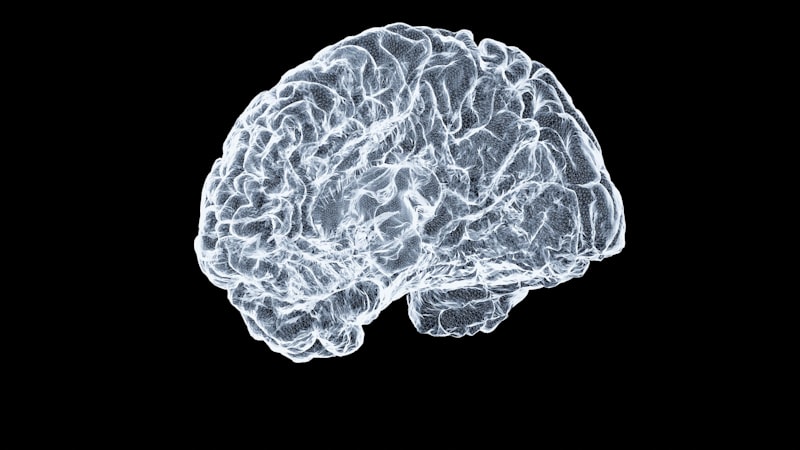
The term CT Scan serves as the widely recognized abbreviation for Computed Tomography Scan, representing a sophisticated medical imaging technique that has fundamentally transformed diagnostic capabilities across numerous medical disciplines, including neurology and psychological assessment. Unlike conventional two-dimensional X-rays, which rely solely on projection, CT technology employs specialized X-ray equipment coupled with advanced computational algorithms to generate detailed, cross-sectional images, often referred to as ‘slices,’ of the body’s internal structures. This detailed sectional view provides clinicians with invaluable anatomical information, allowing for precise localization of both normal and pathological tissues. The core strength of the CT approach lies in its ability to differentiate subtle variations in tissue density, which is crucial for identifying structural abnormalities within the central nervous system, thereby playing a critical, though often foundational, role in the initial diagnostic phase for many neuropsychological disorders.
Historically, the advent of Computed Tomography marked a significant paradigm shift in non-invasive diagnosis, moving away from exploratory surgery and providing internal visualization previously unattainable without physical intervention. This technique synthesizes hundreds or even thousands of individual X-ray projections taken from various angles around the patient’s body. These raw data points are then processed by a powerful computer, using complex mathematical reconstructions, to create the final image mosaic. The resultant images are displayed as gray-scale representations, where the brightness corresponds directly to the tissue density; for instance, dense structures like bone appear white, air appears black, and soft tissues, such as the brain parenchyma, appear in varying shades of gray. Understanding these density differences is paramount for interpreting the findings relevant to psychological states linked to structural brain damage or malformation.
While often associated primarily with general medicine—such as the detection of internal bleeding, fractures, or, as illustrated by the classic example, identifying calculi like kidney stones in the ureters—the contribution of CT technology to neuroscience and clinical psychology cannot be overstated. When a patient presents with sudden neurological symptoms, such as acute confusion, severe headaches, or signs of stroke, a CT scan is frequently the first line of defense. Its speed and accessibility make it indispensable for ruling out critical, immediate threats, such as hemorrhagic strokes or significant mass lesions that might be contributing to or mimicking a psychological or psychiatric presentation. Consequently, every professional working in the mental health field must possess a foundational understanding of what CT imaging reveals and, crucially, what its limitations are when evaluating complex behavioral and cognitive phenomena.
Historical Development and Core Principles
The concept of Computed Tomography was largely pioneered by Sir Godfrey Hounsfield of EMI Laboratories in the United Kingdom and Dr. Allan McLeod Cormack, a physicist from Tufts University, both of whom were jointly awarded the Nobel Prize in Physiology or Medicine in 1979 for their groundbreaking work. Hounsfield developed the first commercially viable CT scanner in the early 1970s, initially focusing on imaging the brain, a structure notoriously difficult to visualize clearly using traditional X-ray techniques due to the surrounding dense skull. Before the CT scanner, diagnostic procedures for intracranial issues were highly invasive and dangerous, often involving injecting air or contrast dyes directly into the cerebrospinal fluid pathways. The introduction of the CT scanner immediately offered a safe, non-invasive alternative, revolutionizing the fields of neurosurgery and neurology overnight and providing the first clear, detailed views of the living human brain structure.
The foundational principle upon which CT scanning operates is the quantitative measurement of X-ray attenuation. When X-rays pass through the body, different tissues absorb or attenuate the radiation to varying degrees. Bone, being highly dense, causes high attenuation, while fluid and air cause low attenuation. The scanner rotates an X-ray source around the patient, taking thousands of measurements (projections) as the beam passes through the body slice. These measurements quantify how much of the X-ray beam was absorbed along its path. A sophisticated mathematical algorithm, often a variation of the filtered back-projection technique, then uses these attenuation profiles to reconstruct a two-dimensional image. This process effectively maps the density of the tissues within that specific cross-sectional plane, providing the high level of detail necessary for clinical diagnosis.
Key to standardizing the interpretation of CT images is the Hounsfield Unit (HU) scale. Named after the pioneering inventor, the Hounsfield scale is a quantitative, linear scale that correlates the computed tissue attenuation coefficients to a standardized value. By convention, water is assigned a value of 0 HU, air is approximately -1000 HU, and dense cortical bone is around +1000 HU or higher. Gray matter and white matter in the brain typically fall within a narrow range between +30 and +45 HU. This standardization is critical for clinical decision-making, as specific pathological conditions manifest with characteristic HU values. For example, acute hemorrhage (fresh blood) appears hyperdense (brighter, higher HU) than surrounding brain tissue, making it immediately visible and distinguishable, which is essential for rapid management of conditions like traumatic brain injury or hemorrhagic stroke.
Mechanism of Operation and Image Acquisition
The operational mechanism of a modern CT scanner involves several synchronized components working in concert to acquire and process data. The core of the machine is the gantry, a large donut-shaped structure that houses the X-ray tube and the detectors. During a scan, the patient is moved incrementally through the gantry while the X-ray tube and the opposing detector array rotate rapidly around them. This rotation ensures that X-ray projections are captured from a full 360-degree range. Early CT scanners employed a ‘slice-by-slice’ approach, which was slow, but modern scanners utilize helical or spiral CT technology, where the patient table moves continuously while the gantry rotates. This spiral motion allows for faster coverage of large anatomical areas, significantly reducing scan time and minimizing motion artifacts, which is particularly useful when scanning uncooperative or acutely distressed patients.
The detectors, typically solid-state scintillation detectors, convert the transmitted X-rays into electrical signals. These signals are then digitized and transmitted to the computer console. The quality and resolution of the final image depend heavily on the number of detectors, leading to the development of Multi-Detector Array CT (MDCT). Modern MDCT scanners can possess 64, 128, or even 320 detector rows, allowing them to acquire multiple slices simultaneously during a single rotation. This enhancement drastically improves the spatial resolution—the ability to distinguish small structures—and temporal resolution—the ability to capture rapid biological processes or minimize movement blur. For neuroimaging, high spatial resolution is vital for assessing subtle lesions, microbleeds, or structural changes associated with neurodegenerative diseases, which may correlate with observed psychological deficits.
Often, a contrast agent, usually iodine-based, is administered intravenously to enhance the visualization of specific tissues, particularly blood vessels (a procedure known as CT angiography) or highly vascularized tumors. The contrast medium temporarily increases the density of the blood and tissues where the blood-brain barrier is compromised, making these areas appear significantly brighter (hyperdense) on the resulting image. This enhancement technique is crucial in the differential diagnosis of various conditions encountered in neuropsychology, such as differentiating between a benign cyst and a malignant tumor, or identifying active inflammation or infection within the brain parenchyma, which could be the underlying cause of acute cognitive or psychological distress.
Primary Applications in Neuroscience and Neurology
The primary utility of the CT scan in neuroscience lies in its unparalleled speed and efficacy in emergency situations. It remains the gold standard for rapid assessment in cases of acute head trauma, where the immediate identification of intracranial hemorrhage (e.g., epidural, subdural, or intracerebral hematomas) is time-critical. In these scenarios, the rapid execution of a CT scan dictates the need for immediate surgical intervention, potentially saving the patient’s life. Furthermore, CT is highly effective in detecting skull fractures, foreign bodies, and cerebral edema (swelling of the brain tissue), all of which can severely impact neurological and subsequent psychological functioning, necessitating prompt intervention and rehabilitation planning.
In the context of cerebrovascular events, CT imaging plays a pivotal role in the initial triage of stroke patients. The primary decision in stroke management is determining whether the event is ischemic (caused by a clot) or hemorrhagic (caused by bleeding). Since intravenous thrombolytic therapy (clot-busting drugs) is highly effective for ischemic strokes but potentially fatal for hemorrhagic strokes, this differentiation must be made immediately. A CT scan quickly and reliably visualizes acute bleeding, appearing as hyperdense areas. If no bleeding is seen, the stroke is presumed ischemic, allowing clinicians to proceed with time-sensitive treatments. While Magnetic Resonance Imaging (MRI) is superior for visualizing early ischemic changes, the speed and availability of CT often make it the deciding factor in the crucial first hour of stroke presentation.
Beyond acute care, CT scans are routinely used for the detection and monitoring of various chronic neurological conditions. These include hydrocephalus (excess cerebrospinal fluid), which often presents with cognitive decline; infectious processes like abscesses; and the evaluation of mass effect caused by tumors. Although MRI provides superior soft-tissue contrast, CT remains valuable for tracking calcifications, bony abnormalities at the skull base, and for guiding stereotactic neurosurgical procedures. By providing clear anatomical landmarks, CT assists in planning radiation therapy for brain tumors, ensuring precise targeting while sparing healthy brain tissue, thereby minimizing potential long-term psychological and cognitive side effects.
Clinical Relevance in Psychology and Psychiatry
While CT scanning does not directly visualize psychological processes or functional brain activity, its clinical relevance in psychiatry and psychology is significant, primarily through exclusion and correlation. Many severe psychiatric symptoms—such as acute psychosis, sudden onset of confusion, or rapid cognitive deterioration—can be caused by underlying structural brain pathology. Therefore, a key step in the diagnostic process for many psychological presentations is the use of CT to rule out organic causes, often referred to as “rule-out organic etiology.” Examples of organic causes that mimic psychiatric disorders include brain tumors, severe strokes, chronic subdural hematomas (especially in the elderly), and the structural consequences of chronic substance abuse, all of which necessitate immediate medical, rather than purely psychiatric, intervention.
For patients presenting with first-episode psychosis or severe mood disturbances refractory to treatment, a structural brain scan is often mandated. The CT scan serves to ensure that the patient’s symptoms are not secondary to a space-occupying lesion or infectious process. Furthermore, certain neurodevelopmental and psychiatric conditions, though primarily functional, may exhibit subtle structural changes that CT can identify, such as gross ventricular enlargement observed in some long-term cases of schizophrenia or significant cortical atrophy seen in advanced neurodegenerative disorders. Although these findings are non-specific and are generally better characterized by MRI, their observation on a readily available CT scan can guide further, more specialized investigations and help contextualize the patient’s clinical picture, moving the differential diagnosis forward efficiently.
The integration of CT data into comprehensive psychological assessments is also vital in forensic and rehabilitation psychology. Following a documented traumatic brain injury (TBI), the CT scan provides objective evidence of the anatomical damage sustained, which correlates strongly with the potential severity and type of cognitive and emotional deficits the individual may experience. For instance, damage to the frontal lobes, clearly identified on CT, correlates highly with impaired executive functioning, impulsivity, and emotional dysregulation. Psychological professionals use this objective imaging data to inform treatment planning, predict long-term prognosis, and provide expert testimony regarding the connection between physical trauma and resulting psychological impairment, highlighting the critical interplay between observable structure and experienced function.
Advantages and Disadvantages of CT Technology
The primary advantage of Computed Tomography is its remarkable speed and widespread availability. A typical CT head scan can be completed in minutes, often seconds, making it the ideal choice for unstable or critically ill patients in the emergency setting where speed is paramount. This rapid acquisition minimizes artifacts caused by patient movement, a common issue in lengthy imaging procedures. Furthermore, CT scanners are less expensive to purchase and maintain than MRI machines, and they are generally more accessible in hospitals globally. Unlike MRI, CT is not affected by metal implants, pacemakers, or severe claustrophobia to the same degree, broadening its application base significantly. The high resolution of bone structures is another key advantage, making CT superior for visualizing complex fractures or detailed anatomy of the skull base, features often obscured or less clear in other imaging modalities.
However, CT technology carries significant disadvantages, primarily related to its reliance on ionizing radiation. Although the doses are carefully regulated and generally considered safe for a single procedure, repeated exposure, particularly in younger patients, carries a cumulative risk of cancer induction. This radiation risk is the primary reason why MRI is often preferred over CT for non-emergent, follow-up, or longitudinal studies of neurological conditions. Another major limitation is the relatively poor soft-tissue contrast compared to MRI. While CT excels at differentiating bone, fluid, and air, it struggles to distinguish clearly between gray matter, white matter, and subtle, non-calcified soft tissue lesions within the brain, particularly in areas near the skull base where bony artifacts are prominent.
Furthermore, CT scans often require the use of intravenous contrast media to enhance visualization of certain pathologies. While generally safe, these contrast agents carry risks, including allergic reactions and potential nephrotoxicity (kidney damage), necessitating careful screening of patients with pre-existing renal conditions. From a purely psychological perspective, while CT provides excellent structural information, it offers no insight into functional connectivity or metabolic activity. It cannot reveal the subtle functional deficits that underpin conditions like depression or anxiety, requiring complementary techniques such as Positron Emission Tomography (PET) or functional MRI (fMRI) for a complete picture of brain function related to psychological states. Therefore, the choice between CT and other modalities must always be carefully weighed based on the clinical question, urgency, and risk profile of the patient.
Comparison with Other Imaging Modalities
When assessing neurological and psychological conditions, CT scanning is often compared directly with Magnetic Resonance Imaging (MRI) and Positron Emission Tomography (PET). The fundamental difference lies in the underlying physics: CT uses X-rays and density measurements, while MRI uses strong magnetic fields and radiofrequency waves to map water content and tissue characteristics, and PET uses radioactive tracers to map metabolic activity. MRI is unequivocally superior to CT in terms of soft-tissue differentiation. MRI can visualize subtle white matter lesions, early signs of ischemic stroke, and the intricate details of cortical folding with much greater clarity than CT, making it the preferred method for the detailed evaluation of conditions like multiple sclerosis, epilepsy, and most chronic neurodegenerative diseases relevant to psychology.
However, CT maintains supremacy in specific niche areas, particularly in trauma and high-density imaging. For example, in cases of severe internal bleeding, CT’s ability to quickly differentiate fresh blood from surrounding tissue is often faster and more definitive than MRI, whose interpretation of blood products can change depending on the age of the hemorrhage and the specific pulse sequence used. Moreover, in patients who cannot undergo MRI due to metallic implants, pacemakers, or critical instability, CT provides a vital alternative that can quickly rule out life-threatening structural issues. The choice between these two structural modalities is almost always guided by the urgency of the situation and the specific pathology being investigated. If the goal is rapid rule-out of hemorrhage or fracture, CT is chosen; if the goal is detailed characterization of a chronic lesion or soft tissue structure, MRI is chosen.
In contrast to both CT and MRI, Positron Emission Tomography (PET) provides functional rather than structural information. PET scans measure metabolic activity, such as glucose uptake, which is highly relevant in understanding psychological disorders where structural integrity might be preserved but functional activity is aberrant, such as in certain forms of dementia or severe depression. While CT can be combined with PET (CT-PET fusion) to provide anatomical context for the metabolic data, CT alone cannot capture the dynamic, functional aspects of the brain that are often central to psychiatric diagnosis. Therefore, comprehensive neuropsychological assessment often requires the synthesis of information from multiple modalities: the speed and structural overview of CT, the soft-tissue detail of MRI, and the metabolic insight of PET, to fully characterize the complex etiology of neuropsychiatric disorders.