Cultural Erasure: The Hidden Scars of Collective Trauma
Scientifically Reviewed · Dr. Marwa Abd-Alazim · August 25, 2026
Review Criteria & Clinical Standards
This content undergoes rigorous scientific peer-review and medical editorial standards at Arab Psychology Network to ensure clinical accuracy, validity, and compliance with evidence-based guidelines from leading psychological and healthcare authorities (APA / WHO).
Defining Cultural Genocide and Its Distinction from Physical Genocide
Cultural genocide represents a profound and systematic attack aimed not at the physical extermination of a people, but at the deliberate eradication of their fundamental cultural identity. This complex process involves the organized deterioration of a culture’s defining elements, including its shared history, spiritual morals, and ingrained traditions, typically orchestrated by a powerful, dominant group asserting cultural superiority. While the term genocide, as defined by the 1948 UN Convention, primarily focuses on physical and biological destruction, the concept of cultural genocide—often closely linked to ethnocide—addresses the intentional destruction of group identity and heritage. This distinction is crucial in understanding the breadth of historical and contemporary atrocities, highlighting that the assault on the soul of a people can be just as devastating as the assault on their bodies. The initial framework for understanding this crime acknowledges the inherent vulnerability of minority cultures when facing the overwhelming institutional power of a state or a religiously or ethnically dominant population seeking absolute homogenization.
The initial limited definition provided in early drafts of the UN Convention on Genocide, which included provisions against the forced transfer of children and the systematic destruction of cultural artifacts, was ultimately removed due to political resistance from states fearing intervention in their internal affairs regarding minority groups. This removal cemented a legal gap, leaving the most insidious forms of cultural destruction outside the scope of international criminal accountability, even though the psychological and social trauma inflicted is immense and long-lasting. The perpetrating group generally operates under the belief that their own cultural framework is inherently superior, justifying the imposition of their norms and the elimination of all competing worldviews. This imposition is rarely subtle; it involves state-sponsored policies designed to dismantle social structures, replacing indigenous legal systems, artistic expressions, and religious practices with those of the colonizing or dominant power.
Furthermore, the differentiation between ethnocide and cultural genocide remains a topic of scholarly debate, though they are often used interchangeably. Ethnocide generally refers to the destruction of the cultural characteristics of a group, while cultural genocide emphasizes the criminal intent behind that destruction, often aligning it conceptually with the broader structure of physical genocide. Regardless of the precise terminology, the shared outcome is the deliberate dismantling of the cultural scaffolding that supports group cohesion, memory, and continuity. This process is inherently violent, not always in the physical sense, but through institutionalized psychological aggression that targets the very mechanisms by which a culture sustains itself across generations, ultimately leading to cultural collapse and forced assimilation into the dominant societal structure.
Historical Context and Conceptual Evolution
The roots of the concept of cultural genocide predate its formal nomenclature, manifesting throughout history in imperial conquests and colonial projects where the erasure of indigenous systems was prerequisite to resource control and political subjugation. However, the term gained specific weight in the mid-20th century, particularly through the work of Raphael Lemkin, who coined the term “genocide.” Lemkin recognized that genocide encompassed not only the immediate destruction of human life but also the long-term coordinated plan aiming at the destruction of the essential foundations of life of national groups, including cultural elements like language and religion. He viewed the systematic destruction of libraries, monuments, and religious institutions as integral components of a genocidal act, understanding that a people stripped of their heritage are fundamentally weakened and rendered invisible within the historical narrative.
The conceptual evolution of cultural genocide has been significantly influenced by post-colonial studies and the increased visibility of indigenous rights movements globally. These movements have systematically documented how colonial administrations utilized residential school systems, forced conversions, and prohibitions on traditional ceremonies not merely as tools of governance, but as calculated instruments of cultural demolition. For example, the policies implemented in various parts of North America and Australia aimed specifically at “killing the Indian in the child,” reflecting an explicit intent to destroy cultural continuity by severing the links between generations. This historical documentation provides compelling evidence that the degradation of culture was not a side effect of assimilation, but rather its central, destructive objective, fulfilling the definition of a systematic attack on the cultural fabric of the target population.
Significant contemporary legal and political milestones, such as the United Nations Declaration on the Rights of Indigenous Peoples (UNDRIP), have served to solidify the international understanding of cultural rights and the severity of cultural genocide. While UNDRIP itself is non-binding, it explicitly recognizes the rights of indigenous peoples to maintain and strengthen their distinct cultural institutions and traditions, and condemns any action aimed at depriving them of their identity. The growing consensus, though still legally fraught, suggests a shift toward recognizing the moral imperative to protect intangible heritage and the psychological health of cultural groups. This evolution reflects a deeper comprehension that the loss of cultural identity represents an intergenerational wound that undermines self-determination and collective well-being long after overt physical violence has ceased.
Mechanisms of Cultural Destruction
The execution of cultural genocide relies upon a diverse array of institutional and systemic mechanisms designed to dismantle the target culture from both the top-down and bottom-up. These mechanisms are often embedded within seemingly benign state policies, making them difficult to challenge legally or politically. Key among these methods is the destruction or deliberate neglect of cultural infrastructure, including sacred sites, historical archives, and traditional centers of learning. By eliminating the physical embodiments of collective memory, the dominant group attempts to erase the visible proof of the targeted culture’s longevity and legitimacy, forcing the marginalized group to exist solely within the historical narrative prescribed by the perpetrators.
Furthermore, economic coercion and land dispossession serve as powerful mechanisms of cultural destruction. When a group is systematically removed from their ancestral lands—the source of their spiritual beliefs, traditional livelihoods, and ecological knowledge—their entire cultural system is rendered unsustainable. Traditional practices, ceremonies, and languages that are intrinsically linked to specific geographical locations become impossible to maintain, forcing reliance upon the dominant culture’s economic and social structures. This intentional severing of the cultural-geographical bond is a highly effective way to induce cultural death, making the survival of traditional ways conditional upon state permission and resources, which are often withheld or manipulated for assimilation purposes.
The institutionalization of negative stereotypes and the systematic suppression of cultural pride through media, education, and political rhetoric also play a crucial role. This campaign of delegitimization aims to internalize shame within the targeted group regarding their own heritage, making assimilation seem like a desirable path toward modernity or acceptability. The goal is to weaken internal cultural resistance by promoting the idea that the targeted culture is primitive, dangerous, or incompatible with progress.
Specific destructive mechanisms frequently employed include:
- Forced Assimilation Programs: State-mandated initiatives, such as residential schooling, designed to strip children of their native language, names, and customs.
- Prohibition of Language: Legal bans or severe discouragement of the use of native languages in public, governmental, or educational settings, ensuring linguistic death within a few generations.
- Destruction of Artifacts and Monuments: The intentional demolition or theft of religious symbols, historical texts, or architectural heritage that represents the cultural achievement of the group.
- Suppression of Traditional Governance: Replacing indigenous forms of self-rule and legal systems with centralized, foreign administrative control.
Psychological and Social Impacts on Target Groups
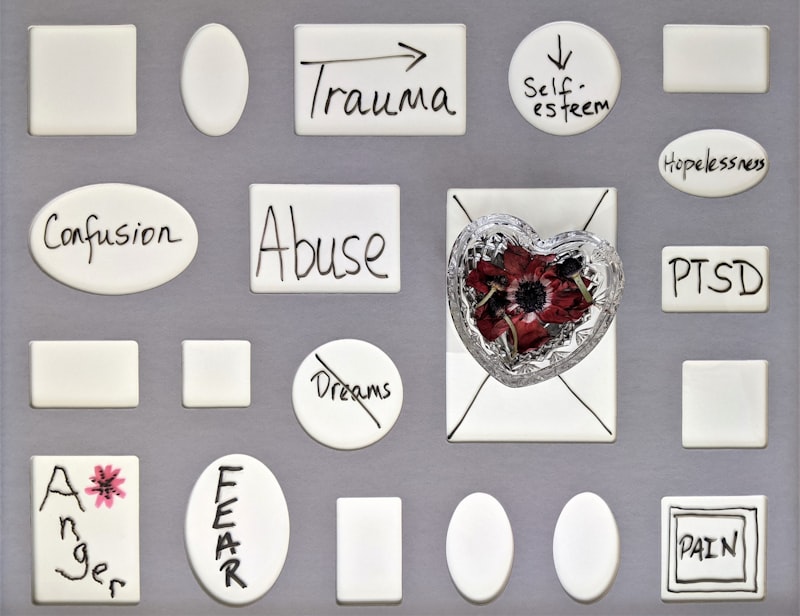
The psychological repercussions of cultural genocide are profound, manifesting as intergenerational trauma that persists long after the active phase of destruction has concluded. Unlike physical violence which leaves visible scars, cultural violence attacks the internal framework of identity, leading to widespread crises of self-worth and communal cohesion. When a group’s history is denied, their language silenced, and their traditions mocked or outlawed, individuals experience profound alienation, often feeling disconnected from their past and uncertain about their future. This psychological deterioration contributes significantly to higher rates of mental health issues, including anxiety, depression, substance abuse, and elevated suicide rates within affected populations.
Socially, cultural genocide fractures the communal bonds necessary for resilience and survival. Traditional kinship structures and systems of mutual support are deliberately undermined, often replaced by state institutions that impose foreign organizational models. The loss of language is particularly devastating, as language is the primary vehicle for transmitting complex cultural knowledge, spiritual concepts, and historical memory. When elders can no longer communicate the totality of their knowledge to the youth, the intergenerational chain of cultural transmission is broken, resulting in a profound sense of collective grief and cultural orphanhood. This societal fragmentation weakens the ability of the group to mobilize politically or resist further oppression.
Furthermore, the internalized shame resulting from years of systemic degradation often leads to lateral violence—conflict directed inward among members of the oppressed group—as well as difficulty in regaining self-determination. The successful execution of cultural genocide leaves a legacy where the victims are often left to reconstruct their identity using fragmented memories and suppressed histories, a monumental task that requires decades of dedicated cultural reclamation efforts supported by external acknowledgement and justice. The trauma is not merely historical; it is a continuously unfolding reality for communities struggling to heal while still navigating the remnants of oppressive structural systems.
Legal Status and International Ambiguity
The legal standing of cultural genocide remains highly ambiguous in international law, largely due to the political compromises made during the drafting of the 1948 Convention on the Prevention and Punishment of the Crime of Genocide. Despite Lemkin’s efforts to include cultural destruction as a punishable offense, powerful member states successfully lobbied for its exclusion, fearing that such a provision would infringe upon their sovereignty and complicate their management of internal minority populations. Consequently, the destruction of cultural artifacts, religious buildings, and attempts to suppress language are generally not prosecutable as acts of genocide under the primary international legal instrument, though related actions might fall under crimes against humanity or war crimes in specific contexts.
However, the moral recognition of the crime has grown significantly, leading to its inclusion in certain non-binding documents and specialized legal frameworks. The 1998 Rome Statute of the International Criminal Court (ICC), while not covering cultural genocide explicitly, does address the intentional directing of attacks against buildings dedicated to religion, education, art, or historical monuments as a war crime, provided they are not military objectives. This partial recognition signals a gradual shift, acknowledging that the destruction of heritage is a serious international offense, even if it does not carry the weight of the full genocide charge. Moreover, Cultural genocide is considered a crime in some remote countries or national jurisdictions, often those that have experienced severe conflicts or systematic oppression, reflecting an attempt to fill the void left by international legislation.
The primary challenge in establishing cultural genocide as a universally recognized crime is the difficulty in proving the requisite dolus specialis—the specific intent to destroy the group’s cultural existence. Perpetrator states often cloak cultural destruction within policies framed as modernization, development, or national unity, making it difficult to definitively prove genocidal intent rather than merely discriminatory or assimilative intent. For the concept to achieve full legal standing, international courts would need a clear, actionable definition that allows for the prosecution of systematic policies targeting intangible heritage, such as language and traditional governance, ensuring that the legal definition catches up with the universally recognized moral gravity of the offense.
The Role of Language and Education in Eradication
Language serves as the primary repository of culture, embodying traditional knowledge, complex spiritual philosophies, and collective memory. Therefore, the deliberate targeting of indigenous or minority languages through state-controlled education systems is perhaps the most effective and pervasive mechanism of cultural genocide. The policy is straightforward: by ensuring that the next generation cannot speak their heritage language, the dominant power guarantees the eventual extinction of the cultural worldview embedded within that linguistic structure. Educational systems are repurposed from institutions of learning into instruments of homogenization, teaching history and values solely from the perspective of the dominant group and actively punishing the use of native tongues.
Residential or boarding schools represent the historical apex of this educational violence. These institutions were designed specifically to isolate children from their families and communities, severing the natural transmission of culture from elders to youth. The children were subjected to forced religious conversion, given new names, dressed in foreign clothes, and strictly forbidden from speaking their native language, often under threat of physical or psychological violence. This environment was engineered to induce a cultural death, ensuring that when the students returned home, they were alienated from their own people, unable to fully participate in traditional life, and thus rendered structurally assimilated into the dominant society. The long-term consequence of these policies is the widespread endangerment and extinction of hundreds of languages globally, leading to irreparable loss of human knowledge and diversity.
Even outside of historical abuses like residential schools, contemporary state policies often subtly privilege the dominant language through funding mechanisms, bureaucratic requirements, and media monopolies. This structural disadvantage ensures that minority languages cannot compete effectively in the public sphere, gradually restricting their use to increasingly smaller, private contexts until they fade entirely. Recognizing the critical nature of linguistic survival, efforts toward cultural reclamation invariably prioritize language revitalization programs, viewing the recovery of the mother tongue as synonymous with the recovery of identity and collective psychological health, often requiring significant governmental policy shifts and financial investment to reverse decades of systematic suppression.
Case Studies and Contemporary Manifestations
Historical records and contemporary reports provide numerous instances where the destruction of cultural foundations aligns with the definition of cultural genocide. One prominent historical case involves the destruction of Tibet’s cultural and religious landscape following the 1950 invasion. Policies included the destruction of thousands of monasteries, the forced secularization of monks and nuns, the systematic removal of religious artifacts, and the imposition of language policies designed to marginalize Tibetan in favor of Mandarin Chinese. These actions were aimed at dismantling the core identity of the Tibetan people, which is inextricably linked to their unique form of Buddhism and traditional political structure.
Another critical case involves the systematic abuse within the Canadian and US residential school systems, mentioned previously. The Truth and Reconciliation Commission of Canada concluded that the system amounted to cultural genocide, recognizing the deliberate intent to destroy indigenous cultures through institutionalized child abuse and forced assimilation. The long-term effects of these policies—including the loss of language, high rates of poverty, and intergenerational trauma—demonstrate the enduring destructive power of culturally targeted policies. Recognizing this historical truth is a prerequisite for any meaningful process of healing and reconciliation.
In contemporary settings, cultural genocide manifests through the destruction of heritage sites during conflict, such as the deliberate targeting of ancient cities and religious sites in the Middle East by extremist groups, or through state policies targeting minority groups. These modern manifestations often involve the use of digital technologies to control and censor cultural expression, coupled with mass relocation and detention programs that intentionally disrupt social cohesion and traditional life patterns. The aim remains consistent across historical and modern examples: to eliminate the distinctive cultural identity of a group, thereby minimizing their ability to assert political rights or maintain autonomy against the dominant power structure.
Efforts toward Cultural Reclamation and Justice
The response to the enduring trauma of cultural genocide centers on robust efforts toward cultural reclamation, justice, and accountability. Reclamation involves the active, often community-led, revitalization of endangered languages, the restoration of traditional governance structures, and the rebuilding of cultural infrastructure, such as ceremonial sites and traditional schools. These efforts are fundamentally acts of resistance, aimed at restoring the dignity and self-determination stripped away by genocidal policies. Successful reclamation projects often involve documentation of oral histories, repatriation of stolen artifacts, and the creation of immersion programs to teach native languages to children and young adults.
The pursuit of justice takes multiple forms, ranging from truth commissions—such as those established in Canada—to legal demands for reparations and the prosecution of individuals responsible for orchestrating cultural destruction. While the lack of an explicit cultural genocide clause in international law limits criminal prosecution under the ICC, affected groups are increasingly pursuing civil suits and political recognition of the atrocities committed. The demand for justice is inextricably linked to the demand for recognition: the official acknowledgement by the perpetrating state that cultural destruction was intentional and criminal is a necessary step toward healing the collective psychological wound.
Ultimately, the global prevention of cultural genocide requires strengthening international legal instruments to explicitly include the systematic destruction of intangible cultural elements, moving beyond the current focus on physical monuments. Furthermore, it demands a commitment from international bodies to support the autonomy and cultural rights of minority and indigenous populations, ensuring they have the resources and legal standing to protect their history, morals, and traditions from deterioration by dominant forces. Protecting cultural diversity is increasingly recognized not just as a matter of human rights, but as a critical component of global stability and human heritage preservation.