Cultural Dynamics: Unmasking the Roots of Social Conflict
Scientifically Reviewed · Dr. Marwa Abd-Alazim · September 27, 2026
Review Criteria & Clinical Standards
This content undergoes rigorous scientific peer-review and medical editorial standards at Arab Psychology Network to ensure clinical accuracy, validity, and compliance with evidence-based guidelines from leading psychological and healthcare authorities (APA / WHO).
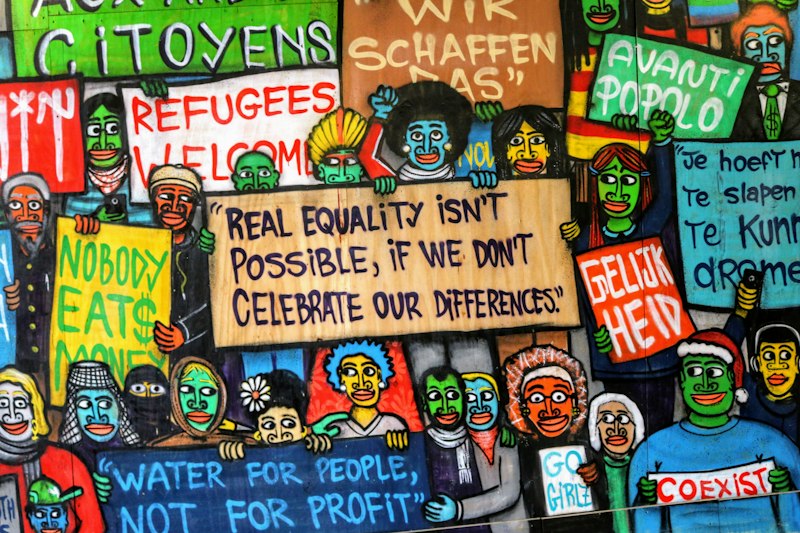
Abstract and Conceptual Foundations of Cultural Dynamics
The intricate relationship between culture pattern and culture conflict serves as a cornerstone for understanding modern social dynamics within the fields of psychology, sociology, and anthropology. This article provides a comprehensive exploration of how the structured organization of cultural traits—referred to as culture patterns—influences the emergence of friction between diverse groups. By examining the psychological underpinnings of collective identity, we can discern how deeply held beliefs and values act as both a glue for internal social cohesion and a potential catalyst for external discord. This inquiry is essential for developing a nuanced understanding of why certain societies experience persistent tension while others find pathways toward integration and mutual respect.
At the heart of this exploration is the recognition that cultural differences are often the primary source of tension between groups when their respective patterns of behavior and belief systems intersect. The abstract nature of these conflicts necessitates a multi-disciplinary approach that considers the cognitive and emotional responses individuals have when their cultural framework is challenged or dismissed by another group. Furthermore, this analysis discusses the strategic frameworks required for managing such culture-based conflicts, emphasizing the importance of psychological safety and intercultural competence. By evaluating successful models of intervention, the article aims to provide a roadmap for practitioners in the fields of peacebuilding and international relations.
Ultimately, the implications of understanding the nexus between culture pattern and conflict extend to the very foundations of intercultural communication and global peace. As the world becomes increasingly interconnected, the ability to navigate cultural nuances and resolve deep-seated animosities becomes a vital skill for both individuals and institutions. This article concludes by considering how the systematic study of cultural patterns can inform future efforts in conflict resolution, ensuring that interventions are culturally sensitive and psychologically grounded. The goal is to move beyond mere tolerance toward a state of active appreciation and collaboration between the world’s diverse cultural entities.
The Architecture and Definition of Culture Patterns
To understand the roots of conflict, one must first define the concept of a culture pattern. In psychological and anthropological terms, a culture pattern refers to the systemic organization and expression of a society’s total way of life. This includes a wide array of both visible and invisible aspects of culture, ranging from overt behaviors, language, and artistic expressions to covert elements such as underlying values, rigid norms, and foundational beliefs. These patterns serve as a blueprint for social reality, providing individuals with a sense of order, predictability, and identity within their community. When a pattern is well-established, it dictates how members of a group perceive the world and their place within it.
The invisible aspects of culture, such as ethics, morality, and time perception, are perhaps the most influential components of a culture pattern. These elements are often internalized during early childhood through socialization and become part of an individual’s subconscious cognitive framework. Because these beliefs are so deeply embedded, they are frequently perceived not as cultural constructs, but as universal truths. This psychological phenomenon, known as ethnocentrism, can lead to significant misunderstandings when individuals encounter others whose cultural patterns prioritize different values. The rigidity of these internal patterns often determines the level of resistance a group may show toward external influences or competing ideologies.
Furthermore, culture patterns facilitate intercultural communication by providing a shared language of symbols and meanings. However, these same patterns can simultaneously act as barriers to cooperation. When two groups possess divergent cultural patterns, the “code” of communication may become garbled, leading to misinterpretations of intent and action. For instance, a culture that patterns its communication around directness may find a culture that values indirectness to be deceptive, while the latter may find the former to be aggressive or rude. Understanding these structural differences is the first step in deconstructing the psychological walls that contribute to persistent social and political conflict.
The Psychological Genesis of Culture Conflict
The emergence of culture conflict typically occurs when the established patterns of two or more groups come into direct competition or contradiction. Cultural differences manifest in various ways, most notably in the expectations regarding appropriate behavior for members of a specific social or ethnic group. For example, expectations surrounding gender roles, hierarchy, and social etiquette are often dictated by cultural patterns that have evolved over centuries. When these expectations are challenged by an outside group with a different set of norms, the resulting cognitive dissonance can trigger defensive or hostile reactions, as individuals feel their very identity and moral compass are under threat.
One of the most frequent flashpoints for culture-based tension is the interaction between different gender expectations. In many traditional culture patterns, gender roles are strictly defined and viewed as essential to the stability of the family and society. In contrast, more egalitarian culture patterns may view such restrictions as discriminatory or outdated. When these two worldviews interact—whether through migration, globalization, or political shifts—the friction can lead to deep-seated resentment and systemic conflict. These clashes are not merely about external behavior but are rooted in deep psychological attachments to the “correct” way for men and women to function within a social hierarchy.
In addition to behavioral expectations, culture conflict is often exacerbated by the perception of scarcity, whether that scarcity is material or symbolic. When a group perceives that its cultural values are being marginalized or replaced by the patterns of a dominant or encroaching group, the conflict often intensifies. This is particularly evident in regions where historical grievances have already sensitized groups to the actions of their neighbors. The psychological impact of feeling “culturally colonized” can lead to a hardening of cultural boundaries and a rejection of any form of compromise, as the group seeks to protect the integrity of its traditional patterns at all costs.
Sociocultural Justification and the Legitimization of Harm
A particularly challenging aspect of culture pattern and conflict is the way in which cultural frameworks are sometimes used to justify or legitimize harmful behaviors. In these instances, the cultural pattern provides a moral or social logic for actions that might otherwise be condemned by the international community or by universal human rights standards. For example, the concept of an honor culture has historically been used in various societies to justify violence against individuals, particularly women, who are perceived to have brought shame upon their family or community. In this psychological context, the act of violence is framed not as a crime, but as a necessary restoration of cultural equilibrium and social standing.
Similarly, the idea of male superiority is a cultural pattern that has been used for generations to support systemic discrimination and the marginalization of women in political, economic, and social spheres. When these beliefs are deeply woven into the fabric of a culture’s pattern, they become self-reinforcing. Members of the group may believe that maintaining these hierarchies is essential for preserving the “natural order” of their society. This creates a significant hurdle for conflict resolution, as attempts to promote equality are often viewed by the group as an attack on their cultural heritage rather than a move toward justice or modernization.
The legitimization of behavior through cultural patterning makes resolving these conflicts especially complex. Because the harmful behavior is rooted in a sense of duty or cultural preservation, the individuals involved may not view their actions as inherently wrong. Instead, they see themselves as defenders of their way of life. Addressing these issues requires a delicate balance between respecting cultural diversity and upholding fundamental human rights. It necessitates a psychological intervention that helps members of the culture deconstruct the specific elements of their pattern that cause harm, while reinforcing the positive aspects that provide identity and meaning.
Strategic Interventions for Managing Culture-Based Conflict
Given the complexity of culture-based conflicts, scholars and practitioners have developed a variety of strategies to manage and mitigate these tensions. One of the primary approaches involves a focus on building understanding and respect between conflicting groups. This is often achieved through facilitated dialogue, where representatives from each group are encouraged to share their cultural narratives and perspectives in a safe and structured environment. By humanizing the “other,” dialogue helps to break down the dehumanizing stereotypes that often fuel conflict, allowing participants to see the common human needs that underlie their different cultural expressions.
Education serves as another critical tool in the management of cultural tension. Educational programs that focus on cultural literacy and empathy can help individuals recognize the arbitrary nature of many cultural norms and the value of diversity. When people are taught to understand the historical and psychological origins of their own and others’ culture patterns, they become less likely to view differences as inherent threats. Furthermore, exchange programs—whether academic, professional, or social—provide immersive experiences that challenge preconceived notions and foster long-term relationships across cultural divides. These direct interactions are often more effective than theoretical learning in shifting psychological biases.
However, it is vital to recognize that some culture-based conflicts are so deeply entrenched that dialogue and education alone may be insufficient. In these scenarios, the focus must shift toward creating space for negotiation and compromise. This involves moving away from an “all-or-nothing” approach to cultural dominance and toward a model of pluralism. International mediators and local leaders must work together to create legal and social frameworks that protect the rights of all cultural groups involved. This strategic approach emphasizes the pragmatic need for cooperation over the ideological desire for cultural homogeneity, paving the way for more constructive and peaceful outcomes.
Fostering Commonalities and Cross-Cultural Synergy
While acknowledging differences is necessary, another effective strategy for managing culture conflict is to focus on the commonalities that exist between groups. Despite the vast diversity of culture patterns, all human societies share certain fundamental needs, such as the desire for security, the love of family, and the pursuit of meaning. Activities that highlight these shared human experiences can serve as a bridge between seemingly irreconcilable cultures. By focusing on what unites rather than what divides, groups can begin to build a foundation of trust that is necessary for more complex conflict resolution efforts.
One practical way to foster these commonalities is through the promotion of cultural festivals and sporting events. These activities bring people together in a celebratory or competitive environment that transcends linguistic and ideological barriers. For example, sporting events have a unique ability to create a sense of collective identity and shared purpose among participants and spectators alike. When individuals from conflicting cultures play on the same team or cheer for the same cause, the psychological boundaries between “us” and “them” begin to blur. These events provide a low-stakes environment for positive interaction, which can eventually lead to higher-stakes cooperation in political or economic arenas.
The goal of these activities is to create a psychological shift from a zero-sum mentality to one of mutual benefit. When groups engage in shared cultural or recreational pursuits, they develop what psychologists call “superordinate goals”—objectives that require the cooperation of both parties to achieve. This cooperation fosters an appreciation for the other group’s contributions and reduces the likelihood of future conflict. By intentionally creating opportunities for positive cross-cultural contact, societies can build the social capital necessary to withstand the pressures of cultural friction and maintain long-term stability.
Case Studies in Conflict Resolution and Diplomacy
Real-world examples provide valuable insights into the efficacy of different approaches to managing culture-based conflicts. One prominent example is the work conducted by the Human Rights Center in Bosnia and Herzegovina. Following the devastating ethnic conflicts of the 1990s, the Center has dedicated its efforts to promoting dialogue and understanding among Bosnian Serbs, Bosnian Croats, and Bosnian Muslims. By addressing the deep-seated cultural grievances and traumas left by the war, the Center has facilitated a slow but steady process of reconciliation. Their work demonstrates that even in the aftermath of extreme violence, cultural patterns can be reshaped toward peace through persistent effort.
Through its various educational and exchange programs, the Bosnian Human Rights Center has successfully created platforms where members of different ethnic groups can interact as individuals rather than as representatives of a hostile “other.” These dialogue sessions are designed to allow participants to express their fears and aspirations, leading to a mutual recognition of shared suffering and a collective desire for a better future. This grassroots approach to peacebuilding highlights the importance of addressing the psychological roots of conflict at the community level, rather than relying solely on top-down political agreements that may not reflect the reality of the people on the ground.
Another significant example is the Institute for Cultural Diplomacy in Germany, which operates on a global scale to promote intercultural understanding. The Institute’s work in the Middle East and North Africa is particularly noteworthy, as it brings together people from vastly different backgrounds to engage in cultural exchange. By focusing on cultural diplomacy, the Institute leverages the power of arts, music, and academic discourse to build trust and respect between groups that are often at odds politically. These projects help to foster a sense of global citizenship and demonstrate that cultural patterns can be a source of strength and innovation rather than just a cause for division.
Theoretical Implications for Peacebuilding and Communication
The study of culture pattern and conflict has profound implications for the fields of intercultural communication and peacebuilding. It suggests that conflict is not an inevitable byproduct of cultural diversity, but rather a result of how those differences are managed and perceived. By understanding the psychological mechanisms that lead to culture-based tension, peacebuilders can develop more targeted and effective interventions. This includes recognizing that cultural patterns are dynamic and subject to change, meaning that even the most persistent conflicts have the potential for resolution if the underlying patterns can be successfully navigated.
Furthermore, this research underscores the necessity of intercultural competence for leaders and diplomats in the 21st century. The ability to decode different culture patterns and respond with empathy and flexibility is essential for preventing misunderstandings from escalating into full-blown crises. Peacebuilding efforts must therefore move beyond traditional political negotiations to include a deep analysis of the cultural and psychological factors at play. This requires a holistic approach that involves psychologists, sociologists, and cultural experts working alongside politicians and military leaders to create sustainable peace frameworks.
Finally, it is important to acknowledge that culture-based conflicts are inherently complex and often resistant to simple solutions. The strategies for managing these conflicts must be as nuanced and multifaceted as the cultures themselves. This means taking into account the historical context, the power dynamics between groups, and the specific psychological needs of the individuals involved. By continuing to study the relationship between culture pattern and conflict, we can better equip ourselves to face the challenges of a diverse world and work toward a future where cultural differences are celebrated as a source of human richness rather than a cause for strife.
Conclusion and Synthesis
In conclusion, this article has explored the multifaceted relationship between culture pattern and culture conflict, highlighting how the organization of cultural traits influences social harmony and discord. We have examined how differences in beliefs, norms, and behaviors can lead to significant tension, and how cultural patterns can sometimes be used to legitimize harmful actions. Through the analysis of various management strategies—such as dialogue, education, and the promotion of commonalities—we have seen that it is possible to bridge cultural divides and foster understanding and respect between disparate groups.
The examples of the Human Rights Center in Bosnia and Herzegovina and the Institute for Cultural Diplomacy illustrate the practical success of these strategies in real-world contexts. These cases prove that with dedicated effort and a focus on the psychological aspects of conflict, even the most entrenched cultural animosities can be mitigated. The implications for intercultural communication are clear: we must prioritize the development of cultural literacy and empathy if we are to successfully navigate the complexities of our globalized society. Peacebuilding is not merely the absence of war, but the presence of active cooperation and mutual appreciation across cultural lines.
As we look to the future, the ongoing study of cultural patterns will remain a vital endeavor for those committed to global peace and stability. By recognizing the power of culture to shape human behavior and perception, we can better prepare ourselves to resolve the conflicts of today and prevent those of tomorrow. The journey toward a more peaceful world requires us to embrace our cultural differences as opportunities for learning and growth, rather than as obstacles to be overcome. Through continued research and compassionate intervention, the potential for cross-cultural synergy remains a hopeful prospect for the human collective.
Scholarly References
- Bosnian Human Rights Center. (n.d.). About Us. Retrieved from https://www.bhrc.ba/about-us/
- Institute for Cultural Diplomacy. (2020). About Us. Retrieved from https://www.culturaldiplomacy.org/about-us
- Kearney, R. (2017). Conflict in Anthropology: A Reader. Oxford: Berg.
- Kelman, H. (2014). Overcoming Cultural Divides: Strategies for Managing Culture-Based Conflict. International Negotiation, 19(1), 5-23.
- Mann, S. (2015). Culture Conflict: Understanding Its Causes and Effects. In S. Mann (Ed.), Culture Conflict and Resolution (pp. 3-14). London: Routledge.