Cardiovascular Psychology: How Your Heart Shapes Your Mind
Scientifically Reviewed · Dr. Marwa Abd-Alazim · August 25, 2026
Review Criteria & Clinical Standards
This content undergoes rigorous scientific peer-review and medical editorial standards at Arab Psychology Network to ensure clinical accuracy, validity, and compliance with evidence-based guidelines from leading psychological and healthcare authorities (APA / WHO).
Defining the Abbreviation CV
The abbreviation CV presents a common ambiguity within academic and professional discourse, possessing two distinct and critically important meanings depending on the context. In the realm of biomedical sciences, particularly anatomy, physiology, and medicine, CV serves as the widely recognized shorthand for Cardiovascular. This term refers specifically to the intricate and vital biological system responsible for the circulation of blood, oxygen, nutrients, and hormones throughout the body, simultaneously facilitating the removal of metabolic waste products. Given the life-sustaining complexity of this system, its study forms a cornerstone of modern medical education and research.
The second prevalent meaning of CV, particularly in global professional settings, stands for Curriculum Vitae, a detailed Latin term signifying the “course of life.” This document is a comprehensive summary of an individual’s professional experience, educational history, qualifications, and achievements, typically utilized for job applications, academic appointments, or research grants. While both interpretations of CV are essential within their respective fields, the physiological definition of the Cardiovascular System necessitates an exhaustive examination due to its fundamental role in homeostatic maintenance and overall organism survival.
For the purposes of this detailed physiological entry, the focus remains primarily on the Cardiovascular System. This complex network is not merely a transport mechanism but a sophisticated regulatory apparatus, adapting constantly to internal and external demands such as changes in activity level, temperature, and emotional state. Understanding its structure—comprising the heart, blood vessels, and blood—is crucial for comprehending virtually all aspects of human health and disease.
Core Components of the Cardiovascular System
The functionality of the Cardiovascular System relies on the harmonious integration of three principal components. Firstly, the heart acts as the central pump, generating the necessary pressure gradient to propel blood through the vast circulatory routes. Secondly, the vascular network, composed of arteries, veins, and capillaries, provides the closed conduit system through which blood travels. Finally, blood itself serves as the fluid medium, a complex tissue responsible for the carriage of gases, nutrients, regulatory molecules, and immune cells, making the system functionally holistic and highly resilient.
The primary objective of this intricate system is the maintenance of tissue perfusion, ensuring that every cell in the body receives an adequate supply of oxygen and essential nutrients, while simultaneously removing carbon dioxide and other metabolic wastes. This exchange is meticulously regulated at the microcirculatory level within the capillary beds. The efficiency of the CV system directly dictates the metabolic capacity of the organism, highlighting why any compromise in this functionality, such as blockages or pressure dysregulation, can lead to widespread systemic failure and critical health outcomes.
Beyond respiration and nutrition, the CV system plays integral roles in various homeostatic processes. These include the distribution of heat generated by metabolic processes, contributing significantly to thermoregulation by adjusting blood flow near the skin surface. Furthermore, the circulation acts as the main highway for immune responses, transporting leukocytes and antibodies to sites of infection or injury, and facilitating the distribution of hormones released by endocrine glands to their distant target cells. These multifaceted roles underscore why the study of CV physiology requires substantial academic rigor and detailed attention.
- Transport Function: Delivery of oxygen, hormones, and nutrients to tissues.
- Regulatory Function: Maintenance of body temperature, pH balance, and fluid volume.
- Protective Function: Transporting immune components and clotting factors to prevent blood loss and fight infection.
The Heart: Structure and Function
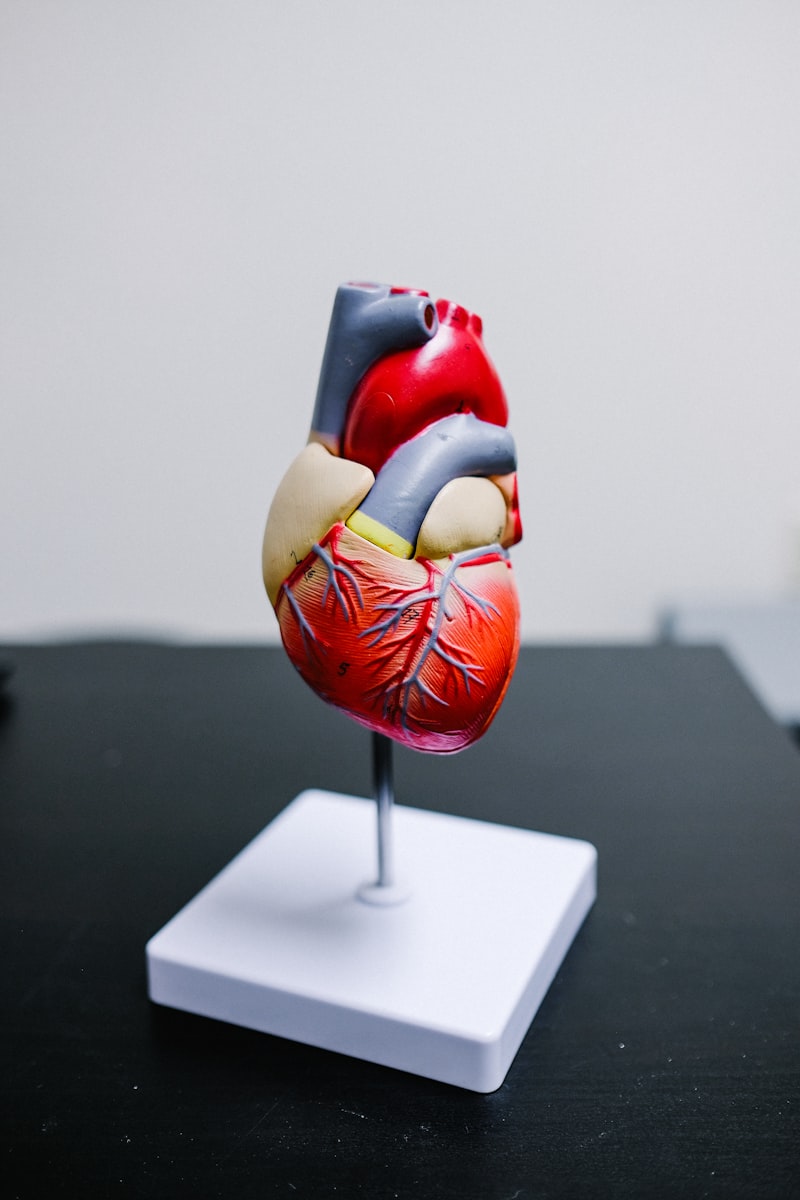
The human heart is the muscular engine of the Cardiovascular System, a remarkably efficient, four-chambered pump situated in the mediastinum. Its structure is fundamentally divided into two functional sides: the right side, which handles deoxygenated blood and pumps it toward the lungs (Pulmonary Circulation), and the left side, which manages oxygenated blood received from the lungs and forcefully ejects it into the systemic circulation to nourish the rest of the body. Each side contains an atrium, which receives blood, and a ventricle, which pumps it out. The rhythmic, coordinated contraction and relaxation of this powerful muscle, the myocardium, define the cardiac cycle.
The heart’s architecture is characterized by specialized tissues and structures designed to ensure unidirectional flow and prevent backwash. Four essential valves—two atrioventricular valves (mitral and tricuspid) and two semilunar valves (aortic and pulmonary)—open and close precisely in response to pressure changes within the chambers. Dysfunction of these valves, often resulting in regurgitation or stenosis, significantly impedes the heart’s pumping efficiency, leading to conditions such as heart failure. The intrinsic ability of the heart to initiate its own beat, known as automaticity, is managed by specialized pacemaker cells, primarily located in the Sinoatrial (SA) node, which sets the fundamental rhythm of the entire system.
The complex coordination of the cardiac cycle involves both systole (contraction and ejection) and diastole (relaxation and filling). During systole, the ventricles contract, dramatically increasing pressure to push blood into the great arteries (aorta and pulmonary artery). Diastole is the crucial phase during which the heart muscle relaxes, allowing the chambers to refill with blood, a period equally important for ensuring the heart itself receives adequate blood supply through the coronary arteries. The continuous, lifelong operation of the heart without fatigue is a testament to the evolutionary efficiency of the myocardial tissue, which relies almost exclusively on aerobic metabolism and a rich vascular supply.
Vascular Network: Arteries, Veins, and Capillaries
The blood vessels form a vast, interconnected network extending over tens of thousands of miles within the human body, providing the pathways necessary for blood distribution and collection. This network is structurally and functionally differentiated into three primary classes. Arteries are thick-walled, highly elastic vessels engineered to withstand the high pressure generated by ventricular contraction. They conduct blood away from the heart, branching successively into smaller arterioles, which are critical sites for controlling blood flow resistance and regulating systemic blood pressure through vasoconstriction and vasodilation.
In contrast, veins are thinner-walled, lower-pressure conduits designed to return deoxygenated blood toward the heart. Because venous pressure is significantly lower than arterial pressure, veins, particularly those in the limbs, contain one-way valves. These valves are essential for preventing the backflow of blood against gravity, relying instead on the contraction of surrounding skeletal muscles—the skeletal muscle pump—to squeeze the blood forward. Veins collect blood from venules and progressively merge into larger vessels, ultimately leading back to the vena cavae, which empty into the right atrium, completing the systemic circuit.
The most critical functional site of the entire CV system is the capillary bed. Capillaries are microscopic vessels, often only wide enough for a single red blood cell to pass through, characterized by walls consisting of a single layer of endothelial cells. This thin barrier facilitates the rapid and efficient exchange of gases, nutrients, hormones, and waste products between the blood and the surrounding interstitial fluid and tissues. This process of diffusion, driven by concentration gradients, is the physiological purpose of circulation; without effective capillary exchange, the delivery function of the heart and larger vessels becomes functionally meaningless, highlighting the importance of microcirculatory health.
The Role of Blood in Transport and Homeostasis
Blood, the fluid component of the Cardiovascular System, is far more complex than simple water. It is a specialized connective tissue comprising plasma (approximately 55% of total volume) and formed elements (approximately 45%), including red blood cells, white blood cells, and platelets. Plasma itself is primarily water, but it contains crucial dissolved substances, notably plasma proteins (such as albumin, globulins, and fibrinogen), electrolytes, nutrients, and waste products. The plasma proteins are vital for maintaining the blood’s osmotic pressure, ensuring appropriate fluid distribution between the circulatory system and the tissues.
The formed elements carry out specific, indispensable tasks. Erythrocytes, or red blood cells, are arguably the most crucial for the system’s primary respiratory function. They lack a nucleus and are packed almost entirely with hemoglobin, a metalloprotein that reversibly binds oxygen in the lungs and releases it in peripheral tissues. The sheer volume and specialized design of red blood cells ensure massive oxygen-carrying capacity. Leukocytes (white blood cells) are integral to the immune system, constantly circulating to detect and neutralize pathogens, while platelets are cell fragments essential for hemostasis, the process of blood clotting, which prevents excessive hemorrhage following vascular injury.
Beyond transport, blood is central to the maintenance of internal equilibrium, or homeostasis. It acts as a robust buffer system, utilizing bicarbonate and other chemical components to regulate blood pH within the narrow, life-sustaining range of 7.35 to 7.45. Furthermore, the ability of the CV system to shunt blood flow—directing more volume to peripheral vessels for cooling (vasodilation) or restricting it to conserve heat (vasoconstriction)—demonstrates blood’s critical role in thermoregulation. These intricate chemical and physical properties necessitate deep study for practitioners aiming to understand systemic responses to trauma or illness.
Regulation and Control of the CV System
The Cardiovascular System is under continuous, precise regulatory control to ensure that cardiac output and blood pressure match the constantly fluctuating metabolic demands of the body. The primary control center resides in the medulla oblongata of the brainstem, which integrates sensory input from various monitoring sites throughout the circulatory tree. This regulatory center manages the delicate balance between sympathetic (acceleratory) and parasympathetic (inhibitory) nervous system inputs, thereby fine-tuning heart rate and contractile force.
A cornerstone of CV regulation involves the monitoring of Blood Pressure (BP). Specialized stretch receptors known as baroreceptors, located mainly in the carotid sinuses and aortic arch, detect changes in arterial pressure. If pressure drops, baroreceptors signal the medulla, triggering sympathetic output that increases heart rate, stroke volume, and peripheral vasoconstriction, collectively restoring BP. Conversely, chemoreceptors monitor blood chemistry, primarily oxygen, carbon dioxide, and pH levels, adjusting circulation and respiration to maintain necessary gaseous exchange rates.
Hormonal mechanisms provide a slower, yet powerful, layer of control. The Renin-Angiotensin-Aldosterone System (RAAS), initiated by the kidneys in response to low blood volume or pressure, is a potent endocrine cascade that constricts arterioles and promotes fluid retention, significantly increasing BP over the long term. Conversely, hormones like atrial natriuretic peptide (ANP), released by the heart itself when stretched by high volume, promote salt and water excretion, acting to lower blood pressure. The interplay between these neural and hormonal feedback loops ensures dynamic adaptation, allowing the system to maintain optimal perfusion whether the body is resting or engaged in strenuous activity.
Common Cardiovascular Diseases and Disorders
Disorders of the Cardiovascular System, collectively known as CVDs, represent the leading cause of morbidity and mortality globally, underscoring the susceptibility of this highly complex system to pathological breakdown. The foundational pathology underlying many CVDs is atherosclerosis, a progressive inflammatory condition characterized by the accumulation of fatty plaques, cholesterol, and cellular debris within the arterial walls. This hardening and narrowing of the arteries reduces elasticity and restricts blood flow, increasing the work required of the heart and elevating systemic blood pressure.
One of the most pervasive disorders is Hypertension (chronic high blood pressure), defined by persistently elevated arterial pressure that often lacks clear symptoms until severe damage has occurred. Untreated hypertension is a major risk factor for more acute events, including Coronary Artery Disease (CAD), where plaque buildup in the coronary vessels restricts oxygen supply to the myocardium. If a plaque ruptures and forms a thrombus, it can completely occlude the vessel, resulting in a Myocardial Infarction (heart attack), leading to irreversible death of heart muscle tissue.
Furthermore, vascular diseases can affect the cerebral circulation, leading to Stroke (Cerebrovascular Accident), which occurs when blood flow to a region of the brain is interrupted, either by a blockage (ischemic stroke) or by hemorrhage (hemorrhagic stroke). Managing and preventing CVDs requires comprehensive lifestyle adjustments and often pharmaceutical intervention. Key preventative strategies are critical for public health:
- Regular physical activity to strengthen the myocardium and improve vascular tone.
- Maintaining a diet low in saturated fats and sodium to control cholesterol levels and blood pressure.
- Cessation of tobacco use, which severely damages the vascular endothelium.
- Consistent monitoring and pharmaceutical control of existing hypertension or diabetes.
Clinical Significance and Study of CV
The intrinsic complexity of the Cardiovascular System necessitates extensive study, justifying the substantial time dedicated to its understanding in medical and biological curricula, as famously noted in anatomical studies. A deep mastery of CV anatomy and physiology is required for clinical diagnosis and intervention. Physicians utilize a variety of sophisticated diagnostic tools, such as the Electrocardiogram (ECG) to assess the electrical activity of the heart, echocardiography to visualize structure and function, and angiography to map blood flow through the vessels, all requiring specialized anatomical knowledge for accurate interpretation.
The field of cardiology remains one of the most dynamic areas of medical research, continually advancing treatments for conditions that were once universally fatal. Innovations in surgical techniques, such as coronary bypass grafting and valve replacement, alongside the development of advanced pharmaceutical agents for blood pressure and cholesterol control, have dramatically improved outcomes for patients with CVDs. The comprehensive study of the CV system thus extends beyond basic anatomy into pharmacology, biomechanics, and public health initiatives.
Ultimately, the CV system stands as the principal mechanism of life support, governing the distribution of energy and the removal of cellular waste across the entire organism. Its flawless functioning is paramount, and any disturbance, whether acute or chronic, immediately compromises systemic viability. Therefore, the continuous dedication to understanding its regulation, pathology, and potential for repair remains central to biological and clinical sciences globally, underscoring why the abbreviation CV carries such profound significance in medical contexts.