Cyclopia: Anatomy of a Rare Neurodevelopmental Mystery
Scientifically Reviewed · Dr. Marwa Abd-Alazim · August 25, 2026
Review Criteria & Clinical Standards
This content undergoes rigorous scientific peer-review and medical editorial standards at Arab Psychology Network to ensure clinical accuracy, validity, and compliance with evidence-based guidelines from leading psychological and healthcare authorities (APA / WHO).
Introduction and Definition
Cyclopia represents one of the most severe and rare congenital defects known, characterized fundamentally by a profound failure of the embryonic forebrain to divide properly, leading to corresponding facial and ocular malformations. This condition is defined by the joining of the two separate eye orbits into a sole orbital space, which typically contains a single, fused eyeball or sometimes two distinct globes that are structurally inseparable from the exterior. The term is derived from the mythological Cyclops, reflecting the singular ocular appearance. Medically, cyclopia is considered the most extreme manifestation within the spectrum of holoprosencephaly (HPE), a complex developmental disorder resulting from incomplete cleavage of the primitive prosencephalon (forebrain) during early gestation. The degree of fusion and the associated midline defects dictate the severity of the overall presentation, but cyclopia invariably indicates the most catastrophic failure of development, impacting not only the facial structures but also critical neural and endocrine systems necessary for survival.
The morphological characteristics associated with cyclopia are unmistakable and reflect a failure of the median craniofacial structures to differentiate. This malformation typically includes the absence of a properly formed nose; instead, a rudimentary structure known as a proboscis often develops above the single eye socket. This proboscis is a tube-like appendage that contains nasal tissue but lacks functional connection to the airway or the nasal cavities, which themselves are often absent or severely hypoplastic. The profound developmental disruption occurs very early, specifically between the third and fifth weeks of gestation, a critical period when the neural plate is folding and the processes that define the midline of the face and brain are initiated. Due to the extreme nature of the brain malformation—specifically alobar holoprosencephaly—cyclopia is categorized as a lethal anomaly, generally incompatible with life beyond the perinatal period.
Understanding cyclopia requires recognition of its place within the broader category of midline defects. HPE, the underlying condition, is classified into subtypes based on the extent of ventricular and cerebral cleavage, ranging from the least severe (microform or lobar HPE) to the most severe (alobar HPE), with cyclopia being the ultimate expression of the latter. The unifying pathology is the failure of the developing cerebral hemispheres to separate, resulting in a single, large ventricle and a fused thalamus. The facial abnormalities, including cyclopia, are essentially external markers reflecting this underlying, catastrophic internal brain structure deficiency. Therefore, the diagnosis of cyclopia is not merely the identification of a single eye, but the recognition of an underlying, globally disorganized brain architecture that precludes normal neurological function and development.
Etiology and Genetic Basis
The etiology of cyclopia is complex, involving a combination of genetic factors and environmental influences, though often presenting as sporadic occurrences. The source material specifically highlights that cyclopia can be passed on as an autosomal recessive characteristic. While this mode of inheritance accounts for a subset of cases, particularly those linked to specific syndromic forms of holoprosencephaly, the majority of HPE cases, including cyclopia, are often sporadic or associated with chromosomal abnormalities. Chromosomal aberrations, particularly Trisomy 13 (Patau syndrome), are strongly correlated with HPE, where the duplication of genetic material on chromosome 13 significantly disrupts early midline signaling pathways. Other less common chromosomal anomalies, such as Trisomy 18 or deletions affecting chromosomes 7, 18, and 21, have also been implicated, underscoring the broad genetic vulnerability of early forebrain development.
Beyond gross chromosomal anomalies, numerous single-gene mutations contribute to the development of HPE and, by extension, cyclopia. The most critical genes involved are those governing the signaling pathways essential for establishing the embryonic midline. Foremost among these is the Sonic Hedgehog (SHH) signaling pathway. Mutations in the SHH gene itself, located on chromosome 7, are major contributors, as the SHH protein is crucial for initiating the division of the forebrain and determining facial symmetry. Other related genes implicated in HPE include ZIC2, SIX3, and TGIF, all of which are transcription factors or regulatory elements that interact with the SHH pathway. The variability in the penetrance and expressivity of these gene mutations explains why a single genetic defect can result in a spectrum of outcomes, ranging from mild dental abnormalities to the complete fusion seen in cyclopia. When the inheritance pattern is strictly autosomal recessive, it means that both parents carry a copy of the mutated gene, and the child inherits two copies, leading to the severe phenotype.
Environmental factors, known as teratogens, also play a significant, if less common, role in the etiology of cyclopia, often interacting with genetic predispositions. Maternal conditions such as poorly controlled Type 1 diabetes mellitus during the first trimester are well-established risk factors for HPE, likely due to the adverse effects of fluctuating glucose levels on embryonic cell signaling and proliferation. Furthermore, exposure to certain toxins or medications during the critical period of neural tube and prosencephalon development can induce cyclopia. A classic example studied in veterinary medicine is the ingestion of the plant Veratrum californicum (corn lily) by pregnant ewes; the plant contains steroidal alkaloids that directly inhibit the SHH pathway, leading to cyclopic lambs. While less direct in human cases, exposure to alcohol, high-dose vitamin A (retinoids), or certain anticonvulsant medications during the early stages of pregnancy may contribute to the failure of midline formation in genetically susceptible individuals, highlighting the delicate interplay between nature and nurture in the development of this severe defect.
Pathophysiology and Embryological Development
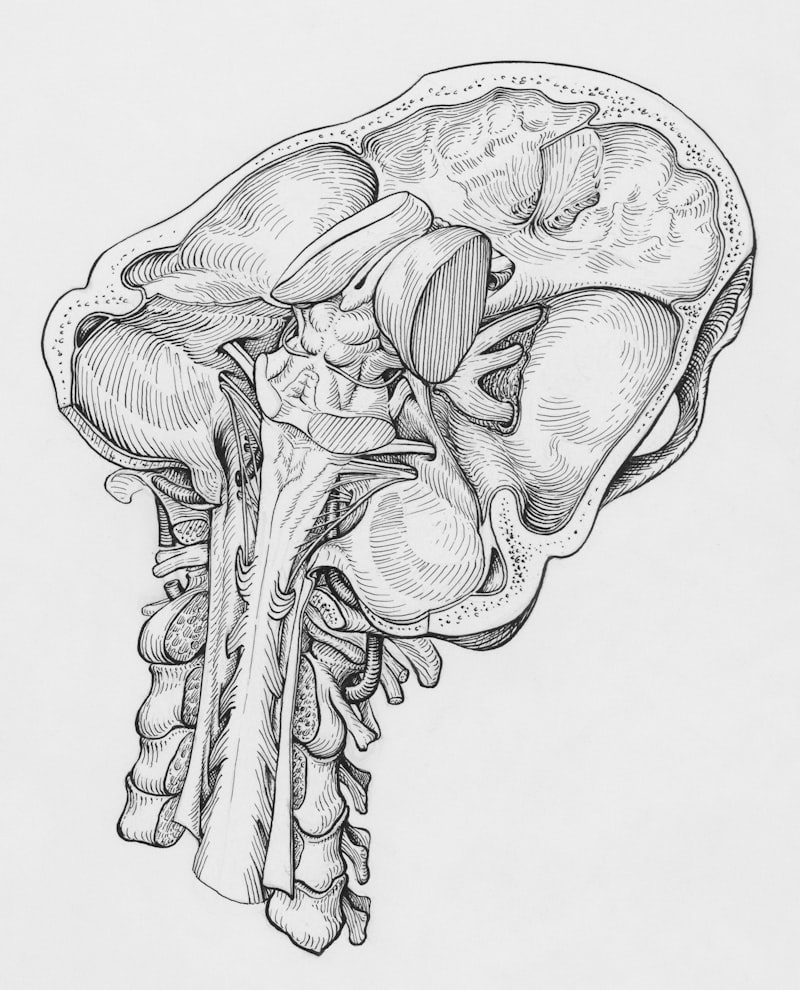
The core pathophysiology of cyclopia lies in the catastrophic failure of the prosencephalon, or forebrain, to undergo proper sagittal cleavage. This event must occur between the 18th and 28th days of human gestation. During this crucial period, the embryonic structure known as the prechordal plate normally secretes signaling molecules, including SHH, that instruct the overlying neuroectoderm to divide into the two future cerebral hemispheres. In cyclopia, the prechordal plate fails to function correctly or the target tissues fail to respond, leading to a complete lack of midline separation. Instead of developing two distinct hemispheres, the brain remains a single, undivided mass, a state termed alobar holoprosencephaly. This lack of division results in a single, common ventricle (monoventricle) and fused basal ganglia and thalami, which are essential structures for sensory processing and motor control.
The development of the face is inextricably linked to the development of the forebrain. As the prosencephalon expands and divides, it provides the inductive signals required for the adjacent facial primordia to form. Specifically, the median facial prominence, which gives rise to the nose and the central upper lip, requires proper signaling from the dividing forebrain. When the forebrain fails to cleave, the tissue that would normally separate the eye fields and form the nasal placodes is absent or severely disorganized. This lack of separating tissue results in the medial migration and fusion of the optic vesicles, leading to the characteristic single orbital cavity. The extreme closeness or fusion of the orbits is known as synophthalmia, while the presence of a single, functional globe is true cyclopia. Both conditions reflect the same underlying, fundamental failure of midline development in the third to fifth week of embryonic life.
The severity of the neural tube defect directly correlates with the severity of the facial defect. In cases of cyclopia, the cranial base is often severely malformed, contributing to the abnormal positioning of the structures. The absence of the nasal septum and the ethmoid bone—key components of the central facial skeleton—further prevents the normal separation of the orbits. Furthermore, the functional consequences of alobar HPE are profound. The fusion and lack of cortical separation mean there is no functional capacity for complex neurological activity, sensory integration, or conscious thought. The resulting brain structure is incompatible with organized life, leading to immediate or rapid postnatal demise due to central respiratory failure, profound seizures, or the inability to maintain homeostatic functions, confirming the role of the early embryological error as the source of the lethal prognosis.
Associated Anatomical Abnormalities
The diagnosis of cyclopia is necessarily accompanied by a predictable constellation of other severe anatomical abnormalities, primarily stemming from the midline developmental failure. The most critical associated finding, referenced in the initial definition, is the frequent agenesis or severe hypoplasia of the pituitary gland (hypophysis). The pituitary gland is a crucial endocrine organ, and its anterior lobe develops from the oral ectoderm (Rathke’s pouch), while the posterior lobe develops as a downgrowth of the hypothalamus. Since the hypothalamus itself is part of the diencephalon, which is severely disrupted and often fused in alobar HPE, the development of the entire hypothalamic-pituitary axis is compromised. The absence of a functional pituitary gland leads to profound, immediate hormonal deficiencies, including a lack of necessary tropic hormones (such as ACTH, TSH, and growth hormone), further contributing to the lethality of the condition shortly after birth.
Craniofacial anomalies extend beyond the fused orbit and include significant defects in the nasal structures and the upper jaw. Instead of a normal nose, the cyclopic individual presents with a proboscis, a fleshy, tubular appendage typically situated above the single orbit. This structure represents the rudimentary development of the nasal placodes that were displaced upwards due to the lack of separating midline bone and cartilage. The nasal cavities are generally absent (arrhinencephaly), and the palate is often severely clefted or entirely absent. Furthermore, microcephaly (abnormally small head circumference) is a common finding, reflecting the severely reduced volume and structure of the cerebral hemispheres. These facial features are not merely cosmetic; they indicate the deep structural abnormalities within the skull base that compromise respiration and feeding mechanisms.
Internal cerebral abnormalities define the condition and are the ultimate cause of lethality. In alobar holoprosencephaly, the stage of HPE associated with cyclopia, there is a complete lack of division of the cerebral hemispheres, resulting in a single, large cavity or monoventricle. The corpus callosum, the major commissural pathway connecting the hemispheres, is entirely absent (agenesis). The olfactory bulbs and tracts (responsible for the sense of smell) are also universally absent, a condition known as arrhinencephaly. Additionally, hydrocephalus—the accumulation of cerebrospinal fluid—may develop due to the disorganized ventricular system. Less frequently, cyclopia may be associated with other systemic congenital anomalies, including cardiac defects (such as ventricular septal defects), renal anomalies, or musculoskeletal defects, though the neurological and facial defects remain the defining features and primary cause of mortality.
Clinical Presentation and Diagnosis
The clinical presentation of cyclopia is immediately recognizable at birth due to the pathognomonic facial features. The newborn presents with a single eye or two fused eyes within one orbit, typically surmounted by a rudimentary proboscis. These features are often accompanied by severe microcephaly and profound neurological distress. Clinically, the infant exhibits severe hypotonia (poor muscle tone), intractable seizures, and respiratory difficulties stemming from the central brain malformation and the lack of a proper airway. Because of the associated pituitary agenesis, severe endocrine imbalances, particularly hypoglycemia and temperature instability, may rapidly lead to life-threatening crises shortly after delivery. The complex interplay of neurological dysfunction, respiratory failure, and hormonal deficits confirms the universally poor prognosis.
Diagnosis often begins prenatally, typically via high-resolution obstetric ultrasound during the second trimester. Key sonographic findings suggestive of HPE and cyclopia include the identification of a single ventricular cavity (monoventricle), fusion of the thalami, and the absence of the midline structures, such as the falx cerebri. Crucially, the ultrasound will reveal the characteristic facial anomalies, including hypotelorism (abnormally close-set eyes) progressing to the fusion of the orbits, and the identification of the proboscis above the orbital area. Fetal Magnetic Resonance Imaging (MRI) is often used to confirm the extent of the brain abnormality, providing superior detail regarding the lack of cortical separation, the presence of the monoventricle, and the absence of the corpus callosum and olfactory tracts, which is vital for definitive prenatal counseling and management planning.
Postnatal diagnosis is based on physical examination and confirmed through neuroimaging, typically computed tomography (CT) or MRI of the brain. Imaging will unequivocally demonstrate the alobar HPE structure. Furthermore, specialized investigations are required to assess the associated systemic defects. Endocrine evaluation, including immediate measurement of cortisol, thyroid hormones, and growth hormone, is necessary to confirm pituitary function status. Genetic testing, including karyotyping (to check for Trisomy 13) and potentially specific gene sequencing (for SHH or related genes), is essential for understanding the etiology, particularly for genetic counseling regarding future pregnancies. The combination of visual confirmation of the orbital fusion, the presence of the proboscis, and the neuroimaging confirmation of alobar holoprosencephaly establishes the definitive diagnosis of cyclopia.
Prognosis and Management
The prognosis for cyclopia is universally severe and lethal. Given the profound neurological disorganization inherent in alobar holoprosencephaly and the associated critical endocrine deficiencies, survival beyond the perinatal period is extremely rare, often limited to hours or, less frequently, a few days after birth. Mortality is predominantly attributable to central respiratory failure, complications arising from uncontrolled seizures, or cardiovascular instability resulting from brainstem dysfunction. The severity of the brain malformation means that there is no possibility of cognitive development or normal function. Therefore, the focus of management shifts entirely away from curative attempts and towards compassionate, palliative care.
Management strategies for an infant diagnosed with cyclopia, whether prenatally or postnatally, center on providing comfort and dignity. The medical team works closely with the family to establish goals of care that prioritize symptom control over aggressive intervention. This involves ensuring adequate pain relief, managing seizures with appropriate medications, and maintaining thermal stability. Invasive procedures, such as mechanical ventilation or surgical interventions, are generally avoided as they do not alter the inevitable outcome and may prolong suffering. Ethical considerations are paramount, requiring sensitive and clear communication with the parents regarding the non-viability of the condition and the focus on providing a peaceful environment for the infant.
Psychological and supportive management for the parents is a critical component of care. Receiving a prenatal or postnatal diagnosis of cyclopia is profoundly traumatic, necessitating immediate access to grief counseling, pastoral support, and specialized social work services. Parents must be supported through the emotional process of preparing for the loss of their child. Furthermore, genetic counseling is essential to explain the recurrence risk, which varies significantly depending on whether the cause was sporadic chromosomal anomaly (low risk of recurrence), single-gene autosomal recessive inheritance (25% recurrence risk), or environmental exposure. Comprehensive documentation and genetic analysis are vital components of the management protocol to inform future reproductive decisions for the affected family.
Historical Context and Cultural Significance
The extreme rarity and striking physical appearance of cyclopia have ensured its presence in human history, often intertwined with mythology and superstition. The most direct cultural reference is the Cyclops of Greek mythology, notably Polyphemus encountered in Homer’s Odyssey. These mythical giants were characterized by a single eye centered in the forehead, a description remarkably similar to the clinical presentation of cyclopia. For centuries, prior to advances in embryology and genetics, the birth of an infant with cyclopia was often viewed through a lens of supernatural influence, divine punishment, or monstrous mutation, reflecting humanity’s attempt to rationalize profound biological anomalies without scientific understanding.
In medical history, documented cases of cyclopia have served as critical, albeit tragic, examples for the study of embryological development. Early anatomists and teratologists recognized the commonality of the severe brain defect associated with the facial anomaly, contributing to the foundational understanding that the development of the brain and the face are intrinsically linked. The study of cyclopic specimens, particularly in the 19th and early 20th centuries, provided invaluable insights into the concept of midline formation and the necessity of proper prosencephalic cleavage, paving the way for the modern understanding of holoprosencephaly as a spectrum disorder rather than merely an isolated facial defect.
The shift from mythological explanation to scientific etiology represents a significant milestone in medical science. The identification of key signaling pathways, such as the SHH pathway, has provided molecular explanations for why the midline fails to form, replacing superstition with genetics. Today, while cyclopia remains a devastating diagnosis, the ability to diagnose it prenatally and provide definitive etiological information allows families to receive accurate counseling and informed support, transforming the management of this condition from one based on fear and mystery to one based on compassionate scientific understanding and palliative care.