Opioid Psychology: The Hidden Dangers of Synthetic Relief
Scientifically Reviewed · Dr. Marwa Abd-Alazim · October 23, 2026
Review Criteria & Clinical Standards
This content undergoes rigorous scientific peer-review and medical editorial standards at Arab Psychology Network to ensure clinical accuracy, validity, and compliance with evidence-based guidelines from leading psychological and healthcare authorities (APA / WHO).
The Core Definition of Propoxyphene
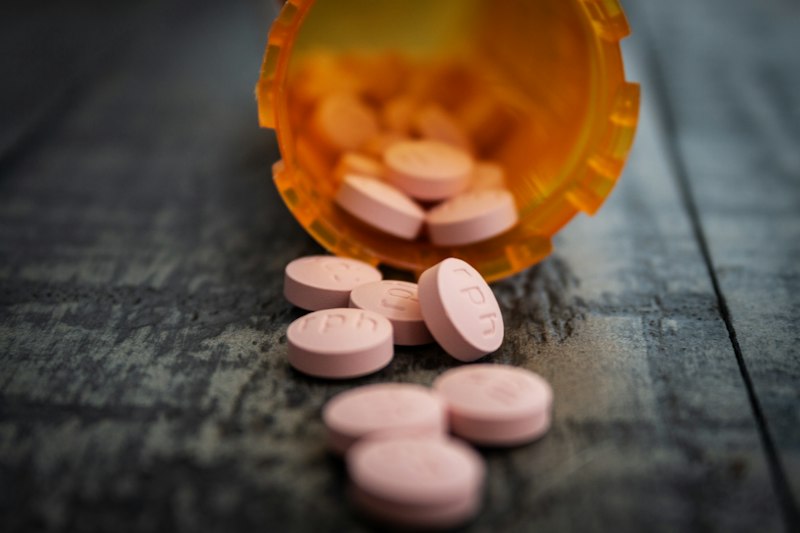
Propoxyphene, marketed most famously under the brand name Darvon in the United States and Dextropropoxyphene internationally, is a synthetic opioid analgesic medication designed to treat mild to moderate pain. It is classified pharmacologically as a weak opioid agonist, structurally related to the synthetic opioid methadone, though it exhibits significantly weaker analgesic potency. Unlike strong opioids such as morphine, which are reserved for severe, intractable pain, Propoxyphene was intended to fill the gap between non-narcotic pain relievers (like acetaminophen) and highly addictive Schedule II substances. Its fundamental mechanism involves binding to the mu-opioid receptors in the central nervous system, thereby inhibiting the transmission of pain signals and altering the patient’s perception of pain.
The distinction between Darvon and other analgesics lies precisely in its efficacy profile and unique toxicity risks. While it provided effective relief for certain types of chronic and acute pain, clinical experience and later studies revealed that its analgesic effect was often only marginally superior to that of high-dose acetaminophen or aspirin, especially when used in the compound form known as Darvocet (which combined Propoxyphene with acetaminophen). This relatively weak efficacy, combined with a narrow therapeutic index—meaning the difference between a therapeutic dose and a toxic dose was small—ultimately contributed to its regulatory downfall. The core principle driving its use was to offer pain relief with perceived fewer addictive properties than stronger narcotics, a perception that proved flawed given its high potential for abuse and dependency, similar to other opioids.
Chemically, Propoxyphene exists as two stereoisomers: the active form, dextropropoxyphene, used for analgesia, and the inactive form, levopropoxyphene, sometimes used as a cough suppressant. Its primary action, achieved through modulation of the pain pathway receptors, causes a reduction in the emotional distress associated with pain, characteristic of most opioids. However, the presence of specific metabolites in the body, particularly norpropoxyphene, was later identified as the primary culprit behind the serious, often lethal, cardiac side effects that necessitated its eventual market withdrawal.
Historical Context and Development
The history of Darvon is deeply intertwined with mid-20th-century pharmaceutical innovation and the search for safer alternatives to highly addictive natural opium derivatives. Developed by Eli Lilly and Company, Propoxyphene was first synthesized in the early 1950s and received approval for use in the United States in 1957. This period marked a critical transition in pain management, where physicians were increasingly seeking powerful yet seemingly less risky pain medications to manage the burgeoning complaints of chronic pain in the general population. Eli Lilly successfully marketed Darvon as a major breakthrough, suggesting that it offered the strength of a narcotic without the high risk profile associated with traditional Schedule II drugs, leading to widespread adoption by primary care physicians.
The medication quickly became a fixture in medicine cabinets throughout the 1960s and 1970s, often prescribed for routine complaints such as dental pain, mild injuries, or chronic conditions like arthritis. Its popularity soared, making it one of the most frequently prescribed drugs in the world for several decades. However, almost immediately following its introduction, concerns began to mount regarding its potential for misuse and its high association with accidental and intentional overdose deaths. Reports of dependency and abuse, mirroring those seen with stronger opioids, started to accumulate, challenging the initial claims of its superior safety profile.
Despite growing evidence of its dangers, regulatory action was slow. It was not until the early 2000s that comprehensive reviews, particularly those conducted in Europe and later by the United States FDA, began to seriously scrutinize the drug’s risk-benefit ratio. Countries such as the United Kingdom and the European Union began restricting or banning its use well before the U.S. implemented its final ruling. This staggered regulatory history highlights the difficulty governmental bodies faced in removing a well-established, frequently prescribed medication, even in the face of mounting public health crises related to overdose fatalities.
A Practical Example in Clinical Use
Consider a practical scenario reflecting its typical use before withdrawal: a patient named Corey, experiencing acute, non-radicular back pain following a moderate strain. The attending physician, recognizing that Corey’s pain level is moderate (perhaps 5/10) and does not warrant a strong Schedule II narcotic like Oxycodone, discharges him with a prescription for Darvon (or Darvocet). This decision aligns with the historical therapeutic niche Propoxyphene was designed to fill: treating pain that requires more than over-the-counter medication but less than high-potency narcotics. The instruction might be to take one tablet every four to six hours as needed for pain.
The application of the psychological principle, in this case, involves both the analgesic effect and the risk assessment. Step one involves the relief mechanism: upon ingestion, Propoxyphene acts on the central nervous system, reducing Corey’s subjective experience of pain, allowing him to rest and recover. Step two, however, illustrates the inherent danger: if Corey were to misunderstand the dosing instructions or attempt to achieve greater relief by exceeding the recommended dose—for instance, taking two pills when one wasn’t fast enough—he would rapidly approach the threshold for toxicity. This small miscalculation often leads directly to severe consequences due to the drug’s narrow therapeutic window and its unique danger of inducing fatal ventricular arrhythmias, a form of cardiotoxicity, even at doses only slightly above therapeutic levels.
The tragic real-world application of Darvon, therefore, was the ease with which abuse or even simple dosing errors could lead to death. The physician’s intent was responsible pain management, but the drug’s pharmacological properties created a significant public health risk. The example of Corey illustrates the critical balancing act in pharmacology: providing effective relief while maintaining a safe margin for error, a balance that Darvon ultimately failed to achieve, despite its initial promise as a reliable medication for common, acute pain issues.
The Significance and Regulatory Impact
The significance of Darvon in the history of psychopharmacology lies primarily in its role as a cautionary tale regarding analgesic risk assessment and the challenges faced by regulatory bodies like the FDA. By the mid-2000s, Propoxyphene was implicated in thousands of overdose deaths annually, ranking consistently high among prescription medications involved in fatal overdoses in the United States. This high mortality rate, often resulting from deliberate self-harm or accidental polysubstance overdose, severely eroded its standing as a viable medical treatment, particularly since its benefits were often comparable to less risky alternatives.
The turning point came in 2009 and 2010. Following years of petitions from public health advocates and the findings of new clinical studies, the FDA requested manufacturers to withdraw Propoxyphene products from the U.S. market in November 2010. The catalyst for this final, definitive action was irrefutable evidence from a key study demonstrating that even when taken at the recommended therapeutic dose, Propoxyphene caused significant and potentially dangerous changes in the heart’s electrical activity (prolonging the QT interval), confirming the severe risk of cardiotoxicity. This regulatory action underscored the principle that a medication must not only be effective but must also maintain an acceptable level of safety across the entire patient population, a standard Darvon failed to meet due to its inherent cardiac risks.
Today, the history of Darvon influences drug development, particularly in the domain of pain management, emphasizing the need for robust preclinical and post-market studies focusing specifically on cardiac safety profiles for all new analgesic compounds. Its legacy serves as a stark reminder that widespread usage does not equate to long-term safety, and that seemingly weak opioids can carry disproportionately severe risks, especially when combined with other central nervous system depressants like alcohol or benzodiazepines.
Mechanism of Cardiotoxicity
One of the most defining characteristics of Propoxyphene, and the ultimate reason for its removal from the market, is its unique mechanism of cardiotoxicity, which differentiates its overdose profile from many other opioids. While most opioid overdose deaths result from respiratory depression (the slowing or cessation of breathing), Propoxyphene overdose often resulted in rapid cardiovascular collapse. This fatal side effect is primarily attributed to the accumulation of its active metabolite, norpropoxyphene.
Norpropoxyphene acts as a local anesthetic, similar in function to certain antiarrhythmic drugs, by blocking cardiac sodium channels. When these channels are blocked, the electrical impulses necessary to coordinate the heart’s rhythm are disrupted, leading to conduction delays. In an overdose situation, this sodium channel blockade rapidly results in serious ventricular arrhythmias, which are often refractory to standard resuscitation efforts. The speed and severity of this cardiac event meant that even patients who were rapidly transported to the emergency room following an overdose often succumbed to irreversible cardiac arrest, making timely intervention extremely difficult.
This dual threat—respiratory depression common to all opioids combined with the unique risk of cardiotoxicity—made Darvon a particularly dangerous drug for vulnerable populations, including those with pre-existing heart conditions or those prone to self-harm. The recognition of this specific mechanism of toxicity was crucial for the FDA’s decision, shifting the focus from simply abuse potential to the inherent dangers of the drug even when used as directed.
Connections and Relations to Other Concepts
Propoxyphene occupies a specific location within the landscape of pain management and psychopharmacology, connecting it to several other key concepts. It is structurally and functionally related to other weak opioids, such as codeine and tramadol. Like codeine, Darvon was often compounded with acetaminophen (as Darvocet) to enhance its analgesic effect, utilizing the synergistic properties of combining an opioid with a non-opioid analgesic. However, its poor efficacy compared to the risk eventually led clinicians to favor alternatives like hydrocodone or even high-dose non-steroidal anti-inflammatory drugs (NSAIDs) for similar pain levels.
Furthermore, Darvon’s history is intimately related to the pharmacological concept of Naloxone. As an opioid, the respiratory depressant effects of Propoxyphene overdose could be reversed by administering Naloxone, an opioid antagonist. However, Naloxone is ineffective against the severe cardiotoxicity caused by norpropoxyphene, meaning that even successful reversal of respiratory failure would often not prevent death from cardiac arrhythmia, distinguishing Propoxyphene from pure mu-opioid agonists in overdose scenarios.
The broader category of psychology to which the study of Propoxyphene belongs is Psychopharmacology, a subfield intersecting with clinical medicine and neuroscience. Within clinical psychology, its relevance lies in the study of pain perception, chronic pain management protocols, and the behavioral neuroscience of addiction. The extensive data collected on Propoxyphene abuse and dependency contributed significantly to the understanding of how weak agonists can still drive addictive behavior and withdrawal syndromes, reinforcing the comprehensive view that all agents acting on the mu-opioid receptor carry a substantial risk of addiction, regardless of initial perceptions of safety.
The Withdrawal Syndrome and Dependency
Like all opioids, prolonged use of Propoxyphene leads to physical dependency, resulting in a distinct withdrawal syndrome upon cessation. Although generally considered milder than the withdrawal associated with high-potency drugs like heroin or fentanyl, Propoxyphene withdrawal was still a significant clinical concern, manifesting typical opioid withdrawal symptoms. These symptoms included profound anxiety, muscle aches (myalgia), abdominal cramping, nausea, vomiting, and diarrhea. The experience of withdrawal often drove patients to continue use, establishing a cycle of dependence even in the absence of continued pain.
The management of Propoxyphene dependency required careful clinical oversight, often involving dose tapering or substitution therapy using longer-acting opioids, similar to protocols for stronger narcotics. The fact that a drug marketed for mild-to- moderate pain created such significant physical dependence highlights a major miscalculation in its initial risk assessment. Dependency issues were compounded by the drug’s widespread availability and the relative ease with which physicians initially prescribed it, leading to a large population of individuals struggling with dependency who were not typical drug abusers but rather patients who had followed their doctors’ orders for extended periods.
The dependency profile solidified the view among pharmacologists that the distinction between “narcotic” and “non-narcotic” pain relievers based solely on perceived potency was clinically misleading, especially when dealing with drugs that agonize the mu-opioid receptor. The withdrawal syndrome associated with Darvon served as a crucial piece of evidence demonstrating that chemical structure, not just clinical strength, dictates the addictive potential and dependency risks inherent in a compound.