Programmed Cell Death: The Biology of Human Finitude
Scientifically Reviewed · Dr. Marwa Abd-Alazim · August 22, 2026
Review Criteria & Clinical Standards
This content undergoes rigorous scientific peer-review and medical editorial standards at Arab Psychology Network to ensure clinical accuracy, validity, and compliance with evidence-based guidelines from leading psychological and healthcare authorities (APA / WHO).
The Nomenclature of Programmed Cellular Senescence
The concept of a “death gene,” sometimes referred to in simplified scientific discourse, describes a specific genetic sequence that becomes functionally manifested only when a cell initiates the highly structured, internally regulated process known as programmed cell death (PCD), or apoptosis. This terminology suggests a dedicated, singular mechanism driving cellular demise, akin to an intrinsic self-destruct mechanism pre-encoded within the genome. Crucially, the activation of this gene is not random or pathological, but rather a deliberate cellular decision essential for biological homeostasis and development. The gene, when active, orchestrates the orderly dismantling of the cell, preventing inflammatory leakage and tissue damage, which stands in stark contrast to accidental cell death.
However, the phrase “death gene” is often viewed critically within the molecular biology and genetics communities. The scientific consensus acknowledges the existence of complex networks of genes that regulate apoptosis, but many researchers and theorists reject the implication of a single, monolithic “death gene” responsible for initiating the process. Instead, biological reality reveals a highly intricate cascade involving numerous genetic regulators, inhibitors, and effectors. These genes are not solely dedicated to death; many possess dual functions, participating in cellular proliferation, repair, and signaling pathways before being recruited into the apoptotic machinery under specific internal or external stimuli. Therefore, the term primarily serves as a conceptual simplification for the set of pro-apoptotic genes that drive cellular commitment to programmed removal.
This genetic commitment represents a critical threshold in cellular fate determination. A cell must integrate countless signals—including DNA damage indicators, survival factor withdrawal, or developmental cues—before activating the necessary transcriptional and translational machinery. When the balance tips irrevocably toward death, the expression profile shifts, and genes dedicated to dismantling the cellular architecture become dominant. Understanding the precise manifestation of these genes, how they transition from latency to activity, is fundamental to fields ranging from developmental biology to oncology, where the failure of these pathways often characterizes malignant progression.
Biological Foundations: Apoptosis Versus Necrosis
To fully appreciate the function of the genes associated with programmed cell death, it is essential to distinguish apoptosis from necrosis. Necrosis represents accidental, often rapid, cell death resulting from acute injury, toxins, or severe lack of oxygen (ischemia). This process is disorganized, leading to cellular swelling, rupture (lysis), and the spillage of intracellular contents into the surrounding tissue. This leakage triggers a significant inflammatory response, which can cause collateral damage to neighboring healthy cells. Necrosis is passive and uncontrollable, a biological failure state.
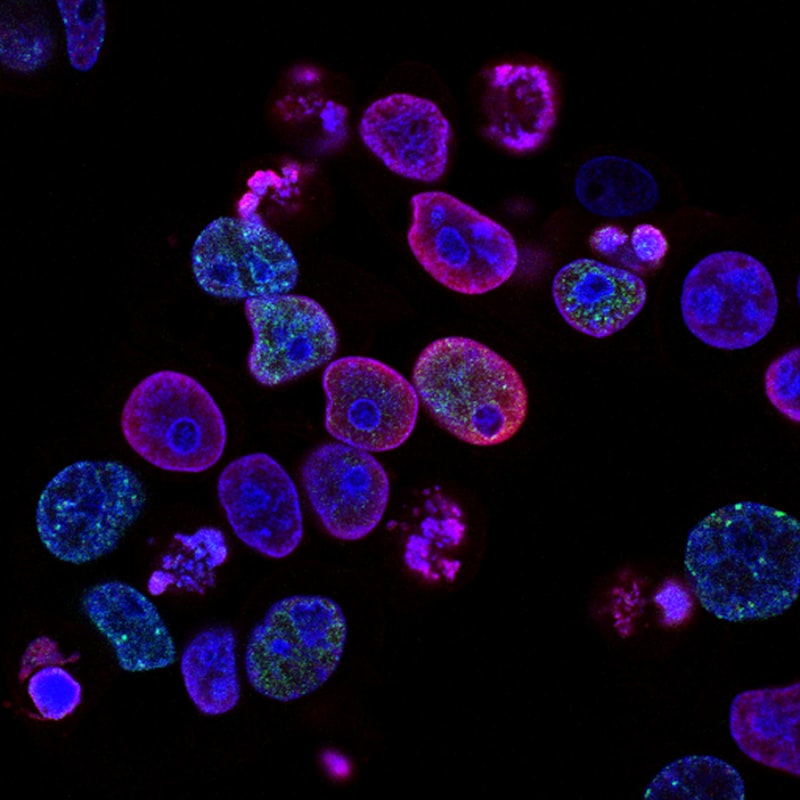
In contrast, apoptosis is an active, energy-dependent process requiring the precise manifestation of specific genetic instructions. It is characterized by highly organized morphological changes: the cell shrinks, the chromatin condenses, the nucleus fragments, and the plasma membrane forms distinct blebs. Crucially, the cell breaks down into small, membrane-bound vesicles known as apoptotic bodies. These bodies are rapidly recognized and engulfed by phagocytes, such as macrophages, without inducing inflammation. Apoptosis is thus a clean, genetically controlled disposal mechanism, necessitating the activation of specific “death genes” that encode the requisite molecular executioners.
The pathways regulating apoptosis are broadly categorized into two main branches: the extrinsic (death receptor-initiated) pathway and the intrinsic (mitochondrial) pathway. Both pathways ultimately converge on the activation of a family of cysteine proteases known as caspases, which act as the primary executioners. The activation of the genes governing these pathways dictates whether the cell lives or dies. The intrinsic pathway, often linked to cellular stress, utilizes pro-apoptotic genes to destabilize the mitochondrial membrane, leading to the release of cytochrome c, a key molecule that initiates the caspase cascade in the cytosol.
Central Regulatory Pathways and Gene Families
The core of the genetic machinery governing programmed cell death involves several highly conserved gene families. The most critical regulatory family is the Bcl-2 family (B-cell lymphoma 2), which comprises both pro-survival (anti-apoptotic) members and pro-death (pro-apoptotic) members. The balance between the expression and activity of these opposing forces determines the cell’s commitment to apoptosis via the intrinsic pathway. Anti-apoptotic members, such as Bcl-2 and Bcl-xL, reside primarily on the mitochondrial membrane, where they inhibit the release of pro-apoptotic factors. Pro-apoptotic members, such as Bax and Bak, facilitate mitochondrial outer membrane permeabilization (MOMP), the critical step leading to cytochrome c release and subsequent cell death.
Another pivotal component of the “death gene” network is the tumor suppressor gene p53, often called “the guardian of the genome.” While p53 is predominantly known for its role in cell cycle arrest and DNA repair following damage, severe or irreparable damage prompts p53 to initiate transcription of pro-apoptotic genes. These target genes include Bax and Puma (p53 upregulated modulator of apoptosis). Thus, p53 acts as a key upstream sensor that translates environmental stress or genetic errors into a death signal, thereby ensuring genomic integrity by eliminating potentially harmful cells. The precise level and duration of p53 activation determine whether the outcome is repair or death.
The interaction between these gene products is complex and subject to multiple levels of feedback and regulation. The decision to die is typically irreversible once MOMP occurs and the executioner caspases are fully activated. The signaling involves intricate protein-protein interactions where pro-apoptotic members of the Bcl-2 family must overcome the inhibitory control exerted by the anti-apoptotic members. This regulatory balance highlights why the term “death gene” is misleading; the cell fate is determined not by a single gene, but by the dynamic ratio and concerted action of multiple gene products working within a highly constrained regulatory circuit.
Key gene product families involved in initiating and regulating apoptosis include:
- Bcl-2 Family: Functions as the primary regulator of mitochondrial integrity, dictating the release of pro-apoptotic factors like Cytochrome c.
- Caspases: The main executioner enzymes responsible for the proteolysis of cellular components.
- p53: A major transcriptional regulator that responds to cellular stress and initiates the expression of specific pro-apoptotic genes (e.g., Puma, Noxa).
- Death Receptors (e.g., Fas, TNFR): Components of the extrinsic pathway that, when bound by specific ligands, signal directly to initiate caspase activation.
Executioners of Fate: The Caspase Cascade
The ultimate manifestation of the “death gene” pathway involves the activation of the caspase cascade. Caspases are synthesized as inactive proenzymes (zymogens) and require proteolytic cleavage to become active. They are categorized based on their function: initiator caspases (such as Caspase-8, -9, and -10) and executioner caspases (such as Caspase-3, -6, and -7). Initiator caspases are responsible for sensing the upstream death signals and aggregating into large complexes (the apoptosome in the intrinsic pathway, or the DISC in the extrinsic pathway). Once activated, these initiator caspases cleave and activate the executioner caspases, amplifying the death signal dramatically.
The executioner caspases are responsible for the systematic and orderly destruction of the cell. They target hundreds of vital cellular substrates, ensuring the cellular morphology characteristic of apoptosis. These targets include nuclear lamins (leading to nuclear fragmentation), enzymes involved in DNA repair (ensuring the cell cannot recover), and cytoskeletal components (leading to cell shrinkage and blebbing). The precision of caspase action ensures that the cell is destroyed efficiently without releasing harmful contents, reinforcing the concept that apoptosis is a highly controlled, genetically programmed event.
The activation of Caspase-3 is considered the point of no return for most apoptotic pathways. Once active, this enzyme dismantles the structural integrity of the cell and activates other enzymes, such as the Caspase-Activated DNase (CAD), which moves into the nucleus to fragment the DNA into characteristic ladder-like pieces. The regulation of caspase activation is extremely tight, preventing spurious cell death. This regulation relies heavily on inhibitors of apoptosis proteins (IAPs), which keep caspases dormant until the death signal is dominant and irreversible.
Checks and Balances: Anti-Apoptotic Mechanisms
Cellular survival is maintained by an equally potent set of anti-apoptotic genes and mechanisms that actively suppress the intrinsic death program. These genes ensure that cells only undergo apoptosis when genuinely necessary, preventing tissue atrophy or developmental errors caused by unwarranted cell loss. The primary members of the anti-apoptotic mechanism are the pro-survival members of the Bcl-2 family, including Bcl-2 itself and Bcl-xL. These proteins function by binding to and sequestering the pro-apoptotic members (like Bax and Bak), thereby stabilizing the mitochondrial membrane and preventing the release of cytochrome c.
Furthermore, survival signals often activate specific kinases, which phosphorylate and inactivate key pro-apoptotic proteins, effectively shutting down the death machinery. Growth factors, hormones, and cytokines bind to cell surface receptors, triggering signal transduction pathways (such as the PI3K/Akt pathway) that promote cell survival. These pathways often lead to the increased transcription of anti-apoptotic genes or the suppression of pro-apoptotic transcription factors. The constant dynamic tension between pro-survival and pro-death signals defines cellular health and longevity.
Another critical set of regulatory molecules are the Inhibitors of Apoptosis Proteins (IAPs). IAPs directly bind to and inhibit active caspases, thereby maintaining a crucial brake on the execution phase of apoptosis. Cells must actively overcome IAP inhibition—often through the release of mitochondrial factors like Smac/Diablo—in order to proceed with full caspase activation. This multi-layered system of checks and balances underscores the biological importance of controlling cell numbers, demonstrating that the so-called “death gene” pathway is subject to profound and complex inhibition.
Morphogenesis and Homeostatic Necessity
Far from being solely associated with disease or damage, the timely manifestation of programmed cell death genes is absolutely essential for normal embryonic development, tissue sculpting (morphogenesis), and maintaining adult tissue homeostasis. During embryogenesis, apoptosis is necessary to remove transient structures, shape organs, and ensure the proper spacing of neuronal connections. Classic examples include the removal of the tissue webbing between the developing digits in mammals, allowing for the formation of separate fingers and toes. If the death genes fail to activate properly in these interdigital regions, fused digits (syndactyly) can result.
In the adult organism, apoptosis maintains cell population balance in tissues with high turnover rates, such as the epithelium of the gut or the blood cell lineages. The immune system, in particular, relies heavily on PCD genes. Following a successful immune response, effector lymphocytes must be eliminated to prevent autoimmunity; this process, known as contraction of the immune response, is mediated by the activation of death receptor pathways (extrinsic apoptosis). Furthermore, the elimination of damaged, infected, or potentially cancerous cells is a continuous surveillance function critical for preventing disease initiation.
This constructive role highlights that the genes involved in programmed cell death are not intrinsically destructive; rather, they are instruments of biological precision. They ensure the proper assembly and maintenance of the organism by facilitating the scheduled removal of superfluous or dangerous cellular components. This necessity confirms that the genetic programming for death is as fundamental to life as the programming for proliferation and growth.
Pathological Implications in Malignancy and Degeneration
Dysfunction in the pathways governed by pro-apoptotic and anti-apoptotic genes is a hallmark of numerous pathological conditions. When the “death genes” fail to activate effectively, the result is the inappropriate survival of damaged or mutated cells, most notably observed in cancer. Malignant cells often acquire mutations that confer resistance to apoptosis, allowing them to evade immune surveillance and chemotherapy. Common mechanisms of resistance involve the overexpression of anti-apoptotic Bcl-2 members (like Bcl-2 and Bcl-xL) or functional inactivation of the p53 tumor suppressor gene, thereby disrupting the cell’s ability to initiate the intrinsic death pathway in response to damage.
Conversely, excessive or inappropriate activation of the pro-apoptotic genetic machinery leads to the pathological destruction of vital tissue. This phenomenon is prominent in various neurodegenerative disorders, including Alzheimer’s disease, Parkinson’s disease, and stroke. In these conditions, chronic cellular stress, oxidative damage, or excitotoxicity can push vulnerable neurons past the threshold for survival, leading to the activation of the intrinsic apoptotic pathway and subsequent neuronal loss. Therapeutic strategies in neurodegeneration often focus on identifying targets that can inhibit the inappropriate activation of these death genes.
The complex interplay between genetic factors and environmental stressors determines the pathological outcome. For example, in autoimmune diseases, the failure to eliminate autoreactive lymphocytes via apoptosis leads to chronic inflammation and tissue destruction. In myocardial infarction (heart attack), ischemic injury often triggers apoptosis in heart muscle cells surrounding the necrotic core, contributing significantly to the functional deficit. Thus, manipulating the genetic switches that control cell death—whether by inducing apoptosis in cancer or inhibiting it in neurodegeneration—represents a major focus of modern pharmaceutical development.
Criticisms of the Monolithic “Death Gene” Designation
As noted previously, the scientific community holds reservations regarding the use of the term “death gene.” The primary criticism stems from the misleading simplicity of the phrase, which fails to capture the intricate, highly regulated nature of programmed cell death. Apoptosis is not controlled by a single gene product but by the dynamic expression and modification of hundreds of genes that interact across multiple subcellular compartments. Using a singular term obscures the essential regulatory balance between survival promoters and death promoters.
Researchers prefer precise terminology, such as pro-apoptotic regulators, initiator caspases, or Bcl-2 family members, because these terms accurately reflect the specific molecular roles. Most genes involved in PCD are pleiotropic, meaning they have functions outside of cell death. For example, Caspase-8, while a key initiator of apoptosis, is also involved in T-cell activation and proliferation pathways. Similarly, the Bcl-2 protein can influence mitochondrial metabolism independent of its role in preventing MOMP. This dual functionality renders the designation “death gene” inaccurate in describing the full scope of their biological activity.
Furthermore, the term overlooks the crucial fact that the commitment to death is often transcriptional—that is, the cell must actively transcribe and translate the necessary molecular machinery only after receiving severe or sustained stress signals. The gene itself is always present, but its manifestation and functional expression are tightly controlled. Therefore, the focus should be less on the inherent existence of a “death gene” and more on the regulatory mechanisms that govern its functional expression, transition, and amplification within the broader context of cellular signaling pathways.