Major Depressive Disorder: Escaping the Persistent Void
Scientifically Reviewed · Dr. Marwa Abd-Alazim · September 23, 2026
Review Criteria & Clinical Standards
This content undergoes rigorous scientific peer-review and medical editorial standards at Arab Psychology Network to ensure clinical accuracy, validity, and compliance with evidence-based guidelines from leading psychological and healthcare authorities (APA / WHO).

Conceptualizing Deep Depression and Its Clinical Significance
Deep depression, often referred to in clinical settings as a profound manifestation of major depressive disorder, represents a severe psychiatric condition that transcends transient feelings of sadness. This disorder is characterized by a pervasive and persistent low mood that fundamentally alters an individual’s perception of the world and their place within it. Unlike standard emotional fluctuations, deep depression involves a chronic lack of interest in nearly all activities, a state known as anhedonia, which strips away the pleasure once derived from hobbies, social interactions, and personal achievements. The clinical significance of this condition cannot be overstated, as it serves as a primary driver of disability worldwide, impacting not only the individual’s internal emotional state but also their external capacity to meet the demands of daily existence.
The experience of deep depression is frequently described by patients as an all-encompassing “fog” or a “heavy weight” that renders even the simplest tasks, such as maintaining personal hygiene or engaging in basic conversation, feel insurmountable. This profound emotional state is often accompanied by debilitating feelings of worthlessness, excessive guilt, and a sense of helplessness that can become self-perpetuating. When an individual feels that their situation is irredeemable, the motivation to seek help or engage in self-care diminishes, creating a cycle of despair that requires professional intervention to break. The gravity of these symptoms necessitates a comprehensive understanding of the disorder’s multifaceted nature, moving beyond simple definitions to explore the complex interplay of biology and psychology.
Furthermore, the impact of deep depression extends into the realm of social and occupational functioning. Individuals suffering from this level of depressive severity often find it impossible to maintain consistent employment or academic performance, leading to secondary stressors such as financial instability or academic failure. Relationships with family and friends frequently become strained as the depressed individual withdraws into social isolation, further exacerbating the feelings of loneliness and abandonment. By recognizing deep depression as a legitimate and severe medical crisis rather than a character flaw or a temporary mood, the medical community can better address the holistic needs of the patient, ensuring that both the psychological and functional aspects of the disorder are treated with equal urgency.
Symptomatic Presentation and Physical Manifestations
The symptomatology of deep depression is diverse, encompassing a wide range of physical, cognitive, and emotional indicators that vary in intensity between individuals. One of the most prominent physical symptoms is fatigue, which is often described as a total lack of energy that is not relieved by rest. This lethargy is frequently coupled with significant changes in sleep patterns, where individuals may experience insomnia—the inability to fall or stay asleep—or hypersomnia, characterized by excessive sleeping throughout the day. These disruptions to the circadian rhythm further impair the body’s ability to regulate mood and cognitive function, creating a physiological feedback loop that worsens the depressive state.
In addition to sleep disturbances, deep depression commonly manifests through significant changes in appetite and weight. Some individuals may experience a complete loss of interest in food, leading to rapid weight loss and nutritional deficiencies, while others may turn to food as a maladaptive coping mechanism, resulting in significant weight gain. These physical changes are often accompanied by psychomotor agitation or retardation, where the individual’s physical movements and speech become visibly slowed or, conversely, restless and jerky. These observable signs are critical for clinicians during the diagnostic process, as they provide objective evidence of the underlying neurological and psychological distress.
Cognitive impairments are equally prevalent in cases of severe depression, often manifesting as extreme difficulty concentrating, indecisiveness, and memory lapses. The “cognitive slowing” associated with deep depression makes it challenging for individuals to process information or make even minor decisions, such as what to wear or what to eat. Most critically, the disorder can lead to recurring thoughts of suicide or self-harm. These thoughts may range from passive ideation—wishing one were dead—to active planning. The presence of suicidal ideation marks a psychiatric emergency and underscores the life-threatening potential of deep depression, necessitating immediate and intensive clinical support to ensure the safety of the individual.
Biological Foundations and Genetic Predisposition
The etiology of deep depression is deeply rooted in biological processes, with extensive research suggesting that the disorder is influenced by a complex genetic predisposition. Studies involving twins and families have consistently shown that individuals with a first-degree relative who suffers from major depression are at a significantly higher risk of developing the condition themselves. This genetic link suggests that certain individuals inherit a biological vulnerability that makes them more susceptible to the triggers of depression. However, genetics do not act in isolation; rather, they interact with environmental stressors to determine the onset and severity of the disorder, a concept known as the gene-environment interaction.
Beyond genetics, the role of hormones is a critical factor in the biological landscape of deep depression. Dysregulation of the hypothalamic-pituitary-adrenal (HPA) axis, which governs the body’s response to stress, has been closely linked to depressive symptoms. When the HPA axis is overactive, it leads to elevated levels of cortisol, the body’s primary stress hormone. Chronic exposure to high levels of cortisol can damage the hippocampus—the area of the brain responsible for memory and emotional regulation—and inhibit the growth of new neurons. This hormonal imbalance provides a clear biological explanation for why prolonged stress can lead to a “deep” and lasting depressive state that is difficult to reverse through willpower alone.
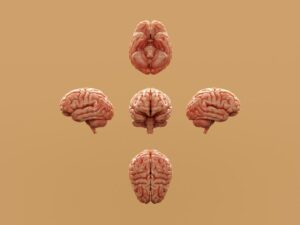
Additionally, structural changes in the brain have been observed in individuals with chronic deep depression. Neuroimaging studies have revealed reduced volume in certain brain regions, such as the prefrontal cortex and the amygdala, which are essential for executive function and emotional processing, respectively. These structural abnormalities suggest that depression is not merely a “chemical imbalance” but a systemic neurological condition that affects the physical architecture of the brain. Understanding these biological foundations is essential for developing targeted medical treatments that can address the root physiological causes of the disorder, moving beyond symptom management toward long-term neurological recovery.
Neurochemical Dynamics and the Role of Neurotransmitters
A primary focus of biological psychiatry in the context of deep depression is the role of neurotransmitters, the chemical messengers that facilitate communication between neurons in the brain. The monoamine hypothesis suggests that depression is caused by a deficiency in certain neurotransmitters, particularly serotonin, norepinephrine, and dopamine. Serotonin is often referred to as the “feel-good” chemical, playing a vital role in regulating mood, sleep, and appetite. When serotonin levels are low or when the brain’s receptors are not functioning correctly, individuals may experience the profound sadness and irritability characteristic of deep depression.
Norepinephrine and dopamine are equally important in the neurochemical equation of depression. Norepinephrine is involved in the body’s “fight or flight” response and contributes to energy levels and alertness. A deficiency in this neurotransmitter can lead to the extreme fatigue and mental “fogginess” that many depressed patients report. Dopamine, on the other hand, is the primary driver of the brain’s reward system. A lack of dopamine activity is directly linked to anhedonia, as the brain loses its ability to register pleasure or motivation. This neurochemical depletion explains why individuals in a deep depression find it impossible to “snap out of it,” as the biological machinery required for motivation and joy is effectively offline.
Modern research has expanded this view to include the role of glutamate and GABA, neurotransmitters that regulate overall brain excitability and neuroplasticity. Deep depression may involve a failure of neuroplasticity—the brain’s ability to form new connections and adapt to new information. When the brain becomes “stuck” in a negative neural circuit, it reinforces depressive thought patterns and behaviors. Innovative treatments, such as ketamine therapy, aim to target these glutamatergic pathways to rapidly restore synaptic connections. This evolving understanding of neurochemistry highlights the necessity of a sophisticated pharmacological approach to treatment, ensuring that the specific chemical imbalances of each patient are addressed.
Psychological Determinants and Cognitive Vulnerabilities
While biology provides the foundation, psychological factors play a pivotal role in the development and maintenance of deep depression. Traumatic life events, particularly those occurring in childhood, can create lasting psychological scars that increase vulnerability to depression in adulthood. Experiences such as abuse, neglect, or the early loss of a parent can alter an individual’s internal working model of the world, leading to a pervasive sense of insecurity and a lack of self-worth. These traumatic life events often serve as the initial catalyst for depressive episodes, especially when subsequent adult stressors mirror the original trauma.
Personality traits also contribute significantly to the risk profile for deep depression. Individuals who exhibit high levels of neuroticism—a tendency toward emotional instability and negative affect—are more likely to experience severe depressive symptoms. Similarly, certain personality traits such as perfectionism or a high degree of self-criticism can lead to a constant sense of failure. When an individual sets unattainable standards for themselves, any perceived shortcoming is internalized as a sign of worthlessness, fueling the cycle of guilt and helplessness. These psychological constructs often become deeply ingrained, requiring intensive therapeutic work to deconstruct and replace with healthier self-perceptions.
Family dynamics and early attachment styles further shape an individual’s psychological resilience. Growing up in an environment characterized by high expressed emotion, criticism, or emotional coldness can prevent a child from developing effective emotional regulation skills. In adulthood, these individuals may lack the “psychological toolkit” necessary to navigate complex emotions or interpersonal conflicts. Psychological factors such as learned helplessness—a state where an individual feels they have no control over negative outcomes—can lead to a complete cessation of effort to improve one’s circumstances. Addressing these deep-seated psychological patterns is a cornerstone of effective treatment, as it allows the individual to gain mastery over their internal narrative.
Sociocultural and Environmental Stressors
The environment in which an individual lives and works has a profound impact on the manifestation of deep depression. Social isolation is perhaps one of the most significant environmental risk factors; humans are inherently social creatures, and the lack of a robust support system can lead to a sense of profound loneliness and alienation. In the modern era, despite increased digital connectivity, many individuals report feeling more isolated than ever. This lack of meaningful human connection deprives the individual of the emotional buffering that social support provides during difficult times, making them more susceptible to the downward spiral of depression.
Economic and professional pressures also serve as major environmental catalysts for deep depression. Financial stress, including debt, poverty, or the sudden loss of income, creates a chronic state of anxiety that can easily transition into depression. The constant worry about meeting basic needs can be exhausting, leaving the individual with little emotional energy to cope with other life challenges. Similarly, work-related stress—characterized by high demands, low control, and a lack of recognition—can lead to burnout, which is frequently a precursor to or a component of a deep depressive episode. The modern workplace’s emphasis on constant productivity often leaves little room for the recovery and self-care necessary to maintain mental health.
Furthermore, broader sociocultural factors, such as systemic discrimination, political instability, or the impact of a global crisis, can contribute to a collective sense of hopelessness. For individuals already predisposed to depression, these external pressures can be the “tipping point” that leads to a clinical crisis. Environmental factors are often the most difficult to change, as they involve systemic issues beyond the individual’s direct control. However, recognizing the impact of these stressors is vital for a holistic treatment plan, which may include social work, vocational counseling, or community engagement alongside traditional medical and psychological therapies.
Diagnostic Evaluation and Clinical Methodology
The diagnosis of deep depression is a meticulous process that requires a thorough assessment of the individual’s clinical history, current symptoms, and life circumstances. Clinicians typically utilize the criteria set forth in the Diagnostic and Statistical Manual of Mental Disorders (DSM-5) to ensure an accurate diagnosis. This involves identifying the presence of at least five symptoms over a two-week period, with at least one symptom being either a depressed mood or a loss of interest or pleasure. The assessment must also rule out other potential causes for the symptoms, such as thyroid dysfunction, substance abuse, or other psychiatric disorders like bipolar disorder or schizophrenia.
During the clinical interview, the practitioner explores the duration, frequency, and intensity of the patient’s symptoms. It is essential to determine the level of functional impairment—how much the depression is interfering with the patient’s ability to work, study, and maintain relationships. Assessment tools such as the Patient Health Questionnaire-9 (PHQ-9) or the Beck Depression Inventory (BDI) are often used to quantify the severity of the depression. These standardized tests provide a baseline that can be used to monitor the effectiveness of treatment over time. A critical component of this evaluation is the suicide risk assessment, where the clinician directly asks about thoughts of self-harm to determine if immediate hospitalization or intensive outpatient care is required.
A comprehensive diagnostic evaluation also takes into account the “bio-psycho-social” model, looking at the patient from all angles. This may include blood tests to check for vitamin deficiencies or hormonal imbalances that could be mimicking or exacerbating depressive symptoms. The clinician also gathers information about the patient’s family history and previous responses to treatment. This holistic approach ensures that the resulting treatment plan is tailored to the individual’s specific needs, addressing the unique combination of factors that led to their current state. Accuracy in diagnosis is the foundation upon which all successful recovery efforts are built, as it dictates the specific types of medication and therapy that will be most effective.
Pharmacological Modalities in Treatment
Pharmacotherapy is a cornerstone in the management of deep depression, particularly when symptoms are severe enough to impede the patient’s ability to engage in psychotherapy. The primary class of medications used is antidepressants, which work by altering the levels of neurotransmitters in the brain. Selective serotonin reuptake inhibitors (SSRIs), such as fluoxetine or sertraline, are typically the first line of treatment due to their relatively mild side effect profile and efficacy in increasing serotonin availability. By preventing the reabsorption of serotonin into the neurons, these medications enhance the transmission of signals that regulate mood and emotional stability.
In cases where SSRIs are not fully effective, clinicians may prescribe serotonin-norepinephrine reuptake inhibitors (SNRIs) or atypical antidepressants that target multiple neurotransmitter systems. For individuals with treatment-resistant deep depression, mood stabilizers such as lithium may be added to the regimen. While lithium is most commonly associated with bipolar disorder, it has powerful anti-depressive and anti-suicidal properties that can be life-saving for patients with unipolar depression. The process of finding the right medication often requires patience, as it can take several weeks for the full therapeutic effects to manifest, and adjustments to dosage or type are frequently necessary.
It is important to note that medication management must be closely monitored by a healthcare professional to manage potential side effects and ensure patient safety. Some individuals may experience initial side effects such as nausea, weight changes, or sleep disturbances, which often subside as the body adjusts. For those with the most severe forms of deep depression who do not respond to traditional medication, more intensive biological treatments like Electroconvulsive Therapy (ECT) or Transcranial Magnetic Stimulation (TMS) may be considered. These interventions can provide rapid relief for patients in crisis, offering a bridge to long-term stability through continued medication and therapy.
Psychotherapeutic Interventions and Evidence-Based Practices
Psychotherapy is an essential component of a comprehensive treatment plan for deep depression, providing the tools necessary for long-term emotional regulation and cognitive restructuring. Cognitive-behavioral therapy (CBT) is one of the most widely researched and effective forms of therapy for depression. CBT focuses on identifying and challenging the “cognitive distortions”—negative thought patterns like catastrophizing or overgeneralization—that fuel depressive feelings. By teaching patients to replace these irrational thoughts with more balanced perspectives, CBT helps break the cycle of worthlessness and guilt that characterizes the disorder.
Another highly effective modality is interpersonal therapy (IPT), which focuses on the patient’s relationships and social roles. Given that social isolation and interpersonal conflict are often both causes and consequences of deep depression, IPT aims to improve communication skills and resolve current relationship issues. By strengthening the patient’s social support network, IPT reduces the burden of the disorder and provides a more stable environment for recovery. For individuals who struggle with intense emotional dysregulation or chronic suicidal ideation, dialectical behavior therapy (DBT) offers specialized techniques in mindfulness, distress tolerance, and emotional regulation, helping patients manage the most acute symptoms of their condition.
The combination of medication and psychotherapy is generally considered the “gold standard” for treating deep depression. While medication addresses the biological underpinnings and provides symptomatic relief, therapy addresses the psychological and environmental factors that contribute to the disorder. This dual approach ensures that the patient is not only feeling better in the short term but is also developing the resilience and coping strategies needed to prevent future relapses. The therapeutic relationship itself—the bond between the therapist and the patient—serves as a vital source of hope and validation, reminding the individual that they are not alone in their struggle.
Recovery, Prognosis, and Academic Resources
While deep depression is an undeniably serious and often debilitating condition, the prognosis for most individuals is positive when evidence-based treatment is utilized. Treatment success is not defined by the immediate absence of all symptoms, but rather by a gradual return to functioning in daily life and a significant reduction in the intensity of the depressive “lows.” Many individuals find that with the right combination of medication and therapy, they are able to regain their interest in life, rebuild their relationships, and return to their professional or academic pursuits. Recovery is often a non-linear process, involving periods of significant progress followed by challenges, but the long-term trend for those who stay engaged in treatment is one of improvement.
The path to recovery also involves lifestyle modifications that support mental health, such as regular physical exercise, a balanced diet, and the establishment of healthy sleep hygiene. These behaviors complement clinical treatments by improving overall physiological resilience and reducing the impact of environmental stressors. Furthermore, ongoing maintenance therapy or “booster” sessions can help individuals recognize early warning signs of a potential relapse, allowing for early intervention before a full depressive episode occurs. The goal of recovery is to empower the individual with the knowledge and tools to manage their mental health proactively, transforming from a passive sufferer into an active participant in their own well-being.
For those seeking to deepen their understanding of deep depression, the following scholarly resources provide extensive data and clinical guidelines:
- American Psychiatric Association. (2013). Diagnostic and statistical manual of mental disorders (5th ed.). Arlington, VA: American Psychiatric Publishing. This text provides the definitive criteria for diagnosing depressive disorders.
- Kessler, R. C., et al. (2005). “Lifetime prevalence and age-of-onset distributions of DSM-IV disorders in the National Comorbidity Survey Replication.” Archives of General Psychiatry. This study offers insights into the prevalence and impact of depression across the population.
- National Institute of Mental Health (NIMH). (2020). Mental health medications and Psychotherapies. These online resources provide up-to-date information on the latest evidence-based treatments and pharmacological interventions.
Through continued research and public awareness, the stigma surrounding deep depression continues to diminish, ensuring that more individuals receive the life-saving care they require.