Neural Architecture: How Your Neurons Shape Every Thought
Scientifically Reviewed · Dr. Marwa Abd-Alazim · September 4, 2026
Review Criteria & Clinical Standards
This content undergoes rigorous scientific peer-review and medical editorial standards at Arab Psychology Network to ensure clinical accuracy, validity, and compliance with evidence-based guidelines from leading psychological and healthcare authorities (APA / WHO).
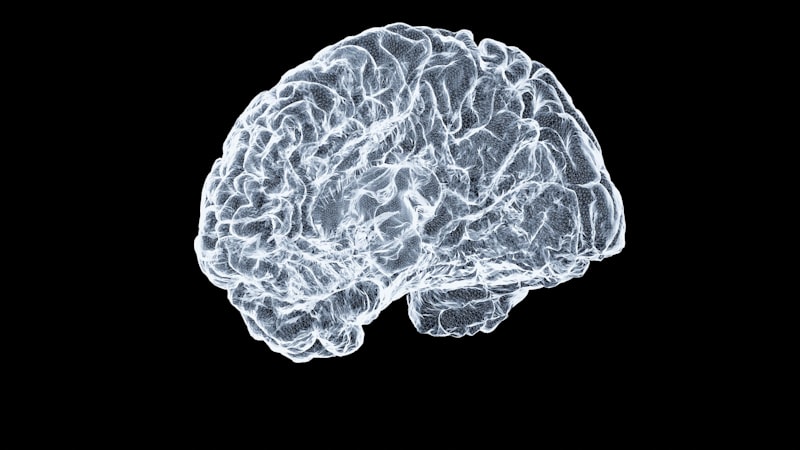
The dendritic zone constitutes the critically important receptive surface of a neuron, serving as the primary interface through which the nerve cell receives, processes, and integrates electrochemical signals from thousands of neighboring neurons. Functionally, this zone encompasses the vast network of dendrites and associated structures, extending outward from the soma, or cell body. The fundamental definition of the dendritic zone highlights its role as any part of the neuronal surface that is receptive; this inherently distinguishes it from the axonal zone, which is dedicated to signal transmission and output. This complex arborization is not merely a passive antenna but a highly dynamic and computationally active structure crucial for determining whether a neuron will fire an action potential, thereby underpinning all complex neurocircuitry and cognitive function.
Definition and Fundamental Role
The dendritic zone is the anatomical and functional domain responsible for capturing the vast array of synaptic inputs that impinge upon the neuron. In essence, it defines the input segment of the neuron, managing the initial stages of signal transduction from chemical neurotransmission into electrical events known as postsynaptic potentials. These potentials, which may be excitatory (EPSPs) or inhibitory (IPSPs), are generated at the synapses—often located on specialized protrusions called dendritic spines—and must be spatially and temporally integrated across the entire dendritic tree before reaching the axon hillock. This integration capacity confirms the dendritic zone’s role not just in reception, but in preliminary computation, influencing the overall excitability state of the neuron and regulating the flow of information through neural networks.
A key aspect of the dendritic zone’s functionality involves maximizing surface area to accommodate the staggering number of synaptic contacts required for sophisticated brain function. Pyramidal neurons, common in the cerebral cortex and hippocampus, can receive tens of thousands of inputs, each targeted precisely onto the dendritic arbor. The morphology of the dendritic tree—its branching pattern, length, and diameter—is therefore directly correlated with the neuron’s computational complexity and its position within a specific circuit. Furthermore, the capacity for the dendritic zone to be structurally and functionally modified over time is the biological substrate for synaptic plasticity, the core mechanism underlying learning and memory formation.
It is important to conceptualize the dendritic zone as a collection of specialized microdomains, each capable of operating with a degree of independence. While inputs converge towards the soma, the dendrites are not electrically inert cables; they possess intrinsic electrical properties, including voltage-gated ion channels, that actively modulate incoming signals. This active processing allows the dendrites to filter noise, amplify weak signals, and compartmentalize synaptic inputs, ensuring that the final output decision of the neuron is based upon a highly refined synthesis of thousands of simultaneous inputs. This sophisticated filtering mechanism elevates the neuron beyond a simple integration point into a complex computational unit.
Anatomical Structure of Dendrites
The anatomical structure of dendrites, collectively forming the dendritic arbor, is highly diverse and cell-type specific, a characteristic reflecting the specialized functions of various neuronal populations. Dendrites typically emanate from the neuronal soma, branching extensively in a tree-like fashion—a process known as arborization. This branching process is crucial for increasing the surface area available for synaptic contacts. The extent of this arborization, ranging from the relatively simple bipolar dendrites of retinal neurons to the expansive, intricate trees of cerebellar Purkinje cells, is a primary determinant of the neuron’s potential connectivity and information processing capacity. The geometry and orientation of the dendritic tree dictate the precise fields from which a neuron can receive input, spatially organizing the incoming information.
Dendritic segments are generally tapered, meaning their diameter decreases with distance from the soma, a structural feature that significantly influences their electrical properties. The internal structure of dendrites is supported by a rich cytoskeleton composed primarily of microtubules and associated proteins, which maintain the structural integrity and provide tracks for the transport of critical cellular machinery, including mRNA, ribosomes, and mitochondria, necessary for local protein synthesis at synaptic sites. This capacity for localized protein synthesis near the synapse is essential for rapid and sustained changes required during plasticity and growth, ensuring that the receptive zone can quickly adapt to environmental demands.
The composition of the dendritic membrane differs substantially from the axonal membrane. While the axon is densely populated with voltage-gated sodium channels necessary for rapid action potential propagation, dendrites contain a diverse array of voltage-gated channels—including calcium, potassium, and sometimes lower densities of sodium channels—that contribute to the active propagation and shaping of postsynaptic potentials. These dendritic channels enable complex computations such as local dendritic spiking, which allows a specific branch to act as a semi-independent integration unit, boosting the efficacy of clustered inputs and enhancing the neuron’s ability to detect coincident inputs across different dendritic locations.
Furthermore, the morphology of the dendritic zone is profoundly influenced by its extracellular environment and supporting glial cells. Astrocytes, in particular, tightly regulate the synaptic microenvironment, controlling neurotransmitter clearance and modulating synaptic strength. The precise arrangement of the dendritic arbor within the neuropil is not random; it is highly constrained by developmental programs and regulated by activity-dependent mechanisms, ensuring the formation of highly specific and reliable neural circuits. The study of dendritic morphology, or dendroarchitectonics, provides deep insight into the functional specialization and pathology of various brain regions.
The Role of Dendritic Spines
Within the dendritic zone, the vast majority of excitatory synapses are housed upon minute, mushroom-shaped protrusions known as dendritic spines. These structures are integral components of the receptive surface, acting as the primary postsynaptic compartments for excitatory input. A single cortical pyramidal neuron may possess tens of thousands of spines, each encapsulating a synapse. The spine serves a vital function by compartmentalizing the biochemical signals generated by neurotransmitter binding. This compartmentalization is achieved by the narrow neck of the spine, which restricts the diffusion of molecules, particularly calcium ions, thereby ensuring that synaptic activity at one spine does not unduly interfere with neighboring synapses, allowing for synapse-specific modulation.
Dendritic spines are highly plastic structures, exhibiting rapid changes in their morphology, which directly correlates with synaptic efficacy. Spines are typically classified based on their shape: thin, stubby, or mushroom-shaped. Thin spines are often associated with transient or developing synapses; stubby spines lack a distinct neck and are common in certain developmental stages; and mushroom spines, characterized by a large head and a distinct neck, are typically associated with mature, strong, and stable synapses crucial for long-term memory storage. The size of the spine head is directly proportional to the size of the postsynaptic density (PSD) and the number of AMPA receptors present, thus serving as a morphological indicator of synaptic strength.
The structural dynamics of dendritic spines are driven by the underlying actin cytoskeleton. Synaptic activity triggers signaling cascades that rapidly restructure the actin filaments within the spine head and neck, allowing spines to grow, retract, or be eliminated entirely—a process known as spine motility. This dynamic remodeling is fundamental to synaptic plasticity. For instance, the induction of Long-Term Potentiation (LTP), a cellular model for learning, often involves the rapid enlargement and stabilization of dendritic spines, enhancing their receptivity and the strength of the associated synapse. Conversely, activity deprivation or pathological conditions can lead to spine atrophy and loss, contributing to functional impairment.
Signal Integration and Synaptic Plasticity
The dendritic zone functions as the neuron’s primary computational engine, integrating thousands of simultaneous excitatory and inhibitory inputs through complex processes of spatial and temporal summation. Spatial summation occurs when multiple synaptic inputs arriving simultaneously at different locations on the dendritic tree converge, allowing their resultant postsynaptic potentials (PSPs) to additively influence the membrane potential at the soma. Temporal summation involves rapid, successive inputs arriving at the same synapse, where the duration of the PSP allows the potentials to stack upon one another. The interplay between these two forms of summation determines the instantaneous electrical state of the neuron and whether the threshold for generating an action potential will be reached at the axon hillock.
Crucially, the effectiveness of synaptic integration is modulated by the distance of the synapse from the soma and the specific electrical properties of the dendritic branch. Synapses located distally on thin dendrites experience greater signal attenuation than those located proximally. However, the presence of voltage-gated channels, particularly voltage-gated calcium channels, allows dendrites to actively boost attenuated signals. When sufficiently strong excitatory input is received, these channels can trigger local dendritic spikes—regenerative electrical events that significantly amplify the input signal, ensuring its effective transmission to the soma. This active contribution means that the dendritic zone does not simply passively relay signals, but applies complex, non-linear transformation rules to the incoming information.
The computational power of the dendritic zone is intrinsically linked to synaptic plasticity, the enduring change in synaptic strength based on prior activity. Hebbian learning rules, often summarized as “neurons that fire together, wire together,” are implemented through modifications in the dendritic zone. High-frequency stimulation, characteristic of coincident pre- and postsynaptic activity, leads to the insertion of new AMPA receptors into the postsynaptic density (PSD) of dendritic spines and the subsequent structural enlargement of the spine, mediating LTP. This enhanced receptivity represents a long-lasting increase in synaptic strength, fundamentally altering the neuron’s future response to the same input.
Conversely, low-frequency or asynchronous activity can lead to Long-Term Depression (LTD), involving the removal of AMPA receptors and often the shrinkage or elimination of the spine, thus weakening the synaptic connection. These opposing forms of plasticity, occurring within the specialized receptive microdomains of the dendritic zone, provide the necessary flexibility for the brain to learn new associations, refine existing circuits, and eliminate outdated information. The dendritic zone is thus the primary locus where experience is encoded into the physical structure and function of the neural network.
Molecular Mechanisms of Reception
The molecular machinery governing reception within the dendritic zone is highly sophisticated, centered on the post-synaptic density (PSD), a dense proteinaceous specialization directly apposed to the presynaptic terminal. This structure is packed with receptors, scaffolding proteins, and signaling enzymes essential for rapid and precise signal transduction. Neurotransmitter release from the presynaptic terminal diffuses across the synaptic cleft and binds to receptors embedded in the dendritic membrane, initiating the receptive event. These receptors fall broadly into two categories: ionotropic receptors and metabotropic receptors.
Ionotropic receptors, such as AMPA, NMDA (for glutamate), and GABA-A receptors, are ligand-gated ion channels. Upon binding of the neurotransmitter, they rapidly change conformation to open an intrinsic pore, allowing ions (e.g., sodium, chloride) to flow across the membrane. This rapid ion flux generates the fast component of the EPSPs (e.g., via AMPA receptors) or IPSPs (e.g., via GABA-A receptors). The NMDA receptor, uniquely requiring both glutamate binding and depolarization to open (due to a magnesium blockade), plays a critical role in plasticity, as its activation permits the influx of calcium ions, which act as a crucial second messenger initiating the molecular cascades necessary for LTP and LTD.
Metabotropic receptors (e.g., mGluRs, GABA-B receptors) do not directly form ion channels but are coupled to G-proteins. Upon activation, they initiate slower, more prolonged changes in dendritic excitability by modulating internal signaling pathways or indirectly affecting the activity of ion channels elsewhere on the dendrite. These slower, modulatory effects are vital for regulating the overall responsiveness and filtering capabilities of the dendritic zone. The interplay between fast ionotropic and slower metabotropic signaling allows the dendritic zone to respond to inputs across multiple timescales, thereby expanding the computational repertoire of the neuron.
Scaffolding proteins within the PSD, such as PSD-95 and Shank, are crucial for organizing and anchoring receptors and signaling molecules in precise spatial arrangements. They ensure the proper alignment of postsynaptic machinery with the presynaptic release sites and facilitate the rapid trafficking of receptors to and from the membrane, a process fundamental to regulating synaptic strength during plasticity. The molecular architecture of the dendritic zone is therefore a highly organized system designed for efficient and adaptable signal reception and processing.
Development and Maturation of the Dendritic Zone
The development of the dendritic zone, known as dendritogenesis, is a protracted and highly regulated process that begins early in neurodevelopment and continues well into adolescence, particularly in higher cortical areas. This process is governed by a complex interplay of genetic programs, intrinsic neuronal activity, and extrinsic signaling molecules derived from the surrounding environment. Initially, young neurons extend rudimentary dendrites, which then undergo extensive branching and elongation to form the mature arbor. The final shape and complexity of the dendritic tree are critical determinants of subsequent circuit formation and cognitive capacity.
The formation of synapses, synaptogenesis, occurs concurrently with dendritogenesis. The establishment of functional synaptic contacts is a potent driver of dendritic maturation. Activity-dependent mechanisms, often mediated by neurotransmitter release and the subsequent activation of NMDA receptors, stabilize nascent dendritic branches and spines, while inactive or inappropriate connections are selectively eliminated through a process known as pruning. This pruning phase, which is particularly active during critical periods of development, refines the initial exuberant connectivity into the precise and efficient circuits required for adult function.
Neurotrophic factors, such as Brain-Derived Neurotrophic Factor (BDNF), play a pivotal role in regulating dendritic growth and maintenance. BDNF signaling promotes the survival of neurons and stimulates the outgrowth and arborization of dendrites, ensuring the development of a structurally sound and complex receptive zone. Deficits in neurotrophic signaling during critical developmental windows can lead to reduced dendritic complexity and altered spine morphology, which are often observed in neurodevelopmental disorders. The precise timing and magnitude of environmental and activity-dependent cues are therefore essential for shaping the optimal architecture of the dendritic zone.
Pathophysiology and Clinical Significance
Abnormalities in the structure and function of the dendritic zone are increasingly recognized as key pathological features underlying a wide range of neurological and psychiatric disorders. Since the dendritic zone is the primary site of input reception and integration, even subtle changes in its morphology or molecular composition can profoundly disrupt neuronal circuit function. Conditions resulting from developmental disruption, such as various forms of Intellectual Disability (ID) and Autism Spectrum Disorder (ASD), frequently exhibit profound alterations in dendritic spine morphology, often characterized by an excess of immature, thin spines or a deficit in mature, mushroom spines, leading to ineffective or unstable synaptic transmission.
In major psychiatric illnesses, including Schizophrenia and Bipolar Disorder, post-mortem studies have consistently revealed reduced dendritic arbor complexity and decreased spine density, particularly in prefrontal and hippocampal pyramidal neurons. This reduction in the receptive surface area correlates strongly with the observed cognitive deficits and impaired information processing characteristic of these disorders. These structural changes suggest a failure in the maintenance or refinement of synaptic architecture, potentially stemming from disrupted neurotrophic signaling or chronic inflammatory processes affecting the dendritic zone.
Neurodegenerative diseases, such as Alzheimer’s Disease (AD), are characterized by significant synaptic loss, which often precedes overt neuronal death. Early stages of AD involve extensive atrophy of dendritic arbors and massive elimination of dendritic spines, particularly in areas critical for memory, such as the hippocampus. Pathological agents, including amyloid-beta oligomers, have been shown to directly induce spine loss and impair synaptic plasticity mechanisms within the dendritic zone, highlighting the vulnerability of the receptive surface to toxic protein accumulation. Understanding how these pathological factors compromise dendritic integrity is crucial for developing targeted therapeutic interventions aimed at preserving synaptic function.
Targeting the molecular pathways that regulate dendritic spine dynamics and receptor trafficking within the dendritic zone represents a promising avenue for pharmacological intervention across numerous brain disorders. Strategies aimed at restoring appropriate levels of receptor expression, stabilizing the actin cytoskeleton in dendritic spines, or boosting neurotrophic support could potentially mitigate synaptic dysfunction and restore the computational integrity of neural circuits compromised by disease or injury. The dendritic zone, therefore, stands as a central focus in current neuroscientific research due to its pivotal role in both normal function and neuropathology.