Neural Denervation: Decoding the Silence of Sensory Loss
Scientifically Reviewed · Dr. Marwa Abd-Alazim · August 22, 2026
Review Criteria & Clinical Standards
This content undergoes rigorous scientific peer-review and medical editorial standards at Arab Psychology Network to ensure clinical accuracy, validity, and compliance with evidence-based guidelines from leading psychological and healthcare authorities (APA / WHO).
The Core Definition of Dendrophily Denervation
The term Dendrophily Denervation, while unique in its specific nomenclature, fundamentally refers to the pathological phenomenon involving the interruption to nerves that supply a particular region or organ of the body. This interruption results in a complete or partial loss of functional communication between the affected area and the rest of the nervous system. At its simplest, it is the state of a tissue or organ being deprived of its normal nerve supply, leading to profound physiological and sometimes psychological consequences. This deprivation can manifest as a loss of sensory input, motor control, or autonomic regulation, depending on the specific type of nerve fibers affected by the damage. The clarity of the definition rests on understanding that denervation is not merely a transient impairment but a structural or functional severing of the neural pathway, demanding significant compensatory mechanisms or medical intervention for recovery.
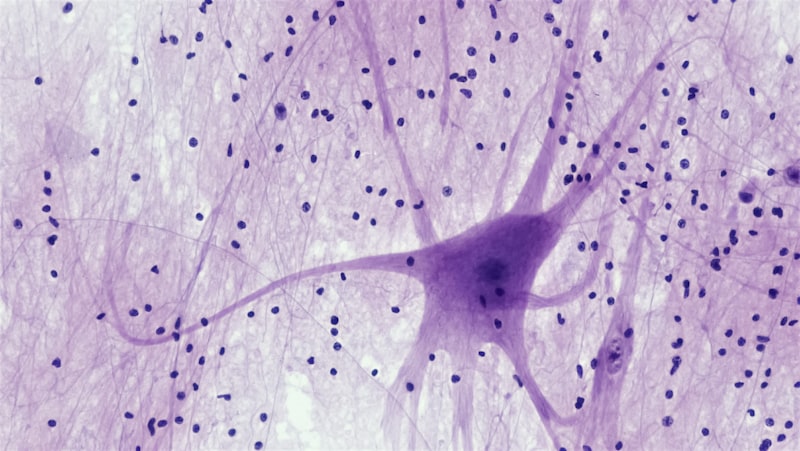
The fundamental mechanism behind this concept involves the disruption of the electrochemical signaling process vital for biological function. Nerves, which are the main conductors of information, rely on the integrity of their axons and myelin sheaths to transmit signals efficiently. When denervation occurs, whether through trauma, compression, disease, or toxic exposure, the pathway for these signals is broken. Consequently, the muscles or glands dependent on these nerves become electrically silent, leading to atrophy or dysfunction over time. This loss of innervation is critical because the nervous system, particularly the Central Nervous System (CNS), requires constant feedback from the periphery to maintain homeostasis and execute conscious actions.
In expanding upon the core idea, it is crucial to differentiate between temporary neural blockades and true denervation. True denervation implies damage severe enough to trigger degenerative processes in the distal segment of the injured nerve fiber, a process often referred to as Wallerian degeneration. This profound structural change means that recovery is not immediate and typically relies on the slow, meticulous process of axonal regeneration originating from the proximal nerve stump. The degree of functional loss experienced by the individual—ranging from mild numbness to complete paralysis—is directly correlated with the location, severity, and completeness of the neural interruption.
Physiological Mechanisms of Nerve Interruption
The physiological processes underpinning denervation are complex and depend heavily on whether the damage occurs within the Peripheral Nervous System (PNS) or the CNS. In the PNS, trauma, such as crushing or severance, initiates Wallerian degeneration, where the segment of the axon separated from the neuronal cell body rapidly disintegrates. This process removes the debris, preparing the endoneurial tubes for potential regeneration. However, this regeneration is slow, typically progressing at a rate of only a few millimeters per day, and is often incomplete, especially over long distances, leading to chronic denervation and associated muscular atrophy.
When the interruption affects the CNS, such as in cases of spinal cord injury, the regenerative capacity is significantly diminished due to inhibitory factors present in the CNS environment, including glial scarring and inhibitory myelin components. The consequence of CNS denervation is often permanent functional loss below the level of the injury. Furthermore, chronic denervation in both systems leads to hypersensitivity in the target tissues. For example, denervated muscle fibers become hypersensitive to neurotransmitters, leading to exaggerated responses if and when innervation is partially restored, complicating rehabilitation efforts and sometimes causing spasticity.
Modern research identifies several types of nerve injury that lead to denervation, classified based on the severity of damage to the axon and surrounding connective tissue sheaths. These classifications help predict the prognosis for recovery. Neuropraxia, the mildest form, involves temporary conduction block without structural damage and typically resolves completely. Axonotmesis involves axonal damage but preservation of the connective tissue, offering a fair prognosis for regeneration. Neurotmesis, the most severe form, involves the complete severance of the nerve trunk, requiring surgical intervention and having the poorest prognosis for full recovery due to the potential for disorganized regeneration and the formation of painful neuromas.
Historical Context and Neurological Foundations
The understanding of nerve function and interruption, while not originally termed Dendrophily Denervation, has roots dating back to ancient medicine. Early physicians like Galen recognized that injuries to the spine or limbs could result in a loss of movement and sensation, implicitly acknowledging the communication pathways of the body. However, the true scientific investigation into the specialized function of nerves began in earnest during the 17th and 18th centuries with pioneering work demonstrating the electrical nature of nerve impulses, notably by Luigi Galvani.
The 19th century brought significant advancements, primarily through the work of researchers like Sir Charles Bell and François Magendie, who established the Bell-Magendie Law. This law differentiated between the sensory (afferent) functions carried by the dorsal roots of the spinal cord and the motor (efferent) functions carried by the ventral roots. This foundational knowledge was crucial for understanding how localized nerve interruption causes distinct functional deficits—loss of sensation versus loss of movement—depending on which roots or peripheral branches were damaged. The systematic study of traumatic denervation became a critical focus, particularly following major conflicts which produced large numbers of patients with severe nerve injuries.
By the early 20th century, the field of neurophysiology had developed sophisticated techniques to study nerve conduction velocity and the structural changes following injury. Researchers began to meticulously map out peripheral nerve pathways, allowing clinicians to precisely diagnose the location of denervation based on the pattern of sensory and motor loss. This historical progression from general observation to precise localization and understanding of axonal repair mechanisms laid the groundwork for modern neurosurgery and rehabilitation protocols aimed at mitigating the long-term effects of nerve interruption.
A Practical Example: Traumatic Spinal Injury
To illustrate the concept of Dendrophily Denervation, consider the provided example: “Joe suffered dendrophily denervation to his legs from a back injury.” This scenario describes a common and devastating form of denervation resulting from a severe Spinal Cord Injury (SCI), which interrupts the crucial neural communication lines between the brain and the lower extremities. Joe’s back injury, perhaps caused by a fall or accident, resulted in damage to the spinal cord, leading to denervation of the nerves supplying the muscles and skin of his legs.
The application of the psychological principle, or rather the neurological consequence, unfolds in a step-by-step manner.
-
Initial Trauma and Compression: The immediate back injury causes severe mechanical damage, leading to inflammation and compression of the spinal cord segments that house the motor and sensory neurons destined for the legs.
-
Interruption of Signaling: The physical damage severs or severely disrupts the descending motor tracts (responsible for voluntary movement) and ascending sensory tracts (responsible for touch, pain, and proprioception) below the injury site. This constitutes the denervation event.
-
Functional Loss: Because the motor neurons in the spinal cord cannot receive signals from the brain, Joe experiences immediate paralysis (motor denervation). Simultaneously, sensory information from the legs cannot travel past the lesion site to reach the brain, resulting in numbness or loss of feeling (sensory denervation).
-
Trophic Changes and Atrophy: Over time, the denervated muscles in Joe’s legs, deprived of the necessary trophic factors and electrical stimulation provided by the nerves, begin to undergo severe atrophy. This is a classic long-term sign of denervation, demonstrating the critical dependence of muscle tissue on intact neural supply.
This example highlights that the denervation experienced by Joe is comprehensive, affecting both conscious control and unconscious sensory feedback, necessitating extensive physical and psychological rehabilitation to manage the resulting disability and adapt to the permanent changes in body function.
Clinical Manifestations and Psychological Impact
The clinical manifestations of Dendrophily Denervation are varied, yet predictable based on the type and location of the nerve fibers affected. Motor denervation leads to flaccid paralysis initially, followed by muscle atrophy and weakness. Sensory denervation results in anesthesia (loss of touch) or paresthesia (abnormal sensations like tingling). Autonomic denervation, particularly critical in spinal cord injuries, can disrupt involuntary functions such as blood pressure regulation, bladder control, and thermoregulation, posing significant health risks.
Beyond the purely physiological symptoms, the psychological impact of denervation is profound and often underestimated. The sudden or progressive loss of control over one’s body, or the inability to feel environmental stimuli, can lead to severe distress. Patients frequently experience grief reactions, anxiety, and clinical depression as they adjust to a permanently altered self-image and functional status. Furthermore, the brain, deprived of expected sensory input from the denervated area, sometimes generates false signals, contributing to chronic pain syndromes or phenomena like Phantom Limb Syndrome, even when the limb itself is still present but non-functional.
Psychological interventions are therefore critical components of care. Coping mechanisms, cognitive behavioral therapy (CBT), and support groups help individuals manage the emotional burden of disability. The focus shifts from curing the physical damage, which may be impossible, to maximizing functional independence and promoting psychological resilience. Rehabilitation specialists work closely with mental health professionals to ensure that the patient addresses the psychological trauma alongside the physical injury, recognizing that adaptation is essential for long-term quality of life.
Significance in Clinical Psychology and Rehabilitation
The study of Dendrophily Denervation, particularly in its context of trauma and disease, holds immense significance across clinical psychology, neurology, and rehabilitation medicine. Understanding the extent and type of denervation is fundamental for accurate prognosis and the development of targeted treatment strategies. In rehabilitation, denervation dictates the specific therapies used, such as electrical stimulation to prevent muscle atrophy while waiting for potential nerve regrowth, or biofeedback techniques aimed at retraining remaining nerve pathways.
Furthermore, denervation provides a crucial model for studying neuroplasticity. When one part of the nervous system is silenced, the remaining intact areas often reorganize to compensate for the loss of input. Psychologists and neuroscientists study these reorganization patterns to develop interventions that harness the brain’s ability to adapt. For instance, intensive, repetitive training protocols are based on the principle that consistent activity can drive beneficial plastic changes in the cortex, allowing other areas of the brain to take over functions previously managed by the denervated pathway.
In applied clinical settings, the management of chronic denervation sequelae, such as neuropathic pain, relies heavily on psychological approaches integrated with pharmacological treatments. Neuropathic pain arises from maladaptive signaling within the damaged nerve or spinal cord itself, and cognitive techniques are used to help patients reframe their relationship with the pain signals, reducing perceived severity and improving daily function. The concept of denervation thus drives a holistic, interdisciplinary approach to recovery, merging physical restoration goals with mental health support.
Connections to Related Neurological and Psychological Concepts
Dendrophily Denervation is intrinsically linked to several broader psychological and neurological concepts. It falls primarily under the umbrella of Biological Psychology and Neuropsychology, as it deals directly with the relationship between physical structures (nerves) and behavior/sensation.
One closely related concept is Neuroplasticity. Denervation forces the remaining nervous system to reorganize. The study of how the cortical map changes following denervation (e.g., how the area of the brain that previously received input from a denervated limb is taken over by adjacent sensory areas) is central to understanding both recovery potential and chronic pain development. Another linked concept is Somatic Psychology, which explores the connection between the body and mind, particularly how physical trauma and loss of bodily function impact identity and emotional processing. Individuals dealing with denervation often require extensive psychological work to integrate their altered somatic experience into their self-concept.
Finally, denervation is central to the understanding of peripheral neuropathies, a group of conditions characterized by damage to peripheral nerves, often caused by systemic diseases like diabetes or exposure to toxins. While denervation in this context is typically gradual and diffuse rather than acute and localized, the underlying mechanism—the interruption of nerve signaling—remains the same. The clinical distinction lies in the origin of the damage, but the resultant atrophy and functional loss provide shared challenges for rehabilitation specialists across various etiological categories.