Metabolic Neuroscience: How Glucose Powers Your Thoughts
Scientifically Reviewed · Dr. Marwa Abd-Alazim · August 22, 2026
Review Criteria & Clinical Standards
This content undergoes rigorous scientific peer-review and medical editorial standards at Arab Psychology Network to ensure clinical accuracy, validity, and compliance with evidence-based guidelines from leading psychological and healthcare authorities (APA / WHO).
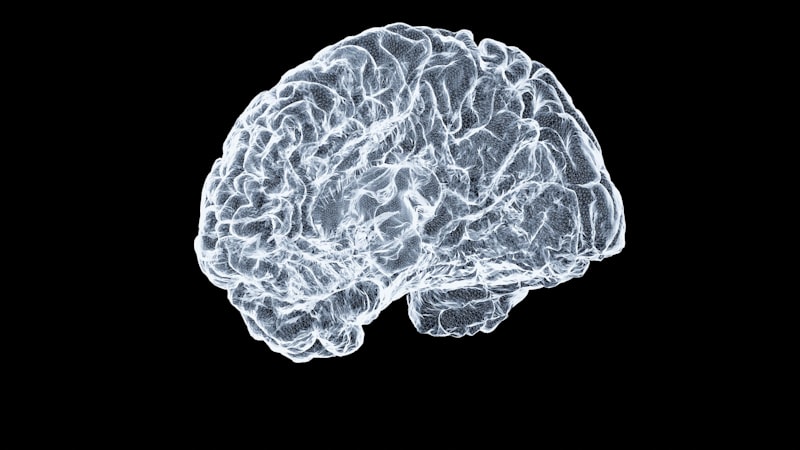
The Core Definition of Deoxyglucose
2-Deoxy-D-glucose (2-DG) is a synthetically derived analog of glucose, the primary metabolic fuel source required for the energetic demands of almost all eukaryotic cells, especially neurons. The defining characteristic of this compound is the specific substitution of a hydroxyl group (OH) at the C-2 position of the glucose molecule with a simple hydrogen atom. This seemingly minor structural modification holds profound biological consequences, as it renders the molecule incapable of undergoing full metabolic processing via the cellular respiration pathway. Because it cannot be fully metabolized, Deoxyglucose acts as a highly effective competitive inhibitor of glycolysis, the initial pathway for glucose breakdown.
The core principle driving the utility of Deoxyglucose in research and diagnostics is its ability to mimic glucose just enough to gain entry into the cell and initiate the first step of metabolism, yet fail to complete the subsequent steps. This ‘metabolic trap’ allows researchers to label cells, particularly those that are highly active and consuming large amounts of energy. When a radio-labeled isotope is attached to the molecule, such as Fluorine-18 (creating FDG), the compound becomes an indispensable tracer for visualizing and quantifying metabolic rates in living organisms, forming the basis of widely used medical imaging technologies like Positron Emission Tomography (PET).
Biochemical Mechanism of Action
The cellular uptake and initial processing of DG are identical to those of natural glucose. Deoxyglucose is efficiently transported across the cell membrane utilizing the same family of glucose transporter proteins (GLUTs) that mediate the entry of standard glucose. Once inside the cytoplasm, the molecule encounters the enzyme Hexokinase (or glucokinase, depending on the tissue type), which is responsible for the first commitment step of glycolysis: phosphorylation. This reaction adds a phosphate group to the sixth carbon atom, converting the compound into 2-deoxyglucose-6-phosphate (2-DG-6-P).
However, the path of DG terminates abruptly at this point. The lack of the hydroxyl group at the C-2 position prevents 2-DG-6-P from being recognized and processed by the next enzyme in the glycolytic cascade, glucose-6-phosphate isomerase. Since the cell membrane is virtually impermeable to phosphorylated sugar derivatives, the 2-DG-6-P molecule becomes irrevocably trapped within the intracellular space. The accumulation of this trapped metabolite is directly proportional to the cell’s initial rate of glucose utilization, effectively providing a molecular snapshot of metabolic activity. This elegant and robust trapping mechanism forms the fundamental basis for quantitative metabolic mapping techniques in both animals and humans, allowing scientists to infer functional activity based purely on energy substrate consumption.
Historical Development and Early Research
The scientific understanding and application of Deoxyglucose as a tool for mapping functional activity are deeply rooted in the pioneering neuroscientific work conducted in the United States during the 1970s. The key research was led by Dr. Louis Sokoloff and his colleagues at the National Institute of Mental Health (NIMH). Their objective was to develop a reliable and quantitative method for measuring local cerebral glucose utilization (LCGU) in the central nervous system (CNS), thereby providing empirical data on which brain regions were active during specific psychological or behavioral tasks.
Sokoloff’s groundbreaking contribution was the development of the quantitative autoradiographic 2-DG method. This technique involved injecting an animal with radio-labeled 2-DG and subsequently using film or emulsion autoradiography to visualize the accumulated 2-DG-6-P in brain sections. This research conclusively demonstrated that increased neuronal firing and synaptic signaling required a corresponding surge in energy supply, primarily derived from glucose metabolism. The Sokoloff method allowed researchers, for the first time, to create detailed, high-resolution functional maps of the brain, establishing the foundational principle that behavioral and cognitive engagement leads directly to regionally specific increases in metabolic demand. This success provided the critical proof-of-concept necessary for translating the 2-DG technique into non-invasive human imaging methods.
Application in Positron Emission Tomography (PET)
The transition of the 2-DG methodology into clinical practice was realized through its adaptation for Positron Emission Tomography (PET). This technique utilizes Fluorine-18, a positron-emitting radioisotope, substituted onto the 2-DG molecule to create Fluorine-18 fluorodeoxyglucose (FDG). FDG-PET is today one of the most powerful diagnostic tools in modern medicine, particularly in the fields of oncology, neurology, and cardiology, directly exploiting the metabolic trapping principle of Deoxyglucose.
In oncology, FDG-PET is essential due to the metabolic idiosyncrasy of many malignant cells, known as the Warburg effect. Cancer cells frequently exhibit a vastly accelerated rate of aerobic glycolysis compared to surrounding healthy tissue, leading to an extraordinary hunger for glucose. When FDG is introduced, these hypermetabolic tumors rapidly take up and trap the tracer, appearing as intense “hot spots” on the PET scan. This allows clinicians to accurately identify the presence and location of primary tumors, stage the disease, detect distant metastases, and monitor the efficacy of chemotherapy or radiation treatments by observing changes in glucose uptake over time.
The Deoxyglucose Technique: A Practical Example
To appreciate the practical power of this molecular analog, consider its application in diagnosing neurodegenerative disorders, such as identifying the differential metabolic patterns associated with Alzheimer’s disease (AD) versus other dementias. While structural imaging like MRI can reveal gross anatomical changes late in the disease process, FDG-PET provides crucial functional information much earlier, based entirely on regional glucose metabolism.
The procedure leverages the principle of reduced neuronal activity leading to reduced glucose uptake. The patient is injected with FDG and then rests briefly while the tracer distributes throughout the body and is taken up by brain cells. The Deoxyglucose principle then applies in a step-by-step manner:
- The FDG crosses the blood-brain barrier and is transported into neurons and glial cells via GLUT transporters, mimicking standard glucose.
- In healthy brain regions, the cells are metabolically active and readily phosphorylate the tracer via Hexokinase, trapping it as FDG-6-P.
- In areas affected by AD pathology—typically the temporoparietal lobes—neuronal dysfunction results in significantly lowered metabolic demand. Consequently, less FDG is taken up and trapped in these regions.
- The PET scanner detects the annihilation photons emitted by the decaying Fluorine-18 atoms. Areas of high metabolism (healthy cortex) show a strong signal, while the dysfunctional temporoparietal regions show a marked reduction in signal, appearing as characteristic “cold spots” or hypometabolism.
- This specific pattern of reduced glucose utilization provides critical diagnostic information, confirming the functional signature of AD and differentiating it from other neurological conditions that exhibit different metabolic patterns.
Therapeutic and Experimental Significance
While its primary role is diagnostic imaging, Deoxyglucose has also attracted significant attention for its potential as a therapeutic agent, particularly in the realm of cancer treatment. Since 2-DG acts as a metabolic poison for cells heavily reliant on glucose for proliferation, research has explored using it to induce a state of “metabolic starvation” in tumor cells. By competing with glucose, 2-DG effectively shuts down the energy supply pathway that fast-growing cancer cells depend on, leading to cell cycle arrest and apoptosis. Early clinical trials and extensive preclinical work suggest that 2-DG can enhance the effectiveness of conventional cancer therapies, such as radiation and certain chemotherapies, by sensitizing the tumor cells to treatment when their metabolic defenses are compromised.
In basic science, 2-DG remains an indispensable experimental tool for studying cellular energy regulation and stress responses. By administering 2-DG, researchers can experimentally induce a state of cellular glucoprivation—mimicking extreme energy deficit—which triggers complex cellular signaling cascades. These studies are crucial for understanding how cells respond to stress, activate survival mechanisms like autophagy, and engage major regulatory pathways such as the unfolded protein response (UPR). The use of 2-DG allows for precise manipulation of energy substrate availability, providing insights into metabolic disorders, neuroprotection strategies, and the fundamental biochemistry underpinning disease states.
Connections to Cellular Metabolism and Psychology
The study and application of Deoxyglucose bridge biochemistry and psychology, placing it squarely within the domain of Biological Psychology and Cognitive Neuroscience. Its profound significance for psychology lies in its capacity to provide objective, quantitative measures of brain activity that correlate directly with cognitive states, emotional processing, and behavioral output. By measuring the utilization of glucose, DG allows researchers to map the energetic cost of thought, linking psychological phenomena to tangible physiological processes.
Deoxyglucose studies are intrinsically linked to several other key concepts in biological science. For instance, the use of FDG-PET relies heavily on the concept of Neurovascular Coupling, the physiological mechanism ensuring that increases in localized neuronal activity are immediately followed by corresponding increases in blood flow to supply the required glucose and oxygen. Furthermore, the clinical success of FDG in oncology is a direct affirmation of the **Warburg Effect**, highlighting the metabolic abnormalities characteristic of malignant transformation.
- Functional Magnetic Resonance Imaging (fMRI): While fMRI measures changes in blood oxygenation (the BOLD signal), and FDG-PET measures glucose utilization, both techniques are fundamentally tools used to map functional brain activity, offering complementary views on the energy dynamics underpinning cognitive processes.
- Metabolic Rate Suppression: Experimentally, DG is used to induce acute glucoprivation, which serves as a powerful stimulus for studying motivational states, such as hunger and defensive behaviors. This research helps elucidate the neural circuits responsible for maintaining energy homeostasis and the hormonal counter-regulatory responses involving hormones like glucagon and cortisol.
Ultimately, the development and application of Deoxyglucose represent a fundamental shift in how scientists and clinicians understand functional biology. By creating a molecular probe that exploits a specific metabolic checkpoint, it has provided an unparalleled window into the energy demands of complex systems, from the rapid proliferation of a tumor cell to the subtle firing patterns of a human brain engaged in abstract thought.