Descent Groups: How Your Ancestry Shapes Your Identity
Scientifically Reviewed · Dr. Marwa Abd-Alazim · October 10, 2026
Review Criteria & Clinical Standards
This content undergoes rigorous scientific peer-review and medical editorial standards at Arab Psychology Network to ensure clinical accuracy, validity, and compliance with evidence-based guidelines from leading psychological and healthcare authorities (APA / WHO).
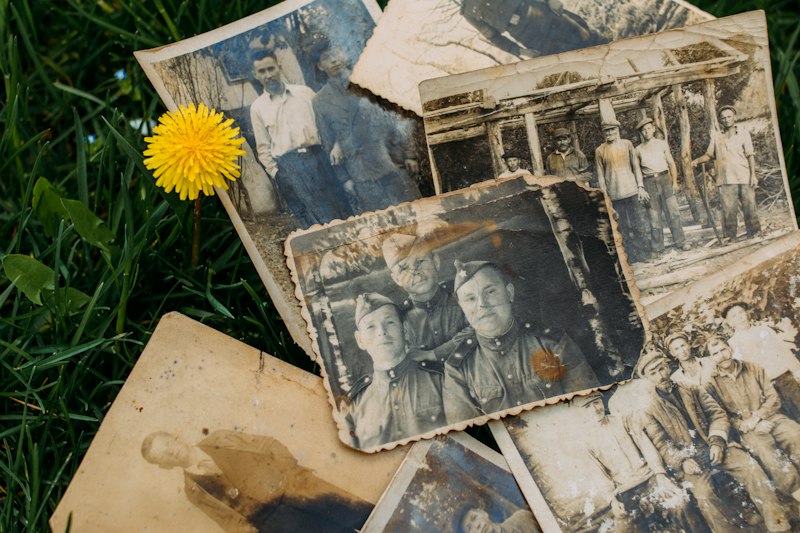
Descent groups represent a fundamental cornerstone of human social organization, deeply influencing identity, social structures, and cultural practices across countless societies worldwide. They are essentially social groupings predicated on the principle of shared ancestry or kinship originating from a common ancestor. These groups transcend the immediate nuclear family, forming larger, more enduring corporate units that often dictate a wide array of social behaviors, from marriage patterns and inheritance laws to political alliances and economic cooperation. Understanding descent groups is crucial for comprehending the intricate ways in which human societies have historically structured themselves and continue to do so in many parts of the globe, providing a profound sense of belonging and continuity for their members.
The Core Definition of Descent Groups
At its most fundamental, a descent group is a social group whose membership is based on shared ancestry or kinship from a common ancestor, whether that ancestor is real or presumed. This common lineage serves as the primary criterion for inclusion and often forms the basis for group solidarity, shared rights, and collective responsibilities. Unlike the more fluid concept of a “family,” which often refers to immediate household units or bilateral networks, a descent group typically constitutes a more formally recognized, enduring social entity with defined boundaries and often a corporate identity, meaning it can act as a single unit in terms of property ownership, legal standing, or political representation.
The concept expands beyond a simple family tree, encompassing various forms such as lineages, clans, phratries, and moieties, each representing different levels of inclusiveness and genealogical depth. A lineage, for instance, typically traces descent from a known, named ancestor through specific genealogical links, where members can articulate their exact relationship to the founder. A clan, on the other hand, often comprises several lineages that believe they share a common ancestor, but the precise genealogical connections may be mythical or simply not remembered, relying more on a shared belief in common origin. These distinctions are vital for understanding the varying degrees of social cohesion and functional roles that different types of descent groups play within a society.
The key idea underpinning the formation and function of descent groups lies in their ability to organize social relations beyond the nuclear family, providing a stable framework for social order and identity. They serve as mechanisms for transmitting culture, property, status, and social roles across generations. By clearly defining who belongs and who does not, descent groups establish clear lines of inheritance, succession, and social obligation, thereby reducing potential conflict and fostering a sense of collective purpose. This structural clarity is particularly pronounced in societies where formal state institutions are either absent or less developed, making descent groups paramount in maintaining social equilibrium and continuity.
Historical and Anthropological Foundations of Descent Group Studies
The study of descent groups has been central to social anthropology and sociology since their formative years in the 19th century. Early pioneers such as Lewis Henry Morgan, in his seminal work “Ancient Society” (1877), meticulously documented the complex kinship systems of indigenous peoples, particularly focusing on their implications for social organization, property ownership, and political structures. Morgan’s work, alongside that of scholars like Henry Sumner Maine, who explored early legal systems based on patriarchal authority, laid the groundwork for understanding how descent served as a foundational principle in societies worldwide, often contrasting sharply with the emerging individualistic tendencies of Western industrialized nations.
In the early to mid-20th century, British structural functionalism significantly advanced the understanding of descent groups, particularly through the work of A.R. Radcliffe-Brown and E.E. Evans-Pritchard. Radcliffe-Brown emphasized how kinship systems, including descent groups, function to maintain social order and integration within a society. Evans-Pritchard’s ethnographic studies, most notably “The Nuer” (1940), provided a detailed account of how the Nuer people of South Sudan organized their entire political and social life around a complex system of patrilineal descent. These studies highlighted the corporate nature of descent groups, showing how they served not merely as genealogical constructs but as active political, economic, and ritual units.
This period marked a shift from purely evolutionary perspectives, which often placed Western societies at the apex of social development, to more nuanced analyses that sought to understand descent groups within their specific cultural and functional contexts. Anthropologists meticulously documented the diverse rules of descent, marriage, and residence, demonstrating the incredible variability and adaptability of these social formations. The historical study of descent groups, therefore, is not just an academic exercise but a critical lens through which to appreciate the profound diversity of human social organization and the creative ways societies have structured themselves to ensure continuity, cooperation, and identity across generations.
Mechanisms of Descent: Patrilineal and Matrilineal Systems
The formation of descent groups is primarily governed by specific rules of descent, which dictate how individuals trace their lineage and, consequently, their membership in a particular group. The two most prevalent and influential systems are unilineal descent, which traces ancestry exclusively through either the father’s or the mother’s line, and bilateral descent, where ancestry is traced through both parents. Within unilineal systems, patrilineal descent and matrilineal descent represent the two principal mechanisms for establishing group affiliation and continuity. These mechanisms are not merely genealogical rules but deeply embedded social blueprints that shape identity, rights, and responsibilities.
Patrilineal descent, also known as agnatic descent, is a system in which an individual’s membership in a descent group is determined exclusively through the father’s line. In societies practicing patrilineal descent, children belong to their father’s descent group, inherit property from their father, and often take their father’s surname or family name. This system is widespread globally, particularly in parts of East Asia, the Middle East, and many African societies, where it often correlates with a strong emphasis on male authority and the perpetuation of the male lineage. For example, in many traditional Chinese societies, family names and ancestral worship rituals are passed down through the male line, with women typically joining their husband’s family upon marriage and their children belonging exclusively to the husband’s patrilineage.
Conversely, matrilineal descent traces an individual’s descent and group affiliation exclusively through the mother’s line. In a matrilineal system, children belong to their mother’s descent group, and often inherit property or titles from their mother’s brothers (their maternal uncles). It is crucial to understand that matrilineal descent does not equate to matriarchy, where women hold primary power. Instead, authority and property may still be held by men, but these men derive their authority and transmit it through their sisters’ sons rather than their own. Examples of matrilineal societies include the Minangkabau of West Sumatra, Indonesia, and some Native American groups such as the Iroquois. These systems highlight the diverse ways societies can define kinship and allocate resources, challenging ethnocentric assumptions about universal family structures.
The Corporate Nature and Functions of Descent Groups
Beyond their role in defining identity, many descent groups function as corporate groups, meaning they act as enduring legal, economic, and political entities that persist beyond the lifespan of individual members. This corporate aspect distinguishes them from simple family trees, as they often own land, control resources, engage in collective decision-making, and defend their members’ interests. For instance, a lineage might collectively own ancestral lands, with individual members having usufruct rights but not individual ownership. Decisions regarding the use or transfer of these lands would then require the consensus of the group’s elders or designated leaders, ensuring the long-term preservation of resources for future generations.
These corporate functions extend to providing significant social cohesion and mutual aid among members. In societies lacking extensive state welfare systems, descent groups often serve as primary safety nets, offering support in times of illness, economic hardship, or conflict. Members are typically bound by strong obligations to assist one another, fostering a deep sense of solidarity and collective responsibility. This can manifest in shared labor for agricultural tasks, pooling resources for celebratory events, or providing refuge and protection during disputes. The group’s collective identity is continually reinforced through these acts of reciprocal support, strengthening the bonds of kinship and shared destiny.
Furthermore, descent groups play a pivotal role in regulating marriage patterns and resolving internal disputes. Many descent groups enforce rules of exogamy, requiring members to marry outside their own group to prevent incest and forge alliances with other descent groups, thereby broadening social networks and mitigating potential conflicts. Conversely, some groups may practice endogamy, requiring marriage within the group to maintain purity of lineage or consolidate resources. In terms of conflict resolution, internal disputes between members are often mediated by the group’s elders or leaders, utilizing traditional customs and shared values to restore harmony and prevent fragmentation, thereby preserving the group’s integrity and collective strength.
Illustrative Example: A Patrilineal Descent Group in a Traditional Society
To truly grasp the intricate workings of a descent group, consider a hypothetical example of a patrilineal society, perhaps an agricultural community in a rural region where land ownership and social status are paramount. In this society, the primary social unit beyond the nuclear family is the patrilineal lineage, which traces its ancestry back several generations to a common, known male founder. Every individual in this community derives their primary social identity from their membership in this lineage, which dictates their rights, responsibilities, and position within the broader social fabric.
The application of this principle unfolds systematically from birth. Upon the birth of a child, their immediate membership is automatically conferred through their father’s lineage. This means the child inherits the father’s surname, becomes part of his ancestral worship practices, and gains rights to the lineage’s communal land and resources. Step-by-step, the child is socialized into understanding their specific position within the lineage hierarchy, learning about their ancestors and the deeds that defined their group. For a male child, this involves a clear path towards future responsibilities as a lineage member, including defending its interests, contributing to its economic prosperity, and eventually becoming an elder with decision-making power. For a female child, her lineage identity is crucial until marriage, after which she might transition to her husband’s lineage, though her birth lineage often retains symbolic importance.
This lineage also governs critical aspects of adult life, such as land inheritance and marriage rules. For instance, agricultural land, which is the community’s primary resource, is typically held corporately by the lineage. While individual families may cultivate specific plots, the ultimate ownership and long-term stewardship rest with the entire patrilineage. Inheritance of these rights, as well as any political titles or ritual roles, passes exclusively from father to son. Furthermore, the lineage dictates exogamy, meaning individuals must marry outside their own lineage to avoid what is considered incest and to forge alliances with other lineages. Marriages are often arranged to strategically strengthen the lineage’s social and economic standing within the wider community, demonstrating how individual life choices are deeply intertwined with the collective interests of the descent group.
The Enduring Significance and Broad Impact of Descent Groups
The concept of descent groups holds profound significance within the field of anthropology and for understanding human societies more broadly. They offer a powerful framework for analyzing social organization, particularly in societies where state-level institutions are less developed or where traditional structures continue to hold sway. By providing a clear, often immutable, basis for group membership, descent groups foster immense social cohesion and a deep sense of shared identity and belonging among their members. This collective identity often extends beyond mere kinship, encompassing shared history, ancestral lands, and ritual practices, all of which contribute to a resilient social fabric capable of enduring external pressures and internal challenges over generations.
Their importance lies in their multifaceted functionality. Descent groups are not merely theoretical constructs but practical social entities that regulate a wide array of human activities. They are instrumental in determining patterns of land tenure and resource management, ensuring equitable distribution and sustainable use within the group. They define rules of marriage and marital residence, often serving as the primary mechanism for alliance formation between different social units. Crucially, they also dictate political succession, establishing clear lines of authority and leadership, and provide frameworks for conflict resolution, from mediating minor disputes to organizing collective defense against external threats. These varied applications underscore their role as foundational pillars of social order and stability in many cultural contexts.
Today, the study of descent groups remains highly relevant, extending beyond purely academic interest into practical applications. In development studies, understanding existing descent-based social structures is critical for effective policy implementation, particularly concerning land rights, resource management, and community engagement in regions where these groups are prominent. In legal anthropology, they shed light on customary law and indigenous legal systems, offering insights into alternative forms of justice and governance. Moreover, in an increasingly globalized world, the dynamics of descent groups can help explain patterns of migration, diasporic identity formation, and the persistence of traditional social networks even within modern, urban environments, illustrating their enduring influence on human behavior and social dynamics.
Maintenance, Adaptation, and Transformation of Descent Groups
The longevity and resilience of descent groups are attributable to a variety of mechanisms that actively maintain their identity and structure over time, even as they adapt to changing social and environmental landscapes. One of the most critical mechanisms is the regulation of marriage patterns. The practice of endogamy, or marrying within a specific descent group, serves to consolidate resources, preserve lineage purity, and strengthen internal solidarity by limiting external influences. Conversely, exogamy, or marrying outside the group, is also a maintenance strategy, as it creates alliances with other groups, broadens social networks, and prevents the genetic risks associated with close-kin marriage, thereby ensuring the group’s long-term vitality. Both strategies, when applied judiciously, contribute to the perpetuation of the descent group’s unique identity.
Beyond marriage, various cultural practices and institutions play a significant role in reinforcing group identity and transmitting its values across generations. Shared rituals, ceremonies, and festivals often serve as powerful communal experiences that bind members together, commemorating common ancestors, celebrating collective achievements, and reaffirming shared cultural heritage. Oral traditions, genealogies, and origin myths are meticulously preserved and passed down, providing members with a collective memory and a sense of historical continuity. These practices not only strengthen internal bonds but also serve as public declarations of the group’s existence and distinctiveness within the broader society, ensuring that the younger generations internalize the significance of their descent group membership.
However, descent groups are not static entities; they are subject to constant adaptation and transformation in response to internal dynamics and external pressures such as modernization, urbanization, globalization, and the encroachment of state legal systems. While some of their corporate functions, such as land ownership or political governance, may diminish under the influence of national laws or individualistic economic systems, their role in identity formation and social support often persists. In many contexts, descent groups have shown remarkable flexibility, adapting their traditional roles to new circumstances, for example, by forming modern associations or leveraging their networks for economic ventures, demonstrating their enduring capacity to provide a framework for social life even in rapidly changing environments.
Interconnections: Related Concepts and Broader Contexts
The concept of descent groups is deeply intertwined with several other fundamental psychological and anthropological terms, particularly within the broader study of kinship. Kinship itself is the overarching system of social relationships based on real or presumed blood ties (consanguinity), marriage (affinity), and adoption, providing the blueprint for how individuals relate to one another beyond the immediate family. Descent groups represent a specific organizational principle within this broader kinship framework, detailing how groups are formed and maintained through a shared, often unilineal, ancestral line. Understanding descent groups, therefore, necessitates an appreciation of the wider kinship system in which they are embedded.
Furthermore, descent groups are closely related to concepts such as family and affinity. While the nuclear family typically refers to a married couple and their children, and the extended family includes other close relatives, descent groups represent a more expansive and enduring corporate unit that often encompasses multiple families and generations. Affinity, which denotes relationships by marriage, is frequently regulated by descent group rules, particularly through practices like exogamy, where individuals must marry outside their descent group, or endogamy, where marriage is restricted to within the group. These marital patterns are not random but serve to either forge alliances with other groups or consolidate resources and identity within the existing group, highlighting the interconnectedness of these social mechanisms.
The broader category to which the study of descent groups belongs is primarily Social Anthropology and Sociology, specifically within the subfield of kinship studies and social organization. These disciplines examine how societies structure themselves, allocate roles, and maintain order through various social institutions, with descent groups being one of the most historically significant. They also relate to fields like political anthropology, legal anthropology, and economic anthropology, as descent groups often form the basis for political power, legal systems, and economic production or distribution in many traditional societies. By studying these interconnections, scholars gain a holistic understanding of the complex tapestry of human social life.
Challenges and Modern Relevance
In the contemporary world, traditional descent groups face numerous challenges that test their resilience and compel them to adapt. The rise of centralized nation-states, with their standardized legal systems and emphasis on individual citizenship, often conflicts with the corporate autonomy and customary laws of descent groups. Economic shifts, such as the move from subsistence agriculture to wage labor and market economies, can erode the economic functions of descent groups, as individuals become less reliant on collective resources and more integrated into broader economic structures. Urbanization and migration also pose significant challenges, as members disperse geographically, potentially weakening the face-to-face interactions and shared rituals that traditionally sustained group cohesion.
Despite these pressures, descent groups continue to demonstrate remarkable relevance in various modern contexts. In many post-colonial nations, they remain crucial for understanding local politics, land tenure disputes, and ethnic identities, often serving as powerful conduits for collective action and advocacy. Indigenous rights movements frequently draw upon descent-based identities to assert claims to ancestral lands and cultural self-determination, highlighting the enduring significance of these groups as sources of collective memory and political mobilization. Furthermore, in diasporic communities, descent groups can provide vital social support networks, helping migrants maintain cultural ties, navigate new environments, and preserve a sense of belonging far from their ancestral homelands.
The interplay between traditional descent structures and modern legal and economic frameworks is a complex and ongoing process. While some of the more explicit corporate functions of descent groups may diminish, their symbolic importance and role in shaping individual and collective identity often persist, adapting to new forms. For instance, a lineage might no longer collectively own land in a legal sense, but it could transform into a cultural association that organizes ancestral ceremonies, provides scholarships for its youth, or maintains a shared historical narrative. These transformations underscore the dynamic nature of descent groups, demonstrating that while their specific manifestations may change, the fundamental human need for connection, belonging, and shared heritage through ancestry remains a powerful force in social organization.