Gut-Brain Axis: How Your Digestion Shapes Your Mood
Scientifically Reviewed · Dr. Marwa Abd-Alazim · September 3, 2026
Review Criteria & Clinical Standards
This content undergoes rigorous scientific peer-review and medical editorial standards at Arab Psychology Network to ensure clinical accuracy, validity, and compliance with evidence-based guidelines from leading psychological and healthcare authorities (APA / WHO).
Defining the Process of Digestion
Digestion is a complex, meticulously regulated physiological process essential for sustaining life, involving the sequential breakdown of ingested food into absorbable molecular components. The primary objective of this intricate system is to transform large, complex macromolecules—such as proteins, lipids, and complex carbohydrates—into simple nutrient units that can cross the mucosal barrier of the gastrointestinal tract and be utilized by the body’s cells. This process is fundamental because the vast majority of nutrients, in their initial ingested form, are too large to traverse the cell membranes of the enteric lining, necessitating chemical and mechanical alteration before they can enter the bloodstream or lymphatic system.
The core necessity of digestion stems directly from the need for both energy and foundational building blocks. Digestion supplies the body not only with the caloric energy required for metabolic processes and physical activity, but also with the essential raw materials—including amino acids, fatty acids, monosaccharides, vitamins, and minerals—required for growth, repair, and the synthesis of new cellular components. Without efficient digestion, the body would suffer from severe malnutrition, regardless of the quantity of food consumed, highlighting the critical link between processing efficiency and overall physiological health and function.
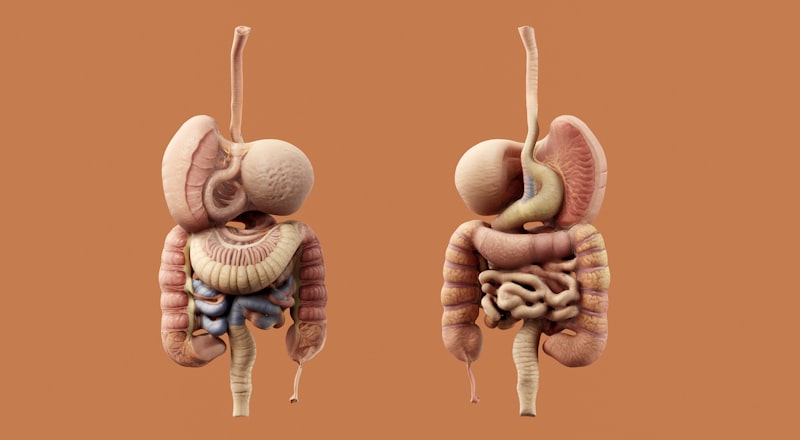
The entire digestive process is orchestrated through the alimentary canal, a tube approximately nine meters long extending from the mouth to the anus, involving highly specialized organs and accessory glands that secrete specific chemical agents. This sequential journey ensures that food is subjected to different environments—varying pH levels, enzyme cocktails, and motility patterns—at precise times to maximize the efficiency of breakdown and subsequent absorption. The coordination of mechanical forces, such as chewing and peristalsis, with chemical catalysts, primarily digestive enzymes, is what defines the success of the digestive system in extracting maximum nutritional value from diverse food sources.
Mechanical and Chemical Breakdown
The digestive system employs two distinct yet complementary methods to process food: mechanical digestion and chemical digestion. Mechanical digestion involves the physical forces utilized to break down large food particles into smaller pieces, thereby increasing the surface area available for enzymatic action. This begins with mastication (chewing) in the oral cavity and continues with the churning and mixing movements, or motility, that occur in the stomach and small intestine, primarily driven by smooth muscle contractions known as peristalsis and segmentation. These mechanical actions are crucial for creating a homogeneous mixture, preparing the bolus for subsequent chemical processing, and ensuring maximum contact between the food particles and the digestive juices.
Conversely, chemical digestion is the enzymatic process where macromolecules are broken down into their constituent monomers through hydrolysis. Enzymes, which are highly specific protein catalysts, facilitate the addition of a water molecule across chemical bonds, cleaving complex compounds into simpler, absorbable units. For instance, amylases break down starch into smaller sugars, lipases hydrolyze triglycerides into fatty acids and monoglycerides, and proteases dismantle proteins into individual amino acids or short peptides. This chemical transformation is absolutely essential, as mechanical processes alone cannot reduce substances to the molecular size necessary for intestinal absorption.
The interdependence of these two types of digestion is absolute. Mechanical actions ensure that chemical enzymes have sufficient access to the nutrients, speeding up reaction rates dramatically. Simultaneously, the specific actions of chemical enzymes allow the body to manage structurally diverse nutrients, ensuring that carbohydrates are separated from fats and proteins, allowing each class of nutrient to be absorbed efficiently via its dedicated transport pathway. A failure in either the mechanical movement or the chemical secretion of enzymes can severely impair the overall digestive function, leading to malabsorption syndromes that compromise systemic nutrition.
The Cephalic and Oral Stages
Digestion begins even before food enters the mouth during the cephalic phase, which is triggered by the sight, smell, or thought of food. This anticipatory response, mediated by the parasympathetic nervous system, prepares the digestive tract by initiating salivary secretion and stimulating the initial release of gastric juices. This readiness ensures that when food is introduced, the system is already primed for immediate action, optimizing the efficiency of the subsequent mechanical and chemical processes.
The oral stage incorporates mastication, where the teeth physically grind food, reducing the particle size and mixing it thoroughly with saliva. Saliva, secreted by the three pairs of major salivary glands, serves multiple critical functions: it moistens the food, facilitating swallowing; it acts as a solvent for taste; and it initiates chemical digestion through the introduction of salivary amylase, an enzyme that begins the breakdown of starches. This mixture forms a lubricated mass called the bolus, which is then voluntarily pushed toward the pharynx to initiate the involuntary act of swallowing, or deglutition.
Swallowing is a complex reflex that temporarily halts respiration and involves the coordinated action of over 20 muscles to ensure the bolus moves safely from the pharynx into the esophagus and not into the trachea. Once in the esophagus, the bolus is propelled toward the stomach solely by peristalsis—rhythmic waves of muscular contraction. The passage of food through the esophagus is governed by the upper esophageal sphincter and the lower esophageal sphincter (LES). The LES must relax precisely to allow the bolus into the stomach and then contract immediately afterward to prevent the highly acidic gastric contents from refluxing back into the delicate esophageal lining, a protective mechanism vital to maintaining tissue integrity.
The Gastric Environment
Upon entering the stomach, the bolus encounters a remarkably acidic environment, crucial for sterilization and preliminary protein denaturation. The stomach serves as a temporary reservoir and a powerful mixing chamber, employing strong muscular contractions to vigorously churn the food, mixing it with gastric secretions to produce a semi-liquid substance known as chyme. The mechanical action here is robust and continuous, ensuring that all contents are uniformly exposed to the digestive chemicals.
The chemical component of the stomach is dominated by hydrochloric acid (HCl), secreted by parietal cells. HCl serves several critical roles: it kills most ingested microorganisms, acts to chemically denature complex proteins by unfolding their tertiary structure, and, most importantly, activates the zymogen pepsinogen into its active form, pepsin. Pepsin is an endopeptidase specifically designed to initiate protein breakdown, cleaving large polypeptide chains into smaller peptides. This acid environment, with a typical pH ranging from 1.5 to 3.5, is essential for the function of pepsin but necessitates a thick layer of mucus secreted by goblet cells to protect the stomach wall itself from autodigestion.
While the stomach is instrumental in protein digestion and mechanical mixing, very little actual absorption occurs here, limited mainly to water, certain electrolytes, alcohol, and lipid-soluble drugs. The regulation of gastric emptying is tightly controlled by the pyloric sphincter, which meters the release of chyme into the small intestine. The rate of release is carefully modulated by factors originating in the duodenum, such as acidity, fat content, and osmolarity, ensuring that the small intestine is not overwhelmed by an excessive volume or overly acidic contents that it cannot neutralize quickly.
The Small Intestine: Primary Site of Absorption
The small intestine is the primary site for the completion of chemical digestion and the vast majority of nutrient absorption, a function facilitated by its exceptional structural features. It is divided into three segments: the duodenum, the jejunum, and the ileum. Its absorptive capacity is maximized by an enormous surface area created by circular folds (plicae circulares), finger-like projections called villi, and microscopic projections on the epithelial cells known as microvilli, collectively forming the brush border. This arrangement amplifies the mucosal surface area to roughly the size of a tennis court.
In the duodenum, the highly acidic chyme is immediately neutralized by copious amounts of bicarbonate delivered from the pancreas, creating an optimal pH environment (around 7.4) for the pancreatic enzymes to function. Here, the chyme mixes with essential bile from the liver and gallbladder, which acts not as an enzyme but as an emulsifier, breaking large fat globules into tiny micelles, significantly increasing the surface area for pancreatic lipase action. This initial phase in the duodenum is crucial for preparing all nutrient classes for final breakdown.
Final digestion occurs at the brush border, where membrane-bound enzymes (e.g., disaccharidases like lactase and peptidases) complete the cleavage of disaccharides into monosaccharides and small peptides into amino acids. Following successful breakdown, the monomers are transported across the enterocytes via specific active and passive transport mechanisms.
- Carbohydrates: Absorbed primarily as glucose via secondary active transport.
- Proteins: Absorbed as amino acids or small di- and tripeptides.
- Fats: Absorbed after being reformed into triglycerides within the enterocyte and packaged into chylomicrons, which enter the lymphatic system.
Accessory Organs and Their Essential Contributions
Three accessory organs—the pancreas, the liver, and the gallbladder—play non-negotiable roles in the digestive process by synthesizing and secreting vital chemical agents. The pancreas, operating as an exocrine gland for digestion, is perhaps the most critical source of digestive enzymes. It produces a broad spectrum of powerful enzymes that are secreted into the duodenum, including pancreatic amylase, trypsin and chymotrypsin (major proteases), and pancreatic lipase. Crucially, the pancreas also releases large volumes of bicarbonate solution, which serves to neutralize the gastric acid, creating the necessary neutral environment for enzyme activity in the small intestine.
The liver performs a multitude of metabolic functions, but its primary contribution to digestion is the continuous synthesis of bile. Bile is a complex fluid composed of water, electrolytes, cholesterol, phospholipids, and bile salts. The bile salts are amphipathic molecules that are essential for the emulsification of dietary fats, dramatically improving the efficiency with which lipases can access and hydrolyze triglycerides. Without effective bile production and secretion, the digestion and absorption of lipids and fat-soluble vitamins (A, D, E, K) would be severely compromised, leading to steatorrhea (fatty stools).
The gallbladder acts as a reservoir, storing and concentrating the bile produced by the liver. The release of bile is hormonally regulated, primarily by cholecystokinin (CCK), a hormone secreted by the duodenal mucosa in response to the presence of fatty chyme. When CCK is released, it triggers the contraction of the gallbladder, ejecting concentrated bile into the duodenum via the common bile duct, coordinating the arrival of the emulsifying agent precisely when the lipids require processing.
Regulatory Mechanisms: Hormonal Control
The digestive system operates under sophisticated regulatory control involving both neural and hormonal pathways to ensure synchronized action across disparate organs. The intrinsic regulation is managed by the Enteric Nervous System (ENS), often termed the “second brain,” which consists of two major nerve plexuses (submucosal and myenteric) running the length of the gut. The ENS can initiate reflexes and coordinate motility and secretion autonomously, although it is modulated by the extrinsic autonomic nervous system (parasympathetic stimulation enhances activity; sympathetic inhibits it).
Extremely important are the GI hormones, peptides secreted by specialized enteroendocrine cells within the mucosal lining, which travel via the bloodstream to target organs. These hormones act as chemical messengers, linking the state of one segment of the tract to the response of another.
- Gastrin: Released by the stomach in response to protein and distension; stimulates parietal cells to secrete HCl.
- Secretin: Released by the duodenum in response to low pH; stimulates the pancreas to release bicarbonate.
- Cholecystokinin (CCK): Released by the duodenum in response to fat and protein; stimulates gallbladder contraction and pancreatic enzyme secretion.
- Gastric Inhibitory Peptide (GIP) / Glucose-dependent insulinotropic peptide: Inhibits gastric motility and secretion, and stimulates insulin release.
This complex network of hormonal feedback loops ensures that secretions are only produced when needed and that the transit of food is adjusted based on the digestive load. For example, the presence of fats and acids in the duodenum triggers inhibitory signals (via Secretin and CCK) that slow gastric emptying, preventing the small intestine from receiving material faster than it can process it, thereby maximizing the time available for thorough digestion and absorption.
The Large Intestine and Elimination
The final phase of digestion and processing occurs in the large intestine (colon), which receives the residual, indigestible material, including plant fibers, undigested proteins, and dead cells, from the ileum. The primary functions of the large intestine are the absorption of remaining water and electrolytes, and the storage and compaction of fecal matter prior to elimination. Although the large intestine lacks the villi and microvilli structure of the small intestine, it is highly effective at absorbing approximately 90% of the water that enters it, transforming the liquid chyme into semi-solid feces.
A significant physiological role of the large intestine is hosting a massive and diverse population of gut microbiota. These resident bacteria perform essential functions that human enzymes cannot, primarily the fermentation of complex, indigestible carbohydrates (dietary fiber) into short-chain fatty acids (SCFAs), such as butyrate, which serve as a vital energy source for the colonocytes themselves. Furthermore, the microbiota are responsible for the synthesis of certain vitamins, notably Vitamin K and some B vitamins, which are subsequently absorbed by the host.
After water absorption and microbial action are complete, the waste material is consolidated and stored temporarily in the rectum. The process of defecation is initiated by the stretching of the rectal wall, triggering a reflex that involves relaxation of the internal anal sphincter and, under voluntary control, the relaxation of the external anal sphincter, culminating in the elimination of the remaining undigested material and metabolic waste products from the body. Efficient elimination is the final step in the digestive process, completing the cycle of nutrient extraction and waste management.