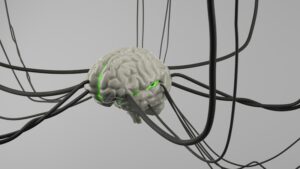
Psychological Dilation: Expand Your Mental Horizon
Scientifically Reviewed · Dr. Marwa Abd-Alazim · October 13, 2026
Review Criteria & Clinical Standards
This content undergoes rigorous scientific peer-review and medical editorial standards at Arab Psychology Network to ensure clinical accuracy, validity, and compliance with evidence-based guidelines from leading psychological and healthcare authorities (APA / WHO).

The Concept of Psychological Dilation
In the realm of psychology, the term “dilator” can be conceptualized not as a physical instrument, but as a metaphorical process or mechanism that facilitates the expansion or broadening of an individual’s psychological capacity. This concept refers to the ability to increase one’s mental, emotional, and cognitive “space,” allowing for a greater range of experiences, perspectives, and responses without feeling overwhelmed or constricted. It encompasses the development of enhanced psychological flexibility, enabling individuals to adapt more effectively to life’s challenges and to embrace a wider spectrum of internal and external stimuli. Unlike a physical dilator that applies mechanical pressure, a psychological dilator operates through cognitive restructuring, emotional regulation techniques, and a deliberate shift in one’s attentional focus and mindset.
The fundamental idea behind psychological dilation is that human well-being and adaptive functioning are significantly improved when individuals possess the capacity to accommodate a diversity of thoughts, feelings, and sensations, rather than resorting to avoidance or rigid patterns of thinking. This expansion allows for a more nuanced understanding of oneself and the world, fostering resilience and promoting personal growth. It moves beyond simply coping with distress to actively creating more internal room for complex experiences, leading to a richer and more integrated psychological life. This process is often cultivated through intentional practices and therapeutic interventions designed to challenge restrictive beliefs and expand one’s emotional repertoire.
Psychological dilation, therefore, represents a shift from a defensive, constricting stance towards a more open and accepting one. It involves consciously choosing to engage with uncomfortable emotions or challenging situations from a place of curiosity and spaciousness, rather than immediate reaction or withdrawal. This enhanced capacity allows individuals to process information more comprehensively, make decisions with greater clarity, and respond to stressors with increased adaptability. It is a dynamic process, not a fixed state, requiring ongoing practice and self-awareness to maintain and further develop one’s psychological bandwidth.
Core Mechanisms of Psychological Expansion
The mechanisms underpinning psychological dilation are multifaceted, drawing from various cognitive and emotional processes. One primary mechanism involves cognitive reframing, where individuals learn to reinterpret challenging situations or negative thoughts in a more constructive or less threatening light. This reframing expands their cognitive options, moving beyond a narrow, problem-focused perspective to one that includes possibilities for learning, growth, or acceptance. By consciously altering the narrative around an experience, individuals can reduce its perceived threat, thereby creating psychological space to engage with it differently. This active mental shift is crucial for breaking free from restrictive thought patterns.
Another crucial mechanism is the development of enhanced emotional regulation skills. Psychological dilation often involves cultivating the ability to experience a wide range of emotions, including discomfort or distress, without being overwhelmed or resorting to maladaptive coping strategies. Techniques such as mindfulness and acceptance practices play a significant role here, teaching individuals to observe their emotions non-judgmentally, allowing them to ebb and flow without immediate reaction. This creates an internal sense of spaciousness around emotional experiences, preventing them from consuming one’s entire psychological field and enabling a more balanced response.
Furthermore, expanding one’s attentional focus contributes significantly to psychological dilation. Individuals who are able to shift their attention flexibly, from internal states to external environments, or from details to the broader context, demonstrate greater psychological agility. This involves reducing rumination or excessive self-focus and instead broadening one’s awareness to include a wider array of sensory information, social cues, or alternative perspectives. This broadened attention helps to break cycles of narrow, negative thinking and fosters a more encompassing and adaptive view of reality, directly contributing to an expanded psychological capacity.
Historical Roots in Psychological Thought
While “psychological dilator” is a conceptual term rather than a formally established one, its underlying principles are deeply rooted in several historical movements and influential theories within psychology. The idea of expanding one’s internal capacity resonates strongly with the tenets of humanistic psychology, particularly the work of Carl Rogers and Abraham Maslow. Maslow’s concept of self-actualization, for instance, implies a continuous process of growth, expanding one’s potential and embracing a wider range of experiences to become a fully functioning individual. Rogers’ emphasis on congruence, unconditional positive regard, and empathy also points towards creating a psychological environment that allows for self-exploration and the expansion of one’s self-concept without threat or constriction.
Elements of psychological dilation can also be traced to early forms of cognitive-behavioral therapy (CBT), which emerged from the work of Aaron Beck and Albert Ellis in the mid-20th century. CBT’s focus on identifying and challenging maladaptive thought patterns inherently aims to “dilate” cognitive rigidity, replacing narrow, dysfunctional beliefs with more flexible and adaptive ones. By broadening an individual’s cognitive repertoire, CBT techniques effectively expand their capacity to interpret and respond to situations in a more varied and less self-defeating manner. The expansion of cognitive alternatives is a direct form of psychological dilation.
More contemporary approaches, such as mindfulness-based interventions, have further solidified the practical application of psychological dilation. Originating from ancient contemplative traditions and integrated into Western psychology by figures like Jon Kabat-Zinn, mindfulness teaches individuals to observe thoughts and feelings without judgment, creating a sense of distance and spaciousness from internal experiences. This practice directly fosters an expanded capacity to tolerate discomfort and emotional complexity, preventing psychological constriction that often arises from avoidance or suppression. The emphasis on non-reactivity and acceptance fundamentally enables a dilation of one’s psychological field.
Therapeutic Applications and Key Proponents
The principles underpinning psychological dilation are extensively applied in modern therapeutic contexts, particularly within third-wave cognitive-behavioral therapies. Acceptance and Commitment Therapy (ACT), developed by Steven C. Hayes and colleagues, explicitly aims to increase psychological flexibility, which is a direct manifestation of psychological dilation. ACT encourages individuals to accept unwanted private experiences (thoughts, feelings, sensations) rather than fighting or avoiding them, and to commit to action in line with their values. This acceptance component is essentially a “dilation” of one’s capacity to hold difficult internal states without being consumed by them, thereby freeing up resources for meaningful living.
Another significant application is found in Dialectical Behavior Therapy (DBT), developed by Marsha M. Linehan, particularly for individuals struggling with intense emotional dysregulation. DBT skills training, including mindfulness, distress tolerance, and emotion regulation, are all designed to expand an individual’s capacity to manage overwhelming emotions and difficult interpersonal situations without resorting to destructive behaviors. By teaching patients to observe, describe, and participate in their experiences without judgment, DBT fosters a greater psychological “space” for emotional fluctuations, preventing the rapid constriction that often leads to crisis.
Furthermore, therapies that focus on trauma recovery, such as Eye Movement Desensitization and Reprocessing (EMDR) or somatic experiencing, also implicitly aim for psychological dilation. These approaches help individuals process traumatic memories and sensations that have historically led to extreme psychological constriction and avoidance. By gradually and safely expanding the capacity to integrate these previously overwhelming experiences, these therapies enable a broader range of emotional and cognitive responses, reducing the impact of trauma and fostering greater psychological freedom. The goal is to “dilate” the system’s ability to hold and process difficult information without shutting down.
A Practical Illustration of Dilation
Consider the everyday scenario of public speaking, a common source of anxiety for many individuals. A person facing a presentation might experience a cascade of uncomfortable physical sensations such as a racing heart, sweaty palms, and a tightening in the chest, coupled with negative thoughts like “I’m going to fail” or “Everyone will judge me.” Without psychological dilation, this individual might enter a state of severe psychological constriction, leading to avoidance (e.g., calling in sick), or a performance riddled with intense self-consciousness and limited cognitive resources, unable to think clearly or connect with the audience. Their entire mental space becomes occupied by the threat and discomfort.
Applying the principles of psychological dilation, the individual would first engage in practices to broaden their awareness of these internal experiences rather than immediately trying to suppress or escape them. Through mindfulness, they might observe the racing heart as simply a sensation, the negative thoughts as transient mental events, rather than absolute truths. This initial step creates a subtle but significant “space” between themselves and their anxiety. Instead of being completely identified with “I am anxious,” they begin to experience “I am noticing anxiety.” This shift in perspective is the critical first stage of dilation, preventing the complete takeover of their psychological field by distress.
Next, they would intentionally expand their focus beyond the immediate internal discomfort. This could involve reminding themselves of their core values (e.g., “I want to share valuable information,” “I want to connect with my audience”) and then committing to actions aligned with those values, despite the anxiety. They might practice cognitive reframing, viewing the physical sensations not as signs of impending doom, but as a surge of energy that can be channeled. By consciously choosing to engage with the task from a broader perspective—one that includes both the anxiety *and* their purpose—they effectively “dilate” their psychological capacity. This allows them to deliver the presentation, perhaps still feeling some discomfort, but with greater clarity, presence, and effectiveness, demonstrating an expanded ability to function adaptively even under stress.
Significance in Mental Health and Well-being
The concept of psychological dilation holds profound significance for both mental health and overall well-being. It is a cornerstone for building resilience, enabling individuals to bounce back from adversity and navigate life’s inevitable challenges without succumbing to prolonged distress or maladaptive coping mechanisms. When individuals can expand their capacity to tolerate and process difficult experiences, they are less likely to develop chronic anxiety, depression, or stress-related disorders. This expanded psychological space allows for more adaptive problem-solving and emotional processing, preventing the emotional and cognitive constriction that often accompanies mental health struggles.
Moreover, psychological dilation is crucial for fostering genuine emotional regulation. Rather than suppressing or avoiding uncomfortable emotions, which can lead to psychological rigidity and exacerbate distress, dilation encourages a more open and accepting stance. This approach leads to a healthier relationship with one’s emotional landscape, promoting self-compassion and reducing the internal struggle that often depletes mental resources. By creating “room” for all emotions, individuals can experience a fuller spectrum of human experience without being overwhelmed, fostering greater emotional intelligence and stability.
Beyond therapeutic applications, the principles of psychological dilation contribute significantly to personal growth and self-actualization. By continuously expanding one’s perspectives, challenging limiting beliefs, and embracing new experiences, individuals can achieve a deeper understanding of themselves and the world. This ongoing process of mental and emotional broadening leads to increased psychological flexibility, greater creativity, and an enhanced capacity for meaningful engagement with life. It is not merely about reducing suffering, but about actively cultivating a rich, expansive, and fulfilling existence.
Broader Impact and Everyday Relevance
The impact of psychological dilation extends far beyond clinical settings, permeating various aspects of everyday life and contributing to healthier social interactions and societal functioning. In educational contexts, fostering psychological dilation can enhance learning by encouraging students to embrace cognitive challenges, tolerate uncertainty, and engage with diverse perspectives without immediate judgment or defensiveness. Educators can promote this by creating environments that value curiosity, critical thinking, and emotional resilience, thereby helping students expand their intellectual and emotional capacities to handle complex academic material and social dynamics.
In the workplace, the ability to psychologically dilate is invaluable for effective leadership, teamwork, and innovation. Leaders who can tolerate ambiguity, accept different viewpoints, and manage their own emotional responses effectively are better equipped to guide teams through change and conflict. Employees with greater psychological flexibility are more adaptable to new roles, more open to feedback, and better at collaborating, as they can expand their perspectives beyond their own immediate tasks to understand broader organizational goals. This contributes to a more dynamic and resilient organizational culture capable of navigating complex challenges.
Furthermore, psychological dilation plays a critical role in fostering empathy and understanding in social relationships. When individuals can expand their capacity to consider perspectives different from their own, and tolerate the discomfort of conflicting viewpoints, they are better able to engage in constructive dialogue and build stronger connections. This ability to “make space” for others’ experiences, even if they differ, reduces interpersonal conflict and promotes a more inclusive and harmonious society. It enables individuals to move beyond rigid self-interest to a broader understanding of shared humanity, thus enhancing communal well-being.
Related Psychological Constructs
The concept of psychological dilation is intimately connected to several other key psychological terms and theories. Most notably, it is a core component of psychological flexibility, a central construct in Acceptance and Commitment Therapy (ACT). Psychological flexibility refers to the ability to contact the present moment fully as a conscious human being, and to change or persist in behavior when doing so serves valued ends. This involves actively expanding one’s capacity to experience internal events (thoughts, feelings, bodily sensations) without excessive struggle, thereby making space for them and choosing actions based on one’s values rather than being driven by automatic reactions to discomfort.
It also shares significant overlap with theories of emotional intelligence, particularly the capacities for self-awareness and self-regulation. Individuals with high emotional intelligence are adept at recognizing their own emotions and managing them effectively, which inherently involves creating a psychological space to observe and understand these emotions without being overwhelmed. This self-awareness and regulatory capacity are forms of internal dilation, allowing for a more nuanced and adaptive response to emotional stimuli rather than a constricted, reactive one.
Moreover, psychological dilation is related to the concept of cognitive reappraisal, a form of emotional regulation where an individual reinterprets the meaning of an emotion-eliciting situation in a way that alters its emotional impact. This act of reappraisal is a cognitive expansion, broadening one’s understanding of the situation and allowing for a different emotional response. It contrasts with suppression, which is a form of psychological constriction. Similarly, the idea of mindfulness, with its emphasis on non-judgmental present-moment awareness, directly facilitates dilation by cultivating a spacious and accepting stance towards all internal and external experiences.
Categorization within Psychology
Given its multifaceted nature and broad applicability, the conceptual idea of a psychological dilator, or the process of psychological dilation, can be categorized across several subfields of psychology. Its foundational principles deeply resonate with cognitive psychology, especially in how it involves the restructuring of thought patterns, the broadening of attentional focus, and the enhancement of cognitive flexibility. The ability to expand one’s mental schemas and interpretative frameworks is a distinctly cognitive function that underpins much of psychological dilation.
Furthermore, the emphasis on emotional regulation, acceptance, and the capacity to manage and integrate a wide range of affective experiences firmly places aspects of this concept within clinical psychology and health psychology. In these fields, interventions are specifically designed to help individuals “dilate” their tolerance for distress, reduce emotional reactivity, and expand their repertoire of coping strategies, leading to improved mental health outcomes and overall well-being. Therapeutic modalities like ACT and DBT are prime examples of this clinical application.
Finally, the broader implications for personal growth, resilience, and flourishing align psychological dilation with positive psychology and humanistic psychology. These subfields are concerned with understanding and promoting optimal human functioning, strengths, and the actualization of potential. The continuous process of expanding one’s psychological capacities—be it emotional range, cognitive flexibility, or openness to experience—is central to the goals of these areas, fostering a richer, more meaningful, and adaptable human experience. It represents an active approach to cultivating psychological spaciousness for growth and thriving.