Patient Discharge: Navigating the Path to Autonomy
Scientifically Reviewed · Dr. Marwa Abd-Alazim · August 20, 2026
Review Criteria & Clinical Standards
This content undergoes rigorous scientific peer-review and medical editorial standards at Arab Psychology Network to ensure clinical accuracy, validity, and compliance with evidence-based guidelines from leading psychological and healthcare authorities (APA / WHO).
The Core Definition of Discharge
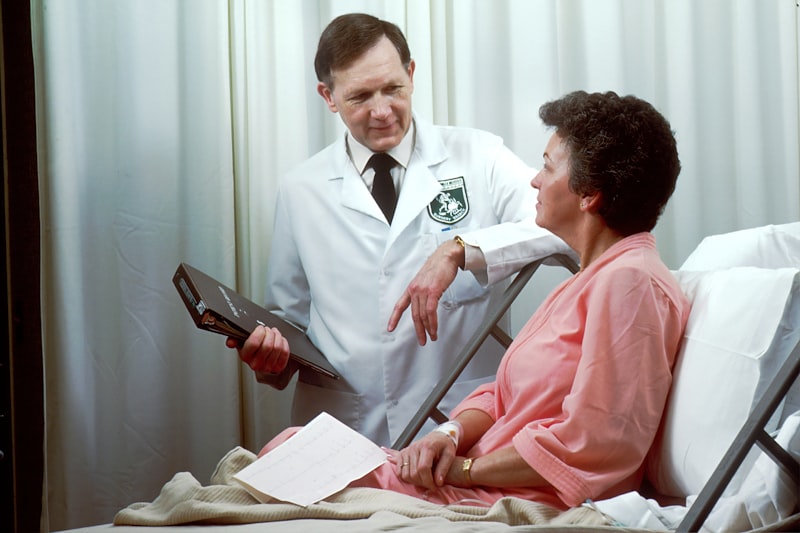
The discharge procedure is formally defined as the comprehensive, structured process of releasing a patient from a highly controlled care environment, such as a general hospital, specialized psychiatric facility, or long-term rehabilitation center, into a less restrictive setting, typically their home or a transitional care facility. This process is far more intricate than merely signing release papers; it represents a critical transition point in the patient’s health journey, demanding careful coordination across multiple disciplines to ensure safety and continuity of care. It signifies the successful completion of the acute phase of treatment and the beginning of self-management or community-based recovery.
The fundamental mechanism driving an effective discharge procedure is ensuring that the patient possesses the necessary resources, knowledge, and support systems to maintain the therapeutic gains achieved during hospitalization. Psychologically, this transition involves navigating a significant shift in environmental support—moving from a setting where their needs are immediately overseen by professionals to one where the primary responsibility falls upon the individual and their support network. Therefore, the core function of Discharge planning is to mitigate the inherent risks associated with this shift, particularly the risk of immediate regression or medical complications due to poor adherence to post-discharge instructions.
A truly successful discharge requires anticipating potential obstacles, including medication adherence issues, financial barriers to follow-up care, and psychological distress related to leaving the safety of the institution. Without meticulous planning, the patient may face an elevated Relapse risk, leading to costly and detrimental readmission, often referred to in healthcare policy as the “revolving door” phenomenon. The final evaluation by the treating physician or clinical team confirms that the patient meets specific medical and behavioral stability criteria necessary for independent management.
Fundamental Principles and Goals
The goals of the discharge procedure are multifaceted, spanning clinical, logistical, and psychological dimensions. Clinically, the paramount goal is ensuring patient safety, which involves reconciling all medications, arranging necessary medical equipment, and confirming that the patient’s immediate physical and mental state is stable. Logistically, the procedure ensures that all follow-up appointments are scheduled and communicated clearly to both the patient and the next care provider, promoting robust Continuity of care.
Psychologically, the procedure focuses heavily on psychoeducation and fostering patient autonomy. Patients must be fully informed about their condition, the purpose and schedule of their medication regimen, and warning signs that necessitate professional intervention. This educational component is crucial for building Self-efficacy—the belief in one’s ability to succeed in specific situations or accomplish a task—which is often eroded during periods of acute illness and institutional dependence. By involving the patient actively in the creation of their discharge plan, professionals reinforce their agency and commitment to the recovery process.
Furthermore, a key principle involves the assessment of support systems. The discharge team must evaluate the patient’s home environment and social network to ensure adequate emotional and practical support is available. For patients dealing with severe mental illness, this might involve coordinating with community mental health services or identifying specific barriers, such as housing instability or social isolation, and developing targeted interventions to address them before release. The plan must be holistic, considering the patient’s entire ecological system, not just their immediate clinical status.
Historical Evolution of Patient Transition
The modern concept of a structured discharge procedure is a relatively recent development, rooted in significant shifts in global healthcare philosophy during the mid-to-late 20th century. Historically, institutional care, particularly for psychiatric patients, often involved indefinite custodial stays with little emphasis on reintegration into society. When release did occur, it was frequently abrupt and unplanned, resulting in high rates of homelessness and re-hospitalization.
The push for deinstitutionalization, beginning in the 1960s across Western nations, catalyzed the need for formal discharge protocols. As large state hospitals closed and care shifted toward community mental health centers, policymakers recognized that successful transitions required deliberate planning. This movement demanded that institutions not only treat acute symptoms but also equip patients with the life skills and social resources necessary to thrive outside the hospital walls. The establishment of community mental health mandates forced facilities to develop processes that bridged the gap between inpatient stabilization and outpatient recovery.
In the ensuing decades, research demonstrated a strong correlation between disorganized discharge planning and poor patient outcomes, including high readmission rates. This evidence led to the formalization of quality standards and accreditation requirements (e.g., those mandated by organizations like The Joint Commission), which require detailed, documented discharge instructions. This historical evolution reflects a philosophical move in psychology and medicine toward viewing the patient as an integrated part of a complex social environment, rather than an isolated clinical case.
Practical Example: Transition from Acute Psychiatric Care
Consider the case of “Sarah,” a 35-year-old patient who has been stabilized following a severe episode of generalized anxiety disorder complicated by panic attacks, resulting in a three-week inpatient stay. Her discharge procedure illustrates the critical steps undertaken by the multidisciplinary team to ensure her transition back home is safe and supportive.
The process begins with the Readiness Assessment. The clinical psychologist conducts a final evaluation to assess Sarah’s current coping skills, her understanding of her triggers, and her ability to articulate a self-care routine. The social worker simultaneously evaluates her living situation and confirms that her family members understand their supportive roles. The physician adjusts her medication and provides detailed instruction on tapering or monitoring side effects.
The “How-To” of Sarah’s discharge involves an ordered list of actions designed to prevent relapse:
- Medication Reconciliation and Education: Sarah receives a seven-day supply of her new medication and a written schedule. A nurse reviews potential adverse effects and ensures she knows how to refill her prescriptions.
- Safety Planning and Crisis Protocol: Sarah collaborates with her therapist to create a personalized safety plan, listing specific coping mechanisms, contacts for immediate support (e.g., a crisis hotline or trusted family member), and the location of the nearest emergency facility should she experience suicidal ideation or overwhelming panic.
- Follow-up Coordination: Appointments are scheduled immediately for both individual psychotherapy and psychiatric medication management at an Outpatient care clinic within the first week post-discharge.
- Resource Connection: The social worker connects Sarah with local support groups for anxiety sufferers, providing a formal referral and contact information to reduce potential feelings of isolation.
This structured, step-by-step approach ensures that when Sarah leaves the physical confines of the hospital, she is entering a robust network of support, not a vacuum. The final evaluation confirms that all components of this plan are understood and agreed upon by Sarah and her primary support person.
Significance and Impact
The effective execution of the discharge procedure holds profound significance within modern healthcare systems, extending beyond individual patient outcomes to influence large-scale policy and financial performance. From a psychological perspective, a structured discharge validates the patient’s recovery journey and reinforces the therapeutic relationship, proving that the care team is invested in long-term success, not just short-term stabilization.
The most measurable impact of robust discharge planning relates to reducing readmission rates. High readmission rates are often viewed as indicators of failure in the initial treatment and transition phases, leading to significant financial penalties for institutions under many modern health insurance and governmental programs. Therefore, hospitals invest heavily in discharge coordination services, recognizing that proactive planning is cost-effective compared to managing frequent relapses.
Furthermore, the principles developed through discharge research are now applied across various specialized fields. In rehabilitation psychology, discharge planning is essential for patients recovering from stroke or traumatic brain injury, focusing on adapting the home environment and reintegrating cognitive and physical limitations into daily life. In geriatric care, discharge planning often involves complex arrangements for home health aides and navigating the labyrinth of long-term care insurance, emphasizing the psychological toll of dependency and loss of previous functional capacity. The process has become a mandatory benchmark for quality assurance throughout the medical and psychological professions.
Connections to Related Psychological Theories
The discharge procedure is deeply informed by several core psychological theories, particularly those focused on human development, social context, and behavior change. The overarching field of study it belongs to is Health Psychology, which examines the biological, psychological, and social factors influencing health and illness.
One crucial theoretical connection is to Urie Bronfenbrenner’s Ecological Systems Theory. The inpatient stay represents the patient’s microsystem—an immediate, highly influential environment. Discharge necessitates a move back into the mesosystem (interactions between the home and clinical settings) and the exosystem (community resources, employment, and public policy). A successful discharge plan acknowledges that failure often occurs not due to clinical symptoms but due to systemic failures in these outer layers. The planning must bridge the gap between the protected microsystem and the often-chaotic demands of the exosystem.
Another key concept is Albert Bandura’s Social Cognitive Theory, specifically the concept of self-efficacy. Acute illness often leaves individuals feeling helpless and lacking control. The discharge procedure is designed to reverse this by providing structured support and skills training, thereby increasing the patient’s belief that they can manage their chronic condition or recovery independently. By giving the patient specific tools (e.g., safety plans, medication organizers) and practicing skills (e.g., role-playing conflict management), the team actively builds their perceived competence for the transition. The process also draws heavily on principles from Behavioral Psychology, utilizing contracts and reinforcement schedules to encourage adherence to post-discharge regimens.
Summary of Best Practices
To ensure the highest likelihood of positive outcomes, best practices in the discharge procedure emphasize standardization, customization, and clear communication. The process should begin early in the patient’s hospitalization, often within 24 to 48 hours of admission, to allow ample time for logistical arrangements and patient education.
Key components of a robust discharge protocol include:
- Early Identification of Complex Needs: Screening for patients who are elderly, have multiple comorbidities, cognitive impairment, or a history of prior readmissions, as these groups require intensive, specialized planning.
- Written and Verbal Instructions: Providing care instructions in plain language, ideally translated into the patient’s native tongue, and confirming comprehension through teach-back methods.
- Medication Reconciliation: A dedicated pharmacist or nurse must review the entire medication list, comparing hospital prescriptions against pre-admission medications, to eliminate harmful interactions or duplications.
- Post-Discharge Follow-Up: Implementing scheduled phone calls or home visits by a member of the healthcare team within 48 to 72 hours of discharge to check on the patient’s adjustment and answer immediate questions.
Ultimately, the discharge procedure is a testament to comprehensive, patient-centered care. When executed properly, it transforms the moment of release from a mere administrative act into a supportive, therapeutic handoff that safeguards the patient’s physical and psychological well-being as they resume life outside the structured institution. The final comprehensive evaluation serves as the capstone, confirming that all necessary support structures are in place and operational.