Social Discrimination: Unmasking Our Hidden Biases
Scientifically Reviewed · Dr. Marwa Abd-Alazim · October 2, 2026
Review Criteria & Clinical Standards
This content undergoes rigorous scientific peer-review and medical editorial standards at Arab Psychology Network to ensure clinical accuracy, validity, and compliance with evidence-based guidelines from leading psychological and healthcare authorities (APA / WHO).
Defining Discrimination in Psychological Science
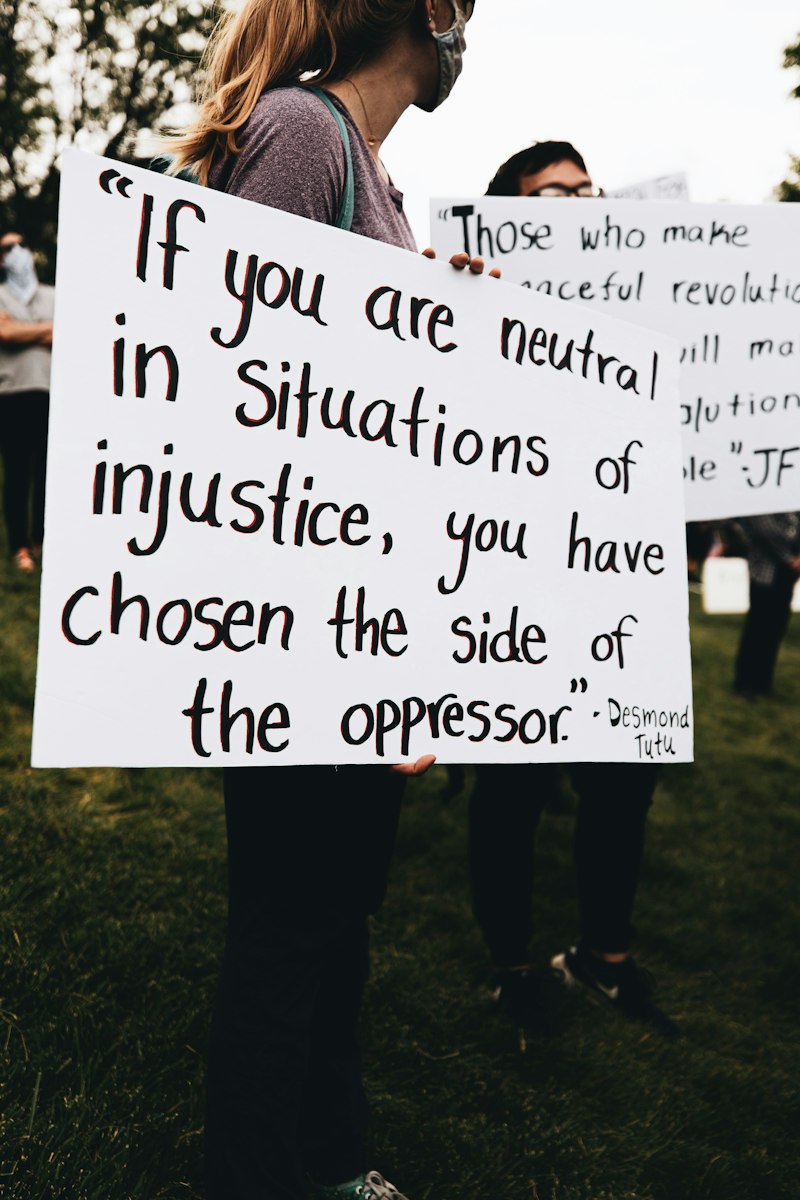
In the realms of psychology and the broader social sciences, discrimination is defined as the behavioral expression of prejudice, characterized by the unequal or unfavorable treatment of individuals based on their real or perceived membership in specific social categories. Unlike prejudice, which constitutes an internal affective attitude, or stereotyping, which represents a cognitive schema, discrimination manifests as observable actions that actively disadvantage, exclude, or harm targeted individuals. These actions are directed against characteristics protected by human rights and social norms, such as race, gender, age, sexual orientation, religion, physical or mental disability, and socioeconomic status. By translating subjective biases into tangible external consequences, discrimination systematically denies marginalized populations equitable access to vital resources, opportunities, and societal respect, thereby reinforcing existing social hierarchies.
The cognitive and psychological architecture underlying discrimination relies heavily on the human tendency to categorize the social environment into in-groups (groups with which an individual identifies) and out-groups (groups perceived as different or external). This categorization process is frequently accompanied by the systematic devaluation, essentialization, and negative stereotyping of out-group members. By reducing complex individuals to oversimplified group identities, perpetrators of discrimination justify treating out-group members as inherently less worthy of respect, resources, or ethical consideration. This differential treatment is rarely arbitrary; rather, it operates systematically to preserve the social and economic privileges of dominant groups, establishing a hierarchy where one group wields sufficient social power to institutionalize its biases.
Crucially, contemporary psychological science recognizes that discrimination does not always manifest in overt, conscious, or overtly malicious ways. While explicit discrimination involves deliberate, conscious actions designed to exclude or harm a specific group, implicit discrimination operates below the level of conscious awareness. This subtle form of bias is driven by deeply ingrained cultural stereotypes and automatic cognitive associations that influence decision-making processes without the individual’s explicit intent. Whether conscious or unconscious, the objective impact on the victim remains profoundly damaging, creating persistent barriers to success and well-being. Understanding this distinction is essential for developing comprehensive interventions that target both individual conscious attitudes and the structural biases embedded within societal institutions.
Furthermore, discrimination is fundamentally intertwined with broader power dynamics and systemic frameworks. It cannot be fully understood merely as a collection of isolated, individual biases; rather, it is sustained and reinforced by institutional structures, cultural narratives, and historical legacies. These systemic imbalances allow dominant groups to enact policies, laws, and organizational practices that systematically disadvantage subordinate groups, even in the absence of overt interpersonal animosity. For example, historical practices of residential segregation continue to shape modern socioeconomic disparities, demonstrating how historical discrimination becomes structurally embedded, perpetuating inequality across generations and illustrating that discrimination is a multifaceted phenomenon requiring systemic analysis.
Key Cognitive and Psychological Mechanisms
At its psychological core, discrimination is heavily fueled by stereotypes and a pervasive disregard for individual characteristics, as emphasized by researchers like Driskell (2017). Stereotypes function as cognitive shortcuts, allowing the human brain to rapidly categorize and process social information by attributing generalized characteristics to entire groups of people. While these mental shortcuts are a natural component of human cognition, they become highly problematic when they are negative, rigid, and resistant to contradictory evidence. When these negative stereotypes are accompanied by prejudice—the affective component involving hostile or unfavorable feelings—they create a fertile ground for discrimination. Discrimination serves as the behavioral enactment of this cognitive-affective alignment, translating internalized biases into actions that treat individuals not on their personal merits, but through the distorted lens of group-based generalizations.
The theoretical frameworks of Social Identity Theory and Self-Categorization Theory provide deep insights into these discriminatory behaviors. These theories posit that individuals derive a significant portion of their self-concept and self-esteem from their social group memberships. To maintain a positive self-image, individuals naturally exhibit in-group favoritism, attributing positive qualities to their own group, while simultaneously engaging in out-group derogation, viewing external groups with suspicion, hostility, or disdain. This intergroup bias is further exacerbated by cognitive distortions such as the fundamental attribution error, wherein people attribute the negative behaviors of out-group members to their inherent character flaws, while attributing similar behaviors by in-group members to temporary, situational factors. These cognitive distortions make it psychologically easier to rationalize and justify discriminatory practices.
In addition to conscious biases, implicit biases represent a critical psychological underpinning of contemporary discrimination. Operating automatically and outside of conscious awareness, these implicit biases are formed through long-term exposure to cultural stereotypes, media representations, and societal norms. The development of the Implicit Association Test (IAT) has allowed researchers to measure these automatic associations, demonstrating that even well-intentioned individuals who explicitly support egalitarian values often harbor unconscious biases. These implicit associations frequently manifest in everyday social interactions as microaggressions. These are subtle, brief, and commonplace verbal, behavioral, or environmental indignities that communicate hostile or derogatory slights toward marginalized groups. Although often unintentional, the cumulative impact of these daily slights inflicts severe psychological wear and tear on targets, demonstrating the insidious nature of non-conscious bias.
Historical Evolution of Discrimination as a Psychological Construct
The academic and empirical investigation of discrimination as a distinct psychological construct gained significant momentum during the mid-20th century. While sociological and philosophical examinations of social inequality had existed for centuries, psychology began to systematically analyze the cognitive, affective, and behavioral dimensions of intergroup bias during and after World War II. A foundational milestone in this scientific journey was the publication of Gordon Allport’s seminal 1954 book, The Nature of Prejudice. Allport proposed a comprehensive framework that distinguished between internal attitudes (prejudice) and external behaviors (discrimination). He formulated a scale of intergroup hostility, illustrating how bias progresses from verbal rejection and avoidance to active discrimination, physical attack, and ultimately, systemic extermination, thereby establishing a rigorous foundation for future empirical research.
The intellectual genesis of this research was profoundly shaped by the global geopolitical environment of the mid-20th century. The horrors of the Holocaust forced social scientists to confront the devastating capacity of human beings for extreme intergroup hatred, conformity, and obedience to destructive authority. Concurrently, the rise of the Civil Rights Movement in the United States and global anti-colonial movements highlighted the urgent need to understand and address systemic racial and ethnic discrimination. These historical events prompted social psychologists to move beyond individual clinical explanations of bias and focus on group dynamics. Landmark studies, such as Muzafer Sherif’s Robbers Cave Experiment, demonstrated how easily intergroup conflict and discrimination could be engineered through resource competition, and conversely, how it could be mitigated through cooperative, superordinate goals.
During the latter half of the 20th century, the cognitive revolution in psychology shifted the analytical focus toward the mental processes that facilitate bias. Researchers began to explore how memory, categorization, and information-processing limitations naturally lead to the formation of stereotypes. Concepts such as confirmation bias and illusory correlation explained how individuals selectively attend to and remember information that confirms their pre-existing prejudices, while ignoring contradictory evidence. This cognitive focus eventually paved the way for the study of unconscious cognition in the late 1990s. Pioneering researchers like Mahzarin Banaji and Anthony Greenwald introduced the Implicit Association Test (IAT), revolutionizing the field by demonstrating that implicit, non-conscious biases are widespread and highly predictive of subtle discriminatory behaviors, even among individuals who explicitly reject prejudice.
In the 21st century, psychological perspectives on discrimination have become increasingly sophisticated, multidimensional, and interdisciplinary. Modern scholars heavily emphasize the concept of intersectionality, a framework originating in critical race theory that posits individuals do not experience discrimination in isolated categories; rather, identities such as race, gender, class, and sexuality intersect to create unique, compound systems of discrimination. Furthermore, contemporary research incorporates neurobiological methodologies, utilizing functional magnetic resonance imaging (fMRI) to study brain regions involved in threat detection (such as the amygdala) and social categorization. This evolution from analyzing overt, individual acts of malice to investigating complex implicit, biological, and systemic structures reflects a deep, comprehensive understanding of discrimination as a highly persistent societal challenge.
Typologies and Manifestations of Discriminatory Behavior
Discrimination manifests across a wide spectrum of human behavior, ranging from explicit, institutionalized actions to subtle, everyday interpersonal dynamics. To classify these behaviors, psychological and legal frameworks typically distinguish between direct discrimination and indirect discrimination, as outlined by Driskell (2017). Direct discrimination occurs when an individual is intentionally treated less favorably than another in a comparable situation specifically because of a protected characteristic. Examples include an employer refusing to hire a qualified candidate due to their race, or a business denying service to a customer based on their sexual orientation. In these instances, the discriminatory intent is explicit, and the causal link between the victim’s social identity and the adverse treatment is straightforward and observable.
In contrast, indirect discrimination is far more subtle and structurally embedded, occurring when an apparently neutral rule, policy, or practice is applied universally but disproportionately disadvantages a specific protected group. In these cases, there may be no explicit intent to discriminate, yet the outcome remains highly inequitable. For example, a company policy requiring all employees to work on Saturdays might indirectly discriminate against individuals of certain religious faiths who observe Saturday as a holy day. Similarly, utilizing standardized tests that contain cultural biases for educational admissions can systematically disadvantage minority students, regardless of the test designers’ intentions. Identifying indirect discrimination requires a critical shift in focus from individual intent to systemic outcomes, highlighting how institutional norms can quietly perpetuate inequality.
Interpersonal manifestations of discrimination often occur along a continuum of severity, beginning with verbal and non-verbal slights. Verbal harassment encompasses the use of explicit racial slurs, derogatory jokes, offensive epithets, and persistent negative commentary designed to demean an individual’s identity. At a more covert level, microaggressions represent everyday, subtle insults that convey hostile or negative messages to marginalized individuals. These can include a retail worker closely following a shopper of color, or an executive expressing surprise at a minority colleague’s articulateness. While seemingly minor in isolation, the chronic, repetitive nature of microaggressions creates a hostile psychological climate. At the most severe end of the spectrum, discrimination escalates to physical aggression, which includes hate crimes, physical assaults, and systemic violence targeted at specific communities.
On a macro-societal level, discrimination results in profound economic and institutional disparities. Economic disadvantages are clearly visible in persistent gender and racial wage gaps, systemic hiring bias, and restricted access to capital and housing. Institutional discrimination refers to the policies and practices of established institutions—such as the judicial system, healthcare providers, and educational networks—that systematically yield inequitable outcomes. This is evident in the disproportionate sentencing of minority offenders, educational funding models that rely on local property taxes (thereby disadvantaging low-income, minority-dense neighborhoods), and documented disparities in medical treatment quality. These structural barriers reinforce social stratification and limit upward mobility, demonstrating that discrimination is deeply woven into the fabric of daily life.
Case Studies and Real-World Applications
To understand how these abstract psychological theories operate in practice, it is highly instructive to examine detailed real-world scenarios. In the professional sphere, employment discrimination frequently occurs through a series of subtle, sequential biases that disadvantage qualified candidates. Consider the case of Dr. Anya Sharma, an exceptionally qualified candidate with a doctoral degree and extensive leadership experience, who applies for an executive-level position. Despite her stellar credentials, she is repeatedly bypassed during the final selection phases in favor of less qualified male candidates. This outcome is rarely the result of a single, overt decision; rather, it is the product of a multi-stage process driven by implicit stereotypes and cognitive biases.
The progression of this discriminatory process can be analyzed through the following steps:
- Initial Application and Screening: During the initial resume review, if identifying details such as name and gender are visible, implicit gender and ethnic stereotypes can immediately color the evaluators’ perceptions, leading them to scrutinize Dr. Sharma’s credentials more harshly than those of male applicants.
- The Interview Stage: In the interpersonal interview phase, hiring managers may unconsciously harbor expectations that leaders should exhibit traditionally masculine traits. Consequently, they may interpret Dr. Sharma’s professional confidence as aggressive, or conversely, view her collaborative approach as a lack of authority, asking her subjective questions about work-family balance that are rarely posed to male candidates.
- Post-Interview Evaluation and Decision: During final deliberations, decision-makers often justify selecting a male candidate by relying on vague, subjective criteria like “cultural fit” or “executive presence.” These terms frequently serve as cognitive shields, allowing evaluators to maintain an illusion of meritocracy while unconsciously aligning their choices with pre-existing stereotypes, thereby denying Dr. Sharma the position despite her objective qualifications.
A second pervasive example is found in housing discrimination, which severely restricts geographic mobility and access to high-quality public resources. Consider the Lee family, an East Asian family with an excellent financial profile, searching for a home in an affluent, historically white suburban neighborhood. Despite their strong purchasing power, they encounter persistent, unexplained obstacles when attempting to view or bid on properties. This scenario illustrates how systemic gatekeeping, driven by a desire to maintain the demographic status quo of a neighborhood, manifests in discriminatory real estate practices.
This discriminatory process typically unfolds through several distinct phases:
- The Inquiry and Screening Phase: Upon contacting real estate agents regarding advertised properties, the Lees are frequently told that homes are “under contract” or “no longer available,” while white buyers making identical inquiries are promptly scheduled for viewings.
- Racial Steering: When agents do agree to work with the Lees, they may engage in racial steering, showing them properties only in neighborhoods with higher concentrations of minority residents, thereby limiting their exposure to the broader housing market based on racial assumptions.
- Transactional Barriers: If the Lees attempt to submit an offer, they may face administrative delays, requests for excessive financial documentation, or outright rejection based on subjective, non-verifiable reasons. The psychological drivers here involve agents and sellers acting on implicit biases regarding neighborhood cohesion and property values, resulting in housing segregation and wealth disparities.
A third critical domain is healthcare discrimination, where clinical biases directly jeopardize patient health and safety. Consider Mr. Javier Rodriguez, a 60-year-old Latino man presenting at an emergency room with severe, chronic chest pain. Despite exhibiting classic indicators of cardiovascular distress, his symptoms are initially minimized, and he experiences prolonged delays in receiving diagnostic testing and cardiac care. This clinical failure highlights how implicit stereotypes within medical settings can lead to catastrophic diagnostic and treatment disparities for minority patients.
This life-threatening clinical process typically progresses through the following stages:
- Symptom Presentation: Mr. Rodriguez describes his acute physical distress to the triage staff, expecting standard diagnostic protocols to be initiated immediately.
- Biased Clinical Assessment: Due to implicit cultural stereotypes, the attending medical staff may unconsciously perceive Mr. Rodriguez as hyper-responsive to pain, less compliant, or prone to exaggerating symptoms. These non-conscious biases lead the clinician to downplay the severity of his condition, attributing his chest pain to minor gastrointestinal distress or anxiety rather than initiating an immediate cardiac workup.
- Suboptimal Treatment and Adverse Outcomes: As a result of this biased assessment, critical interventions such as electrocardiograms or thrombolytic therapies are delayed, leading to preventable myocardial damage. This case study illustrates how systemic biases, operating under high-stress, fast-paced clinical conditions, translate into severe health disparities and erode trust in the medical establishment.
Psychological and Societal Consequences of Discrimination
The consequences of discrimination are exceptionally broad and damaging, exerting a profound toll on both individual well-being and the stability of the wider social fabric. As documented by researchers such as Brown & Carnes (2018) and Driskell (2017), chronic exposure to discrimination leads to severe physical health problems, a decreased quality of life, and significantly diminished economic opportunities. The psychological mechanism driving these physical health disparities is conceptualized as minority stress, which represents the chronic, additive psychological stress experienced by members of stigmatized social groups. This constant state of stress forces individuals into a state of hypervigilance, continuously anticipating bias and hostility in their daily environments.
This persistent psychological strain translates directly into physiological damage through a process known as allostatic load, which refers to the wear and tear on the body accumulated through repeated or chronic activation of the physiological stress response. Over time, elevated cortisol and adrenaline levels damage the cardiovascular system, suppress immune function, increase the risk of metabolic disorders, and accelerate cellular aging. Consequently, individuals who experience frequent discrimination suffer from higher rates of hypertension, cardiovascular disease, obesity, and chronic pain. Furthermore, the psychological impact is equally devastating, leading to clinical levels of anxiety, major depressive disorder, feelings of learned helplessness, and symptoms of post-traumatic stress disorder (PTSD), particularly following acute or violent discriminatory incidents.
In addition to direct physiological and psychological harm, discrimination is strongly associated with maladaptive behavioral coping mechanisms. Brown & Carnes (2018) emphasize that individuals subjected to systemic bias are significantly more likely to engage in risk behaviors, such as tobacco smoking, excessive alcohol consumption, and substance abuse. These behaviors often function as self-medicating strategies to temporarily alleviate the intense emotional pain, anxiety, and social isolation caused by discriminatory experiences. When these individual struggles are aggregated across communities, they manifest as severe public health crises, further exacerbating the vulnerability of marginalized populations and reinforcing negative societal stereotypes, thereby creating a destructive feedback loop.
On a macro-societal level, discrimination fundamentally undermines social cohesion, economic productivity, and institutional trust. Communities targeted by systemic bias suffer from entrenched economic disadvantages, characterized by high poverty rates, underfunded educational systems, and lack of infrastructure. This structural deprivation limits the collective potential of entire generations, hindering broader economic growth. Moreover, systemic discrimination erodes trust in foundational social institutions, such as the legal system, law enforcement, and government agencies. When marginalized groups perceive these institutions as instruments of oppression rather than sources of protection, social solidarity fractures, leading to heightened intergroup conflict, civic alienation, and increased social instability.
Therapeutic Interventions and Policy Frameworks
Dismantling the complex, deeply rooted phenomenon of discrimination requires a comprehensive, multi-tiered approach that combines clinical psychological interventions with robust structural and institutional policy reforms, as advocated by Brown & Carnes (2018). At the individual level, specialized psychological therapies are crucial for supporting victims of bias. Trauma-informed modalities, such as Cognitive Behavioral Therapy (CBT) and Dialectical Behavior Therapy (DBT), help individuals process the psychological trauma, anxiety, and depression stemming from discriminatory experiences. These clinical interventions focus on cultivating healthy coping mechanisms, building psychological resilience, and actively challenging the internalized oppression that occurs when individuals subconsciously accept societal prejudices as true reflections of their own worth.
To address the perpetrators and sources of bias, organizations have increasingly turned to educational and psychological interventions. Implicit bias training is widely implemented to raise awareness of unconscious stereotypes and provide individuals with cognitive strategies to interrupt automatic biased associations. While short-term training programs have limited efficacy on their own, sustained, long-term educational initiatives that incorporate active perspective-taking and empathy-building exercises have shown promise in reducing prejudice. Furthermore, psychological interventions grounded in intergroup contact theory suggest that facilitating structured, positive interactions between diverse groups under conditions of equal status, common goals, and institutional support can significantly reduce intergroup anxiety and diminish discriminatory attitudes.
However, individual-level psychological strategies are fundamentally insufficient without comprehensive policy and institutional changes. Governments and organizations must enforce strict anti-discrimination laws that legally penalize unequal treatment in employment, housing, education, and public accommodations. Policies such as affirmative action and targeted equity initiatives serve as vital mechanisms to actively dismantle historical disadvantages and ensure equal access to opportunities. Additionally, integrating structured Diversity, Equity, and Inclusion (DEI) initiatives within corporate, academic, and governmental institutions is essential. These initiatives must extend beyond superficial compliance, focusing on auditing organizational policies for systemic bias, diversifying leadership, and cultivating inclusive cultures where all individuals can thrive.
Ultimately, a sustainable reduction in discrimination requires a profound cultural shift that actively challenges stereotypes and celebrates diversity across all levels of society. This involves reforming educational curricula to include comprehensive histories of marginalized groups, promoting critical thinking regarding social biases, and encouraging media representations that dismantle harmful stereotypes. By combining clinical support for victims, evidence-based bias reduction training for individuals, and rigorous structural policy reforms, society can work toward dismantling the systemic barriers that perpetuate inequality. This coordinated effort is vital not only for preventing psychological harm but also for fostering a truly equitable, just, and cohesive global community.
Interdisciplinary Connections and Broader Psychological Paradigms
To fully comprehend discrimination, it must be situated within a web of interconnected psychological concepts and broader social paradigms. Fundamentally, discrimination is part of a tripartite framework consisting of stereotypes, prejudice, and discrimination. Stereotypes represent the cognitive component (beliefs and schemas), prejudice constitutes the affective component (emotional evaluations), and discrimination represents the behavioral component (actual conduct). These three elements are deeply interdependent, with stereotypes often shaping prejudiced feelings, which in turn drive discriminatory actions. Disentangling these components is essential for researchers and clinicians, as interventions designed to modify cognitive stereotypes differ significantly from those aimed at regulating prejudiced emotions or regulating discriminatory behaviors through legal and structural policies.
Moreover, the study of discrimination is deeply connected to macro-level sociological concepts such as systemic oppression and structural inequality. These frameworks emphasize that discrimination is not merely a collection of isolated, individual acts of malice, but is often embedded within the laws, policies, and cultural norms of societal institutions. Consequently, discriminatory outcomes can persist even in the absence of explicit, individual prejudice, as institutional defaults and automated algorithms can replicate historical inequalities. Recognizing this systemic dimension prevents social scientists from over-individualizing the problem, shifting focus toward auditing and redesigning institutional processes to ensure equitable outcomes for all groups, regardless of individual attitudes.
While historically rooted in Social Psychology—which focuses on intergroup relations, conformity, and social influence—the study of discrimination spans multiple psychological subfields. Developmental Psychology investigates how children acquire social categories, stereotypes, and biases from their environment; Cognitive Psychology explores the fundamental memory and attentional biases that sustain stereotypic thinking; Health Psychology examines the physiological pathways through which discrimination causes chronic illness; Organizational Psychology designs and evaluates workplace diversity interventions; and Cultural Psychology analyzes how different societies construct and maintain unique systems of social stratification. This rich, interdisciplinary collaboration underscores that discrimination is a complex, multifaceted phenomenon requiring a holistic, integrated approach to both scientific understanding and practical intervention.