Digital Identity: Unmasking Your Hidden Online Persona
Scientifically Reviewed · Dr. Marwa Abd-Alazim · September 25, 2026
Review Criteria & Clinical Standards
This content undergoes rigorous scientific peer-review and medical editorial standards at Arab Psychology Network to ensure clinical accuracy, validity, and compliance with evidence-based guidelines from leading psychological and healthcare authorities (APA / WHO).
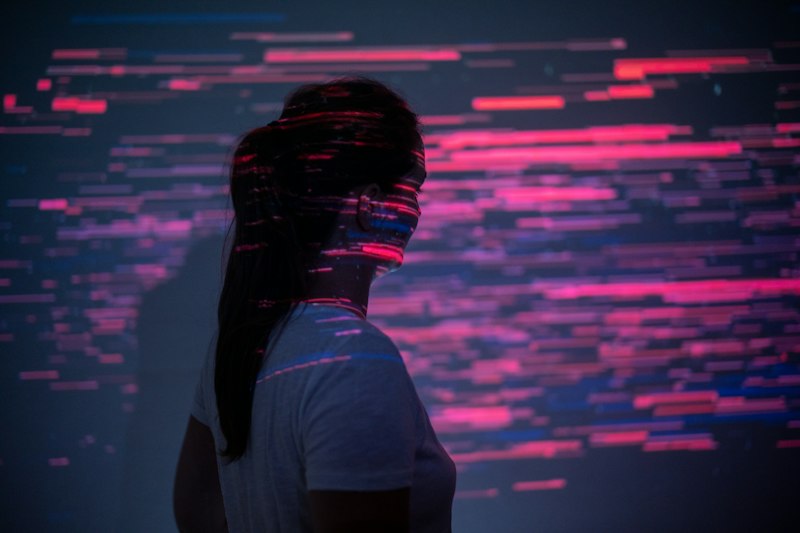
Introduction to the Double Image Phenomenon in Modern Communication
The contemporary landscape of global interaction has undergone a significant paradigm shift regarding the methodologies utilized for the transmission of information and the sharing of complex ideas. In an era characterized by an overabundance of sensory stimuli, the emergence of the double image has provided a sophisticated solution for those seeking to communicate with both brevity and depth. By definition, a double image is a visual construct created by the intentional combination of two distinct images into a singular, unified frame. This technique is not merely an aesthetic choice but a functional strategy designed to convey messages in a highly efficient and creative manner, allowing the viewer to process multiple layers of meaning simultaneously. As visual literacy becomes a cornerstone of modern education, understanding the mechanics and implications of these layered compositions becomes essential for scholars and practitioners alike.
The primary motivation behind the adoption of the double image within various media is the desire to transcend the limitations of traditional, singular perspectives. By merging disparate visual elements, creators can establish a dialogue between concepts that might otherwise remain disconnected. This synthesis allows for a more nuanced exploration of themes such as duality, transformation, and contradiction. In the context of a psychology encyclopedia, the double image serves as a fascinating case study in how human perception adapts to complex stimuli. The process of decoding a double image requires the brain to navigate the relationship between the foreground and background, as well as the symbolic interplay between the two integrated subjects. This cognitive engagement ensures that the message is not only received but is also deeply processed by the observer.
Furthermore, the rise of digital technology has democratized the ability to produce and share these complex visuals, leading to their ubiquity in social media, journalism, and academic discourse. The modern world demands tools that can capture attention while providing substantive content, and the double image fulfills this requirement by acting as a visual shorthand for complex narratives. Whether used to illustrate a psychological state, a social conflict, or a scientific concept, the double image leverages the power of visual metaphor to bridge the gap between abstract thought and concrete representation. As we delve deeper into the technical and theoretical aspects of this phenomenon, it becomes clear that the double image is a cornerstone of 21st-century visual communication.
Technical Methodologies in the Synthesis of Dual Imagery
From a technical perspective, the creation of a double image involves a variety of sophisticated processes that allow two separate photographs or illustrations to occupy the same visual space. One of the most common techniques is the juxtaposition of images side-by-side, which forces the viewer to draw immediate comparisons and contrasts between the two subjects. This method is particularly effective for highlighting subtle contrasts or demonstrating a “before and after” progression. By placing two distinct realities within the same optical field, the creator can manipulate the viewer’s sense of time and space, creating a narrative that exists in the tension between the two halves of the frame. This technical approach is often used in documentary photography and psychological assessments to illustrate conflicting emotions or environmental changes.
Another prevalent technique is the layering of one image on top of another, often referred to as double exposure in the realm of photography. This involves adjusting the opacity and blending modes of the visual layers so that elements of both images remain visible and intertwined. The layering process creates a translucent effect where the boundaries between the two subjects become blurred, suggesting a deeper, more intrinsic connection. This method is frequently utilized to represent internal mental states, such as memory, dreams, or subconscious influences, where one thought is inextricably linked to another. The technical precision required to balance the light, color, and composition of these layers is significant, as the goal is to create a complex composition that remains legible and impactful rather than cluttered or confusing.
In addition to juxtaposition and layering, some double images are created by combining multiple images within a single frame through more intricate masking and compositing techniques. This allows for specific elements of one image to be seamlessly integrated into the structure of another, creating a surreal or hyper-realistic effect. For example, a portrait might be combined with a landscape in a way that the contours of the face are formed by the silhouettes of trees or mountains. This level of technical integration is used to emphasize a particular element within the composition, drawing the viewer’s eye to a specific focal point while maintaining the broader context of the secondary image. Through these varied technical means, the double image becomes a versatile tool capable of producing a wide range of visual effects, from the minimalist to the highly ornate.
The Role of Double Imagery in Fine Art and Aesthetic Design
The field of art and design has long embraced the double image as a means of pushing the boundaries of traditional representation. Artists use this technique to create dynamic and engaging compositions that challenge the viewer’s expectations and encourage prolonged contemplation. By moving away from the “single-moment” capture of traditional photography, the double image allows for the representation of movement, change, and the passage of time within a static medium. In fine art, this often manifests as a search for aesthetic harmony between two seemingly unrelated subjects. The successful integration of these elements can elevate a simple photograph into a profound work of art that communicates a message in an aesthetically pleasing manner, appealing to the viewer’s sense of beauty and order while simultaneously provoking intellectual curiosity.
In the realm of graphic design, the double image is frequently employed to add a sense of mystery and visual intrigue to a project. Designers leverage the ambiguity of layered visuals to capture the audience’s interest, as the human brain is naturally drawn to solving visual puzzles. This use of visual interest is particularly effective in poster design, book covers, and editorial layouts, where the goal is to stand out in a crowded visual environment. Furthermore, the double image can be used to create a sense of depth or perspective within a composition that might otherwise appear flat. By layering elements with different scales or focal lengths, designers can simulate a three-dimensional space, guiding the viewer’s eye through the composition in a structured and meaningful way.
Beyond mere decoration, the use of double images in design serves to communicate a message more effectively by utilizing the subconscious associations the viewer has with certain symbols. For instance, combining the image of a clock with a human silhouette can immediately convey themes of mortality or the pressure of time without the need for text. This symbolic power is a key reason why double images are a staple in both historical and contemporary art movements. The technique provides a bridge between the literal and the metaphorical, allowing artists and designers to explore complex narratives and emotional landscapes. As such, the double image remains a vital component of the artistic toolkit, offering endless possibilities for innovation and expression.
Psychological Foundations and Visual Perception of Layered Stimuli
The effectiveness of the double image is rooted in the fundamental principles of human psychology and perception. When a viewer encounters a double image, their cognitive system must engage in a process of “feature integration,” where the brain attempts to make sense of the overlapping or juxtaposed data. This process is heavily influenced by Gestalt principles, such as figure-ground organization and the law of closure. The brain seeks to identify a primary subject (the figure) against a secondary context (the ground), but in a well-executed double image, these roles may be fluid or interchangeable. This creates a state of cognitive dissonance or “bistable perception,” where the viewer can switch between two different interpretations of the same visual input, leading to a more profound and memorable experience.
From a psychological standpoint, the use of double images can be linked to the concept of dual coding, which suggests that information is more easily remembered when it is represented both verbally and visually, or in this case, through two distinct visual channels. By presenting two images simultaneously, the creator increases the likelihood that the viewer will form a stronger mental association with the underlying message. This is why double images are so effective in visual communication; they provide a rich density of information that can be decoded at different levels of consciousness. The primary image might provide the immediate context, while the secondary, layered image provides the subtle message or idea that lingers in the viewer’s mind after they have looked away.
Moreover, the sense of mystery often associated with double images triggers the brain’s reward system. Solving a visual enigma provides a sense of cognitive satisfaction, which can lead to a more positive emotional response toward the content. This psychological engagement is why double images are often used to emphasize a particular element or concept; the effort required to “see” the hidden image ensures that the viewer pays closer attention to that specific detail. In clinical psychology, double images and ambiguous figures are sometimes used in projective tests to explore an individual’s subconscious perceptions and personality traits. The way a person prioritizes one image over another can reveal significant insights into their cognitive biases and emotional state, further highlighting the deep connection between this visual technique and the human psyche.
Strategic Implications for Visual Communication and Branding
In the competitive world of marketing and professional communication, the double image serves as a powerful strategic tool. Organizations and brands use this technique to emphasize a particular product or concept by weaving it into a broader, more relatable context. For example, a travel agency might use a double image that combines a suitcase with a breathtaking mountain range, effectively communicating the idea of adventure and preparation in a single glance. This method of visual storytelling is far more engaging than a standard product shot, as it invites the consumer to imagine themselves within the narrative created by the layered imagery. By fostering this emotional connection, brands can build stronger identity and loyalty among their target audience.
The use of double images also allows for the communication of subtle messages that might be difficult to express through direct advertising. A brand can use layering to suggest qualities like “natural,” “innovative,” or “connected” without explicitly stating those words. This aesthetic communication is often perceived as more authentic and less intrusive by modern consumers, who are increasingly skeptical of traditional marketing tactics. Additionally, the complexity of a double image can add visual interest to a brand’s digital presence, encouraging users to spend more time interacting with their content on platforms like Instagram or Pinterest. The increased “dwell time” on a post can improve algorithmic performance and lead to higher rates of engagement and sharing.
Furthermore, the efficiency of the double image makes it an ideal choice for the fast-paced nature of digital consumption. In a world where users scroll through hundreds of images a day, a well-crafted double image can stop the scroll by providing a dynamic and engaging composition that demands a second look. This ability to capture and hold attention is invaluable for any communicator, whether they are trying to sell a product, raise awareness for a social cause, or explain a complex scientific theory. The implications for visual communication are clear: those who master the art of the double image are better equipped to navigate the challenges of the modern information age and ensure their messages are both seen and understood.
Narrative Construction and the Power of Visual Metaphor
One of the most compelling aspects of the double image is its ability to create a narrative within a single frame. Unlike a single photograph that captures a solitary moment in time, a double image can represent a sequence of events, a transformation, or a complex relationship between two entities. This narrative depth is achieved by carefully selecting images that, when combined, tell a story that is greater than the sum of its parts. For instance, layering a child’s face over an old man’s face can serve as a poignant visual metaphor for the cycle of life or the persistence of memory. Such images resonate deeply with viewers because they tap into universal human experiences and emotions, transcending cultural and linguistic barriers.
The construction of these narratives often relies on the subtle contrasts between the two images. By juxtaposing light and dark, nature and industry, or peace and conflict, the creator can highlight the tension at the heart of the story. This technique is frequently used in editorial photography to illustrate complex social issues, such as the impact of urbanization on the natural world or the duality of the human condition. The double image acts as a powerful tool for social commentary, allowing the artist to present a multi-faceted view of a topic in a way that is both concise and visually arresting. The viewer is not just a passive recipient of information but an active participant in decoding the narrative, which leads to a more profound understanding of the subject matter.
Moreover, the double image can be used to emphasize a particular idea by providing a metaphorical context that enriches the primary subject. In educational settings, this can be used to explain abstract concepts by linking them to more familiar visual cues. For example, a double image combining a lightbulb with a neural network can effectively illustrate the concept of innovation and cognitive processing. The ability of the double image to function as both a literal representation and a symbolic metaphor makes it an indispensable asset for effective visual communication. As creators continue to experiment with new ways of blending and layering images, the potential for complex and meaningful storytelling through the double image will only continue to grow.
The Aesthetic Value of Mystery and Visual Complexity
A significant factor in the enduring popularity of the double image is its inherent sense of mystery. Humans are naturally attracted to the enigmatic and the unexplained, and the layered nature of a double image provides a rich field for exploration. By intentionally obscuring certain details or creating ambiguous relationships between visual elements, the creator can evoke a sense of wonder and curiosity. This visual complexity encourages the viewer to linger on the image, searching for hidden meanings and connections. This process of discovery is inherently rewarding and can lead to a deeper aesthetic appreciation of the work. In art, this mystery is often used to explore themes of the subconscious, the ethereal, and the unknown.
The visual interest generated by these complex compositions is also a key driver of their use in modern design. In a landscape saturated with high-definition, literal imagery, the double image offers a refreshing alternative that prioritizes creativity and imagination. The interplay of textures, colors, and forms that occurs when two images are merged can create unexpected and beautiful effects that are impossible to achieve through traditional means. This aesthetic innovation is highly valued in fields such as fashion, music, and luxury branding, where the goal is to create a unique and memorable visual identity. By embracing the complexity of the double image, designers can produce work that is not only functional but also serves as a source of visual delight.
Furthermore, the sense of depth and perspective that can be achieved through double imagery adds a layer of sophistication to the visual experience. By layering images with different spatial qualities, the creator can simulate a world that feels vast and multi-dimensional. This technique is particularly effective in digital art and cinematography, where it is used to create immersive environments and surreal dreamscapes. The ability to manipulate the viewer’s perception of space and time through layered visuals is a testament to the power of the double image as a medium for artistic expression. Ultimately, the aesthetic value of the double image lies in its ability to balance clarity with complexity, providing a visual experience that is both intellectually stimulating and emotionally resonant.
Summary and Future Directions in Dual Image Communication
In conclusion, double images represent a powerful and versatile tool for visual communication in the modern world. By combining two separate images into a single frame, creators can produce dynamic and engaging compositions that are capable of conveying complex ideas with remarkable efficiency. Whether through the technical processes of layering, juxtaposition, or frame-blending, the double image allows for a depth of expression that is rarely matched by singular visuals. The technique’s widespread use in art, design, and strategic communication highlights its ability to capture attention, evoke emotion, and emphasize important concepts in an aesthetically pleasing manner. As we have explored, the psychological impact of these images is profound, tapping into the way our brains process and organize visual information.
Looking forward, the potential implications of using double images for visual communication are vast. As digital tools become more advanced, the ease with which these images can be created and manipulated will likely lead to even more innovative applications in fields such as augmented reality and virtual environments. The ability to layer digital information over the physical world is essentially a real-time application of the double image concept, and its impact on how we interact with our surroundings will be significant. Moreover, the continued evolution of visual rhetoric will see the double image playing a central role in how we address global challenges, share diverse perspectives, and explore the complexities of the human experience. The paradigm shift that began with simple double exposures is far from over.
As such, the double image remains an essential subject of study for anyone interested in the intersection of psychology, art, and technology. Its ability to create a sense of mystery, add visual interest, and provide a platform for complex narrative construction ensures its relevance for years to come. By understanding the technical foundations and psychological effects of this technique, we can better appreciate the images that shape our world and harness their power to communicate more effectively. The double image is not just a visual trick; it is a profound reflection of our ability to see the world in more than one way at once, bridging the gap between the seen and the unseen, the literal and the metaphorical.
References for Further Study
- Doan, A. (2020). How to create a double image. Digital Photography School. Available at: https://digital-photography-school.com/how-to-create-a-double-image/
- Kottke, J. (2017). Double images. kottke.org. Available at: https://kottke.org/17/02/double-images
- Saheb, A. (2018). Double exposure photography – 10 tips for creative success. Light Stalking. Available at: https://www.lightstalking.com/double-exposure-photography/
- Stevens, G. (2017). 10 double exposure photography techniques for creating amazing photos. Photography Concentrate. Available at: https://photographyconcentrate.com/double-exposure-photography/