Handgrip Strength: A Gauge for Your Mental Vitality
Scientifically Reviewed · Dr. Marwa Abd-Alazim · August 22, 2026
Review Criteria & Clinical Standards
This content undergoes rigorous scientific peer-review and medical editorial standards at Arab Psychology Network to ensure clinical accuracy, validity, and compliance with evidence-based guidelines from leading psychological and healthcare authorities (APA / WHO).
Defining the Dynamometer and Its Function
The dynamometer is fundamentally defined as a sophisticated instrument designed for the precise measurement of mechanical force, torque, and power. While the term encompasses a broad range of devices utilized across engineering and physics—such as those measuring engine output—its application within the fields of psychology, kinesiology, and physiology specifically targets the quantification of human muscular capability. In this context, the dynamometer serves as a critical diagnostic and research tool, providing objective, quantifiable data regarding the maximum strength an individual can exert, the rate at which they can exert that force, and the endurance of specific muscle groups. The resulting metrics are essential not only for assessing physical capacity and tracking rehabilitation progress but also for inferring underlying psychological states, including motivation, fatigue, effort expenditure, and neurological integrity.
The core operational principle revolves around translating the physical input (muscular contraction) into a measurable output, often displayed as kilograms, pounds, or Newtons. This measurement is crucial because muscular strength, particularly grip strength, has been established through extensive research as a robust biomarker for general health and biological aging. Therefore, the readings derived from a dynamometer often extend beyond simple physical capacity, serving as proxy indicators for systemic health issues, nutritional status, and even cognitive decline. The precision and standardization afforded by modern dynamometry allow researchers and clinicians to minimize subjective assessment errors, providing a standardized metric indispensable for large-scale epidemiological studies and individualized patient care protocols.
Furthermore, the use of dynamometers facilitates the critical distinction between isometric and isokinetic strength measurements. Isometric strength refers to the maximum force exerted when the muscle length remains static, such as holding a heavy object or squeezing a handgrip device where no movement occurs. Conversely, isokinetic dynamometry measures force throughout a range of motion while maintaining a constant velocity of movement, a significantly more complex measurement that provides detailed insights into muscle performance dynamics. Understanding these nuances is vital in psychological and physiological assessment, as different types of muscle contractions relate to distinct functional capabilities and, consequently, different psychological and neurological processes that mediate effort and control.
Historical Development and Early Applications
The conceptual foundation of the dynamometer predates modern psychology, rooted in the early scientific attempts to objectively quantify human physical attributes. Initial devices were purely mechanical, relying on calibrated springs or hydraulic systems. One of the earliest traceable examples specifically designed for human strength measurement was developed by the Reverend Francis Xavier Regnier in the late 18th century, pioneering the measurement of grip strength, a concept later refined and formalized by subsequent researchers. These initial mechanical devices, though rudimentary by today’s standards, established the fundamental methodology of translating human exertion into a readable, standardized scale, marking a significant step toward the objective study of human variation.
The instrument gained substantial traction within the emerging field of anthropometry during the 19th century, particularly through the work of Sir Francis Galton. Galton, concerned with measuring various human traits for his studies on inheritance and human variation, heavily incorporated the dynamometer into his testing batteries at his anthropometric laboratory. For Galton and his contemporaries, muscular strength was considered a key component of overall physical vigor and, by extension, a measurable indicator of human quality and capacity. This early psychological application viewed strength testing not merely as a physical assessment but as a psychometric test, linking physical power directly to elements of constitutional psychology and establishing strength norms across diverse populations.
The transition from purely mechanical spring-based systems to electronic and hydraulic systems marked the modern evolution of the dynamometer. The introduction of strain gauges in the mid-20th century revolutionized the field, offering far greater accuracy, sensitivity, and the ability to record continuous data streams rather than just peak force values. This electronic sophistication allowed researchers to move beyond simple static grip testing to measure dynamic movements, rapid force generation (rate of force development), and fatigue curves over time. This technological leap cemented the dynamometer’s role as an indispensable tool in laboratory research, moving it from a general anthropometric curiosity to a precise instrument capable of analyzing the complex physiological and neurological control mechanisms underpinning muscular performance.
Principles of Operation and Measurement Techniques
Modern dynamometers operate primarily on two principles: mechanical deformation (spring systems) or electronic transduction (strain gauges). In mechanical devices, the force exerted by the user compresses or stretches a calibrated spring. The extent of this deformation is directly proportional to the force applied, and this displacement is read on a calibrated scale. While mechanically simple and highly durable, these devices can sometimes lack the fine resolution and data logging capabilities required for sophisticated research, particularly when analyzing rapid changes in force output.
Electronic dynamometers, representing the current standard in both clinical and research settings, rely on load cells equipped with strain gauges. A strain gauge is a sensor whose electrical resistance changes when it is deformed or strained. When a subject exerts force on the dynamometer, the load cell deforms minutely, causing a corresponding change in the resistance of the strain gauge. This change is converted into an electrical signal, amplified, and then processed by a computer or microchip to display the precise force value. This method offers superior accuracy, allows for real-time data acquisition, and permits the measurement of highly complex variables such as peak torque, average power output, and the total work completed during a movement cycle, all essential metrics in advanced physiological psychology.
Beyond simple force measurement, sophisticated dynamometers, particularly isokinetic units, utilize advanced servomotor technology to control the speed of movement rigorously. These devices ensure that the limb moves at a pre-set, constant angular velocity, regardless of the force exerted by the subject. This unique capacity allows for the isolation and measurement of maximal muscle strength at every point in the joint’s range of motion without the confounding influence of acceleration or momentum. The data generated by isokinetic dynamometers—often presented as force-velocity curves—provides unparalleled detail regarding muscle efficiency, reciprocal muscle group balance (e.g., hamstring-to-quadriceps ratio), and the effects of neurological inputs on motor control, making them invaluable for research into motor learning and rehabilitation outcomes.
Types of Dynamometers Relevant to Psychological Research
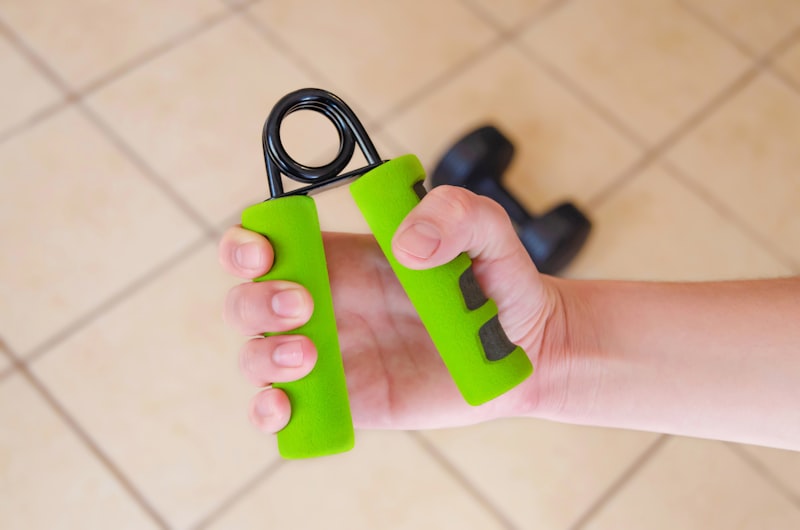
The specific type of dynamometer employed depends heavily on the muscle group under investigation and the psychological variable being assessed. The most common and widely researched type is the Handgrip Dynamometer, typically a portable device used to measure isometric grip strength. Grip strength is highly correlated with overall physical performance and, critically, serves as a reliable marker in psychometric studies related to aging, morbidity, and mortality. Its simplicity and ease of standardization make it the preferred choice for large-scale population studies and rapid clinical screening, often used in psychology to assess the impact of chronic stress, depression, or fatigue on physical output and perceived effort.
The Pinch Dynamometer is a specialized variant designed to measure the isometric strength of the fingers and thumb, focusing on fine motor control and dexterity. Measurements are commonly taken for key, tip, and palmar pinches. In psychological research, pinch strength is vital for assessing peripheral neuropathies, tracking recovery from hand injuries, and studying the influence of precision tasks on cognitive load and fatigue. For instance, reduced pinch strength in certain clinical populations can indicate subtle neurological impairments or functional limitations that require specific psychological or occupational interventions.
Finally, Isokinetic Dynamometers represent the pinnacle of muscular assessment technology and are often found in specialized research centers and high-level rehabilitation clinics. These large, computer-controlled systems are capable of measuring the dynamic strength of major joints (knee, shoulder, elbow) across a full range of motion at controlled speeds. While highly complex and expensive, their ability to generate detailed profiles of muscle endurance, power, and agonist/antagonist imbalances provides crucial data for psychological studies focusing on athletic performance, injury prevention, the psychological impact of physical asymmetry, and the objective evaluation of effort and compliance during physical tasks.
Applications in Clinical Psychology and Rehabilitation
The integration of dynamometry into clinical psychology and rehabilitation protocols provides an essential bridge between mental and physical health. Muscular strength data serves as a powerful objective marker that can help diagnose, monitor, and evaluate the efficacy of various psychological and physical interventions. For example, in patients experiencing chronic pain or chronic fatigue syndrome (CFS), dynamometer readings often reveal significant reductions in maximum force output and increased rates of fatigue compared to healthy controls. These measurements provide empirical validation for the patient’s subjective experience of weakness, aiding in diagnosis and treatment planning.
Furthermore, dynamometry plays a critical role in the assessment of effort testing and malingering. When evaluating patients involved in compensation claims or forensic settings, discrepancies between demonstrated physical capacity (measured objectively by the dynamometer) and reported functional limitations can suggest submaximal effort or symptom exaggeration. Protocols involving rapid exchange of measurements or comparisons between dominant and non-dominant limbs help clinicians identify patterns indicative of non-physiological performance. The objective nature of the dynamometer data provides powerful, legally defensible evidence regarding an individual’s actual physical capacity versus their reported limitations.
In neurological rehabilitation, dynamometers are indispensable for tracking recovery following stroke, traumatic brain injury (TBI), or spinal cord injury. Changes in grip strength or lower limb torque over time provide clear, quantifiable metrics of neurological recovery and motor unit recruitment. Psychologically, achieving measurable improvements in strength, as confirmed by the dynamometer, provides positive reinforcement and significantly boosts patient morale and motivation, directly impacting adherence to long-term rehabilitation programs. Thus, the instrument functions not only as a measurement tool but also as a powerful psychological motivator, linking physical progress directly to perceived self-efficacy and functional independence.
Role in Ergonomics and Occupational Health
Within the domain of ergonomics and occupational health psychology, dynamometers are utilized to ensure a safe and efficient interface between the human worker and their environment. Ergonomists use these devices to establish muscular strength norms for specific job tasks, determining whether potential employees possess the necessary physical capacity to safely perform lifting, gripping, or pushing maneuvers. This proactive assessment aims to minimize the risk of work-related musculoskeletal disorders (WMSDs) by matching the worker’s inherent strength capabilities with the biomechanical demands of the job role.
A key application involves the measurement of maximum voluntary contraction (MVC) for various muscle groups required for repetitive tasks. By knowing the MVC, ergonomists can design workplaces, tools, and work schedules such that the required physical exertion remains within a safe percentage of the worker’s maximum capacity, thereby delaying the onset of fatigue and preventing cumulative trauma injuries. For example, dynamometers are used to test the force required to operate controls, open doors, or manipulate specialized equipment, ensuring these forces are manageable for the majority of the working population, including those with lower baseline strength.
Moreover, occupational health psychologists utilize dynamometry to track the physical degradation associated with environmental stressors or poor workplace design. Regular strength testing can reveal insidious declines in muscular capacity before an overt injury occurs, prompting timely ergonomic interventions such as tool redesign, modification of material handling processes, or implementation of mandatory rest protocols. This data-driven approach to occupational safety recognizes muscular performance as a critical indicator of overall worker well-being and the effectiveness of preventative health measures within industrial and professional environments.
Psychometric Considerations and Validity
For the data generated by a dynamometer to be useful in psychological and clinical research, it must satisfy stringent psychometric criteria, particularly regarding reliability and validity. Reliability refers to the consistency of the measurement; a reliable dynamometer should yield very similar results when measuring the same individual under the same conditions repeatedly. Test-retest reliability protocols are standard practice, ensuring that observed changes in strength are due to genuine physiological or psychological alterations, rather than instrument error or inconsistent testing methodology.
Validity, conversely, addresses whether the dynamometer is measuring what it purports to measure. Criterion validity is often assessed by correlating dynamometer readings (e.g., grip strength) with independent, objective measures of functional capacity or health outcomes, such as performance on activities of daily living (ADLs) or predicted mortality risk. High correlations confirm that the strength measurement is a meaningful predictor of broader psychological and physiological function. Furthermore, standardization protocols—including subject positioning, clear instructions regarding maximal effort, and precise timing of the force application—are essential to ensure that the measurement reflects the true maximum voluntary effort rather than procedural artifacts.
A critical psychometric consideration specific to dynamometry in psychology is the influence of motivation and effort. Unlike many other physiological measures, dynamometer readings are inherently dependent on the subject’s willingness to exert maximal effort. Therefore, the measurement is a blend of physiological capacity and psychological output. Researchers must employ specific strategies, such as providing consistent verbal encouragement, utilizing standardized feedback mechanisms, and potentially integrating biofeedback during testing, to ensure that the recorded score accurately represents the individual’s maximum voluntary contraction, minimizing the confounding variables introduced by fear, fatigue perception, or lack of motivation.
Limitations and Future Directions
Despite its extensive utility, the dynamometer, particularly simpler models like the grip dynamometer, possesses inherent limitations. Most notably, they often measure strength in a static, isolated manner (isometric contraction), which may not perfectly reflect the dynamic, integrated strength required for complex, real-world tasks. Measuring only a single muscle group, such as the hand, also fails to capture the intricate coordination and overall strength of the entire kinetic chain, which is often more relevant to functional performance and gross motor skills. Furthermore, the reliance on the subject’s maximal voluntary effort means the measurement is always susceptible to psychological factors like pain inhibition or conscious withholding of force.
The future of dynamometry in psychology is moving toward increased integration, portability, and sophisticated data analysis. Advances include the development of highly portable, wireless electronic dynamometers that can seamlessly interface with mobile devices, allowing for remote monitoring of strength and rehabilitation compliance outside of the clinical setting. This shift facilitates ecological momentary assessment, providing real-time data on strength variations influenced by daily stressors, sleep quality, and environmental factors.
Furthermore, future research will likely focus on integrating dynamometer data with other biometric and neurological sensors. Combining maximal force measurements with electromyography (EMG) allows researchers to differentiate between reduced physical capacity (true muscle weakness) and impaired neurological drive (inability to fully activate the muscle). This advanced diagnostic capability will refine the psychological understanding of effort, fatigue, and motivation, solidifying the dynamometer’s position as a crucial tool for understanding the complex interplay between the mind and physical capacity.