Dysbulia: Why Your Willpower Fails and How to Restore It
Scientifically Reviewed · Dr. Marwa Abd-Alazim · August 21, 2026
Review Criteria & Clinical Standards
This content undergoes rigorous scientific peer-review and medical editorial standards at Arab Psychology Network to ensure clinical accuracy, validity, and compliance with evidence-based guidelines from leading psychological and healthcare authorities (APA / WHO).

The Core Definition of Dysbulia
Dysbulia is a classical psychological term referring to a significant impairment or difficulty in the faculty of the will, often presenting as a dual deficit encompassing both cognitive processing and conative motivation. At its core, it describes a state where an individual struggles profoundly to initiate actions, sustain mental effort, or maintain focused attention towards a specific goal, even when they intellectually understand the necessity or desirability of that goal. This condition is distinct from simple laziness or temporary fatigue, as it involves a deep, often persistent, functional breakdown in the psychological mechanisms responsible for purposeful behavior and self-regulation, making the transition from intention to execution remarkably difficult and sometimes paralyzing.
The definition of dysbulia is often bifurcated into two critical components reflecting its origin in early psychopathology. The first component relates to the cognitive domain, characterized by a difficulty in focused thought, the maintenance of a mental set, and the processing of complex information, leading to cognitive sluggishness or indecision. The second, and perhaps more defining component, is the lack of willpower or volition, representing a failure in the conative sphere—the part of the mind related to striving and purposeful action. Thus, an individual experiencing dysbulia might be fully aware of a necessary task but finds the internal psychological energy required to start or complete it severely diminished or entirely absent, leading to significant functional impairment in daily life and professional pursuits.
This impairment is not merely an unwillingness but an inability rooted in psychological function. The difficulty in maintaining attention means that the mental resources necessary for goal-directed persistence are constantly diverted or exhausted, preventing the formation of stable, long-term action plans. Furthermore, the deficit in volition implies a failure in the motivational pathways that translate abstract desire into concrete effort. Consequently, dysbulia can be viewed as a chronic breakdown in the linkage between cognitive insight (knowing what to do) and motor output (actually doing it), manifesting as chronic procrastination, indecisiveness, and a pervasive sense of being stuck despite internal pressure to move forward.
Historical and Conceptual Origins
The concept of dysbulia emerged primarily within European psychiatric frameworks of the late 19th and early 20th centuries, a period when psychological disorders were often categorized based on observed disturbances of feeling (affect), thought (cognition), and will (conation). Early researchers, particularly those studying severe mental illnesses, recognized that a profound deficit in the “will” was a central feature of certain clinical presentations, especially those involving catatonia or severe apathy. Terms like dysbulia and its more severe counterpart, abulia (total absence of will), were used to precisely describe these volitional failures, highlighting the historical importance placed on the faculty of will as central to human psychological health and agency.
Key figures, including pioneering psychiatrists like Emil Kraepelin, observed these disturbances of volition in patients diagnosed with what would later be termed schizophrenia. Kraepelin noted the profound motivational deficits—the inability of patients to initiate spontaneous activity or pursue goals—and categorized these as fundamental symptoms related to the breakdown of internal psychological unity. Although the specific term dysbulia is less frequently used in contemporary diagnostic manuals like the DSM or ICD, the underlying phenomenology—the difficulty in execution and sustained effort—remains a core feature of many modern diagnostic categories, particularly those involving negative symptoms in psychotic disorders or severe depressive states.
The conceptual legacy of dysbulia has transitioned significantly from a focus on the philosophical “will” to a neurocognitive understanding of executive functions. Modern psychology interprets dysbulic symptoms as defects in frontal lobe functionality, specifically relating to processes such as planning, working memory, inhibitory control, and cognitive flexibility. This shift reflects a move away from classifying abstract deficits of the will toward identifying concrete neurological and cognitive mechanisms responsible for self-directed behavior. While the term itself may sound archaic, its historical significance lies in its early identification of volitional impairment as a primary feature of psychopathology, paving the way for contemporary research into motivational deficits and disorders of self-regulation.
Clinical Manifestations and Symptoms
The clinical presentation of dysbulia is characterized by a pervasive inability to translate thoughts into action, impacting multiple areas of life. Symptomatically, patients often exhibit chronic indecisiveness, spending excessive amounts of time weighing options or planning without ever taking the crucial step of initiation. This indecision is not due to a lack of data but rather a failure in the internal mechanism that commits to a course of action. Furthermore, there is a marked difficulty in maintaining the momentum of a task once started; efforts are easily derailed by minor obstacles, distractions, or internal fatigue, resulting in frequent abandonment of projects and long-term goals.
In the cognitive sphere, dysbulia manifests as mental inertia. Individuals describe feeling mentally “sluggish” or unable to generate the necessary focused attention required for complex problem-solving or sustained reading. They may engage in repetitive, low-effort activities (like endless scrolling or shallow entertainment) because the brain struggles to allocate resources toward tasks requiring high cognitive load and effortful control. This difficulty in maintaining focused thought directly contributes to the failure of volition, as the mental blueprint for action quickly fades or becomes overwhelmed by competing internal stimuli.
The social and occupational consequences of dysbulia are often severe. At work, it leads to procrastination, missed deadlines, and underperformance, despite the individual possessing the requisite skills and intelligence. In personal life, it can prevent the maintenance of healthy habits, the pursuit of hobbies, or the fulfillment of social obligations. The experience of dysbulia often generates significant secondary distress, including feelings of intense guilt, frustration, and low self-worth, as the individual is acutely aware of the gap between their capabilities and their actual output. They recognize their failure to act but feel powerless to overcome the internal barrier preventing effective self-direction.
Dysbulia vs. Related Psychological Constructs
Dysbulia must be carefully differentiated from related concepts, particularly apathy and abulia, though the boundaries can often overlap in clinical practice. Abulia represents the most severe end of the volitional spectrum, characterized by a near-total absence of the capacity to initiate spontaneous action; the patient is essentially inert unless prompted externally. Dysbulia, in contrast, describes a significant difficulty or impairment, meaning the capacity for will is diminished and impaired, but not entirely extinguished. A person with dysbulia may manage to initiate tasks, but the effort required is disproportionately high, and the sustainability of that effort is low.
The distinction from apathy is centered on emotion and desire. Apathy is primarily a lack of feeling, concern, or emotional responsiveness; the individual lacks motivation because they simply do not care about the outcome. Dysbulia, however, is compatible with strong desire and intense emotional distress. The person with dysbulia often cares deeply about their goals and outcomes (e.g., losing weight or finishing a degree) but is structurally unable to bridge the gap between their desire and the necessary effort. The failure is volitional or executive, not affective.
Furthermore, dysbulia is closely linked to deficits in executive functions, which is the broader category used today to describe the set of cognitive skills necessary for controlling and regulating behavior. While conditions like Attention-Deficit/Hyperactivity Disorder (ADHD) involve executive dysfunction, dysbulia specifically highlights the breakdown in initiation and persistence driven by impaired volition, often manifesting without the hyperactive or impulsive components typical of ADHD. In essence, dysbulia describes the debilitating psychological experience that results when the brain’s highest-level control systems—responsible for planning and sustained goal-directed behavior—are compromised, leading to profound self-regulation difficulties that transcend mere mood disturbances or fatigue.
A Practical Illustration of Volitional Failure
A common and relatable scenario illustrating dysbulia involves an individual named Joe, who has a strong, rational desire to improve his health by losing weight, a goal requiring consistent effort and self-discipline. Joe understands the nutritional science, knows the local gym schedule, and possesses the financial means to purchase healthy food. Yet, he shows signs of dysbulia in his chronic inability to follow through on these intentions. Every morning, he experiences an internal conflict: he consciously decides to go to the gym, but when the alarm sounds, the vast, heavy psychological effort required to transition from rest to action feels insurmountable, leading him to hit the snooze button repeatedly.
The “How-To” of this volitional failure can be broken down into steps showing how dysbulia interferes with the goal-directed process.
-
Intention Formulation (Cognitive Insight): Joe successfully forms the goal: “I must exercise today to lose weight.” This cognitive step is intact, demonstrating he is not suffering from total cognitive impairment.
-
Initiation Block (Volitional Failure): When the moment arrives to execute the action (e.g., putting on gym clothes), Joe experiences a massive internal resistance. This is the core of dysbulia—the failure of the psychological mechanism that translates the conscious intention into motor output. He is mentally stalled, viewing the effort as disproportionately difficult.
-
Sustained Effort Failure (Attention Deficit): If Joe manages to drag himself to the gym, the second dysbulic feature emerges: difficulty maintaining attention and effort. He finds his mind wandering during the workout, struggling to adhere to the planned routine, and prematurely terminating the exercise session because the mental energy required to sustain the physical effort quickly depletes.
-
Resulting Cycle: Joe’s repeated failure to initiate or sustain effort leads to profound disappointment and a reinforcement of the belief that he lacks volition. This cycle of failure reinforces the underlying dysbulic pattern, making subsequent attempts even harder due to learned helplessness and self-criticism.
This example highlights that dysbulia is not a simple lack of desire but a functional impairment in the psychological machinery necessary for initiating and maintaining the effort required to achieve desired outcomes, regardless of the individual’s intellectual commitment to the goal.
Etiology: Underlying Causes and Mechanisms
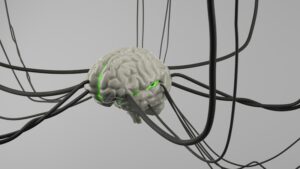
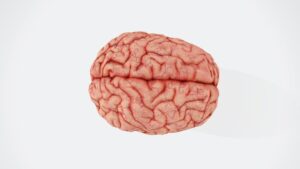
The etiology of dysbulia is complex and multifactorial, often involving a combination of neurobiological, psychological, and environmental factors. From a neurological perspective, dysbulia is strongly implicated with dysfunction in the brain’s frontal lobe systems, particularly the prefrontal cortex (PFC) and its associated circuits. The PFC is the primary center for executive functions, including planning, impulse control, and the allocation of attention. Damage or chemical imbalances (such as dopamine dysregulation) in these areas can impair the ability to calculate future rewards, suppress competing impulses, and generate the necessary effort signals for goal pursuit, leading directly to the symptoms of impaired volition and mental inertia.
Psychiatric conditions frequently serve as underlying causes. Dysbulia is a common negative symptom in schizophrenia, where it is often categorized as avolition (a severe form of dysbulia). It is also highly prevalent in severe or chronic depressive disorders, where psychomotor retardation and anhedonia contribute to a profound inability to initiate and sustain activity. Furthermore, certain neurological conditions, such as Parkinson’s disease, or brain injuries affecting the basal ganglia or frontal-subcortical circuits, can directly produce dysbulic symptoms by disrupting the neurobiological pathways essential for motivation and motor command execution.
Psychologically, the development of dysbulia can be linked to chronic stress, burnout, and learned helplessness. If an individual repeatedly exerts effort without receiving predictable or meaningful rewards, the motivational systems can become demobilized, leading to a state where the psychological cost of effort seems perpetually higher than any potential benefit. This learned inertia, while behavioral in manifestation, produces the internal experience of volitional impairment characteristic of dysbulia. Understanding the etiology requires a holistic view, acknowledging that it is frequently a secondary symptom arising from a primary psychiatric, neurological, or chronic environmental disorder that compromises the intricate brain systems responsible for self-directed action.
Therapeutic Approaches and Management
Managing dysbulia requires a multi-faceted therapeutic approach aimed at rebuilding the capacity for self-regulation and goal initiation. Pharmacological interventions are often necessary when dysbulia is a symptom of an underlying condition, such as depression or schizophrenia; medications that modulate dopamine and norepinephrine levels can sometimes improve motivational drive and cognitive focus, directly addressing the neurobiological deficits contributing to the impaired volition. However, medication alone is rarely sufficient, necessitating robust psychological interventions.
Cognitive Behavioral Therapy (CBT) techniques are crucial for restructuring the negative thought patterns and catastrophic thinking that often accompany volitional failure. CBT focuses on breaking down overwhelming tasks into minute, manageable steps, thus reducing the perceived psychological cost of initiation. Techniques such as behavioral activation encourage the scheduling of small, enjoyable, or meaningful activities to gradually combat inertia and demonstrate to the individual that effort can lead to positive reinforcement, counteracting the effects of learned helplessness. Furthermore, motivational interviewing techniques can help the individual articulate their own reasons for change, strengthening the internal drive necessary to overcome the volitional barrier.
Environmental structuring is also a powerful management tool for dysbulia. Since the primary deficit is often in initiation and sustained attention, reducing environmental friction is key. This involves creating highly supportive and predictable routines, minimizing distractions, and utilizing external aids (such as accountability partners or rigid scheduling) to bypass the impaired internal initiation mechanism. By externalizing the control structure, the individual can conserve limited volitional energy for the core task rather than expending it on deciding or preparing, ultimately facilitating the gradual recovery of internal self-regulatory capacity.
Significance in Clinical Psychology
The concept of dysbulia, even if the term is less frequently utilized today than its associated constructs (like avolition or executive dysfunction), holds immense significance in clinical psychology because it forces practitioners to differentiate between motivational failure stemming from mood (e.g., depression) and failure stemming from a primary structural defect in the mechanisms of will. Understanding this distinction is vital for accurate diagnosis and effective treatment planning. For instance, treatment for a mood-related lack of motivation will differ significantly from treatment designed to address the profound executive functions deficits seen in severe schizophrenia or frontal lobe damage.
Dysbulia belongs broadly to the subfield of Clinical Psychology and Neuropsychology, specifically focusing on the intersection of motivation, cognition, and motor behavior. Its study contributes critically to our understanding of the negative symptomology associated with severe mental illness. By focusing on the difficulty of initiating and maintaining effort, dysbulia highlights the immense psychological work involved in everyday self-governance and goal pursuit, emphasizing that failure to act is often a symptom of underlying psychopathology rather than a moral failing.
Ultimately, the enduring significance of dysbulia lies in its historical role in classifying disturbances of the will and its modern relevance in framing motivational deficits. It serves as a powerful reminder that psychological health is deeply dependent on the functional integrity of our volitional systems—the capacity to command ourselves to action. Recognizing dysbulia ensures that clinicians appropriately assess whether the patient suffers from an inability to care (apathy), an inability to feel pleasure (anhedonia), or a specific, debilitating difficulty in initiating and maintaining effort despite strong internal desire.