Speech Dysfluency: Finding Fluidity Beyond the Stutter
Scientifically Reviewed · Dr. Marwa Abd-Alazim · August 20, 2026
Review Criteria & Clinical Standards
This content undergoes rigorous scientific peer-review and medical editorial standards at Arab Psychology Network to ensure clinical accuracy, validity, and compliance with evidence-based guidelines from leading psychological and healthcare authorities (APA / WHO).
The Core Definition of Dysfluency
Dysfluency, often used interchangeably with the more commonly known term stuttering, refers to a substantial disturbance in the typical forward flow, timing, and effort involved in producing speech. It is characterized by an abnormally high frequency or duration of disruptions, including repetitions of sounds, syllables, or single-syllable words; prolongations of sounds; or involuntary silent blocks where the speaker is unable to initiate the articulation of a word. These interruptions exceed the normal non-fluencies—such as interjections like “um” or occasional revisions—that are common in the speech of all individuals, establishing dysfluency as a clinically significant communication disorder requiring attention from Speech-Language Pathology professionals.
The fundamental mechanism behind chronic dysfluency is hypothesized to involve complex interactions between genetic predisposition, subtle differences in speech motor control, and environmental factors. For an individual experiencing dysfluency, the act of speaking can become highly effortful, often accompanied by secondary behaviors, which are physical movements used in an attempt to escape or avoid the core moments of disruption. These secondary behaviors might include excessive tension in the face or neck, eye blinks, head jerks, or even avoiding specific words or social situations known to trigger disfluencies, collectively demonstrating the profound psychological impact of the disorder beyond mere speech production difficulties.
Categorization and Types of Dysfluencies
While the term dysfluency encompasses all disruptions to speech flow, clinical practice distinguishes between typical, or normal, non-fluencies and the atypical, or stuttering-like, dysfluencies that characterize the disorder. Understanding this distinction is vital for accurate diagnosis and effective intervention, as only the latter category necessitates therapeutic attention. The severity and type of these disruptions can vary dramatically, both between individuals and within the same individual across different speaking contexts and emotional states.
The core types of stuttering-like dysfluencies are meticulously categorized by clinicians to assess the frequency and quality of the disorder. These categories capture the involuntary nature of the disruption and reflect underlying issues in the temporal execution of speech motor planning:
- Part-Word Repetitions: These involve the repetition of sounds or syllables within a word, such as “b-b-ball” or “ca-ca-cat.” This is often one of the earliest signs of developmental stuttering.
- Sound Prolongations: Occur when a speech sound is held longer than is typical, for example, “Ssssssnake” or “Mmmmmommy.” These prolongations interrupt the forward movement of speech and consume excessive time, indicating difficulty maintaining continuous airflow.
- Blocks: Represent a complete stoppage of sound and airflow, where the articulators are fixed in position. Blocks can manifest as silent struggles, often accompanied by visible tension in the face, throat, or chest, before the word is finally released, and are generally perceived as the most physically effortful type of dysfluency.
- Tense Pauses and Interjections: Although not core stuttering behaviors, these non-fluencies become problematic when used excessively as avoidance tactics, such as repeatedly using “um” or “like” to stall for time and plan an alternative, fluent way to express a difficult word.
Historical Perspectives on Stuttering
The phenomenon of speech dysfluency has been documented throughout human history, often receiving interpretations that reflected the prevailing scientific and philosophical biases of the era. Ancient Greek physicians, notably Hippocrates, hypothesized that stuttering was related to dryness of the tongue, suggesting physical or environmental causes. For centuries, treatments often focused on crude surgical interventions, such as cutting the tongue or changing diet, demonstrating a deep misunderstanding of the disorder’s true origin, which we now understand lies in complexities of neurophysiology and motor timing rather than simple physical defects.
A significant turning point occurred in the 20th century, largely influenced by the emergence of modern psychology and Speech-Language Pathology. Early psychological theories, particularly those associated with psychoanalysis, viewed stuttering as a manifestation of repressed emotional conflict or deep-seated anxiety. However, this view gave way to behavioral and learning theories. The most influential shift came with the work of researchers like Wendell Johnson at the University of Iowa in the 1930s. Johnson popularized the influential yet controversial “diagnosogenic theory,” suggesting that stuttering did not begin as an organic problem but rather as a learned behavior resulting from well-meaning but critical parents reacting negatively to their child’s normal non-fluencies. While this environmental-only theory is largely discredited today, it spurred crucial research into the interaction between listener reaction, self-perception, and the development of chronic dysfluency.
Etiological Theories: Understanding the Causes
Contemporary etiological models overwhelmingly support a multifactorial perspective, recognizing that dysfluency, particularly chronic developmental stuttering, arises from a complex interplay of inherent factors rather than a single cause or simple learning process. Genetic research has shown a clear hereditary component, with numerous studies indicating that individuals who stutter are significantly more likely to have family members who also stutter, suggesting specific genes may influence the timing and coordination of speech motor planning. This genetic predisposition creates a vulnerability that then interacts with developmental and environmental stressors, leading to the onset of the disorder, typically between the ages of two and five.
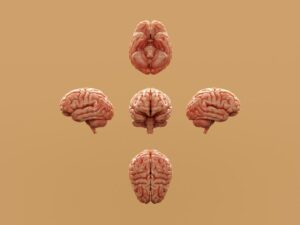
The most compelling evidence for the cause of stuttering currently stems from advances in neurological imaging. Studies using functional Magnetic Resonance Imaging (fMRI) and Positron Emission Tomography (PET) have consistently identified structural and functional differences in the brains of people who stutter compared to fluent speakers. These differences often involve atypical organization or reduced activity in brain regions responsible for speech motor control, auditory feedback processing, and the integration of linguistic planning—specifically areas within the left hemisphere’s cortical and subcortical structures. This evidence firmly establishes stuttering as a disorder rooted in subtle differences in the neural processing necessary for rapid, continuous speech execution, particularly concerning the synchronization of auditory monitoring and motor output.
A Practical Illustration of Dysfluent Speech
To grasp the practical reality of dysfluency, consider a common, high-pressure social situation: introducing oneself to a new group of colleagues during a networking event. For a typical fluent speaker, this task involves minimal cognitive or emotional load. However, for a person experiencing significant dysfluency, this simple interaction becomes an obstacle course filled with anticipation and potential failure. Imagine a colleague, Alex, approaching the group and attempting to say their name, “I am Alex Smith, and I work in marketing.” Alex knows precisely what to say, but the motor execution fails at the moment of initiation of the name.
The application of the dysfluency principle unfolds in a sequence of involuntary actions that demonstrate the complexity of the disorder:
- Anticipation and Avoidance: Alex anticipates difficulty with the initial ‘A’ sound in “Alex” and experiences a surge of anxiety. To avoid the anticipated block, Alex quickly substitutes a neutral filler word, saying “Uh… I am…”
- The Core Moment of Dysfluency: When attempting to say “Alex,” Alex experiences a severe sound prolongation on the first phoneme: “Aaaaaaaalex Smith.” The prolongation lasts approximately two seconds and is accompanied by visible facial tension as Alex attempts to force the sound out.
- Secondary Behaviors: During the struggle, Alex quickly shifts their gaze away from the person they are addressing and tightens their fist—a secondary behavior developed subconsciously to try and distract from or release the stuttering moment, though these behaviors are counterproductive to fluency.
- Post-Stuttering Reaction: After the struggle, Alex feels embarrassment and relief, leading to a temporary increase in fluency immediately following the difficult word, but the overall anxiety regarding the next speaking turn is significantly heightened.
This illustration highlights how dysfluency is not merely a speech error but a complex interaction of motor dysfunction, heightened anxiety, and learned compensatory behaviors, making even routine communication highly demanding and often exhausting.
Clinical Significance and Therapeutic Impact
The significance of understanding dysfluency extends far beyond its linguistic characteristics, profoundly impacting an individual’s psychological well-being, educational attainment, and vocational opportunities. Chronic stuttering can lead to significant social anxiety, reduced self-esteem, and fear of speaking, sometimes resulting in social isolation and career limitations, particularly in fields requiring constant verbal interaction. Therefore, clinical intervention focuses not only on improving speech flow but also on reducing the emotional and cognitive burden associated with the disorder, helping individuals embrace communication despite occasional disruptions.
Therapeutic approaches generally fall into two broad categories, both administered by experts in Speech-Language Pathology. The first, Fluency Shaping, aims to retrain the entire speech production system to create fluent speech through techniques that alter respiration, phonation, and articulation, resulting in a controlled, sometimes slower, speaking pattern. The second, Stuttering Modification, aims to reduce the physical struggle and emotional reaction associated with the moment of stuttering, helping the client stutter more easily and openly, thereby minimizing associated fear and avoidance. Modern therapy often integrates elements of both approaches, tailored to the specific needs and goals of the client, focusing on desensitization to the moment of stuttering and acceptance of speech variability.
Related Concepts and Broader Context
Dysfluency is classified within the broader category of Speech Sound Disorders and is specifically grouped with fluency disorders. This domain is a key area within the academic subfield of Neurolinguistics and the clinical practice of Speech-Language Pathology. While dysfluency is often associated only with stuttering, it is crucial to differentiate it from other related conditions that also interrupt speech flow but have distinct etiologies and symptomatology.
One primary related concept is cluttering, which is characterized by a rapid or irregular rate of speech, resulting in disorganized articulation, frequent pauses in atypical locations, and “mumbling” or indistinct speech. Unlike stuttering, where the individual is typically aware of their struggle and attempts to avoid it, individuals who clutter are often unaware of their fluency problems and rarely exhibit the physical tension associated with stuttering blocks. Furthermore, dysfluency must be distinguished from acquired neurogenic speech disorders, such as certain forms of aphasia, which are typically caused by brain injury (e.g., stroke) and affect the language processing system itself, though both may result in decreased ease of communication. The defining characteristic of dysfluency, particularly stuttering, remains its involuntary disruption of the temporal pattern of speech motor execution.