Bone Development: Understanding Localized Anomalies
Scientifically Reviewed · Dr. Marwa Abd-Alazim · September 12, 2026
Review Criteria & Clinical Standards
This content undergoes rigorous scientific peer-review and medical editorial standards at Arab Psychology Network to ensure clinical accuracy, validity, and compliance with evidence-based guidelines from leading psychological and healthcare authorities (APA / WHO).
Introduction to Dysostosis
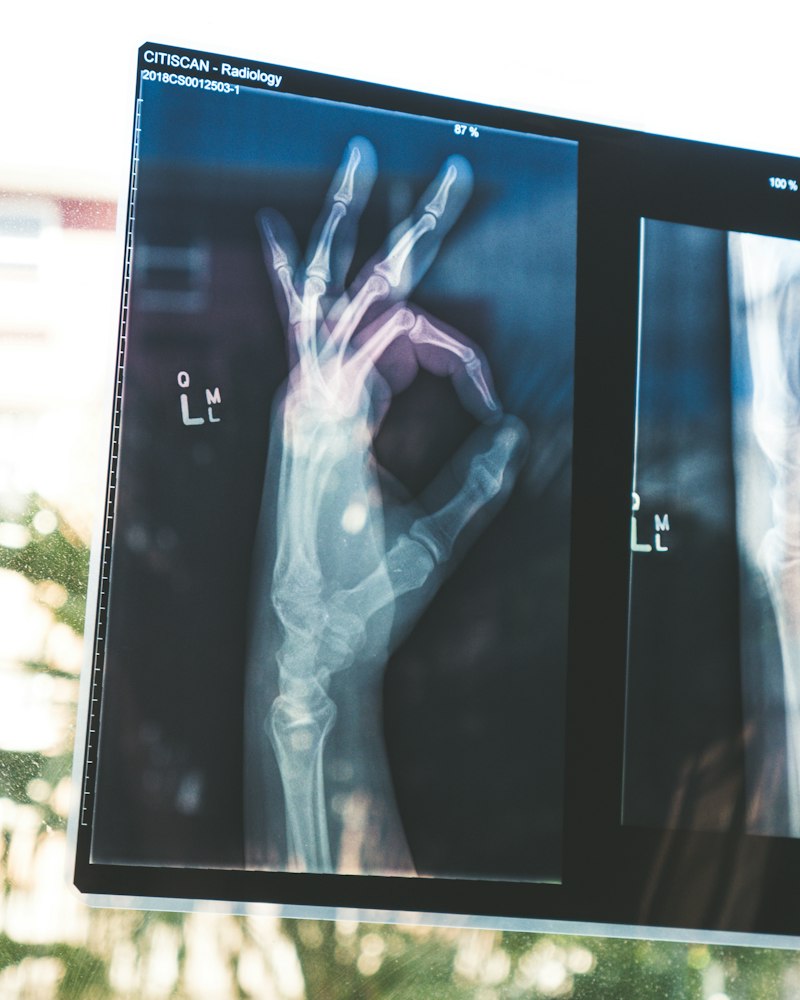
Dysostosis is defined in the medical and psychological context as an abnormality in the development of bone, characterized by a localized defect in the process of ossification. Unlike skeletal dysplasias, which represent generalized systemic abnormalities affecting the entire skeleton, dysostosis involves discrete, often asymmetrical, anomalies impacting specific skeletal elements. This condition arises from complex interactions between intrinsic factors, primarily hereditary genetic mutations, and extrinsic influences, such as environmental conditions or factors related to improper care after birth. The psychological implications of dysostosis are profound, especially when the condition affects visible structures, leading to significant challenges in self-perception and social integration.
The initial understanding of dysostosis emphasizes its root cause in developmental failure during the embryonic or fetal stages, specifically when mesodermal tissue differentiates into cartilage and bone. The resulting malformation often becomes structurally apparent shortly after birth, or sometimes even prenatally, influencing crucial physiological functions such as respiration, feeding, and sensory processing. While the skeletal pathology is physical, the subsequent adaptations required by the individual—and the societal reaction to the physical differences—place this condition firmly within the scope of psychological study regarding adjustment, coping mechanisms, and quality of life for both the patient and their family.
A significant characteristic of many forms of dysostosis is their predilection for the skull and face, giving rise to the category known as craniofacial dysostoses. The premature fusion of cranial sutures (craniosynostosis) or the underdevelopment of facial bones (hypoplasia) are common manifestations that necessitate early and complex surgical intervention. These physical differences, though addressed surgically, often leave lasting psychological scars, making long-term mental health support an essential component of comprehensive care for individuals suffering from these conditions.
Defining Characteristics and Etiological Spectrum
The precise differentiation between dysostosis and skeletal dysplasia is crucial for accurate diagnosis and prognosis. Dysostosis represents a failure of development in a specific bone or a defined region, resulting in a distinct malformation. For instance, the original example provided, “Joe suffered from dysostosis due to genetical factors,” illustrates a localized, genetically determined fault in skeletal formation. Conversely, dysplasia implies a systemic disorder affecting the growth and maintenance of cartilage and bone throughout the body, such as achondroplasia. Understanding this localized versus generalized distinction guides the clinical approach, particularly in genetic counseling and surgical planning, which focuses on targeted reconstruction rather than system-wide pharmacological intervention.
The etiological spectrum of dysostosis is wide, incorporating both primary genetic determinants and secondary environmental triggers. Hereditary factors often involve mutations in genes responsible for skeletal development signaling pathways, including those regulating fibroblast growth factors (FGFRs) or transcription factors essential for cell migration and differentiation during bone formation. These genetic errors predetermine the structural defect. However, environmental factors such as teratogen exposure during pregnancy, maternal illnesses, or, critically, improper post-natal nutritional care or infection can either initiate a localized defect or significantly exacerbate a mild, genetically predisposed anomaly, underscoring the necessity of comprehensive peri- and post-natal management.
The localization of dysostoses, particularly to the craniofacial region, highlights the complexity of development in the first and second branchial arches. When these structures fail to form correctly, the resulting syndrome affects the orbits, zygomatic arches, mandible, and ears, leading to characteristic facial features that are often the hallmark of the condition. Because the face is central to human recognition, communication, and emotional expression, the dysmorphic features associated with craniofacial dysostoses contribute substantially to the patient’s psychological burden, impacting social interaction, educational opportunities, and vocational integration throughout their lifetime.
Genetic and Hereditary Mechanisms
The majority of significant dysostoses are traceable to monogenic disorders, exhibiting classic Mendelian patterns of inheritance, most commonly Autosomal Dominant. A classic example involves mutations in the FGFR family of genes. These receptors are pivotal in regulating the proliferation and differentiation of osteoblasts and chondrocytes. When a mutation occurs, leading to constitutive activation or functional impairment of the receptor, the delicate timing of bone fusion is disrupted, frequently resulting in premature ossification—the mechanism underlying many forms of craniosynostosis. The level of penetrance and expressivity of the mutated gene often dictates the severity and specific presentation of the skeletal defects observed.
The genetic landscape of dysostosis also includes complex syndromes arising from gene dosage effects or mutations in transcription factors crucial for developmental signaling. For example, conditions such as Treacher Collins syndrome result from mutations in the TCOF1 gene, which encodes a nucleolar phosphoprotein essential for the survival and migration of neural crest cells that form the craniofacial structures. A defect in this gene does not directly affect bone growth but rather the availability of the precursor cells required to form the bony and soft tissue structures of the face, resulting in severe mandibulofacial hypoplasia. These genetic errors demonstrate that dysostosis stems from fundamental failures at the cellular migration, proliferation, or differentiation stages.
Genetic counseling forms a critical preventive and preparatory component of managing hereditary dysostoses. Families require detailed information regarding recurrence risk, the variability of phenotypic expression, and available prenatal diagnostic options. The hereditary nature of the disorder, while providing a clear etiology, often introduces psychological stress related to guilt, responsibility, and the decision-making process regarding future family planning. Advances in genetic sequencing technology have significantly improved the ability to provide precise molecular diagnoses, moving treatment beyond symptom management toward potential gene-therapy targets in the future, although such therapies remain largely experimental at present.
Environmental and Post-Natal Influences
While the underlying substrate of dysostosis is frequently genetic, extrinsic factors, particularly those encountered during the post-natal period, can markedly influence the expression and severity of the condition. The original definition correctly cited improper care after birth as a potential etiological factor. This encompasses a range of issues, including severe, untreated nutritional deficiencies, chronic infections, or mechanical traumas that interfere with the normal remodeling and growth of the still-developing skeleton. For instance, untreated rickets—a deficiency in Vitamin D, calcium, or phosphate—can mimic certain aspects of dysostosis by disrupting the mineralization process, particularly in long bones, although it is a generalized disease. Localized infections, such as osteomyelitis, if severe and chronic, can destroy growth plates and prevent the proper formation of specific bones, leading to acquired dysostosis.
Beyond localized disease or deficiency, mechanical forces and environmental exposures play a subtle yet important role. In infants with mild, genetically predisposed craniosynostosis, prolonged positioning or external pressure can sometimes exacerbate the asymmetry or restrict compensatory growth in other cranial areas. Furthermore, the overall health environment, including exposure to toxins or poorly controlled chronic illnesses during early childhood, can compromise the body’s ability to repair and maintain skeletal integrity. This highlights that development is a continuous, interactive process where the genetic blueprint is constantly modulated by the external milieu.
The concept of “improper care” extends beyond mere physical negligence to include the failure to diagnose and manage known risks. If a child exhibits signs of a mild facial dysostosis at birth, delayed or inadequate surgical planning and orthodontic care can lead to progressive worsening of functional deficits, such as worsening malocclusion or increased airway obstruction, due to the continued, unbalanced growth of adjacent, unaffected structures. Therefore, the management of dysostosis requires a prompt, interdisciplinary approach that mitigates all identified post-natal risks to optimize the final functional and aesthetic outcome, thereby reducing the subsequent psychological burden associated with severe deformity.
Common Manifestations: Craniofacial Dysostoses
The majority of clinically significant dysostoses involve the skull and face because of the complex and highly sensitive nature of craniofacial development. The most prevalent form is craniosynostosis, characterized by the premature closure of one or more cranial sutures. Normally, these fibrous joints remain open to allow for rapid brain growth during infancy. When fusion occurs too early, the brain growth is restricted perpendicular to the fused suture, causing the skull to compensate by growing parallel to the fused suture, leading to characteristic, recognizable head shapes, such as scaphocephaly (boat-shaped) from sagittal suture fusion or brachycephaly (short, wide) from coronal suture fusion. The resulting intracranial pressure and restricted orbital volume often necessitate urgent neurosurgical intervention.
Beyond the vault of the skull, craniofacial dysostoses frequently involve the midface. Midface hypoplasia, a feature common to many syndromic dysostoses, involves the underdevelopment of the maxilla, zygoma, and nasal bones. This deficiency results in a recessed facial profile, often accompanied by shallow orbits (leading to proptosis or bulging eyes), and contributes significantly to functional problems such as severe malocclusion, chronic sinus issues, and restricted nasal breathing. The degree of midface involvement directly correlates with the complexity of required reconstructive surgery and the severity of long-term functional and aesthetic impairment.
The psychological impact of these facial manifestations cannot be overstated. Unlike defects hidden by clothing, craniofacial dysostoses are immediately visible, leading to potential social isolation, bullying, and difficulties forming peer relationships. Children and adolescents living with these conditions often struggle with body image issues and reduced self-esteem, necessitating the involvement of mental health professionals skilled in dealing with chronic disfigurement. The psychological management of dysostosis is thus intrinsically linked to the physical reconstruction, aiming to integrate the individual successfully into society while mitigating the adverse effects of visible difference.
Specific Syndromes: Crouzon’s and Treacher Collins
Crouzon’s syndrome, also known as Craniofacial Dysostosis Type I, serves as a prime example of a disorder caused by early craniosynostosis, typically involving the coronal, sagittal, and lambdoid sutures. It is primarily linked to mutations in the FGFR2 gene. The characteristic features include severe midface hypoplasia, leading to a concave facial profile, and ocular proptosis (exophthalmos) due to shallow orbits. The progression of the condition often compromises the airway and may cause vision impairment due to optic nerve compression resulting from the restricted cranial volume. Management requires staged surgical interventions, often beginning in infancy, to relieve intracranial pressure and advance the midface skeleton later in childhood or adolescence.
In contrast, Treacher Collins syndrome (Mandibulofacial Dysostosis) illustrates a dysostosis primarily affecting the branchial arch derivatives, resulting in severe defects of the lower two-thirds of the face. Key features include downward-slanting eyes, coloboma (a defect) of the lower eyelid, underdeveloped cheekbones (zygomatic hypoplasia), and a very small jaw (micrognathia). Crucially, Treacher Collins syndrome frequently involves abnormalities of the outer and middle ear, leading to conductive hearing loss, which profoundly impacts language acquisition and educational development. The condition is inherited in an Autosomal Dominant pattern, often associated with the TCOF1 gene.
The comparison between these two syndromes demonstrates the spectrum of dysostosis. Crouzon’s is fundamentally a disorder of premature fusion, impacting the entire craniofacial unit through restriction. Treacher Collins is fundamentally a disorder of genesis and migration, impacting the formation and volume of specific facial structures. Despite their different molecular origins, both result in significant structural and functional challenges, requiring extensive, long-term specialized care. The consistent involvement of the face in both conditions underscores the high psychological vulnerability of these patients, necessitating supportive psychological intervention from diagnosis onward to foster resilience and adaptive coping strategies.
Diagnosis and Clinical Assessment
Diagnosis of dysostosis typically begins with a high index of clinical suspicion based on characteristic physical examination findings, often noted immediately at birth or during routine pediatric screenings. Prenatal diagnosis is increasingly possible through advanced fetal ultrasound or MRI, especially for severe, syndromic cases. Post-natal clinical assessment focuses on identifying the specific bones affected, assessing the patency of sutures, and evaluating functional status, particularly airway patency, feeding efficiency, and visual/auditory acuity. The diagnostic process is inherently multidisciplinary, involving pediatricians, geneticists, craniofacial surgeons, and specialized radiologists.
Advanced imaging techniques are indispensable for confirming the diagnosis and planning intervention. Standard skull X-rays can provide initial evidence of premature suture fusion or bone deficiency. However, high-resolution Computed Tomography (CT) scans, often utilizing 3D reconstruction, are essential for precisely mapping the skeletal anomalies, measuring intracranial volume, and assessing the relationship between the malformed bones and critical structures like the brain, orbits, and auditory canals. In cases where genetic etiology is suspected, molecular testing, including chromosomal microarray and targeted gene sequencing, is utilized to identify the specific mutation, which aids in prognosis and genetic counseling.
The assessment of dysostosis must extend beyond purely physical parameters to include a detailed evaluation of functional deficits. For example, quantifying the degree of hearing loss in Treacher Collins syndrome or measuring the severity of breathing obstruction in Crouzon’s syndrome is crucial. Furthermore, formal psychological and developmental assessments are required to establish baselines for cognitive function and emotional well-being, ensuring that necessary educational and therapeutic supports are implemented early. This comprehensive, integrated diagnostic approach is fundamental to formulating an effective, individualized treatment strategy that addresses both the physical pathology and the resulting developmental and psychological challenges.
Management and Treatment Approaches
The management of dysostosis is characterized by complex, staged surgical interventions aimed at restoring function and achieving the most normal aesthetic outcome possible. For craniosynostoses, the primary goal of early surgery is the reduction of intracranial pressure and the creation of space for normal brain growth. This often involves cranial vault remodeling, where sections of the skull are removed, reshaped, and repositioned. Advances in techniques such as minimally invasive endoscopic surgery have allowed for earlier, less invasive correction in specific types of synostosis.
Midface and mandibular hypoplasia necessitate reconstructive procedures, often employing techniques like distraction osteogenesis. This method involves surgically cutting the underdeveloped bone and gradually separating the segments using an external or internal device. This slow, controlled separation encourages new bone formation in the gap, effectively lengthening the deficient facial skeleton. These major reconstructive surgeries are frequently performed during late childhood or early adolescence, aligning with key growth spurts and psychological readiness. The timing is critical, as operating too early may compromise future growth, while delaying too long can exacerbate functional deficits.
Beyond surgical correction, management involves extensive supportive care. This includes long-term orthodontic treatment to correct severe malocclusion, speech therapy to address articulation issues, and audiological support (such as bone conduction hearing aids) for conductive hearing loss. Psychological support and counseling are non-negotiable components of the treatment plan, helping patients and families navigate the chronic nature of the condition, cope with multiple surgeries, and address issues related to body image and social acceptance. Effective management requires a lifelong commitment from a dedicated, multi-specialty craniofacial team.
Psychological Impact and Quality of Life
The psychological impact of dysostosis, especially those affecting the craniofacial region, is profound and persistent. Individuals with visible differences face significant societal challenges, including frequent staring, questioning, and sometimes outright discrimination. This social environment often leads to internalizing problems such as anxiety, depression, and low self-esteem, particularly during adolescence when peer acceptance is paramount. The visible nature of the condition means that the individual cannot easily escape the reminders of their difference, making constant psychological vigilance and coping necessary.
The chronic nature of treatment, which often involves multiple painful surgeries across many years, also contributes significantly to psychological morbidity. Patients must repeatedly face hospitalization, recovery periods, and the uncertainty of surgical outcomes. This cycle of intervention and recovery can disrupt educational and social development. Therefore, psychological intervention must focus on building resilience, promoting realistic self-acceptance, and developing effective social skills to navigate difficult interactions. Family support and psychoeducation are also vital, as parents often experience guilt, chronic stress, and anxiety regarding their child’s long-term future.
Improving the quality of life for individuals with dysostosis requires a holistic approach that measures success not only by skeletal alignment and functional improvement but also by psychological well-being and social integration. Advocacy groups and peer support networks play a crucial role in normalizing the experience and providing a safe space for sharing. Ultimately, the goal of comprehensive care is to empower the individual to view their condition as a component of their identity rather than a defining limitation, ensuring they achieve their full potential despite the inherent challenges associated with these complex skeletal developmental disorders.