Psychosomatic Dyspepsia: How Emotions Shape Your Gut
Scientifically Reviewed · Dr. Marwa Abd-Alazim · August 21, 2026
Review Criteria & Clinical Standards
This content undergoes rigorous scientific peer-review and medical editorial standards at Arab Psychology Network to ensure clinical accuracy, validity, and compliance with evidence-based guidelines from leading psychological and healthcare authorities (APA / WHO).
The Core Definition of Dyspepsia and Functional Dyspepsia
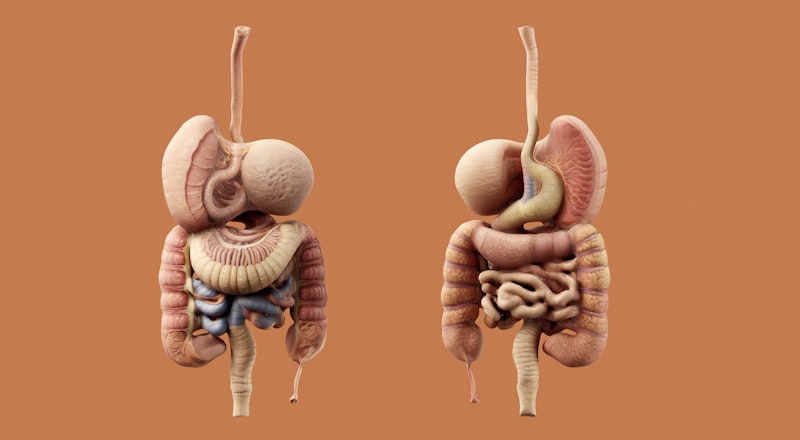
Dyspepsia, commonly referred to as indigestion, is a clinical syndrome characterized by chronic or recurrent pain or discomfort centered in the upper abdomen. While the term itself is broad, covering symptoms such as bloating, early satiety, and epigastric burning, psychological inquiry primarily focuses on the distinction between two major classifications: organic and functional. Dyspepsia is deemed organic when a specific underlying medical cause, such as peptic ulcers, gastroesophageal reflux disease (GERD), or gallbladder issues, can be identified via endoscopic or radiological examination. However, in a significant majority of cases—often exceeding 60% of diagnoses—no structural or biochemical abnormality can be found to account for the patient’s persistent and debilitating symptoms; this is defined as Functional Dyspepsia (FD).
The fundamental mechanism driving the psychological interest in this disorder lies in the understanding of FD, which is classified as a functional gastrointestinal disorder (FGID). This classification implies a disturbance in the interaction between the gut and the brain, often termed disorders of the gut-brain interaction. Key physiological abnormalities noted in FD patients include visceral hypersensitivity, impaired gastric accommodation (the stomach’s ability to relax and expand after eating), and altered gastrointestinal motility. Crucially, psychological distress, including anxiety, depression, and chronic stress, profoundly impacts these physiological mechanisms, suggesting that while the symptoms are physical, their persistence and severity are mediated by central nervous system factors and heightened stress reactivity.
Understanding FD requires acknowledging that the pain is real, even if the structural cause is elusive. The pain is not “imagined,” but rather results from a dysfunctional modulation of sensory signals within the central nervous system. This means that normal stimuli within the digestive tract, which would be ignored by a healthy individual, are perceived as painful or intensely uncomfortable by the individual suffering from FD. The psychological component, therefore, acts as a powerful amplifier and perpetuator of the physical distress, creating a feedback loop where physical discomfort leads to psychological distress, which in turn exacerbates the physical symptoms, demanding a comprehensive biopsychosocial approach to treatment and management.
The Biopsychosocial Model of Dyspepsia
The psychological framework for understanding chronic digestive issues like functional dyspepsia is firmly rooted in the Biopsychosocial Model. This model posits that health and illness are determined by the complex interplay of biological factors (physiology, genetics), psychological factors (thoughts, emotions, behaviors, coping mechanisms), and social factors (culture, environment, social support). In the context of FD, biological factors include the aforementioned motility disturbances and visceral hypersensitivity. Psychological factors encompass high levels of trait anxiety, perfectionism, and a tendency toward somatization—the experience of emotional distress as physical symptoms.
The critical link in this model is the gut-brain axis, a bidirectional communication system linking the enteric nervous system (ENS) in the gut with the central nervous system (CNS). Stress hormones, neurotransmitters, and inflammatory cytokines released during periods of chronic psychological stress can directly impact gut function, altering permeability, motility, and sensitivity. For instance, chronic anxiety can lead to sustained sympathetic nervous system activation, which inhibits normal digestive processes and can increase acid secretion, even without the presence of ulcers. This continuous state of arousal primes the gut to react negatively to normal stimuli, maintaining the cycle of discomfort characteristic of FD.
Furthermore, psychological factors influence illness behavior. Patients with high health anxiety may engage in constant monitoring of their symptoms (symptom hypervigilance), leading to increased distress and a catastrophic interpretation of normal bodily sensations. They may also adopt maladaptive coping strategies, such as restrictive diets that further complicate nutritional status or avoidance behaviors that limit social function. This emphasizes the need for psychological intervention, not merely to treat a “psychological illness,” but to address the psychological factors that are actively maintaining a physical disorder.
Historical Context and Early Psychosomatic Theories
The concept that emotional states influence stomach function is far from new. Early 20th-century psychosomatic medicine heavily explored the connection between personality traits and gastrointestinal disorders. Classical psychoanalytic theorists, most notably Franz Alexander, proposed the concept of organ neurosis, suggesting that specific unresolved emotional conflicts could manifest in particular organ systems. Alexander famously hypothesized that peptic ulcer disease—a common cause of organic dyspepsia—was linked to a specific personality type characterized by repressed dependent longings, manifesting biologically as chronic hypersecretion of stomach acid.
While Alexander’s specific hypothesis linking ulcers to a single personality type has largely been superseded by the discovery of H. pylori bacteria and NSAID use as primary causes, the foundational idea that chronic stress and emotional repression contribute to gastrointestinal dysfunction remains highly relevant, particularly for conditions like Functional Dyspepsia where no clear organic cause exists. The historical trajectory moved away from strict psychoanalytic explanations toward more empirical and behavioral models, culminating in the understanding that stress is a powerful modulator, not necessarily the sole cause, of digestive illness.
By the mid-to-late 20th century, research shifted to focusing on physiological responses to stress. Studies demonstrated that acute stress could delay gastric emptying, increase gut permeability, and alter pain thresholds, providing concrete evidence for the gut-brain interaction. This historical evolution solidified the role of health psychology and behavioral medicine in the diagnosis and management of chronic gastrointestinal conditions, acknowledging that treating the whole person—including their psychological state—is essential for achieving symptom resolution.
Practical Manifestations and Symptom Presentation
To illustrate the application of the psychological principles in FD, consider the case of “Sarah,” a 35-year-old marketing executive who experiences daily epigastric pain, bloating, and early satiety, significantly impacting her ability to eat and maintain professional focus. Extensive medical testing, including endoscopy and ultrasound, reveals no ulcers, gallstones, or identifiable reflux damage; she is diagnosed with Functional Dyspepsia (Functional Dyspepsia).
The “How-To” of the psychological mechanism unfolds in several steps. First, Sarah reports high levels of work stress and perfectionism, leading to chronic low-grade anxiety. Second, this chronic stress elevates cortisol levels and maintains sympathetic arousal, causing her gastric muscles to remain tense and resulting in impaired gastric accommodation—the feeling of being full after only a few bites (early satiety). Third, due to visceral hypersensitivity, the normal process of food passing through her slightly impaired digestive system registers as intense pain or burning, rather than typical fullness. Fourth, the repeated episodes of pain cause Sarah to develop conditioned anxiety around eating, fearing the inevitable discomfort. She starts restricting her diet excessively, leading to nutritional deficiencies and further anxiety about her health.
The application of the psychological principle here is clear: the physical disorder is perpetuated by psychological distress and maladaptive behaviors. Medication aimed only at acid reduction or motility improvement provides limited relief because it fails to address the central nervous system’s role in amplifying pain signals and driving the gut-brain dysregulation. Only through addressing Sarah’s underlying anxiety and teaching her techniques to modulate her central nervous system response to stress can the physiological mechanisms causing her chronic symptoms begin to normalize.
Significance in Health Psychology and Gastroenterology
The recognition of functional dyspepsia and the psychological factors that sustain it holds immense significance for both clinical psychology and gastroenterology. For psychology, FD serves as a powerful model demonstrating somatization and the direct communication pathways of the gut-brain axis, validating the critical necessity of integrating mental and physical healthcare. The high prevalence of FD—affecting up to 15% of the global population—means that health psychologists play an increasingly vital role in managing a vast number of patients who traditionally only sought medical specialists.
In gastroenterology, the widespread understanding of FD has fundamentally shifted diagnostic protocols. Physicians are now trained to screen for anxiety, depression, and history of trauma when evaluating chronic digestive complaints, recognizing that these psychological factors are not merely secondary consequences of the illness but potential primary drivers. Furthermore, recognizing FD reduces unnecessary, invasive, and costly medical procedures, preventing patients from undergoing repeated endoscopies or surgeries when the underlying issue requires central nervous system modulation.
The impact extends significantly to quality of life. Chronic, unpredictable abdominal pain and discomfort severely restrict diet, impair sleep, and limit social and professional engagement, often leading to depression and social isolation. Effective treatment, therefore, must aim beyond symptom reduction to restoring the patient’s functional capacity and psychological well-being. This emphasis underscores the importance of psychological interventions, such as Cognitive Behavioral Therapy (CBT), which provide skills for pain coping and stress reduction, directly addressing the psychological perpetuating factors.
Therapeutic Applications and Interventions
Given the biopsychosocial nature of functional dyspepsia, treatment protocols are often multidisciplinary, integrating pharmacological agents with targeted psychological interventions. The application of psychological therapies is crucial, focusing on techniques designed to modulate the central nervous system’s perception of visceral signals and reduce overall autonomic arousal.
The most robustly supported psychological intervention for FD and other functional gastrointestinal disorders is Cognitive Behavioral Therapy (CBT). CBT targets the maladaptive thought patterns and behaviors that maintain the cycle of chronic pain. Specifically, CBT helps patients identify and challenge catastrophic thoughts about their symptoms (e.g., “This pain means I have cancer”), reduce symptom hypervigilance, and improve coping mechanisms for stress and pain. By altering central processing of pain signals, CBT has been shown to significantly reduce symptom severity and improve quality of life, sometimes more effectively than standard medical management alone.
Other effective psychological treatments include gut-directed hypnotherapy and mindfulness-based stress reduction (MBSR). Hypnotherapy involves using suggestion to directly target and normalize gut function, reducing visceral sensitivity and promoting relaxation of the digestive tract. MBSR teaches patients techniques to remain non-judgmentally aware of their bodily sensations and emotional states, effectively decoupling the physical symptom from the emotional panic response, thereby diminishing the central nervous system’s amplification of the pain signal. These interventions reinforce the principle that chronic pain management requires addressing the brain’s role in interpreting and generating the experience of discomfort.
Connections to Related Psychological Concepts
Functional Dyspepsia exists within a broader category of psychological concepts and disorders. Its primary relationship is with other functional gastrointestinal disorders, most notably Irritable Bowel Syndrome (IBS). Both FD and IBS share common mechanisms, including visceral hypersensitivity, abnormal motility, and high comorbidity rates with anxiety disorders and depression. The key differentiator is the location of the primary symptoms: FD is centered in the upper abdomen (stomach/duodenum), while IBS symptoms are generally localized to the lower abdomen (colon).
Furthermore, FD is highly relevant to the study of Somatic Symptom and Related Disorders (Somatic Symptom Disorder) as defined in the DSM-5. In many FD cases, patients exhibit disproportionate and persistent anxiety regarding their health symptoms, even after medical causes have been ruled out. This highlights the psychological mechanism of somatization—the tendency to experience and communicate psychological distress through physical symptoms. FD is often viewed as a specific manifestation of this broader psychological tendency within the digestive system.
The broader category of psychology to which Functional Dyspepsia belongs is Health Psychology (or Behavioral Medicine). This field specifically studies how psychological, behavioral, and cultural factors contribute to physical health and illness. FD provides a textbook example of a disorder where biological factors (gut function) and psychological factors (stress, anxiety) are inextricably linked, demonstrating the necessity of integrating mental health care into the management of chronic physical conditions. The study of FD helps validate the central tenet of health psychology: that the mind and body are not separate entities but components of a unified system.