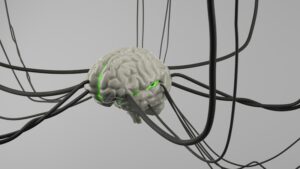
Dyssocial Personality: Decoding the Roots of Callousness
Scientifically Reviewed · Dr. Marwa Abd-Alazim · October 16, 2026
Review Criteria & Clinical Standards
This content undergoes rigorous scientific peer-review and medical editorial standards at Arab Psychology Network to ensure clinical accuracy, validity, and compliance with evidence-based guidelines from leading psychological and healthcare authorities (APA / WHO).

The Core Definition of Dyssocial Personality
Dyssocial personality refers to a specific type of personality disorder characterized by a pervasive pattern of grand selfishness, profound callousness, and a fundamental disregard for the feelings, rights, and safety of others. This definition, often utilized within European diagnostic frameworks such as the International Classification of Diseases (ICD), closely mirrors the construct known as Antisocial Personality Disorder (ASPD) found in the American Diagnostic and Statistical Manual of Mental Disorders (DSM). The core mechanism underlying this condition involves a significant failure to develop a fully integrated moral conscience or to internalize the societal norms that govern reciprocal and ethical relationships. Individuals afflicted with this disorder consistently demonstrate an inability to maintain meaningful, long-term attachments, frequently fail to accept genuine responsibility for their actions, and habitually engage in behavior that is manipulative, exploitative, and often criminal or strictly antisocial behavior.
The defining feature is not merely nonconformity, but an active, willful violation of social conventions and the rights of others, stemming from an inherent emotional deficit. Unlike individuals who may struggle with temporary delinquency or poor impulse control due to environmental stress, the person with dyssocial personality exhibits this pattern as an enduring, stable trait that dictates their interactions across various life domains, including work, family, and public life. This persistent behavioral pattern typically emerges in late adolescence or early adulthood, although precursors often manifest during childhood in the form of conduct disorder, such as cruelty to animals, destruction of property, or chronic deceitfulness. The subsequent adult presentation solidifies into a fixed character structure marked by an absence of genuine guilt or remorse, even following actions that cause significant distress or harm to others.
Furthermore, the expansion of the definition requires recognizing that while these individuals are often characterized by external aggression and impulsivity, a significant subset excels in superficially conforming environments, leveraging their charm and manipulative skills to achieve goals. They exhibit emotional flatness, particularly regarding the distress of others, and possess a tendency toward rationalizing their exploitative actions, viewing victims not as individuals, but as obstacles or tools to be utilized. This consistent prioritization of immediate self-gratification over long-term stability or ethical consideration forms the fundamental principle that drives the dyssocial behavior pattern.
Historical Evolution and Context
The conceptual roots of dyssocial personality stretch back far into the history of psychiatric thought, initially appearing in the early 19th century under terms such as “moral insanity,” coined by physician James Prichard in 1835. Prichard used this term to describe individuals whose intellect remained intact, but whose moral and ethical faculties appeared severely impaired. This early understanding laid the groundwork for separating behavioral deviance caused by psychoses or intellectual disability from that caused by fundamental character flaws. The modern understanding began to solidify in the mid-20th century, particularly through the influential clinical work of American psychiatrist Hervey Cleckley.
Cleckley’s seminal 1941 work, The Mask of Sanity, provided detailed case studies and established the clinical profile of the psychopath, emphasizing deep-seated affective and interpersonal deficits, such as superficial charm, pathological lying, lack of anxiety, and emotional poverty, rather than merely focusing on criminal acts. While Cleckley’s construct focused on the internal psychological structure, subsequent diagnostic systems, particularly the DSM-III in 1980, shifted the focus toward observable, measurable behaviors to improve diagnostic reliability, resulting in the establishment of Antisocial Personality Disorder (ASPD). The term “Dyssocial Personality,” however, maintained currency primarily within European classifications (ICD-10), representing a category closely aligned with ASPD but sometimes emphasizing the profound inability to adapt to social demands and derive benefit from experience, rather than the intrinsic psychopathic traits.
Another key historical development involves the work of Robert Hare, who developed the Psychopathy Checklist-Revised (PCL-R) in the 1990s. Hare’s research helped to clearly delineate the difference between those who merely meet the behavioral criteria for ASPD and those who also possess the deeper, affective traits of psychopathy (such as lack of empathy and grandiosity). While dyssocial personality is often used broadly to cover the entire spectrum of antisocial behavior, modern research often utilizes the PCL-R to assess the severity and inherent nature of the disorder, recognizing that individuals scoring high on the affective/interpersonal factors are often the most treatment-resistant and dangerous.
Etiology: Interplay of Factors
The etiology of dyssocial personality is complex and remains imperfectly understood, suggesting a dynamic interaction between genetic predisposition, neurobiological deficits, and adverse psychosocial experiences. Historically, various schools of thought have emphasized single factors. The psychodynamic perspective, for instance, posits that the disorder may originate from an excessive, unmet need for power and control established early in life, potentially resulting from inconsistent or abusive parental figures. This excessive drive for control manifests in adulthood as manipulative behavior and a complete unwillingness to submit to external rules or authority, viewing life as a zero-sum game where dominance is the only reliable path to security.
In contrast, the psychosocial approach suggests that dyssocial behavior is the result of a complex interplay between biological vulnerabilities and a toxic environment. Early environmental factors frequently associated with the development of this disorder include parental neglect, severe physical or emotional abuse, exposure to violent role models, and chronic instability or deprivation during critical developmental periods. These adverse experiences impair the individual’s ability to form secure attachments, leading to a profound mistrust of others and a defensive posture characterized by emotional detachment and preemptive aggression or exploitation. This model emphasizes how maladaptive coping mechanisms, initially developed for survival, become fixed behavioral traits.
The biological approach provides compelling evidence suggesting underlying neurological dysfunction. Research, including studies cited by Coccaro et al. (2004), postulates that dyssocial personality may be caused by a dysfunction in the brain’s reward system and associated emotional regulatory circuits. Specifically, abnormalities have been noted in the prefrontal cortex, which is critical for impulse control, planning, and moral reasoning, and the amygdala, which processes fear and emotional responses. Furthermore, disruptions in neurotransmitter systems, particularly serotonin function, have been implicated, potentially contributing to the characteristic impulsivity and heightened aggression observed in these individuals. These biological markers suggest that the diminished capacity for fear, coupled with a blunted response to punishment, makes typical methods of behavioral correction ineffective for individuals with this disorder.
Clinical Manifestations and Associated Features
Individuals diagnosed with dyssocial personality exhibit a predictable, yet often cunning, array of clinical features that serve to sustain their exploitative lifestyle. Among the most prominent characteristics are habitual lying and deception, which form the bedrock of their communication style. They utilize deceit not merely to avoid consequence, but often for pleasure, engaging in pathological lying without apparent stress or cognitive dissonance. This tendency is coupled with high levels of aggression, often manifesting as irritability, temper outbursts, and, in many cases, outright violence or criminal activity such as assault or theft, particularly when immediate needs are thwarted.
Perhaps the most defining and disturbing feature is the profound lack of empathy and absence of remorse. Unlike neurotypical individuals who experience distress when witnessing the suffering they have caused, the dyssocial individual is emotionally indifferent or may even derive satisfaction from controlling or causing pain to others. This emotional void allows them to engage in relentless manipulation, leveraging others’ trust, vulnerability, or affection to achieve personal gain without any subsequent feelings of guilt. Such manipulation often involves creating elaborate narratives to sustain their superficial image or to deflect blame entirely onto victims or external circumstances.
Furthermore, chronic irresponsibility and impulsivity are hallmarks of the disorder. These individuals struggle immensely with planning for the future, frequently change jobs without cause, fail to honor financial commitments, and engage in risky behaviors without considering long-term consequences, often leading to legal and financial instability. Studies on the prevalence of this disorder, while limited, suggest it is relatively rare in the general population—with some community samples indicating prevalence rates as low as 0.2% (Gunderson et al., 1998)—but the prevalence skyrockets within incarcerated or forensic populations, underscoring the strong link between dyssocial personality and persistent criminal behavior.
Real-World Illustration
To illustrate the application of dyssocial personality traits, consider a scenario involving “Mark,” a 35-year-old man who consistently demonstrates a pattern of financial exploitation and contractual deceit. Mark possesses a superficial charm that allows him to quickly establish rapport and trust, enabling him to convince a small group of investors to fund a fictitious business venture promising extremely high returns. The scenario begins with Mark’s calculated use of flattery and impressive but fabricated credentials to win the trust of potential investors, showcasing his capacity for deceit and superficial engagement.
The application of the psychological principles proceeds in clear steps. First, the manipulation phase involves Mark exploiting the investors’ trust, utilizing their desire for quick wealth against them. He establishes a fraudulent business structure, demonstrating his pattern of irresponsibility regarding legal and ethical guidelines. Second, the impulsive and self-serving nature of the disorder becomes apparent when Mark diverts the vast majority of the invested capital for his immediate personal spending—luxurious items, gambling, and travel—rather than investing it in the supposed business. This exemplifies the impulsivity and chronic failure to plan or honor obligations characteristic of the dyssocial profile.
Finally, when the investors inevitably demand accountability, Mark exhibits the core lack of empathy and remorse. He does not apologize or attempt to remediate the situation; instead, he shifts blame entirely, arguing that the investors were “greedy” or “should have known better,” thereby rationalizing his actions. He may even disappear abruptly, abandoning contact with victims and authorities, demonstrating his consistent disregard for the consequences of his actions and his failure to take responsibility. This entire sequence—from charming deception to financial exploitation to callous abandonment—encapsulates the essential features of the dyssocial personality in a practical, high-stakes context.
Challenges in Management and Treatment
The treatment and management of dyssocial personality disorder represent one of the most significant challenges in clinical psychology and psychiatry. The primary difficulty stems from the central features of the disorder itself: individuals often lack insight into their condition, genuinely believing their behavior is justified or that the problems lie with others, and they are typically highly resistant to seeking help voluntarily unless coerced by the judicial system. When therapy is mandatory, they frequently utilize the therapeutic environment not for self-reflection, but as a new platform for manipulation, attempting to deceive therapists, exploit group dynamics, or simply learn how to better mimic appropriate emotional responses without internal change.
The most effective approach, though success remains limited, is generally a structured combination of specialized psychotherapy and, in some cases, medication designed to target associated symptoms. Psychotherapeutic goals must be rigorously defined and focus less on emotional insight—which is often unattainable—and more on concrete behavioral regulation and managing high-risk impulsivity. Therapies that are highly structured, consistent, and reward-based, often drawing from principles of cognitive behavioral therapy (CBT) or dialectical behavior therapy (DBT), have shown marginal utility, particularly when applied in controlled forensic settings where external constraints enforce compliance. The objective is to help the individual develop functional coping skills, learn to delay gratification, and understand the practical, self-serving consequences of long-term stability over short-term exploitation.
Medication is not curative but is sometimes employed to manage specific, acute symptoms that complicate the disorder, such as extreme aggression, volatility, or profound impulsivity. Selective serotonin reuptake inhibitors (SSRIs), mood stabilizers, or anti-androgens (in cases of severe, persistent aggression) may be prescribed to help regulate the neurobiological deficits implicated in the disorder. However, pharmacological intervention must be carefully monitored, as the dyssocial individual’s lack of adherence to regimens and potential for substance abuse often complicate successful treatment outcomes. Ultimately, treatment success is measured not by personality change, but by a reduction in recidivism rates and the containment of antisocial behavior within societal limits.
Conceptual Connections and Related Disorders
Dyssocial personality exists within the broader category of Cluster B Personality Disorders in the DSM system, which groups disorders characterized by dramatic, overly emotional, or erratic thinking and behavior. This cluster also includes Borderline, Narcissistic, and Histrionic Personality Disorders, all of which share traits related to instability in relationships, poor emotional regulation, and self-serving behavior, although the mechanisms and primary motivations differ significantly. The most crucial conceptual connection, however, is the relationship between Dyssocial Personality (ICD), Antisocial Personality Disorder (ASPD, DSM), and Psychopathy (a clinical construct).
While ASPD and Dyssocial Personality are largely interchangeable in practice, focusing on observable patterns of chronic criminal and antisocial behavior since the age of 15, the construct of Psychopathy is narrower and more clinically severe. Psychopathy, as measured by tools like the PCL-R, requires the presence of deeply ingrained affective deficits (lack of empathy, guilt, and remorse) and interpersonal traits (superficial charm, grandiosity) in addition to the behavioral criteria. It is estimated that while most individuals diagnosed with psychopathy also meet the criteria for ASPD/Dyssocial Personality, a substantial portion of those with ASPD/Dyssocial Personality do not meet the criteria for psychopathy; they may be highly antisocial due to poor environmental factors (sociopathy), but lack the core emotional detachment that defines the true psychopath.
Other related concepts include Narcissistic Personality Disorder (NPD), which shares traits of grandiosity and lack of empathy, but the narcissist’s primary motivation is the achievement of external validation and admiration, whereas the dyssocial individual is motivated more by power, control, and exploitation. Understanding these distinctions is crucial for accurate diagnosis, as it dictates the focus of any behavioral management strategy. The field of psychology uses these interconnected concepts to map the spectrum of social maladaptation, highlighting that dyssocial personality represents the extreme end of behavioral deviance coupled with profound interpersonal deficits.