Echovirus Origins: Decoding the Human Orphan Virus
Scientifically Reviewed · Dr. Marwa Abd-Alazim · September 28, 2026
Review Criteria & Clinical Standards
This content undergoes rigorous scientific peer-review and medical editorial standards at Arab Psychology Network to ensure clinical accuracy, validity, and compliance with evidence-based guidelines from leading psychological and healthcare authorities (APA / WHO).
The Etymological Origins and Historical Context of Echoviruses
The term Echovirus serves as a descriptive acronym for “Enteric Cytopathic Human Orphan” viruses, a designation that reflects the early scientific understanding of these pathogens. When these viruses were first isolated in the mid-20th century, researchers observed their ability to produce significant cytopathic effects in human cell cultures, yet they could not initially link the viruses to any specific clinical disease or syndrome. This led to their classification as “orphans,” signifying a pathogen in search of a disease. Over time, however, the clinical significance of these viruses became clear, revealing a broad spectrum of human illnesses ranging from mild gastrointestinal distress to severe neurological complications.
Historically, the nomenclature of the Echovirus genus highlights the evolution of virology from observation-based classification to molecular characterization. The “enteric” component of the name refers to the primary site of viral colonization and replication within the human gastrointestinal tract. Unlike many other viruses that require specific animal reservoirs for persistence, early studies suggested that Echoviruses lacked a known animal host, further reinforcing the “orphan” moniker. Although our understanding of their ecological niche has expanded, the original name persists as a standard in medical and taxonomic literature, representing a significant group within the broader Picornaviridae family.
The classification of these viruses was a pivotal moment in the study of Enteroviruses, as it allowed clinicians to begin categorizing non-polio viruses that shared similar physical and chemical properties. As the second most common cause of viral meningitis, the Echovirus group has moved far beyond its “orphan” status to become a primary focus of pediatric and infectious disease research. Understanding the historical context of their naming provides essential insight into the methodologies used by early virologists to identify and categorize pathogens based on their behavior in laboratory environments versus their observed impact on human populations.
Taxonomic Classification and Molecular Structure
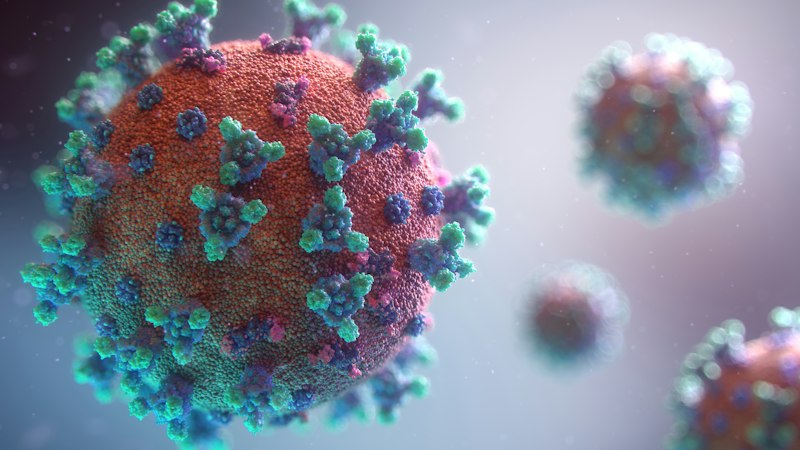
Within the biological hierarchy, Echoviruses are categorized under the Picornaviridae family, a group of small, non-enveloped viruses that are characterized by their resilience and unique genetic structure. These viruses possess a circular single-stranded RNA genome, which serves as the blueprint for viral replication once the pathogen has successfully infiltrated a host cell. The lack of a lipid envelope is a critical structural feature, as it renders the virus highly resistant to environmental stressors, such as acidic conditions in the stomach and common detergents, facilitating its transmission through various environmental vectors.
The capsid, or protein shell, of the Echovirus is meticulously organized to protect the internal RNA and facilitate the attachment to host cell receptors. This protein structure is composed of multiple subunits that determine the virus’s serotype and its ability to trigger an immune response. Because there are numerous serotypes of Echoviruses, individuals can be infected multiple times throughout their lives by different strains, as immunity to one serotype does not necessarily confer protection against others. This diversity is a hallmark of the Enterovirus genus and contributes to the widespread prevalence of these infections across different geographical regions.
The molecular mechanics of Echovirus replication involve the direct translation of its positive-sense RNA into a single polyprotein, which is then cleaved by viral proteases into functional structural and non-structural proteins. This efficient replication cycle allows the virus to rapidly produce thousands of progeny within a single host cell, eventually leading to cell lysis and the release of new virions. This process is what researchers describe as the cytopathic effect, a visible degradation of cell integrity that was instrumental in the original discovery and naming of the virus. The precision of this molecular machinery explains why Echoviruses are such effective human pathogens.
Pathogenesis and Mechanisms of Infection
The journey of an Echovirus infection typically begins with the ingestion or inhalation of the virus, followed by its primary replication in the tissues of the pharynx and the distal components of the gastrointestinal tract. Because the virus is acid-stable, it survives the transit through the stomach, allowing it to reach the lymphoid tissues of the intestines, such as Peyer’s patches. In these initial stages, the infection may remain localized, often resulting in minor or even undetectable symptoms. However, if the virus manages to breach the mucosal barriers and enter the bloodstream, a state of viremia ensues, allowing the pathogen to disseminate to various target organs.
The systemic spread of Echoviruses is what leads to the more severe manifestations of the disease. Once in the circulatory system, the virus can cross the blood-brain barrier, leading to aseptic meningitis or encephalitis, or it may target the muscular tissues of the heart, resulting in myocarditis. The specific organ tropism of a particular infection is often influenced by the viral serotype and the host’s underlying health status. The ability of the virus to induce cell death through its replication cycle causes the inflammatory responses observed in these organs, which characterizes the clinical progression of the illness.
Furthermore, the pathogenesis of Echovirus is marked by its interaction with the host’s immune system. While the innate immune response attempts to contain the virus at the site of entry, the adaptive immune response, particularly the production of neutralizing antibodies, is crucial for clearing the systemic infection. In individuals with compromised immune systems, especially those with defects in antibody production, Echovirus infections can become chronic or disseminated, highlighting the importance of a robust immune defense in managing these ubiquitous pathogens. The complexity of these interactions dictates the wide range of clinical outcomes observed in infected populations.
Clinical Manifestations and Symptomatology
The clinical presentation of an Echovirus infection is notoriously diverse, often making it a challenge for clinicians to diagnose based on symptoms alone. Many individuals, particularly adults, may remain entirely asymptomatic, serving as unintended carriers of the virus. However, when symptoms do manifest, they frequently begin with non-specific signs such as fever, malaise, and upper respiratory symptoms. In children, who are the most frequently affected demographic, these symptoms can escalate quickly, leading to more distinct clinical syndromes that require medical intervention.
One of the most significant clinical roles of the Echovirus is as a leading cause of aseptic meningitis. Patients suffering from this condition typically present with:
- Severe headache and sensitivity to light (photophobia)
- Stiffness in the neck and limited range of motion
- High fever and persistent nausea or vomiting
- General irritability, especially in infants and young children
While aseptic meningitis caused by Echoviruses is generally less fatal than bacterial meningitis, it still represents a serious medical event that requires careful monitoring and supportive care to ensure a full recovery.
Beyond neurological involvement, Echoviruses are associated with other severe conditions such as myocarditis, an inflammation of the heart muscle that can lead to chest pain and heart failure if not managed. In rare and extreme cases, the virus can cause paralysis, mimicking the effects of the poliovirus, or encephalitis, which involves inflammation of the brain tissue itself. The sheer variety of potential outcomes—from a simple skin rash or “hand-foot-and-mouth” like symptoms to life-threatening organ failure—underscores the pathogenic versatility of the Echovirus genus.
The duration and severity of symptoms are highly variable. Most self-limiting cases resolve within a week to ten days as the body’s immune system successfully neutralizes the viral load. However, the potential for long-term complications, particularly in cases involving the central nervous system or the heart, necessitates a high index of suspicion among healthcare providers during peak infection seasons. The clinical spectrum of Echovirus is a testament to the virus’s ability to adapt to and exploit various physiological environments within the human host.
Epidemiological Patterns and Transmission Dynamics
The epidemiology of Echovirus infections is characterized by seasonal fluctuations and a distinct preference for certain demographic groups. In temperate climates, infections typically peak during the summer and early autumn months, creating a predictable cycle of outbreaks. These patterns are often linked to increased human interaction and environmental conditions that favor the survival of the virus outside the host. Because Echoviruses are highly contagious, they can spread rapidly through schools, daycare centers, and households, where close contact is common.
Transmission occurs through several primary pathways, including:
- Fecal-oral route: Consumption of food or water contaminated with infected fecal matter.
- Direct contact: Touching surfaces or hands contaminated with the virus and subsequently touching the mouth, nose, or eyes.
- Respiratory droplets: Exposure to secretions from the coughs or sneezes of an infected individual.
The fecal-oral route is particularly significant in areas with poor sanitation or among young children who have not yet mastered consistent hand-washing hygiene. This ease of transmission ensures that the virus remains prevalent in the population year-round, even outside of peak seasons.
Children represent the primary reservoir and the most vulnerable population for Echovirus infections. Their developing immune systems and frequent close-quarters interactions make them ideal hosts for viral spread. While adults are also susceptible, they often experience milder symptoms due to prior exposure to various Enterovirus serotypes. Understanding these transmission dynamics is crucial for public health officials when designing intervention strategies to limit the impact of outbreaks in community settings and healthcare facilities.
Diagnostic Procedures and Laboratory Identification
Accurate diagnosis of an Echovirus infection is essential for distinguishing it from other viral or bacterial pathogens that may present with similar symptoms. Because the symptoms of aseptic meningitis can mirror those of the more dangerous bacterial meningitis, laboratory confirmation is often a priority. The gold standard for identification has traditionally been cell culture, where the virus is grown in a controlled environment to observe the characteristic cytopathic effects. This process, while definitive, can be time-consuming and may take several days to yield results.
In modern clinical practice, molecular diagnostics, specifically Polymerase Chain Reaction (PCR) testing, have become the preferred method for rapid identification. PCR allows clinicians to detect the viral RNA in various clinical samples, such as:
- Cerebrospinal fluid (CSF) obtained via lumbar puncture
- Stool samples or rectal swabs
- Throat swabs or respiratory secretions
- Blood samples during the acute phase of illness
The high sensitivity and specificity of PCR make it an invaluable tool for confirming the presence of Echovirus and determining the specific serotype involved in an outbreak.
In addition to molecular and culture-based methods, clinicians may utilize serological testing to identify an increase in specific antibodies against the virus. However, this is often more useful for retrospective studies or epidemiological tracking rather than acute clinical management. The integration of clinical observation with advanced laboratory techniques ensures that patients receive the most appropriate care and that public health authorities can monitor the movement of different Echovirus strains through the population.
Therapeutic Interventions and Management Strategies
Currently, there are no specific antiviral drugs approved for the routine treatment of Echovirus infections. Consequently, the cornerstone of medical management is supportive care, which focuses on alleviating symptoms and maintaining physiological stability while the body’s immune system fights the virus. For the majority of patients, who experience mild to moderate illness, this involves a regimen of rest, aggressive hydration to prevent fluid loss from fever or vomiting, and the use of analgesics or antipyretics to manage pain and reduce high temperatures.
In more severe cases, such as those involving encephalitis or severe aseptic meningitis, hospitalization may be required for closer monitoring. In these settings, healthcare providers may administer intravenous fluids and provide specialized care to manage neurological complications. While antiviral therapy is not standard, it may be considered in life-threatening situations or for patients with severe immunodeficiencies. Research into potential antiviral candidates continues, but the diversity of Echovirus serotypes makes the development of a universal treatment challenging.
The management of myocarditis caused by Echovirus requires a different set of priorities, often focusing on cardiac support and the prevention of heart failure. This may include the use of medications to support heart function and strict limits on physical activity during the recovery phase. Because most Echovirus infections are self-limiting, the prognosis for a full recovery is generally excellent, provided that the patient receives adequate supportive measures during the acute phase of the illness. The emphasis remains on early detection and the prevention of secondary complications.
Echovirus Infections in Veterinary Populations
While Echoviruses were historically considered “orphans” due to a perceived lack of animal reservoirs, it is now understood that they can indeed infect a variety of animal species. Domesticated animals and livestock, including pigs, horses, dogs, and cats, as well as various species of birds, are susceptible to these viruses. The clinical manifestation of the infection in animals often parallels that of humans, though the specific symptoms can vary significantly depending on the species and the particular viral strain involved.
In veterinary medicine, Echovirus infections may present with a range of symptoms, including:
- Gastrointestinal distress, such as diarrhea and vomiting
- Systemic signs like fever and anorexia (loss of appetite)
- Respiratory diseases characterized by coughing or nasal discharge
- General lethargy and reduced productivity in livestock
The transmission pathways in animals are similar to those in humans, often involving contaminated environments or direct contact between infected individuals within a herd or household.
Treatment for animals is primarily supportive, mirroring the human approach of hydration and rest. In some specialized veterinary cases, antiviral drugs may be utilized, though this is less common than in human medicine. The study of Echovirus in animals is not only important for veterinary health but also for understanding the broader ecological dynamics of the Picornaviridae family. Monitoring these infections in animal populations helps researchers identify potential cross-species transmission events and provides a more comprehensive view of the virus’s environmental footprint.
Preventive Measures and Public Health Implications
In the absence of a vaccine, the prevention of Echovirus infections relies heavily on public health education and the implementation of rigorous hygiene standards. Because the virus is primarily spread through the fecal-oral route and direct contact, the most effective defense is frequent and thorough hand-washing with soap and water. This is particularly important after using the restroom, changing diapers, or before preparing and consuming food. Public health campaigns often target schools and childcare facilities to ensure that both staff and children adhere to these essential practices.
Environmental sanitation is another critical component of Echovirus prevention. Disinfecting frequently touched surfaces, such as doorknobs, toys, and countertops, can help break the chain of transmission in communal settings. Furthermore, ensuring the safety and cleanliness of drinking water and food supplies is vital for preventing large-scale outbreaks. During peak seasons, individuals are encouraged to avoid close contact with those showing signs of illness and to stay home if they themselves are symptomatic to prevent further spread within the community.
The public health impact of Echovirus is significant, not only due to the acute illnesses it causes but also because of the economic burden associated with healthcare visits and lost productivity. Ongoing surveillance by health organizations is necessary to track the emergence of new serotypes and to provide early warning of potential outbreaks. By combining personal hygiene practices with robust community sanitation and surveillance, the incidence and severity of Echovirus infections can be effectively mitigated, protecting vulnerable populations and reducing the overall burden on the healthcare system.
Conclusion and Future Research Directions
In summary, Echoviruses represent a complex and highly adaptable group of pathogens within the Picornaviridae family. From their early days as “orphan” viruses to their current status as significant human and animal pathogens, our understanding of these viruses has grown exponentially. They are capable of causing a wide array of clinical conditions, ranging from mild fever and asymptomatic infections to severe aseptic meningitis and myocarditis. Their ability to persist in the environment and transmit through multiple pathways makes them a permanent fixture in global epidemiology.
While current treatment remains largely supportive, the future of Echovirus research holds the promise of more targeted interventions. Scientists are actively investigating the molecular mechanisms of viral entry and replication to identify potential vulnerabilities that could be exploited by new antiviral drugs. Additionally, the development of vaccines for the most common or severe serotypes remains a long-term goal, which would drastically alter the public health landscape regarding Enterovirus infections. Continued genomic sequencing and surveillance are also essential for staying ahead of viral evolution.
The study of Echoviruses serves as a reminder of the intricate relationship between pathogens, their hosts, and the environment. As we move forward, the integration of clinical medicine, virology, and public health strategy will be paramount in managing the challenges posed by these resilient viruses. Through continued research and a commitment to preventive measures, the medical community can better protect society from the diverse and often unpredictable impacts of Echovirus infections, ensuring better health outcomes for both humans and animals alike.