Tag: Viral Infections


ECHOVIRUS

The Etymological Origins and Historical Context of Echoviruses The term Echovirus serves as a descriptive acronym for “Enteric Cytopathic Human Orphan” viruses, a designation that reflects the early scientific understanding of these pathogens. When these viruses were first isolated in the mid-20th century, researchers observed their ability to produce significant cytopathic effects in human cell […]

Read More

OPHTHALMIA

Introduction to the Clinical Concept of Ophthalmia Ophthalmia is a comprehensive clinical term utilized within medical and ophthalmological discourse to categorize a broad spectrum of inflammatory eye diseases and their attendant symptomatic profiles. Historically and in modern practice, the term encompasses various pathological states that affect the ocular structures, ranging from superficial irritations to deep-seated […]

Read More

INFECTIOUS DISORDERS

Introduction and Core Pathogenesis Infectious disorders represent a fundamental category of medical conditions resulting from the invasion, proliferation, and resultant damage caused by external disease-causing agents, collectively termed pathogens. These microscopic or macroscopic biological entities include bacteria, viruses, fungi, and parasites. The interaction between the invading pathogen and the host immune system dictates the outcome […]

Read More

ANTIVIRAL DRUGS

Antiviral drugs represent a critical class of pharmacological agents specifically designed as substances that interfere with or corrupt the normal functioning of viruses. Unlike antibiotics, which target the independent cellular machinery of bacteria, antivirals face a unique challenge: viruses are obligate intracellular parasites, meaning they hijack the host cell’s metabolic processes for their own replication. […]

Read More

DEMYELINATION

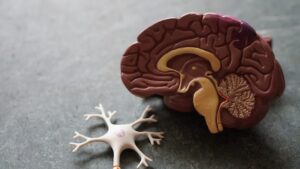
Introduction and Definition Demyelination is the pathological process involving the loss or severe damage of the myelin sheath that normally encases and protects the axons of nerve cells within the central nervous system (CNS), which includes the brain and spinal cord, and the peripheral nervous system (PNS). This destructive phenomenon is characterized fundamentally by the […]

Read More

RABIES

Rabies: A Comprehensive Encyclopedia Entry The Core Definition of Rabies Rabies is an acute, progressive, and nearly always fatal zoonotic disease caused by the rabies virus (RABV). This highly pathogenic virus primarily affects the central nervous system (CNS) of mammals, including humans, leading to severe neurological symptoms if not promptly treated. The most common mode […]

Read More

EPSTEIN-BARR VIRUS (EBV)

EPSTEIN-BARR VIRUS (EBV) The Epstein-Barr Virus: A Pervasive Human Herpesvirus The Epstein-Barr virus (EBV), a prominent member of the herpesvirus family, is a remarkably ubiquitous human pathogen, infecting over 90% of the global adult population. This double-stranded DNA virus establishes a lifelong, typically asymptomatic latent infection within its human host, primarily residing in B lymphocytes […]

Read More