Viral Parasitism: How Viruses Hijack Human Cognition
Scientifically Reviewed · Dr. Marwa Abd-Alazim · September 6, 2026
Review Criteria & Clinical Standards
This content undergoes rigorous scientific peer-review and medical editorial standards at Arab Psychology Network to ensure clinical accuracy, validity, and compliance with evidence-based guidelines from leading psychological and healthcare authorities (APA / WHO).
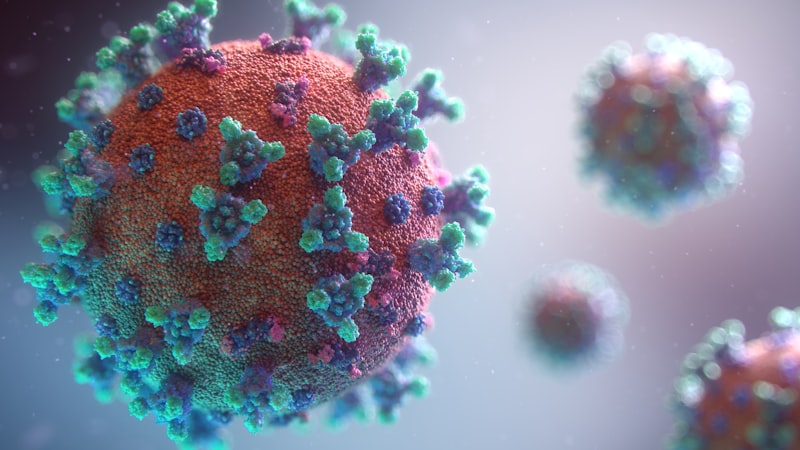
Antiviral drugs represent a critical class of pharmacological agents specifically designed as substances that interfere with or corrupt the normal functioning of viruses. Unlike antibiotics, which target the independent cellular machinery of bacteria, antivirals face a unique challenge: viruses are obligate intracellular parasites, meaning they hijack the host cell’s metabolic processes for their own replication. This reliance necessitates that effective antiviral strategies must selectively inhibit viral components or processes without causing undue harm to the host organism’s own cells. Historically, the development of successful antivirals lagged significantly behind antibacterial agents due to this inherent difficulty in achieving therapeutic selectivity. Modern antiviral therapy, however, utilizes sophisticated molecular knowledge to target specific, critical stages of the viral life cycle, ranging from initial entry into the host cell to the final release of new viral progeny, fundamentally interrupting the pathogenic cascade that leads to disease. The overall goal is not always the complete eradication of the virus, but rather the suppression of viral load to a level where the patient’s immune system can manage the infection, or the severity and duration of the illness are significantly reduced, transforming life-threatening acute infections or chronic debilitating conditions into manageable states.
The Molecular Mechanisms of Antiviral Action
The intricate efficacy of antiviral drugs stems from their ability to specifically target processes unique to viral replication, often by blocking host-cell enzyme systems, which are required for viral reproduction but are subtly altered or entirely co-opted by the virus itself. One primary mechanism involves nucleoside and nucleotide analogues, which mimic the natural building blocks of DNA or RNA. When incorporated by viral polymerase enzymes—which are typically less discerning than host polymerases—these analogues terminate the growing nucleic acid chain, effectively halting the synthesis of the viral genome. A classic example is Acyclovir, used against herpesviruses, which requires viral thymidine kinase for its activation, thus concentrating its toxic effect predominantly within infected cells. Furthermore, certain antivirals exert their influence by interfering with the delicate process of transcription and translation within the host cell. This involves processes such as blocking signals carried in messenger RNA (mRNA), which is essential for translating genetic code into functional viral proteins. By interfering with these vital genetic signals, the virus is unable to produce the structural components or regulatory proteins necessary for its assembly and function, rendering the infection non-productive.
Beyond disrupting the synthesis of genetic material, antivirals can also act upon the structural integrity and assembly phases of the virus. A potent strategy involves preventing the crucial step of viral uncoating, where the protective capsid is shed to release the nucleic acid into the host cell cytoplasm. Drugs like Amantadine and Rimantadine, historically used against Influenza A, function by blocking the M2 ion channel, which is necessary for acidification of the endosome and subsequent uncoating and dismembering the nucleic acid molecule of the virus. If the viral genome remains encapsulated, it cannot access the host cell machinery to initiate replication. Alternatively, other drugs focus on inhibiting the release of newly formed virus particles. Neuraminidase inhibitors, such as Oseltamivir (Tamiflu), target the neuraminidase enzyme found on the surface of influenza viruses. This enzyme is essential for cleaving sialic acid receptors, allowing the newly budded virions to detach from the infected cell surface and spread the infection. By inhibiting this enzyme, the progeny viruses become trapped on the surface of the cell, preventing systemic dissemination and reducing the overall viral load and duration of illness.
Clinical Challenges and the Imperative of Therapeutic Selectivity
The clinical management of antiviral therapies is notoriously complex due to the inherent biological relationship between the virus and the host cell, leading to the challenge that antiviral drugs may be difficult to manage in clinical practice because these chemicals may also interfere with the patient’s normal cell functioning. Since viral replication utilizes host cellular mechanisms, many antiviral compounds possess a narrow therapeutic window; the dose required to effectively suppress viral replication often borders on the dose that causes unacceptable toxicity to the patient. This lack of perfect selectivity can manifest as severe side effects, including mitochondrial toxicity, bone marrow suppression, nephrotoxicity, or hepatotoxicity, particularly with older or less refined drug classes. Furthermore, the pharmacokinetics of antiviral agents must be carefully managed, necessitating precise dosing regimens to maintain effective plasma concentrations while mitigating systemic exposure. Long-term adherence to these complex, often high-dose regimens presents a significant barrier in treating chronic infections, such as HIV or Hepatitis C, demanding robust patient education and monitoring to ensure compliance and optimize treatment outcomes while minimizing adverse events related to cumulative toxicity.
A significant and perpetually evolving challenge in the deployment of antiviral drugs is the emergence of viral resistance. Viruses, especially those with RNA genomes like HIV and influenza, possess high mutation rates due to error-prone replication mechanisms, allowing them to rapidly evolve genetic variants that are less susceptible to pharmacological intervention. When a drug applies selective pressure, resistant strains thrive and quickly become the dominant viral population, leading to treatment failure. This necessitates constant surveillance and the development of new therapeutic agents, as well as the implementation of combination therapy, often referred to as highly active antiretroviral therapy (HAART) in the context of HIV. HAART utilizes multiple drugs targeting different stages of the viral life cycle simultaneously, making it exponentially harder for the virus to develop simultaneous resistance to all agents. However, combination regimens increase the complexity of drug-drug interactions, potentially exacerbating the interference with normal cell functioning and complicating clinical management, demanding highly specialized therapeutic monitoring to balance efficacy against toxicity.
Historical Context and Unexpected Pharmacological Benefits
The history of antiviral drug discovery is marked by serendipity and the gradual understanding of molecular virology. Early antiviral agents often emerged from screening programs aimed at other diseases or from observing unexpected biological effects. For instance, the first widely successful antiviral, Idoxuridine, was initially synthesized as an anticancer agent. A particularly noteworthy historical example involves Amantadine, introduced for influenza prophylaxis in the 1960s. While its primary intended use was to block the M2 ion channel of the influenza A virus, it was later discovered that antivirals may occasionally interact with natural substances in human tissues and create unexpected benefits, as with amantadine, which can be used as an Antiparkinsonian agent. This secondary application arose because Amantadine also acts as a weak non-competitive antagonist of the NMDA receptor and stimulates dopamine release, mechanisms relevant to the treatment of Parkinson’s disease symptoms, particularly dyskinesia. This illustrates the potential for pharmacological agents to possess pleiotropic effects, highlighting the complexity of drug-receptor interactions within the human body.
Specific Drug Classes: Targeting Polymerase and Reverse Transcriptase
A cornerstone of modern antiviral therapy involves targeting the enzymes responsible for synthesizing the viral genome, specifically the viral polymerases and, in the case of retroviruses, reverse transcriptase. Nucleoside Reverse Transcriptase Inhibitors (NRTIs) are crucial components in treating HIV. These drugs, such as Zidovudine (AZT) or Tenofovir, are prodrugs that must be phosphorylated by host enzymes to become active. Once active, they compete with natural deoxynucleotides for incorporation into the viral DNA chain being synthesized by the HIV reverse transcriptase. Because these analogues lack the necessary chemical group to link the next nucleotide, their incorporation results in immediate chain termination, effectively preventing the conversion of viral RNA into proviral DNA that integrates into the host genome. This specific molecular intervention is highly effective, yet the prolonged administration required for chronic infections necessitates careful monitoring for common side effects like mitochondrial dysfunction, which is linked to the drug’s interaction with the host cell’s mitochondrial polymerase.
In contrast to the NRTIs, Non-Nucleoside Reverse Transcriptase Inhibitors (NNRTIs) do not mimic nucleotides; instead, they bind directly to an allosteric site on the reverse transcriptase enzyme, causing a conformational change that profoundly inhibits the enzyme’s catalytic activity. Drugs like Efavirenz or Nevirapine fall into this category and are essential components of combination regimens against HIV. Their binding site is typically distinct from the enzyme’s active site, meaning they do not compete with natural substrates, offering a different mechanism of action that is highly valued in combination therapy. Similarly, drugs targeting DNA polymerase, such as Ganciclovir used against cytomegalovirus (CMV), function to specifically inhibit the viral DNA synthesis machinery. Ganciclovir must also be activated by viral kinases, concentrating its activity in infected cells, but high therapeutic doses can still lead to significant toxicity, notably myelosuppression, underscoring the continual selectivity challenge inherent in targeting these fundamental replication enzymes across various viral families.
Integrase and Protease Inhibitors: Blocking Assembly and Integration
Further refinements in antiviral development led to the creation of agents that intervene at later, highly specific stages of the viral life cycle, such as integration and protein maturation. Integrase Strand Transfer Inhibitors (INSTIs), exemplified by Raltegravir and Dolutegravir, target the HIV integrase enzyme, which is responsible for splicing the newly synthesized viral DNA into the host cell’s genome. This integration step is mandatory for productive, long-term infection. By blocking the integrase enzyme, the viral genetic material remains unintegrated in the cytoplasm, rendering the infection abortive. INSTIs represent a major advance because they target a unique viral enzyme with no human analogue, offering excellent selectivity and generally lower toxicity profiles compared to older drug classes, quickly making them first-line agents in many modern HIV treatment guidelines due to their efficacy and high barrier to resistance.
Another pivotal class, the Protease Inhibitors (PIs), acts at the final stage of maturation. After the viral genetic material has been replicated and translated, the virus produces long, non-functional polypeptide chains. The viral protease enzyme is required to cleave these precursor proteins into the smaller, functional proteins necessary for the assembly of the infectious mature virion. PIs, such as Ritonavir and Darunavir, are designed to mimic the peptide cleavage site, binding tightly to the active site of the viral protease and preventing this critical maturation step. The resulting viral particles are structurally incomplete and non-infectious, dramatically reducing the viral load. While PIs are highly effective, they are often associated with complex metabolic side effects, including lipodystrophy, hyperlipidemia, and insulin resistance, further illustrating the delicate balance required when administering powerful pharmacological agents that interact with fundamental cellular processes.
The Emergence of Broad-Spectrum and Direct-Acting Antivirals
Recent antiviral development has shifted towards highly targeted, direct-acting antivirals (DAAs) and the promising concept of broad-spectrum antivirals (BSAs). DAAs, most famously utilized in the treatment of Chronic Hepatitis C Virus (HCV) infection, target non-structural proteins essential for HCV replication, such as NS3/4A protease, NS5A replication complex, and NS5B polymerase. Regimens combining these DAAs, such as Sofosbuvir and Velpatasvir, have achieved remarkable sustained virologic response rates, often exceeding 95%, effectively curing HCV infection in most patients within a short treatment window. This success paradigm demonstrates the power of precise molecular targeting against viruses that were previously considered intractable, revolutionizing hepatology and public health strategies globally.
Simultaneously, the threat of emerging pandemics, such as SARS-CoV-2, has spurred intense research into BSAs. These compounds are sought to inhibit conserved host factors or viral processes common across multiple viral families, offering a generalized therapeutic option applicable before specific disease knowledge is fully available. For example, some BSAs target host proteins that viruses universally require for entry or replication, making them less susceptible to the rapid resistance seen with targeted antivirals. While still largely experimental, the successful deployment of agents like Remdesivir, a nucleotide analogue initially developed against Ebola and later repurposed for COVID-19, underscores the necessity and potential of having agents ready that can interfere with fundamental, conserved processes across broad viral classes, thereby enhancing global preparedness against unforeseen viral threats.
Future Directions and Therapeutic Integration
The future of antiviral therapy is focused on developing highly selective agents with minimal off-target effects, simplifying dosing regimens, and improving strategies to overcome resistance. Research continues into novel mechanisms, including small interfering RNAs (siRNAs) that harness the host cell’s natural machinery to degrade viral mRNA, effectively silencing the production of viral proteins. Furthermore, the integration of antiviral drugs into preventative health strategies, such as Pre-Exposure Prophylaxis (PrEP) using agents like Truvada or Descovy to prevent HIV transmission, has proven transformative in public health. This shift towards prophylaxis recognizes that preventing infection is often more effective and less toxic than treating established disease.
Ultimately, the goal remains the establishment of readily accessible, highly effective, and safe pharmacological tools capable of managing the vast and ever-mutating landscape of human viral pathogens. The ongoing refinement of drug design, driven by deep structural biology and molecular modeling, ensures that new generations of antivirals will continue to push the boundaries of therapeutic selectivity, minimizing the interference with normal host cellular functions while maintaining robust antiviral efficacy, thus continuously improving the prognosis for patients facing both acute and chronic viral infections.