Tag: drug mechanisms


ANTIGONADAL ACTION

Antigonadal Action: A Review The antigonadal action of drugs is a pharmacological phenomenon that has been studied for decades. It is defined as the inhibition of gonadal hormone production or the blocking of gonadal hormone receptors, resulting in the disruption of the normal reproductive system. This review will discuss the antigonadal action of various drugs, […]

Read More

BEHAVIORAL PHARMACOLOGY

Defining Behavioral Pharmacology: An Interdisciplinary Approach Behavioral Pharmacology is a highly specialized and deeply interdisciplinary field situated at the nexus of psychology, neuroscience, and traditional pharmacology. It is fundamentally dedicated to exploring how chemical agents, particularly psychoactive drugs, influence and modify observable behavior. Unlike pure pharmacology, which focuses primarily on the biochemical effects of drugs […]

Read More

ANTIVIRAL DRUGS

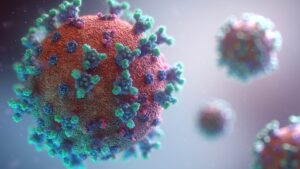
Antiviral drugs represent a critical class of pharmacological agents specifically designed as substances that interfere with or corrupt the normal functioning of viruses. Unlike antibiotics, which target the independent cellular machinery of bacteria, antivirals face a unique challenge: viruses are obligate intracellular parasites, meaning they hijack the host cell’s metabolic processes for their own replication. […]

Read More

ANTICHOLINERGIC DRUGS

Anticholinergic Drugs: Their Use in Clinical Practice Anticholinergic drugs are medications that block the action of the neurotransmitter acetylcholine. This class of drugs includes a variety of agents that can be used to treat a wide range of medical conditions. This article will discuss the mechanisms of action, clinical indications, and common side effects of […]

Read More

NEUROPHARMACOLOGY

Neuropharmacology Introduction to Neuropharmacology Neuropharmacology stands as a pivotal and rapidly evolving scientific discipline dedicated to unraveling the profound effects of pharmaceutical agents on the nervous system. It meticulously investigates the intricate pharmacological interactions that occur between various drugs and crucial components of neural architecture, including receptors, neurotransmitters, and other integral elements of the complex […]

Read More