Efferent Pathways: How Your Brain Orchestrates Every Move
Scientifically Reviewed · Dr. Marwa Abd-Alazim · September 17, 2026
Review Criteria & Clinical Standards
This content undergoes rigorous scientific peer-review and medical editorial standards at Arab Psychology Network to ensure clinical accuracy, validity, and compliance with evidence-based guidelines from leading psychological and healthcare authorities (APA / WHO).
Introduction to Efferent Pathways
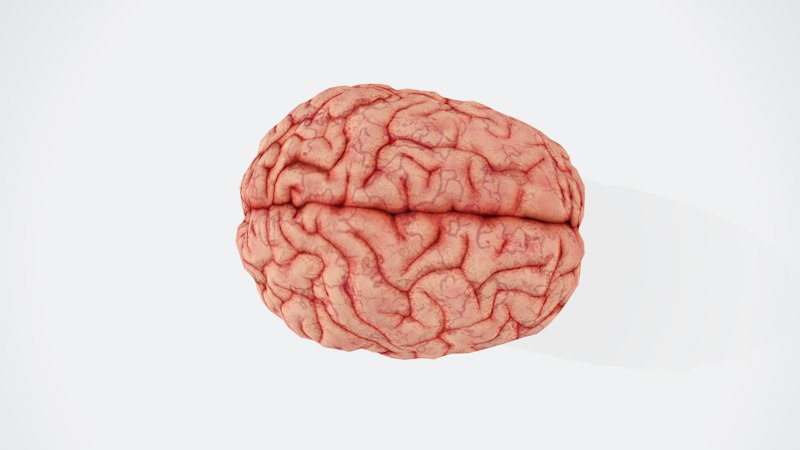
The efferent pathways constitute the crucial output system of the central nervous system, serving as the conduit for neural commands directed toward the body’s peripheral effectors. These effectors primarily include skeletal muscles, smooth muscles, cardiac muscle, and various glandular structures. Fundamentally, efferent pathways are responsible for the transmission of nerve impulses away from the brain and spinal cord, translating centralized processing into coordinated action and physiological regulation. Often referred to simply as the motor pathways, they contrast sharply with the afferent (sensory) pathways, which transmit information toward the central nervous system. The systematic study of these pathways has been paramount in neuroscience, providing a deep understanding of how organisms interact with their environment and maintain internal homeostasis. This architecture ensures that complex cognitive decisions or reflexive survival mechanisms are rapidly executed throughout the organism, allowing for instantaneous adjustments to internal and external stimuli. The functional integrity of the efferent system is thus inextricably linked to all forms of behavioral output, from subtle facial expressions to powerful locomotion.
Understanding the efferent system requires appreciating its hierarchical organization, which spans multiple levels of the neuraxis. Commands often originate in the highest cortical centers, such as the primary motor cortex, integrating information from association areas like the premotor cortex and supplementary motor area. These descending signals are meticulously refined by subcortical structures, including the basal ganglia and the cerebellum, which act as critical modulators ensuring the smoothness, timing, and accuracy of the intended movement. This intricate chain of command ensures that the final motor signal reaching the peripheral effector is highly specific and calibrated. The entire process illustrates a fundamental principle of neurobiology: the integration of vast amounts of sensory and cognitive data must ultimately converge onto a limited set of final common pathways—the efferent neurons—to elicit a physical response. Therefore, any disruption at any point in this complex pathway, from cortical lesion to peripheral nerve damage, results in characteristic and often debilitating motor deficits, underscoring the vital nature of this system for functional independence.
Anatomical Foundations of Efference
The anatomical structure of the efferent pathways is defined by the location of the neuron cell bodies and the trajectory of their axonal projections. All efferent pathways originate within the brain and spinal cord, which collectively form the central nervous system (CNS). The primary functional units are the motor neurons. In the somatic system, these motor neurons are often characterized as upper motor neurons (UMNs) and lower motor neurons (LMNs). The UMNs reside primarily in the cerebral cortex and brainstem nuclei, and their axons descend through major tracts, such as the corticospinal and corticobulbar tracts, before synapsing onto the LMNs. The LMNs, housed in the anterior horn of the spinal cord or brainstem motor nuclei, represent the true final common pathway; their axons exit the CNS to innervate skeletal muscle fibers directly. This two-neuron hierarchical structure is essential for coordinating movement, with the UMNs providing the command and the LMNs executing the action.
Axons constitute the primary physical component of these efferent tracts. These are thin, specialized nerve fibers designed for the rapid, long-distance transmission of electrical signals. The length of these axons can vary dramatically, from short connections within the brainstem to meters-long fibers extending down the spinal cord and out to distal limbs. Furthermore, the efferent system is distinctly organized into major functional divisions. As noted, the efferent pathways are fundamentally segregated into the somatic pathways, which manage conscious, voluntary actions, and the autonomic pathways, which regulate unconscious, involuntary physiological processes. While both systems utilize motor neurons originating in the CNS, their neurotransmitter profiles, peripheral targets, and anatomical arrangements differ significantly, reflecting their disparate regulatory roles.
A crucial anatomical feature of efferent projection is the concept of decussation, or crossing over. For many major motor tracts, such as the lateral corticospinal tract, the majority of the axons cross the midline, typically at the level of the pyramidal decussation in the medulla. This anatomical arrangement explains the phenomenon of contralateral control, where the motor cortex in the left hemisphere controls the movement of the right side of the body, and vice versa. This crossing over is a hallmark of vertebrate nervous system organization and dictates how localized CNS damage translates into ipsilateral or contralateral deficits in motor function. The precise location and completeness of this decussation are vital parameters for diagnosing neurological injury and understanding the functional organization of motor command.
The Role of Myelin and Axons
The efficiency and speed of signal transmission along the efferent pathways are critically dependent upon the specialized structure of the axons and their insulating sheath. The axons themselves are extensions of the motor neuron cytoplasm, maintaining the electrical gradient necessary for generating and propagating the action potential. Signal fidelity is maintained through mechanisms that ensure the action potential is regenerated sequentially along the membrane. However, in most efferent fibers, this process is dramatically accelerated by the presence of myelin, a fatty, protective layer formed by specialized glial cells—oligodendrocytes in the CNS and Schwann cells in the peripheral nervous system (PNS). Myelin wraps around the axon in segments, acting as an electrical insulator, significantly reducing capacitance and increasing resistance across the axonal membrane.
The primary physiological consequence of myelination is the phenomenon known as saltatory conduction. Instead of the electrical signal traveling smoothly and slowly along the entire length of the axon membrane, the myelin forces the signal to “jump” rapidly from one gap in the myelin sheath to the next. These gaps are called the Nodes of Ranvier. At these nodes, voltage-gated ion channels are highly concentrated, allowing the action potential to be quickly regenerated and boosting the signal strength before it traverses the next myelinated segment. This mechanism significantly increases the conduction velocity, enabling instantaneous reflexes and rapid, coordinated movements, which are essential for survival and complex motor skills. Damage to the myelin sheath, such as in demyelinating diseases like multiple sclerosis, severely compromises efferent signal transmission, leading to profound motor weakness and dysfunction due to slowed or blocked signal propagation.
Beyond signal transmission, the axon is also responsible for maintaining the neuron’s structural integrity and functionality through axonal transport. This process involves the movement of essential materials—proteins, lipids, mitochondria, and neurotransmitter precursors—between the cell body (soma) and the axon terminal. Fast and slow transport systems ensure that the synaptic machinery remains functional and that materials needed for neuroplasticity and repair are delivered efficiently. Anterograde transport moves materials from the soma toward the terminal, while retrograde transport carries signaling molecules and waste products back towards the cell body for degradation or signaling. Disruptions to axonal transport, often associated with neurodegenerative conditions, can impair the efferent pathway’s ability to communicate reliably with its target effector, even if the primary myelin sheath remains intact, highlighting the axon’s complex metabolic demands.
Somatic Efferent System (Voluntary Control)
The somatic efferent pathways are dedicated to the precise, conscious, and voluntary control of the body’s musculature. This system directly innervates skeletal muscles, which are responsible for locomotion, posture, and manipulation of the external environment. The core function of the somatic system is to execute motor plans generated by higher brain centers. The pathway involves a single motor neuron (the LMN) projecting directly from the CNS to the muscle fiber. The synapse between the LMN axon terminal and the muscle fiber is termed the neuromuscular junction, a highly specialized chemical synapse where the neurotransmitter acetylcholine (ACh) is released to initiate muscle contraction. This system is critical for executing fine, skilled movements and maintaining body position against gravity.
The organization of motor units is central to somatic efference. A motor unit consists of a single LMN and all the muscle fibers it innervates. The size of the motor unit varies depending on the required precision of movement. For fine motor control, such as eye movement or finger manipulation, motor units are small, involving one neuron innervating a few muscle fibers. For gross movements requiring powerful force, like those in the thigh muscles, motor units are large, involving one neuron innervating hundreds or thousands of fibers. The brain achieves graded force production not just by varying the firing rate of individual motor neurons (temporal summation), but also by recruiting increasing numbers of motor units (spatial summation), following the size principle of recruitment where smaller, weaker units are recruited before larger, stronger ones.
The integrity of the LMN is critical because it represents the only anatomical link between the CNS command structure and the muscle effector. Damage to the somatic efferent pathway, particularly the LMN (a lower motor neuron lesion), results in characteristic signs of flaccid paralysis, muscle atrophy, diminished or absent reflexes, and spontaneous muscle twitching (fasciculations), as the muscle is completely disconnected from central neural input and loses its intrinsic tone. Conversely, damage to the UMNs (an upper motor neuron lesion) often results in spastic paralysis, hyperreflexia, and increased muscle tone, because the inhibitory regulation normally exerted by the UMNs over the LMNs is lost, leading to uncontrolled excitability of the spinal reflex arcs and sustained muscle contraction.
Autonomic Efferent System (Involuntary Control)
In contrast to the somatic system, the autonomic efferent pathways operate entirely below the level of conscious awareness, maintaining the body’s internal environment—a state known as homeostasis. This system targets smooth muscles (found in the walls of organs and blood vessels), cardiac muscle, and various glands (endocrine and exocrine). Anatomically, the autonomic pathway is characterized by a two-neuron chain outside the CNS. The first neuron, the preganglionic neuron, originates in the brainstem or spinal cord and synapses with the second neuron, the postganglionic neuron, located in a peripheral ganglion. The preganglionic neuron is myelinated and transmits signals quickly, while the postganglionic axon is usually unmyelinated, projecting to the target effector organ and modulating its activity.
The autonomic system is further subdivided into two antagonistic branches: the sympathetic and parasympathetic nervous systems. The sympathetic nervous system, often associated with the “fight or flight” response, originates in the thoracolumbar region of the spinal cord (T1-L2). Its primary function is to mobilize energy reserves, increase heart rate, dilate pupils, and divert blood flow to skeletal muscles, preparing the body for immediate, vigorous activity. Sympathetic ganglia are typically located close to the spinal cord, either in the paravertebral chain or as prevertebral ganglia. The primary neurotransmitters used at the effector organ are norepinephrine (NE), which acts on adrenergic receptors, though acetylcholine is used at the ganglion and by some postganglionic fibers innervating sweat glands.
The parasympathetic nervous system, known for the “rest and digest” function, originates in the craniosacral regions (brainstem nuclei of cranial nerves III, VII, IX, X, and sacral spinal segments S2-S4). Its actions conserve energy, slow the heart rate, stimulate digestion, and promote nutrient absorption. Parasympathetic ganglia are generally located very close to, or within the walls of, the target effector organs, meaning the preganglionic fibers are long and the postganglionic fibers are short. In both preganglionic and postganglionic synapses (at the effector), the parasympathetic system primarily utilizes acetylcholine (ACh), acting on muscarinic receptors. The fine balance between sympathetic and parasympathetic inputs determines the baseline activity and regulatory capacity of most internal organs, ensuring precise physiological adjustments in response to changing internal demands.
Synaptic Integration and Signal Modulation
While the efferent pathway is often described as a direct command line, its function is highly modulated by complex synaptic interactions occurring both within the CNS and at the periphery. The descending efferent signals rarely arrive unchanged at the lower motor neurons. Instead, the axons of the motor pathways frequently synapse with interneurons within the gray matter of the spinal cord and brainstem. These interneurons are crucial for integrating diverse inputs—both excitatory and inhibitory—from various sources, including collateral branches of descending motor tracts, local spinal circuits, and feedback from afferent sensory neurons. This integration allows for the refinement and modification of the strength and timing of the motor signal, preventing over-excitation or premature cessation of activity and ensuring smooth, coordinated movement.
A classic example of essential modulation involves the interaction between efferent and afferent fibers in reflex arcs. Sensory information, carried by afferent fibers from stretch receptors (muscle spindles) or tension receptors (Golgi tendon organs), synapses directly or indirectly onto the LMNs. This feedback loop is essential for maintaining muscle tone and posture. For instance, the stretch reflex is a monosynaptic efferent response where a sensory neuron synapses directly onto a motor neuron, causing the stretched muscle to contract instantly. More complex responses, such as the withdrawal reflex, involve multiple interneurons that simultaneously excite the motor neurons for the flexor muscles and inhibit the motor neurons for the opposing extensor muscles, a process known as reciprocal inhibition. This sophisticated interplay ensures that movement is coordinated and opposing muscle groups do not work against each other, optimizing efficiency and preventing injury.
Furthermore, descending tracts from structures like the reticular formation and vestibular nuclei provide constant regulatory input, affecting the overall excitability of the motor neuron pool. These tracts are vital for maintaining equilibrium and controlling proximal and axial musculature necessary for posture. The interplay between the direct cortical commands (pyramidal tracts) and the indirect regulatory systems (extrapyramidal tracts) ensures that voluntary movements are executed against a stable postural background. The strength of the final signal output is continuously regulated by the integration of thousands of excitatory and inhibitory postsynaptic potentials (EPSPs and IPSPs) converging on the motor neuron soma, confirming that signal modulation via interneurons and sensory fibers is central to the adaptable and precise nature of efferent control.
Physiological Mechanism of Motor Response
The physiological journey of an efferent command culminates in the stimulation of the target effector, a process initiated by the generation of the action potential. This electrical signal is generated by the motor neuron, typically starting at the axon hillock, in response to suprathreshold integration of excitatory postsynaptic potentials (EPSPs) arriving from upstream neurons. This all-or-nothing event relies on the rapid, sequential opening and closing of voltage-gated sodium and potassium channels, creating a wave of depolarization that propagates rapidly and unidirectionally along the axon, utilizing the mechanism of saltatory conduction described previously. This ensures that the command travels quickly and reliably from the CNS nucleus to the peripheral terminal, often traversing significant distances within milliseconds.
Upon reaching the axon terminal, the electrical signal must be converted into a chemical signal to cross the synaptic cleft, whether at the neuromuscular junction (somatic system) or the neuroeffector junction (autonomic system). Depolarization of the terminal membrane opens voltage-gated calcium channels, allowing an influx of calcium ions (Ca2+). This influx serves as the critical trigger for synaptic vesicle fusion with the presynaptic membrane, leading to the rapid release of neurotransmitter molecules into the cleft. The quantity of neurotransmitter released is directly proportional to the amount of calcium influx, providing a mechanism for modulating the strength of the postsynaptic signal. Active removal mechanisms, such as enzymatic degradation or reuptake transporters, quickly terminate the neurotransmitter action, allowing for rapid resetting and readiness for the next impulse.
In the somatic system, this neurotransmitter is ACh, which binds to nicotinic receptors on the muscle fiber membrane, causing immediate depolarization known as the end-plate potential, triggering the initiation of muscle contraction through the excitation-contraction coupling process involving the release of calcium from the sarcoplasmic reticulum. In the autonomic system, the physiological response is more varied, dictated by the specific neurotransmitter (ACh or NE) and the receptor type expressed on the smooth muscle, cardiac muscle, or gland cell. For example, NE binding to adrenergic receptors can lead to either excitation (e.g., increased heart rate via beta-1 receptors) or inhibition (e.g., smooth muscle relaxation via beta-2 receptors). Regardless of the specific chemical messenger, the final step involves the stimulation of the effector organ to produce a response, allowing the body to generate highly coordinated and powerful motor outputs essential for complex behavior.
Clinical Significance and Conclusion
The efferent pathways are indispensable components of the nervous system, forming the essential bridge between neural processing and physical action. Their functional integrity is vital for virtually all aspects of life, encompassing voluntary movement, maintenance of posture, and the autonomic regulation necessary for internal stability. Consequently, dysfunction within the efferent system leads to a spectrum of severe neurological conditions that significantly impair quality of life and functional capacity. Clinical evaluation often relies heavily on assessing the efferent system through tests of muscle strength, tone, reflexes, and coordination, allowing neurologists to pinpoint the location of injury, whether it be central (UMN lesion), peripheral (LMN or neuromuscular junction lesion), or a combination thereof.
Conditions affecting efferent pathways are numerous and diverse. Motor neuron diseases, such as amyotrophic lateral sclerosis (ALS), specifically target and destroy both upper and lower motor neurons, resulting in progressive paralysis. Demyelinating diseases, notably Guillain-Barré Syndrome (PNS) and Multiple Sclerosis (CNS), impair conduction speed by stripping the myelin sheath, leading to profound motor weakness and sensory deficits. Furthermore, cerebrovascular accidents (strokes) commonly affect the descending motor tracts, leading to hemiparesis or hemiplegia. Autoimmune disorders targeting the neuromuscular junction, like myasthenia gravis, impair neurotransmitter transmission, disrupting the final output command. Advances in neurorehabilitation and pharmacology are largely focused on restoring, compensating for, or bypassing damage within these crucial output systems through mechanisms like physical therapy, deep brain stimulation, and targeted drug delivery.
In conclusion, the efferent pathways represent the culmination of neural command, translating electrical signals generated in the CNS into meaningful physiological responses at the peripheral effectors. This complex network, divided into somatic and autonomic branches, relies on sophisticated neuronal architecture, rapid myelinated transmission, and detailed synaptic modulation to ensure coordinated action. Without these pathways, the body would be inert, unable to respond to stimuli or execute intentional actions. Therefore, understanding the anatomy and physiology of the efferent pathways is important for furthering our knowledge of the nervous system, and continued research into the molecular and cellular mechanisms governing efferent function remains paramount for developing effective treatments for debilitating motor disorders.
References
The following sources provide foundational information regarding the anatomy and physiology of efferent pathways:
- Bennett, M. R., & Plum, F. (Eds.). (2015). Cecil textbook of medicine (22nd ed.). Philadelphia, PA: Saunders/Elsevier.
- Gould, E., & McEwen, B. (2002). Neuroendocrinology: The scientific basis of clinical practice (2nd ed.). Philadelphia, PA: Lippincott Williams & Wilkins.
- Kandel, E. R., Schwartz, J. H., & Jessell, T. M. (Eds.). (2013). Principles of neural science (5th ed.). New York, NY: McGraw-Hill.