Electrophysiology: Decoding the Brain’s Hidden Language
Scientifically Reviewed · Dr. Marwa Abd-Alazim · September 18, 2026
Review Criteria & Clinical Standards
This content undergoes rigorous scientific peer-review and medical editorial standards at Arab Psychology Network to ensure clinical accuracy, validity, and compliance with evidence-based guidelines from leading psychological and healthcare authorities (APA / WHO).
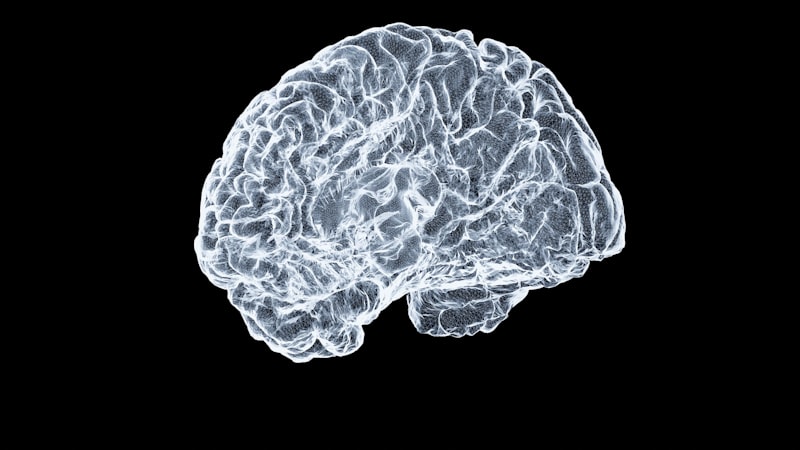
Electrophysiology is a branch of physiology that studies the electrical properties of biological cells and tissues. It focuses on the electrical properties of cells, such as their movement, electrical signals, and the transport of ions across the cell membrane (Lampe & Dabertrand, 2018). The field of electrophysiology involves a variety of techniques and methods for studying the electrical properties of cells, including electrical stimulation, recording of electrical signals, and imaging of electrical activity.
Electrophysiology has a wide range of applications in medicine, biology, and biotechnology. In medicine, electrophysiology is used to diagnose and treat cardiovascular disorders, such as arrhythmias and conduction disturbances (Lampe & Dabertrand, 2018). In addition, electrophysiology is used to diagnose and treat neurological disorders, including epilepsy, stroke, and Parkinson’s disease (Lampe & Dabertrand, 2018). In biology, electrophysiology is used to study the electrical properties of neurons and muscles, and to understand the function of the nervous system (Lampe & Dabertrand, 2018). In biotechnology, electrophysiology is used to design and develop medical devices, such as pacemakers and implantable defibrillators (Lampe & Dabertrand, 2018).
The development of new techniques and technologies has enabled researchers to gain a better understanding of the electrical properties of cells. In particular, the use of microelectrodes and optical techniques, such as patch clamping, has revolutionized the field of electrophysiology (Lampe & Dabertrand, 2018). These techniques allow researchers to record the electrical activity of individual cells, and to measure the electrical properties of cells with greater precision (Lampe & Dabertrand, 2018).
In conclusion, electrophysiology is a rapidly advancing field that has a wide range of applications in medicine, biology, and biotechnology. It involves a variety of techniques and methods for studying the electrical properties of cells, and the development of new technologies has enabled researchers to gain a better understanding of the electrical properties of cells.
References
Lampe, P. A., & Dabertrand, F. (2018). Introduction to electrophysiology. Oxford University Press.