Environmental Therapy: Nature’s Blueprint for Inner Calm
Scientifically Reviewed · Dr. Marwa Abd-Alazim · October 5, 2026
Review Criteria & Clinical Standards
This content undergoes rigorous scientific peer-review and medical editorial standards at Arab Psychology Network to ensure clinical accuracy, validity, and compliance with evidence-based guidelines from leading psychological and healthcare authorities (APA / WHO).
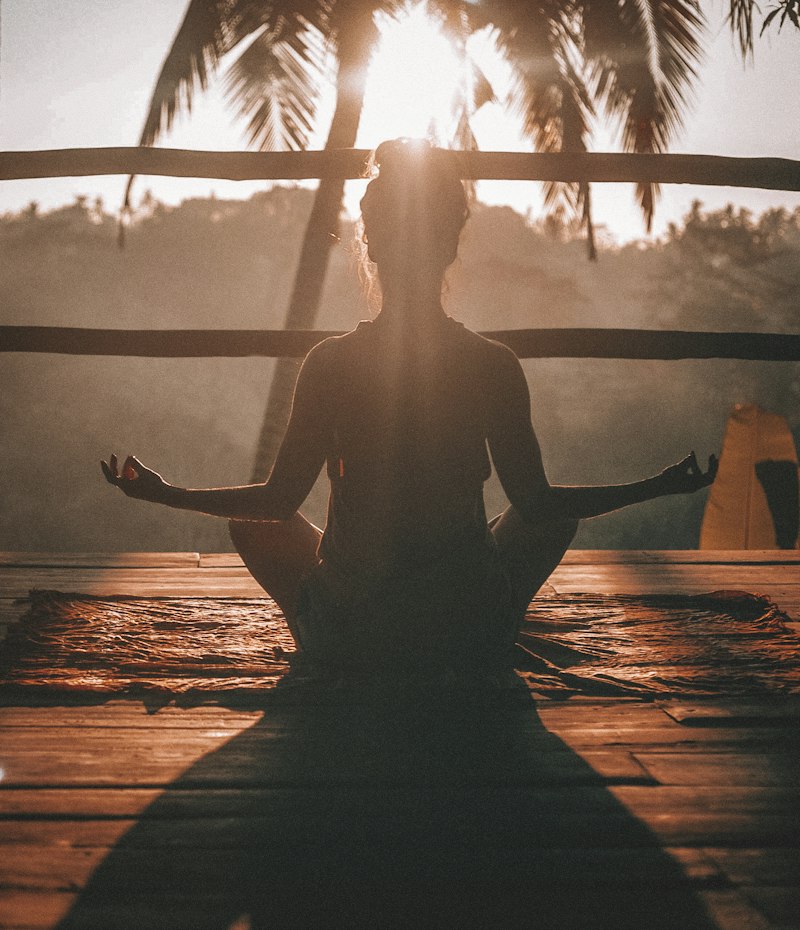
Environmental therapy is the use of natural elements to improve health and well-being. It involves activities such as gardening, walking in nature, fishing, and bird watching. While the benefits of environmental therapy have been widely documented, the mechanisms behind its therapeutic effects have only recently been explored. This article reviews the current research into environmental therapy and its potential role in improving health and well-being.
The healing power of nature has been recognized for centuries. Ancient physicians prescribed walks in the park for their patients, and 19th-century psychiatrists prescribed institutionalized patients exposure to natural settings as part of their treatment. The modern field of environmental therapy began in the 1950s, with the pioneering work of Rachel and Stephen Kaplan. The Kaplans argued that people need to have meaningful contact with nature to feel mentally and emotionally healthy.
Studies have demonstrated that environmental therapy can improve physical health, mental health, and overall well-being. For example, a study of 1,253 adults found that those who spent time in natural settings had lower levels of depression and anxiety than those who did not (Kuo, Coley, & Sullivan, 2001). Another study of 4,593 adults found that those who spent time outdoors had lower levels of stress and improved cognitive functioning (Berman, Jonides, & Kaplan, 2008).
The mechanisms behind the therapeutic effects of environmental therapy are still being explored. Many researchers believe that nature provides a sense of awe, which has been linked to improved psychological well-being (Keltner & Haidt, 2003). Others argue that exposure to natural settings reduces stress by providing a sense of safety and security (Ulrich, 1984). Still others suggest that contact with nature stimulates the senses and increases our appreciation of life (Kaplan & Kaplan, 1989).
In addition to its mental health benefits, environmental therapy has been linked to physical health improvements. A study of 1,237 adults found that those who spent time in natural settings had lower levels of hypertension and cholesterol than those who did not (Takano et al., 2002). Another study of 6,500 adults found that those who spent time outdoors had lower levels of obesity and improved cardiovascular health (Dietz et al., 2005).
The evidence suggests that environmental therapy can improve mental health, physical health, and overall well-being. While further research is needed to fully understand the mechanisms behind its therapeutic effects, environmental therapy has the potential to be a powerful tool in improving health and well-being.
References
Berman, M. G., Jonides, J., & Kaplan, S. (2008). The cognitive benefits of interacting with nature. Psychological Science, 19(12), 1207-1212.
Dietz, T., O’Brien, K., & Frumkin, H. (2005). The impact of parks on human health. American Journal of Public Health, 95(6), 992-998.
Keltner, D., & Haidt, J. (2003). Approaching awe, a moral, spiritual, and aesthetic emotion. Cognition and Emotion, 17(2), 297-314.
Kaplan, S., & Kaplan, R. (1989). The experience of nature: A psychological perspective. New York, NY: Cambridge University Press.
Kuo, F. E., Coley, R. L., & Sullivan, W. C. (2001). Aggression and violence in the inner city: Effects of environment via mental fatigue. Environment and Behavior, 33(3), 543-571.
Takano, T., Nakamura, K., Watanabe, M., & Li, Q. (2002). Exposure to green space and mortality from cardiovascular disease in a large-scale population. Environmental Health Perspectives, 110(9), 931-936.
Ulrich, R. S. (1984). View through a window may influence recovery from surgery. Science, 224(4647), 420-421.