Psychopharmacology: How Ancient Herbs Rewire the Mind
Scientifically Reviewed · Dr. Marwa Abd-Alazim · September 26, 2026
Review Criteria & Clinical Standards
This content undergoes rigorous scientific peer-review and medical editorial standards at Arab Psychology Network to ensure clinical accuracy, validity, and compliance with evidence-based guidelines from leading psychological and healthcare authorities (APA / WHO).
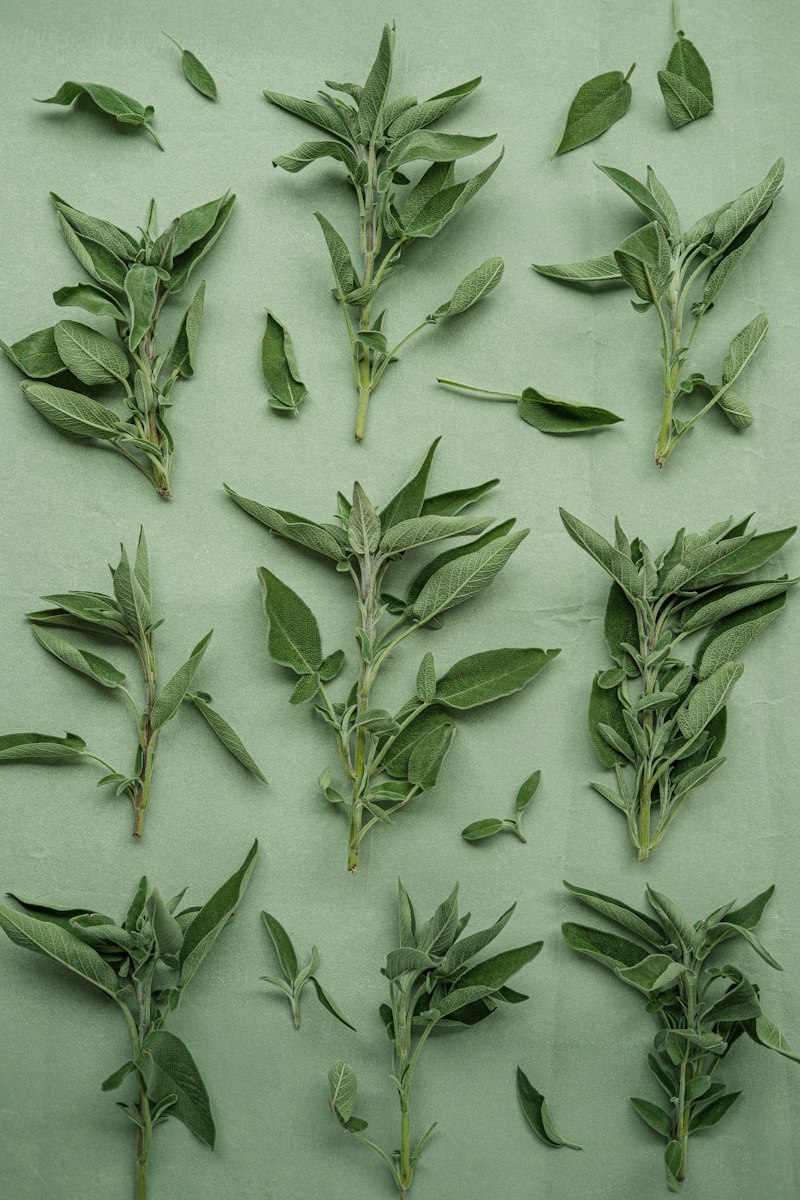
Botanical and Historical Overview of Ephedra
The genus Ephedra, known colloquially in various cultures as Ma Huang, represents a fascinating intersection between ancient botanical wisdom and modern pharmacological scrutiny. As an evergreen shrub primarily native to the temperate and arid regions of Asia, North Africa, and parts of the Americas, Ephedra sinica Stapf has adapted to survive in harsh environments, developing a unique phytochemical profile that has made it a staple in traditional medicine for millennia. According to Nahata (2004), this resilient plant is characterized by its small, scale-like leaves and photosynthetic stems, which contain the potent alkaloids that have driven its widespread use. The historical significance of Ephedra cannot be overstated, as it serves as one of the oldest known medicinal plants, bridging the gap between prehistoric herbalism and the development of isolated chemical compounds in the 19th and 20th centuries.
The global distribution of Ephedra species has allowed different civilizations to discover its properties independently, leading to a rich tapestry of ethnobotanical applications. While Ephedra sinica is perhaps the most famous variety due to its high concentration of ephedrine, other species such as Ephedra equisetina and Ephedra intermedia have also been utilized for their stimulant and respiratory benefits. The plant’s ability to thrive in nitrogen-poor soils and extreme temperatures is a testament to its biological robustness, a trait that often mirrors the intensive physiological effects it exerts upon the human body. Historically, the harvest of Ephedra involved the collection of the green aerial stems during specific seasons to maximize the alkaloid content, a practice that highlights the sophisticated agricultural knowledge possessed by ancient practitioners.
In the contemporary era, the transition of Ephedra from a traditional remedy to a controversial dietary supplement has sparked significant debate within the medical community. The plant’s journey from the mountains of China to the shelves of modern health stores illustrates the complexities of integrating traditional knowledge into a regulated pharmaceutical framework. As Nahata (2004) points out, the shift in focus from holistic respiratory treatment to targeted weight loss and performance enhancement has fundamentally changed the public perception of Ephedra. This evolution necessitates a deep dive into the plant’s traditional roots, its modern applications, and the physiological mechanisms that make it both a powerful therapeutic agent and a potential health risk.
Traditional Chinese Medicine and the Role of Ma Huang
In the context of Traditional Chinese Medicine (TCM), Ephedra is referred to as Ma Huang and has been documented in medical texts for over five thousand years. It is classified as an herb that “releases the exterior” and “disperses cold,” making it a primary treatment for ailments characterized by a lack of sweating, chills, and respiratory distress. Nahata (2004) emphasizes that in the Chinese tradition, Ma Huang was rarely used in isolation; rather, it was part of complex multi-herb formulas designed to balance the plant’s potent “yang” energy. These traditional applications focused heavily on the treatment of asthma, hay fever, and sinus congestion, leveraging the plant’s ability to open the airways and alleviate the symptoms of what modern medicine identifies as allergic rhinitis and bronchitis.
The therapeutic philosophy of TCM regards Ephedra as a stimulant for the “Lung” and “Bladder” meridians, facilitating the movement of Qi and fluids throughout the body. By inducing diaphoresis (sweating), practitioners believed they could expel pathogenic “wind-cold” factors from the body’s surface. This methodology was particularly effective for treating the early stages of the common cold and various respiratory infections that caused labored breathing. The precision with which ancient Chinese physicians applied Ma Huang suggests a profound understanding of its bronchodilator properties, even if they described these effects through a different conceptual lens than modern biochemistry.
Furthermore, the historical use of Ephedra in China extended to the treatment of edema, or water retention, due to its diuretic properties. By stimulating the kidneys and promoting the excretion of fluids, the plant helped reduce swelling and restore fluid balance. Despite its potency, traditional practitioners were acutely aware of the potential for overstimulation, often prescribing Ma Huang alongside “cooling” or “moistening” herbs like licorice root to mitigate its harshness. This holistic approach contrasts sharply with some modern uses, where the plant’s active alkaloids are often consumed in high doses without the buffering effects of a balanced formula.
Traditional Applications in Indian and Middle Eastern Cultures
The medicinal use of Ephedra is not limited to East Asia; it also holds a prominent place in Indian traditional medicine, particularly within the Ayurvedic tradition. In India, the plant is often associated with the legendary “Soma,” a sacred substance mentioned in ancient Vedic texts, though its exact identity remains a subject of historical debate. Nahata (2004) notes that in Indian practices, Ephedra has been traditionally employed to treat asthma and colds, similar to its Chinese counterparts. However, its application also extended to skin disorders, where its anti-inflammatory and stimulant properties were thought to assist in the healing of various cutaneous conditions and infections.
In the Middle East, traditional healers utilized Ephedra for a distinct set of symptoms, showcasing the plant’s versatility across different geographic regions. Nahata (2004) highlights that in these cultures, the plant was frequently used to address headaches, joint pain, and fever. The analgesic properties of Ephedra, while perhaps secondary to its stimulant effects, provided much-needed relief for individuals suffering from chronic inflammatory conditions or acute febrile illnesses. This suggests that the Middle Eastern application of the plant focused on its systemic effects on the nervous system and its ability to modulate the body’s pain response.
The cross-cultural adoption of Ephedra underscores a universal recognition of its physiological potency. Whether it was used by Indian practitioners for respiratory distress or by Middle Eastern healers for musculoskeletal pain, the common thread was the plant’s ability to provide rapid symptomatic relief. These traditional uses were built upon centuries of observational evidence, forming a foundation of knowledge that modern researchers continue to explore. By examining these diverse historical applications, we gain a more comprehensive understanding of the therapeutic spectrum of Ephedra and how its various alkaloids interact with human physiology in different clinical contexts.
Modern Pharmacological Applications and Weight Management
In the modern era, the focus on Ephedra shifted from traditional respiratory treatments to the burgeoning field of metabolic health and obesity management. Research conducted by Babu et al. (2008) has demonstrated that the plant possesses significant thermogenic and anorectic properties. These characteristics make it an attractive option for the treatment of obesity, as it can simultaneously increase the body’s metabolic rate and suppress appetite. The primary mechanism behind these effects is the stimulation of the sympathetic nervous system, which triggers the release of norepinephrine and enhances the breakdown of fats for energy.
The thermogenic effect of Ephedra refers to the increase in heat production within the body, which leads to a higher caloric expenditure even at rest. This process is primarily mediated by the activation of beta-adrenergic receptors, which are found in adipose tissue and skeletal muscle. When these receptors are stimulated by ephedrine, the body’s “metabolic furnace” is effectively turned up, facilitating weight loss. Babu et al. (2008) suggest that this increase in energy expenditure, when combined with the plant’s anorectic (appetite-suppressing) effects, creates a potent synergy that can help individuals achieve a caloric deficit more easily than through diet and exercise alone.
However, the modern application of Ephedra for weight loss has been fraught with controversy. Unlike the traditional use of the whole plant in balanced teas, modern supplements often contained concentrated ephedrine alkaloids, sometimes combined with other stimulants like caffeine to further enhance the thermogenic effect. While this combination was effective for short-term weight reduction, it also significantly increased the risk of cardiovascular strain. The transition from a holistic medicine to a targeted weight-loss tool highlights the challenges of isolating specific bioactive compounds without considering the systemic impact of those compounds on the cardiovascular and central nervous systems.
Enhancement of Athletic Performance and Ergogenic Effects
Beyond weight management, Ephedra gained immense popularity in the late 20th century as an ergogenic aid designed to improve athletic performance. Athletes and bodybuilders turned to the plant and its derivatives to gain a competitive edge, citing its ability to increase physical endurance and reduce the perception of fatigue. According to Nahata (2004), the stimulant properties of Ephedra allow for more intense training sessions by increasing heart rate, improving oxygen delivery to the muscles, and enhancing mental focus. This made it a staple in pre-workout supplements and performance-enhancing stacks during the 1990s.
The physiological basis for these performance gains lies in the plant’s sympathomimetic action. By mimicking the effects of adrenaline, Ephedra prepares the body for “fight or flight,” which in an athletic context translates to increased power output and delayed exhaustion. The alkaloids in Ephedra promote the release of glucose into the bloodstream, providing an immediate energy source for working muscles, while also stimulating the central nervous system to maintain high levels of alertness. This multi-faceted stimulation was particularly prized in sports requiring high levels of stamina and explosive energy.
Despite these benefits, the use of Ephedra in athletics eventually led to widespread bans by major sporting organizations, including the International Olympic Committee (IOC) and the National Football League (NFL). The primary concern was that the very effects that improved performance—such as increased heart rate and thermogenesis—could lead to dangerous levels of physiological stress, especially when combined with intense physical exertion in hot environments. Nahata (2004) notes that the risk of heatstroke and cardiac arrhythmia was significantly higher in athletes using Ephedra, leading to a reevaluation of its safety profile in the context of competitive sports.
Mechanism of Action and Phytochemical Composition
To understand the diverse effects of Ephedra, one must examine its complex phytochemical composition. The plant contains a variety of phenethylamine alkaloids, the most prominent of which are ephedrine and pseudoephedrine. These compounds act as sympathomimetic agents, meaning they mimic the action of the sympathetic nervous system. As detailed by Babu et al. (2008), these alkaloids exert their influence by binding to alpha- and beta-adrenergic receptors throughout the body, leading to a cascade of physiological responses including bronchodilation, vasoconstriction, and increased cardiac contractility.
The mechanism of action involves both direct and indirect stimulation. Directly, ephedrine binds to adrenergic receptors; indirectly, it triggers the release of endogenous norepinephrine from nerve endings. This dual action results in a prolonged and potent effect compared to other stimulants. In the respiratory system, the activation of beta-2 receptors in the lungs causes the smooth muscles of the bronchioles to relax, which is why Ephedra has been so effective in treating asthma and sinus congestion. In the cardiovascular system, however, the activation of alpha-1 and beta-1 receptors leads to increased blood pressure and heart rate, which can be problematic for certain populations.
In addition to the primary alkaloids, the Ephedra plant contains various tannins, flavonoids, and essential oils that may contribute to its overall therapeutic profile. These secondary metabolites often act as antioxidants or anti-inflammatory agents, potentially modulating the effects of the more potent alkaloids. Modern pharmaceutical preparations often ignore these secondary compounds in favor of pure ephedrine, a practice that may explain the higher incidence of side effects in clinical settings compared to traditional whole-plant preparations. Understanding this complex chemical interplay is crucial for evaluating the plant’s potential therapeutic benefits and its risks.
Potential Therapeutic Benefits and Respiratory Health
The most well-established therapeutic benefits of Ephedra lie in its efficacy as a bronchodilator and decongestant. For centuries, patients suffering from asthma, hay fever, and sinus congestion have found relief through the administration of Ephedra-based remedies. Nahata (2004) confirms that the plant’s alkaloids are highly effective at reducing the swelling of the mucous membranes and opening constricted airways. This makes it a valuable tool for managing acute respiratory distress and improving the quality of life for individuals with chronic obstructive pulmonary diseases.
The decongestant properties of Ephedra are primarily due to the action of pseudoephedrine, which causes vasoconstriction in the nasal passages. By narrowing the blood vessels in the sinuses, the plant reduces the flow of fluid into the tissues, thereby alleviating the feeling of “stuffiness” associated with allergies and the common cold. This specific application remains a cornerstone of modern over-the-counter medicine, as pseudoephedrine (often synthesized rather than plant-derived) continues to be a primary ingredient in many allergy and cold medications today.
In addition to its respiratory benefits, Babu et al. (2008) suggest that Ephedra may have a role in treating certain types of hypotension (low blood pressure) and as a mild stimulant for the central nervous system. Its ability to improve alertness and cognitive function has been explored in various contexts, though these benefits are often overshadowed by its potential for adverse effects. Nevertheless, the historical and clinical evidence supporting its use for respiratory health is robust, provided that the dosage is carefully controlled and the patient’s cardiovascular health is taken into consideration.
Adverse Effects and Safety Concerns
While the benefits of Ephedra are significant, they are accompanied by a substantial risk of adverse effects, particularly when the plant is used inappropriately or in excessive doses. Babu et al. (2008) provide a sobering list of potential complications, ranging from mild symptoms like tremors, insomnia, and anxiety to life-threatening events such as hypertension, tachycardia, myocardial infarction (heart attack), and stroke. The most severe risk associated with Ephedra consumption is sudden death, which has occurred even in seemingly healthy individuals, including high-profile athletes.
The cardiovascular risks are primarily driven by the plant’s stimulant effects on the heart and blood vessels. By increasing the heart rate and constricting the arteries, Ephedra places a significant workload on the heart, which can trigger a cardiac event in individuals with underlying heart conditions or those predisposed to arrhythmias. Furthermore, the increase in blood pressure can lead to the rupture of vulnerable plaques or weakened blood vessels in the brain, resulting in a stroke. These risks are exacerbated when Ephedra is combined with other stimulants or when used during periods of intense physical exertion or dehydration.
Psychological side effects are also a concern, as the stimulation of the central nervous system can lead to irritability, psychosis, and dependency. Because ephedrine can cross the blood-brain barrier, it has a direct impact on mood and cognition. Long-term use or high doses can overtax the nervous system, leading to a “crash” characterized by extreme fatigue and depression. The cumulative evidence of these adverse effects led to a paradigm shift in how Ephedra was regulated, ultimately resulting in its removal from the dietary supplement market in many jurisdictions, including the United States.
Regulatory Status and Contemporary Research Developments
The regulatory history of Ephedra is a landmark case in the oversight of dietary supplements. In 2004, following a series of high-profile deaths and thousands of adverse event reports, the U.S. Food and Drug Administration (FDA) banned the sale of dietary supplements containing ephedrine alkaloids. This decision was based on the conclusion that the risks of the substance outweighed any potential benefits for weight loss or athletic performance. Nahata (2004) notes that this ban did not apply to traditional Chinese herbal remedies or over-the-counter drugs containing ephedrine for asthma, provided they were not marketed as weight-loss aids.
Despite the ban, research into the Ephedra plant and its alkaloids continues. Contemporary studies are focused on finding ways to harness the plant’s thermogenic properties without the associated cardiovascular risks. Researchers are investigating selective beta-3 adrenergic agonists, which might provide the metabolic benefits of ephedrine with fewer effects on the heart and blood pressure. Additionally, there is ongoing interest in the phytochemistry of non-alkaloid-containing Ephedra species, which may possess anti-inflammatory or antioxidant properties that could be used in modern medicine.
The legacy of Ephedra serves as a cautionary tale for the supplement industry and a case study for pharmacovigilance. It highlights the importance of rigorous clinical testing and the need for clear regulatory boundaries between traditional herbal use and modern, concentrated extracts. As Babu et al. (2008) conclude, while the plant has undeniable therapeutic potential, its safety profile requires careful management. The future of Ephedra research may lie in biotechnology and synthetic chemistry, where the goal is to isolate the beneficial effects of the plant while engineering out its dangerous side effects.
Conclusion and Clinical Implications
In summary, Ephedra is an ancient medicinal plant that has played a vital role in the healthcare traditions of Chinese, Indian, and Middle Eastern cultures for thousands of years. Its transition into the modern era as a tool for obesity treatment and athletic performance enhancement brought its physiological potency to the forefront of global attention. While the plant offers significant therapeutic benefits for respiratory conditions and metabolic stimulation, these are inextricably linked to a high risk of cardiovascular and neurological complications. The work of Nahata (2004) and Babu et al. (2008) underscores the necessity of balancing traditional wisdom with modern safety standards.
The clinical implications of Ephedra‘s history are profound. For healthcare providers, it serves as a reminder to always screen patients for the use of herbal supplements, as these can have powerful and sometimes dangerous interactions with conventional treatments. For researchers, the plant remains a rich source of alkaloids that continue to inform our understanding of the sympathetic nervous system. The evolution of Ephedra from a revered mountain shrub to a banned substance reflects the broader challenges of integrating ethnobotany into a world of standardized, high-potency pharmaceuticals.
Ultimately, the story of Ephedra is one of duality. It is a plant that can save lives by opening the airways of a person struggling with asthma, but it can also end lives when misused as a shortcut for weight loss or physical prowess. As we move forward, the lessons learned from Ephedra will continue to shape the regulation of natural products and the development of new treatments for obesity and respiratory disease. By maintaining a formal and rigorous approach to its study, the medical community can ensure that the powerful properties of this ancient plant are understood and respected, preventing future tragedies while honoring its long-standing medicinal heritage.
References
- Babu, P.D., Prasad, S., Reddy, G.K. (2008). Potential therapeutic benefits and adverse effects of ephedra and ephedrine alkaloids. Indian Journal of Clinical Biochemistry, 23(2), 121-127.
- Nahata, M.C. (2004). Herbal medicine: An overview. American Journal of Health-System Pharmacy, 61(7), 671-680.