Tag: Traditional Medicine


EPHEDRA

Botanical and Historical Overview of Ephedra The genus Ephedra, known colloquially in various cultures as Ma Huang, represents a fascinating intersection between ancient botanical wisdom and modern pharmacological scrutiny. As an evergreen shrub primarily native to the temperate and arid regions of Asia, North Africa, and parts of the Americas, Ephedra sinica Stapf has adapted […]

Read More

MORNING-GLORY SEEDS

Botanical Taxonomy and General Overview of Ipomoea Violacea The botanical entity commonly referred to as morning-glory seeds primarily originates from the species Ipomoea violacea, a member of the Convolvulaceae family. This climbing perennial vine is characterized by its heart-shaped leaves and vibrant, trumpet-shaped flowers that typically bloom in the early morning hours. While the genus […]

Read More

NUX VOMICA

Introduction and Nomenclature Nux vomica, scientifically identified as Strychnos nux-vomica, stands as a historically significant yet highly dangerous botanical specimen within the Strychnaceae family. Native to the tropical and subtropical regions of Southeast Asia, particularly thriving across India, Myanmar, Thailand, and northern Australia, this plant has garnered widespread recognition, not for its ornamental value, but […]

Read More

JIRYAN

JIRYĀN: A Traditional Iranian Medicine and Its Comprehensive Application Jiryān, sometimes referred to as jiryānī, represents a profound and enduring tradition within the vast pharmacological landscape of Traditional Iranian Medicine (TIM). This complex medicinal system is not merely a collection of isolated remedies but a holistic methodology rooted in ancient Persian healing practices, utilizing carefully […]

Read More

WITCH DOCTOR

Introduction and Definition of the Traditional Practitioner The term witch doctor, although often considered archaic or pejorative in contemporary academic discourse, historically refers to an individual within a multitude of traditional cultures who is believed to possess significant magical or spiritual powers. The fundamental role of this practitioner centers on utilizing these specialized abilities primarily […]

Read More

PASSIONFLOWER

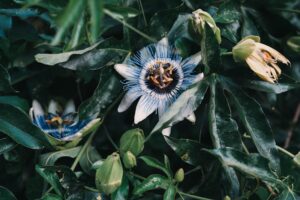
Botanical Description and Taxonomy The term PASSIONFLOWER refers primarily to the species Passiflora incarnata, a vigorous, tendril-climbing vine belonging to the family Passifloraceae. This perennial herb is indigenous to the southeastern United States and various semi-tropical regions across Central and South America, although its adaptability has allowed for its cultivation globally as both a medicinal […]

Read More

SUKRA PRAMEHA

Introduction to Sukra Prameha: A Culture-Bound Syndrome Sukra Prameha stands as a significant example of a culture-bound syndrome, primarily recognized within the socio-cultural landscape of Sri Lanka, particularly among the Sinhalese population. This condition is fundamentally defined by deep-seated anxiety and profound distress centered around the perceived involuntary loss of seminal fluid, known as sukra […]

Read More

SHAMAN

Definition and Etymology The term Shaman refers to a highly respected spiritual leader and practitioner found predominantly within indigenous cultures globally. This individual serves as an intermediary between the mundane human world and the spiritual cosmos, possessing specialized knowledge and supposed magical powers necessary to maintain the psycho-spiritual health of the community. The concept encompasses […]

Read More

SENSIBILIA

Sensibilia: The Objects of Sense Perception The Core Definition of Sensibilia Sensibilia, a term primarily utilized within the philosophy of perception, defines the class of objects or properties that are capable of being sensed, whether or not they are currently being perceived by an observer. Fundamentally, Sensibilia refers to the potential sensory input available in […]

Read More

TOLOACHE

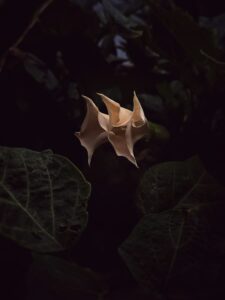
Datura Inoxia (Toloache): A Psychopharmacological and Ethnobotanical Analysis The Core Definition and Mechanism Toloache, scientifically known as Datura inoxia Mill., is a potent medicinal and psychoactive plant native to vast regions including Mexico, Central America, and the Caribbean. While the plant is widely recognized in ethnobotany under common names such as Jimsonweed, Devil’s Weed, and […]

Read More

OPIUM

Opium: Historical Drug and Pharmacological Agent The Nature and Chemistry of Opium: Core Definition Opium is fundamentally a highly potent and naturally occurring psychoactive substance derived from the dried latex or resin of the unripe seed pods of the opium poppy, scientifically known as Papaver somniferum. This resin has been utilized across diverse cultures for […]

Read More

BETEL NUT

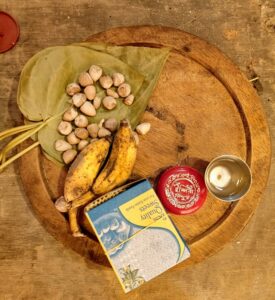
Betel Nut: A Comprehensive Encyclopedia Entry Introduction to Betel Nut The Betel Nut, scientifically known as Areca catechu, is derived from a tropical palm tree that has been cultivated and utilized for centuries across various parts of the world. Predominantly found in the Indo-Pacific region, this versatile botanical has served both medicinal and recreational purposes, […]

Read More

BHANG

Bhang: An Ethnobotanical and Psychosocial Overview Introduction: Unveiling Bhang Bhang represents a unique and ancient preparation derived from the cannabis plant, primarily Cannabis sativa or indica. Unlike many other cannabis products, bhang is traditionally prepared as an edible or potable paste, often mixed into beverages like thandai or consumed as a solid confection. Its deep […]

Read More