Passionflower: Nature’s Botanical Key to Calming Anxiety
Scientifically Reviewed · Dr. Marwa Abd-Alazim · September 5, 2026
Review Criteria & Clinical Standards
This content undergoes rigorous scientific peer-review and medical editorial standards at Arab Psychology Network to ensure clinical accuracy, validity, and compliance with evidence-based guidelines from leading psychological and healthcare authorities (APA / WHO).
Botanical Description and Taxonomy
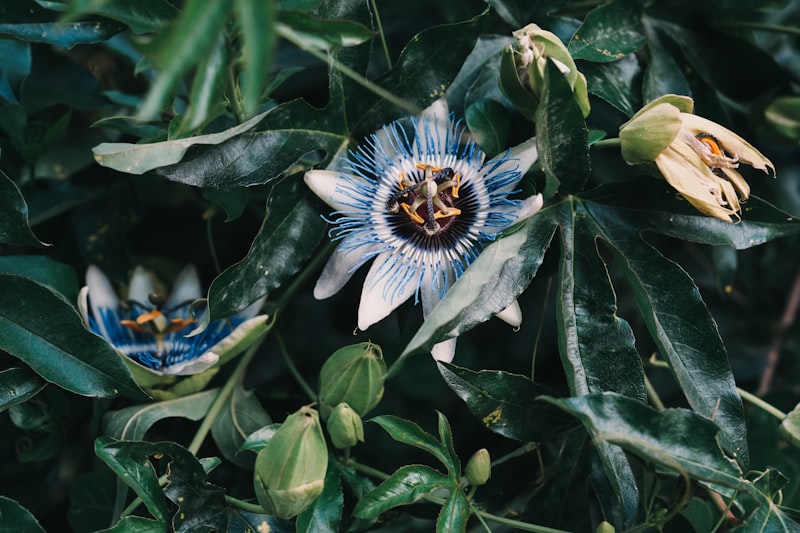
The term PASSIONFLOWER refers primarily to the species Passiflora incarnata, a vigorous, tendril-climbing vine belonging to the family Passifloraceae. This perennial herb is indigenous to the southeastern United States and various semi-tropical regions across Central and South America, although its adaptability has allowed for its cultivation globally as both a medicinal and ornamental plant. Characterized by its deeply lobed, alternate leaves and distinctive, complex flowers, the plant achieves significant growth, often utilizing woody structures or trellises for support as its stems can reach considerable lengths. The morphological complexity of its blossoms is perhaps its most recognizable feature, displaying intricate filaments, prominent anthers, and unique stigma structures that have inspired its symbolic name.
The flowers of Passiflora incarnata are typically large, showy, and range in color from pale lavender to white, often possessing a corona of filaments that exhibit bands of purple and white, creating a striking visual contrast. These blooms are hermaphroditic and highly specialized for pollination, typically relying on large bees or hummingbirds. Following successful fertilization, the plant produces an edible, oval fruit known colloquially as the maypop, which transitions from green to yellow upon ripening. This fruit, while often overlooked in medicinal preparations focused on the aerial parts of the plant (leaves, stems, flowers), represents a key component of the plant’s life cycle and traditional food uses among indigenous populations. The robustness of the root system allows the plant to survive temperate winters, distinguishing it from many strictly tropical species within the Passiflora genus.
Botanically, the medicinal properties are concentrated primarily in the dried or fresh aerial parts—specifically the leaves, flowers, and sometimes the stem—harvested when the plant is in full bloom. It is crucial to differentiate P. incarnata from other ornamental or related species, such as Passiflora caerulea (Blue Passionflower), as the phytochemical composition and resulting pharmacological efficacy can vary significantly. The systematic classification of PASSIONFLOWER within the plant kingdom highlights its evolutionary divergence, possessing unique structural and chemical characteristics that underscore its traditional and modern therapeutic roles, particularly in addressing conditions related to the central nervous system (CNS).
Historical Context and Ethnobotanical Significance
The discovery and naming of PASSIONFLOWER by European explorers in the New World is deeply intertwined with religious symbolism. Spanish missionaries arriving in Peru in the 17th century were captivated by the elaborate structure of the flower, interpreting its various components as symbols representing the Passion of Christ (the Crucifixion). The five petals and five sepals were equated with the ten loyal apostles (excluding Judas and Peter), the corona filaments represented the crown of thorns, the three stigmas symbolized the three nails, and the five anthers represented the five wounds. This powerful symbolic association quickly led to the plant’s widespread documentation and subsequent transport back to Europe, where it was initially revered as a botanical curiosity before its therapeutic benefits were fully recognized.
Long before its European symbolic appropriation, various indigenous cultures throughout the Americas had extensively utilized PASSIONFLOWER for medicinal and dietary purposes. Tribes in North America, including the Cherokee, employed the plant as a calming agent, a poultice for external wounds and inflammation, and as a treatment for conditions involving nervous tension and instability. The traditional uses were highly diverse, spanning from the creation of cooling beverages from the fruit to the application of crushed leaves for localized issues such as boils, burns, and the remediation of hemorrhoids, demonstrating an early understanding of its anti-inflammatory and soothing properties. This extensive history of use provides a strong foundation for contemporary research into its efficacy as a sedative and anxiolytic agent.
The transition of PASSIONFLOWER from an indigenous remedy to a globally recognized phytomedicine occurred gradually throughout the 19th century. During this period, the plant gained significant traction in European and American folk medicine, primarily recognized for its potent ability to treat nervous exhaustion, promote sleep, and manage various forms of pain, including neuralgia. Its entry into official pharmacopoeias reinforced its status as a valuable therapeutic resource, particularly noted for its efficacy in treating spasms, seizures, and other conditions involving involuntary muscle contraction or excessive nervous irritability. This established history confirms that the use of Passiflora incarnata in treating nervous disorders is based on centuries of empirical observation, rather than solely modern pharmacological investigation.
Key Phytochemical Constituents
The therapeutic effectiveness of PASSIONFLOWER is attributed to a complex synergy of various phytochemicals, none of which acts in isolation, but rather contribute collectively to the plant’s overall pharmacological profile. The most studied and significant class of compounds are the flavonoids, which include vitexin, isovitexin, orientin, and chrysin. Vitexin, often considered a primary marker compound, and its derivatives are believed to be largely responsible for the plant’s recognized anxiolytic (anxiety-reducing) effects. These flavonoids act as partial agonists or modulators at certain receptor sites in the central nervous system, contributing significantly to the calming effects without necessarily inducing profound sedation, which differentiates PASSIONFLOWER from many conventional synthetic tranquilizers.
Another critical group of constituents found in Passiflora incarnata are the alkaloids, primarily belonging to the indole group, such as harman, harmaline, harmine, and harmalol. While these compounds, particularly harman and harmaline, are known for their properties as monoamine oxidase inhibitors (MAOIs) in higher concentrations, their presence in standard medicinal preparations of PASSIONFLOWER is typically low. However, the synergistic interaction between these trace alkaloids and the predominant flavonoids is hypothesized to contribute to the overall mood-stabilizing and mildly euphoric effects sometimes reported, though the MAOI activity is generally not considered the primary mechanism for its sedative qualities at typical therapeutic dosages.
Beyond flavonoids and alkaloids, PASSIONFLOWER also contains small amounts of essential oils, cyanogenic glycosides, and maltol, a compound also found in high-temperature processed foods that has demonstrated mild sedative effects. The whole plant extract, therefore, provides a more comprehensive therapeutic action than isolated components might suggest. The complex interplay between compounds like the anxiolytic flavonoid chrysin, which is thought to interact with benzodiazepine receptors, and the mild CNS depressants, is central to its utility in managing generalized anxiety and promoting restorative sleep. This rich biochemical profile necessitates the utilization of extracts derived from the whole plant material to ensure the full spectrum of beneficial compounds is retained for medicinal application.
Pharmacological Mechanisms of Action
The primary recognized pharmacological mechanism underlying the anxiolytic and sedative properties of PASSIONFLOWER involves modulation of the GABAergic system in the brain. Gamma-aminobutyric acid (GABA) is the chief inhibitory neurotransmitter in the mammalian central nervous system, responsible for reducing neuronal excitability. By enhancing the effects of GABA, P. incarnata effectively calms nervous activity, leading to reduced anxiety and improved sleep initiation. Research suggests that certain components, particularly the flavonoids, interact with GABA receptors, similar to benzodiazepines, but generally with a milder affinity and fewer associated side effects, such as dependence or severe cognitive impairment. This interaction facilitates the influx of chloride ions into neurons, hyperpolarizing the cell membrane and making the neuron less likely to fire.
The traditional use of PASSIONFLOWER for treating conditions like seizures or spasms directly correlates with its GABAergic activity. Seizures are characterized by excessive, abnormal electrical activity in the brain, often stemming from an imbalance between excitatory and inhibitory neurotransmission. By potentiating inhibitory signals via GABA enhancement, PASSIONFLOWER helps to stabilize neuronal membranes and reduce the hyperexcitability that precipitates convulsive events. While it is not a primary antiepileptic drug, its historical use as an adjuvant therapy reflects its capacity to dampen neurological hyperactivity, providing a measure of relief in conditions marked by excessive neuromuscular tension and involuntary movements.
Furthermore, the mild inhibition of monoamine oxidase (MAO) by the trace indole alkaloids, though debated in terms of therapeutic significance at standard dosages, may contribute to the plant’s mood-elevating properties. By slowing the breakdown of neurotransmitters like serotonin and dopamine, PASSIONFLOWER may exert a subtle antidepressant effect, complementing its primary anxiolytic action. This multi-faceted mechanism allows PASSIONFLOWER to treat a constellation of symptoms associated with nervous system dysregulation—ranging from physical tension and muscle spasms to psychological distress and insomnia—making it a versatile herbal remedy for chronic stress and associated disorders.
Clinical Applications for Central Nervous System Disorders
One of the most established clinical applications of PASSIONFLOWER is in the management of anxiety disorders and general nervousness. Clinical trials and meta-analyses have supported its efficacy as an anxiolytic comparable to, but milder than, certain pharmaceutical agents. It is frequently prescribed by practitioners for patients suffering from generalized anxiety, situational stress, and acute anxiety attacks, particularly when those conditions manifest with physical symptoms such as tension headaches, muscle tightness, or heart palpitations. Because it tends to exert its calming effect without significant daytime drowsiness in most users, it is often favored over more heavily sedating synthetic drugs, allowing patients to maintain cognitive function while reducing emotional reactivity to stressors.
The treatment of insomnia, particularly difficulty in falling asleep (sleep latency) or maintaining sleep due to racing thoughts or restlessness, is another primary application. PASSIONFLOWER is categorized as a mild hypnotic, meaning it promotes the onset and quality of sleep. Unlike many pharmaceutical sleep aids, extracts of P. incarnata are generally thought to improve sleep architecture, promoting a more natural sleep cycle without the risk of severe morning grogginess or rebound insomnia upon cessation. Its inclusion in numerous proprietary herbal sleep formulations, often combined with other sedatives like valerian or chamomile, attests to its reputation as a reliable, non-habit-forming aid for sleep disturbance resulting from nervous tension.
Beyond anxiety and sleep, PASSIONFLOWER has been investigated for its potential role in managing symptoms of withdrawal from addictive substances, especially opioids and benzodiazepines. While not a standalone treatment, its ability to mitigate anxiety, restlessness, and muscle spasms—key symptoms experienced during withdrawal—offers supportive care. The plant’s historical use in mitigating neurological discomfort, including chronic pain conditions like neuralgia, suggests its efficacy is not limited strictly to emotional regulation but extends to sensory modulation. By calming the hyperactive nerves associated with chronic pain states, PASSIONFLOWER provides a complementary strategy for pain management that addresses the neurological component of discomfort.
Traditional Uses Beyond Sedation
While modern clinical focus heavily emphasizes the neurological benefits of PASSIONFLOWER, its traditional utilization encompassed a much broader range of ailments, reflecting the historical practice of using the whole plant for diverse therapeutic purposes. The original content highlights its application for both interior and exterior medicinal purposes, a distinction often lost in contemporary standardized extract use. Externally, the crushed plant material or decoctions were historically applied as poultices to treat various skin conditions. This included the remediation of localized inflammation, minor burns, and rashes, suggesting inherent anti-inflammatory and antiseptic properties that aid in tissue repair and soothing irritated skin.
The application of PASSIONFLOWER for conditions like hemorrhoids, as noted in the original historical records, speaks to its dual capability as an anti-inflammatory and a mild venotonic. Hemorrhoids involve swollen and inflamed veins in the rectum or anus; traditional application, often as a wash or compress, aimed to reduce localized swelling and provide analgesic relief due to its calming properties. Internally, the plant was also used to treat gastrointestinal issues related to nervous tension, such as irritable bowel syndrome (IBS) or nervous dyspepsia, where stress and anxiety exacerbate digestive motility and discomfort. The antispasmodic action, effective on smooth muscle tissue, helped to relieve intestinal cramping and spasms.
Furthermore, PASSIONFLOWER was traditionally used as a mild cardiac tonic, particularly for individuals experiencing palpitations or tachycardia (rapid heart rate) brought on by anxiety or stress. While it does not directly affect the heart muscle in the manner of established cardiovascular medications, its ability to reduce nervous system arousal indirectly stabilizes heart rhythm and lowers blood pressure associated with stress. These varied traditional uses underscore the concept of PASSIONFLOWER as a general nervine tonic—a substance that supports and restores the nervous system—rather than a single-action sedative, demonstrating its value in holistic health practices where the interconnection between mental state and physical symptoms is recognized.
Cultivation, Preparation, and Modern Utilization
As a plant with significant ornamental appeal, PASSIONFLOWER is widely cultivated outside its native range. It is prized in horticulture for its beautiful, complex flowers and its vigorous, yet manageable, climbing habit. Successful cultivation requires well-drained soil and adequate sunlight, and while P. incarnata is native to semi-tropical zones, it demonstrates remarkable hardiness, often dying back to the ground in colder climates but resuming growth rapidly in the spring. Commercial cultivation for medicinal purposes focuses on maximizing the yield of the aerial parts, which are typically harvested during the summer months when the concentration of active flavonoids is at its peak, ensuring maximum therapeutic potency for subsequent processing.
Modern medicinal utilization involves several preparation forms, allowing practitioners flexibility in dosing and administration. The most common preparations include dried herb extracts, tinctures (hydroalcoholic solutions), and teas.
- Teas and Infusions: The dried leaves and flowers are steeped in hot water. This traditional method is suitable for mild anxiety or before bedtime, providing a soothing, gentle effect.
- Tinctures: These concentrated liquid extracts allow for precise sublingual dosing and rapid absorption, making them ideal for acute anxiety or spasms.
- Standardized Extracts: Often encapsulated, these products ensure a consistent concentration of key marker compounds, such as vitexin, providing reliability in clinical settings.
In the food and beverage industry, PASSIONFLOWER extracts are vital components in many herbal teas and relaxation beverages, owing to their pleasant, mild flavor and established reputation for calming effects. The commitment to producing clean, high-quality extracts is paramount, particularly due to the presence of trace alkaloids, necessitating stringent quality control measures to ensure that commercially available products are safe and reliably effective for therapeutic use in managing chronic stress and promoting nervous system balance.
Safety Profile and Contraindications
The safety profile of PASSIONFLOWER is generally favorable when used appropriately and within established dosage guidelines. It is classified as an herb with a low incidence of adverse effects, which are usually mild and transient, such as minor dizziness, confusion, or slight drowsiness, particularly when higher doses are first introduced. However, the presence of certain active compounds mandates careful consideration regarding potential drug interactions and specific contraindications, ensuring that its therapeutic benefits are maximized without compromising patient safety.
Crucially, due to its action on the central nervous system, PASSIONFLOWER should be used with caution when combined with other substances that produce sedation.
- CNS Depressants: Concurrent use with pharmaceutical sedatives, anxiolytics (like benzodiazepines), or alcohol may potentiate the effects of these substances, leading to excessive drowsiness, impaired coordination, or profound sedation.
- MAO Inhibitors: Although the MAOI effect of the trace alkaloids is typically low, caution is advised if the patient is already taking prescribed MAOI medications, as there is a theoretical risk of synergistic interaction.
- Anticoagulants: Some data suggest that PASSIONFLOWER may possess mild antiplatelet effects, warranting caution in patients taking blood thinners, although this interaction is considered relatively minor compared to other herbal supplements.
Furthermore, PASSIONFLOWER is typically contraindicated during pregnancy and breastfeeding. While human data is limited, animal studies have suggested that some constituents may potentially stimulate uterine contractions. Therefore, pregnant women are advised to avoid its use. Patients undergoing surgery should discontinue use at least two weeks prior to the procedure due to the potential for interaction with anesthetic agents. Consultation with a healthcare provider is essential before incorporating PASSIONFLOWER into a therapeutic regimen, especially for individuals with pre-existing medical conditions or those concurrently taking prescription medications.