Ergot Alkaloids: Unlocking the Chemistry of the Mind
Scientifically Reviewed · Dr. Marwa Abd-Alazim · October 15, 2026
Review Criteria & Clinical Standards
This content undergoes rigorous scientific peer-review and medical editorial standards at Arab Psychology Network to ensure clinical accuracy, validity, and compliance with evidence-based guidelines from leading psychological and healthcare authorities (APA / WHO).
The Core Definition of Ergot Alkaloids
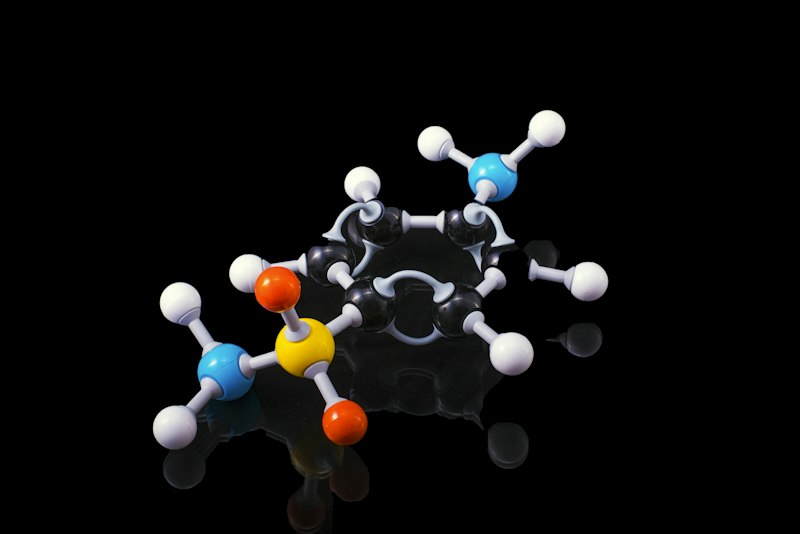
Ergot alkaloids represent a diverse class of complex chemical compounds derived primarily from the ergot fungus, most notably Claviceps purpurea, which grows parasitically on various grasses, predominantly rye and wheat. Functionally, these compounds are typically categorized as ergoline derivatives, characterized by a tetracyclic core structure that confers significant biological activity, particularly within mammalian central and peripheral nervous systems. The fundamental principle governing their mechanism is their structural similarity to key endogenous neurotransmitters, allowing them to act as agonists, partial agonists, or antagonists at various receptor sites. This structural mimicry is responsible for the wide spectrum of effects observed historically and clinically, ranging from potent uterotonic actions to profound psychoactive and vasoconstrictive properties.
The core chemical mechanism relies on the interaction with receptors belonging to the dopamine, serotonin (5-HT), and norepinephrine systems. Because these receptors regulate crucial physiological functions—including mood, vascular tone, and uterine contraction—the introduction of ergot alkaloids can induce powerful and sometimes dangerous systemic changes. Modern pharmacology classifies the hundreds of known ergot alkaloids based on their chemical composition, dividing them generally into two major groups: the water-soluble amides of lysergic acid, such as ergonovine, and the less soluble peptide alkaloids, such as ergotamine. Understanding this distinction is vital, as it dictates their primary clinical use and potential toxicity profiles.
The primary importance of these compounds in neuropharmacology stems from their ability to cross the blood-brain barrier and exert influence over central nervous system signaling pathways. They do not merely exert a single effect; rather, they modulate multiple neurotransmitter pathways simultaneously, leading to the highly complex and often unpredictable clinical outcomes that necessitated strict medical supervision for their use. This complexity has driven extensive research into developing synthetic and semi-synthetic derivatives that retain the therapeutic benefits while mitigating the severe and potentially life-threatening side effects historically associated with natural ergot exposure.
Historical Discovery and Early Uses
The history of ergot alkaloids is intertwined with the history of the fungus itself, dating back centuries to periods when uncontrolled ingestion led to devastating epidemics. Before their chemical isolation, the effects of ergot were known through the disease state called ergotism, historically known as St. Anthony’s Fire, which involved intense physical suffering characterized by painful muscle spasms (convulsive ergotism) or severe peripheral vasoconstriction leading to gangrene (gangrenous ergotism). These widespread outbreaks, particularly prominent during periods of poor grain quality in the Middle Ages, underscore the potent biological activity of the naturally occurring compounds.
The transition from recognizing a poison to isolating a medicine began in the late 19th century. Although the use of crude ergot extracts to expedite childbirth and control post-delivery bleeding was documented earlier, it was the pioneering work of French chemist Louis-Nicolas Vauquelin who is credited with the first isolation of an alkaloid fraction from the fungus in 1875. This initial step paved the way for more sophisticated chemical analysis. The early 20th century marked the true medical integration of purified ergot compounds. Specifically, ergotamine was introduced for the treatment of severe headaches, and ergonovine found widespread use in obstetrics to induce labor and, more critically, to manage postpartum hemorrhage, a leading cause of maternal mortality at the time.
Despite their efficacy in treating conditions such as migraines, psychosis, and Parkinson’s disease—as was attempted in early trials—the therapeutic dominance of ergot alkaloids diminished significantly in the latter half of the 20th century. This decline was primarily due to the development of synthetic pharmaceuticals that offered greater specificity, reduced toxicity profiles, and more reliable dosing. While they remain essential in specific clinical niches, their widespread use has been curtailed by the risk of severe adverse effects, emphasizing the ongoing pharmaceutical imperative to balance therapeutic benefit against inherent chemical risks.
Complex Pharmacological Mechanisms
The pharmacological profile of ergotamine and its counterparts is remarkably complex due to their non-selective actions across several critical neurotransmitter systems. Structurally resembling neurotransmitters like dopamine, noradrenaline, and serotonin, ergot alkaloids interact broadly with various receptor subtypes. For instance, many ergot derivatives act as potent partial agonists at 5-HT1B and 5-HT1D receptors, which are crucial in regulating cranial blood vessel tone. This agonist activity leads directly to the primary desired effect in headache treatment: the constriction of dilated blood vessels.
Furthermore, these compounds significantly affect the dopaminergic system. Certain ergot derivatives, particularly those studied for Parkinson’s disease treatment, exhibit D2 receptor agonism, mimicking the effects of dopamine in the basal ganglia. While this mechanism offered potential therapeutic routes, the concomitant action on other systems often led to unacceptable side effects. Crucially, the non-selective agonism at alpha-adrenergic receptors contributes heavily to the potent vasoconstriction observed throughout the body, not just in the cranial vasculature. This systemic vasoconstriction is the double-edged sword of ergot alkaloid pharmacology, providing migraine relief but posing a severe risk of peripheral ischemia.
In obstetric contexts, the mechanism is centered on the smooth muscle of the uterus. Compounds like ergonovine act as powerful uterotonic agents, causing sustained, forceful contractions. This action is critical for compressing blood vessels within the uterine wall after childbirth, thereby preventing excessive bleeding. The rapid onset and sustained nature of this muscular contraction, mediated through specific receptor interactions, highlights how a single class of compounds can exert vastly different clinical effects depending on the target organ system—be it the brain, the peripheral vasculature, or the smooth muscle tissue of the reproductive system.
Primary Therapeutic Applications
The clinical utility of ergot alkaloids today is highly specialized and generally reserved for specific conditions where their broad mechanism of action provides unique benefits. One of the longest-standing and most recognized uses is the acute treatment of severe headaches, specifically migraines and cluster headaches. Ergotamine tartrate, often combined with caffeine to enhance absorption and efficacy, remains a vital abortive therapy for patients who do not respond adequately to newer, more selective triptans. Its efficacy stems from its comprehensive action on 5-HT receptors and its ability to forcefully constrict the pain-generating dilated cerebral vessels, thereby halting the progression of the migraine attack.
In the field of obstetrics, ergonovine (or its semi-synthetic analog, methylergonovine) is considered indispensable for managing and preventing hemorrhage immediately following childbirth or abortion. The sustained and powerful uterine contractions induced by ergonovine are unmatched in their ability to mechanically compress ruptured blood vessels in the myometrium, significantly reducing blood loss and saving maternal lives. While its use during labor induction has decreased due to safety concerns regarding fetal oxygenation, its role in preventing uterine atony post-delivery remains a cornerstone of emergency obstetric care worldwide.
Beyond these established uses, ergot compounds have also been investigated for their potential in neurodegenerative diseases. Early research explored their dopamine receptor agonism as a potential treatment strategy for Parkinson’s disease, aiming to compensate for lost dopamine function. However, the high incidence of peripheral side effects and the advent of highly selective dopamine agonists and other treatments have largely relegated ergot derivatives in this field to historical footnotes. Nevertheless, the study of their complex interactions provided foundational knowledge instrumental in the subsequent development of focused neuropharmacological agents.
Case Study: Ergotamine in Migraine Management
To illustrate the application of ergot alkaloids, consider the clinical scenario involving the acute treatment of a debilitating migraine attack using ergotamine. The typical patient experiencing a severe migraine often presents with throbbing unilateral pain, photophobia, and nausea. Current neurovascular theories posit that this pain is associated with the dilation and inflammation of arteries surrounding the brain, particularly those innervated by the trigeminal nerve system. The therapeutic goal is therefore the rapid and effective reversal of this vasodilation and associated inflammatory cascade.
The application process begins when the patient takes the prescribed ergotamine formulation shortly after the onset of the migraine aura or pain. Step one involves the absorption of the drug into the bloodstream, where it quickly accesses the vascular beds. Step two is the binding of ergotamine—a non-selective agent—to various serotonin receptor subtypes (5-HT1B and 5-HT1D) located on the smooth muscle of the cranial blood vessels. This binding acts as an immediate signal for vasoconstriction, effectively shrinking the dilated arteries back towards their normal diameter.
Step three involves the simultaneous action on the trigeminal system. By binding to these receptors, ergotamine helps inhibit the release of neuropeptides, such as calcitonin gene-related peptide (CGRP), which are responsible for pain transmission and perpetuating inflammation. The combination of vascular constriction and the suppression of neurogenic inflammation results in step four: the successful termination or significant reduction of the migraine pain within one to two hours. This example clearly demonstrates how the compound’s dual action—both vascular and neuronal—makes it a powerful intervention, though its non-selectivity means that the patient must be carefully monitored for signs of excessive systemic vasoconstriction.
Safety, Toxicity, and Potential for Misuse
While therapeutically valuable, the non-selective activity of ergot alkaloids mandates a careful assessment of their safety profile and significant risk of toxicity. Common side effects are generally gastrointestinal and neurological, including nausea, vomiting, dizziness, and dry mouth, reflecting their broad interaction with central receptors. Far more concerning, however, are the cardiovascular risks. Due to potent alpha-adrenergic agonism, these compounds can cause severe, life-threatening vasoconstriction, particularly in the extremities. Chronic or excessive dosing can lead to ischemic complications, culminating in tissue damage, peripheral numbness, and, in extreme cases, gangrene, mimicking the symptoms of historical gangrenous ergotism.
A separate, but equally serious, concern in clinical practice is the potential interaction with other serotonergic drugs, which can precipitate Serotonin Syndrome. Since ergot derivatives are already highly active at serotonin receptors, combining them with selective serotonin reuptake inhibitors (SSRIs), triptans, or other psychoactive agents can lead to an overwhelming excess of serotonergic activity. This syndrome is characterized by a triad of symptoms: autonomic hyperactivity (high fever, sweating), neuromuscular abnormalities (muscle rigidity, tremors), and altered mental status (confusion, agitation), requiring immediate medical intervention.
Furthermore, the structural relationship of certain ergot derivatives to potent psychedelics, particularly Lysergic Acid Diethylamide (LSD)—a semi-synthetic compound derived from lysergic acid—highlights the compounds’ potential for recreational misuse. Historically, crude ergot extracts were consumed to induce visual and auditory hallucinations. While medicinal use is strictly controlled, the inherent psychedelic properties stemming from their complex interaction with the 5-HT2A receptor mean that these compounds must only be administered under rigorous medical supervision to prevent accidental overdose, chronic toxicity, or deliberate recreational abuse leading to severe physical and mental distress.
Chemical Classification and Related Compounds
Ergot alkaloids belong to the broader category of Pharmacology and Natural Products Chemistry, specifically within the realm of medicinal chemistry due to their complex structure and potent biological activity. The entire class is unified by the presence of the ergoline ring system, but they are typically subdivided based on the side chains attached to this core structure. The two main groups are the simple amides of lysergic acid (e.g., ergonovine) and the peptide alkaloids (e.g., ergotamine, ergocristine), which are formed by linking lysergic acid to a complex tripeptide chain.
The crucial relationship linking ergot pharmacology to psychology and neurochemistry lies in the lysergic acid moiety. Lysergic acid is the parent compound for the powerful semi-synthetic hallucinogen, LSD. The discovery and synthesis of LSD by Albert Hofmann in 1938 originated from his research attempting to find new medical applications for the ergotamine skeleton. This connection underscores the profound psychoactive potential inherent in the ergoline structure, demonstrating that minor chemical modifications can shift a compound from a uterotonic agent to one of the most powerful known psychedelic substances affecting human consciousness via serotonin pathways.
Related concepts often discussed alongside ergot alkaloids include the triptans (e.g., sumatriptan), which are modern, highly selective agonists for the 5-HT1B/1D receptors developed specifically to treat migraines without the systemic vasoconstrictive risks of the older ergot compounds. Although triptans have largely replaced ergotamine as first-line therapy, their entire mechanism of action is derived from the initial understanding of how ergot alkaloids modulate vascular tone. Thus, the study of ergot alkaloids laid essential groundwork for modern targeted neurovascular treatments, cementing their importance not just for their current clinical uses but for their foundational role in rational drug design.