Eumorphic Psychology: The Science of Ideal Body Proportions
Scientifically Reviewed · Dr. Marwa Abd-Alazim · October 17, 2026
Review Criteria & Clinical Standards
This content undergoes rigorous scientific peer-review and medical editorial standards at Arab Psychology Network to ensure clinical accuracy, validity, and compliance with evidence-based guidelines from leading psychological and healthcare authorities (APA / WHO).
Core Definition and Psychological Context
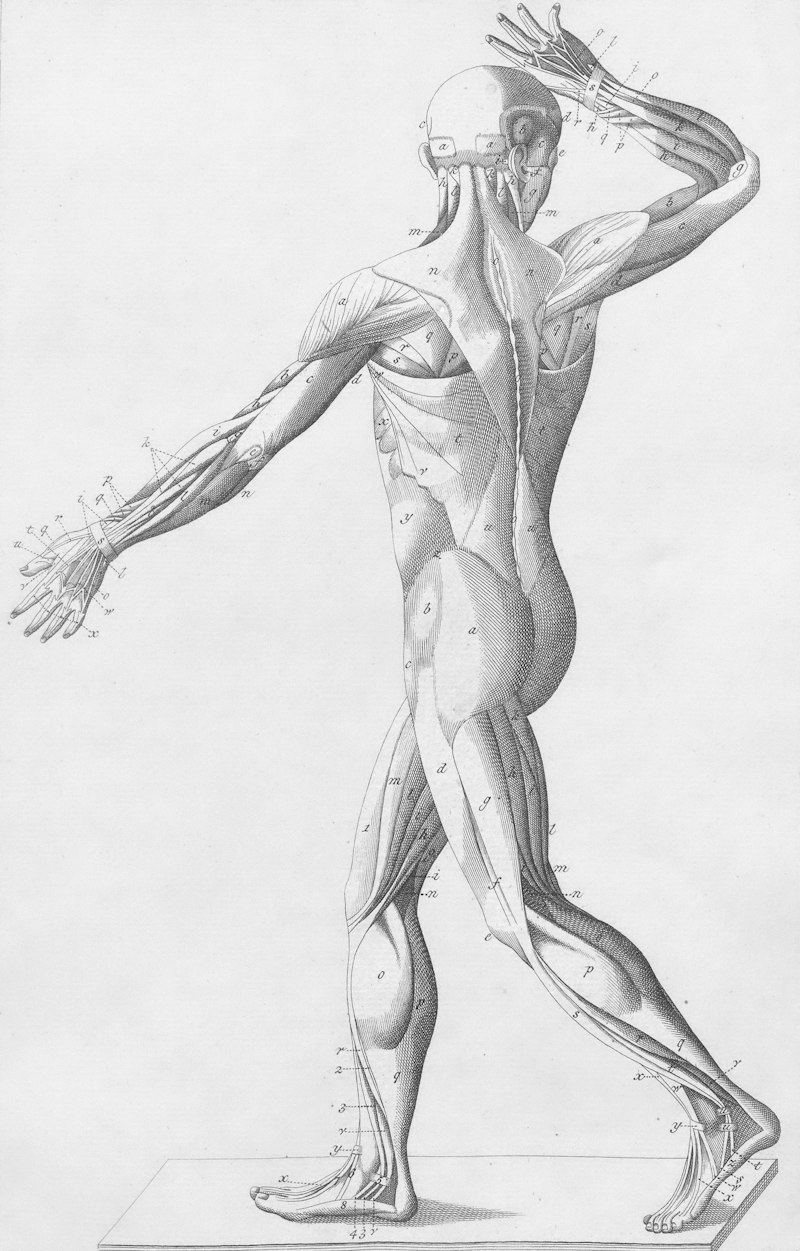
The term “eumorphic” originates from Greek roots meaning “good form” or “well-shaped,” and within the context of psychology, anatomy, and health sciences, it is employed to describe a body morphology characterized by aesthetically pleasing proportions that are often associated with optimal health and vitality. Specifically, a body shape deemed eumorphic is typically defined as soft, balanced, and curvilinear, where mass is distributed in a manner that favors the lower body (gynoid fat distribution) over the abdominal area (android fat distribution). This concept moves beyond simple weight measurements, focusing instead on the geometry and distribution of adipose tissue and muscle mass, which are crucial indicators of metabolic health and reproductive fitness. The psychological interest in eumorphism stems from its profound influence on social perception, perceived attractiveness, and the individual’s internalized sense of body image and self-worth.
The fundamental mechanism underlying the psychological relevance of the eumorphic shape lies in evolutionary signaling. Body shapes that align with eumorphic criteria often statistically correlate with hormonal profiles and fat distribution patterns conducive to long-term health and, historically, fertility. For instance, a proportional distribution of fat, characterized by a smaller waist relative to the hips, suggests lower levels of visceral fat, which is metabolically detrimental, and higher levels of subcutaneous fat, which is generally considered less dangerous. This quantifiable physical reality translates into a strong, often subconscious, social signal of robustness and reproductive capability, leading to its cross-cultural association with physical appeal.
Furthermore, the concept serves as a critical anchor in understanding the development of body satisfaction. In societies where certain body shapes are culturally idealized, individuals whose morphology aligns closely with the eumorphic standard often report higher levels of self-esteem and reduced incidence of body dissatisfaction or related eating disorders, as documented in various studies focusing on college-aged populations. The perception of one’s body as “well-formed” or “eumorphic” thus acts as a psychological protective factor against negative self-perception driven by societal pressures regarding appearance.
Historical Origins of the Eumorphic Concept
The formal conceptualization of eumorphism traces back to the mid-19th century, specifically to the work of the influential German anatomist and physiologist, Johannes Peter Müller. In 1844, Müller introduced the term within his anatomical descriptions to define what he considered the ideal, harmoniously proportioned female physique. This initial usage was rooted in classical anatomical ideals and artistic standards, attempting to provide a scientific framework for aesthetic appreciation of the human form, moving beyond mere subjective judgment toward measurable, objective proportions deemed universally pleasing.
While Müller’s initial work was purely descriptive and anatomical, the concept lay relatively dormant within psychological and health research until the latter half of the 20th century, when researchers began to quantify the links between body shape, health outcomes, and perceived attractiveness. The historical shift involved translating the subjective notion of “ideal form” into objective, measurable anthropometric data, primarily focusing on ratios that indicate where fat is stored. This transition was crucial for moving eumorphism from an aesthetic theory into a practical, testable hypothesis within the emerging fields of public health and social psychology.
The most significant historical development was the realization that the proportions Müller described—those characterized by softer curves and a narrow waist—were not merely aesthetic preferences but were significantly correlated with favorable biological markers. This provided an evolutionary and medical justification for the concept, suggesting that the perceived beauty of the eumorphic shape is a proxy for underlying biological fitness. This historical context underscores the interdisciplinary nature of eumorphism, linking classical anatomy to modern biometric analysis and psychological perception.
The Role of Anthropometric Measures: BMI and WHR
In contemporary psychological and medical research, the determination of a eumorphic shape relies heavily on precise anthropometric measurements rather than subjective assessment. The two most critical and widely utilized indices for quantifying the shape associated with eumorphism are the Body Mass Index (BMI) and the Waist-to-Hip Ratio (WHR). These tools allow researchers to categorize body types and study their associated health and psychological outcomes in a standardized manner. A body shape trending toward eumorphism typically exhibits a lower BMI, indicating a weight appropriate for height, and crucially, a low WHR, which signifies the characteristic hourglass or pear shape that involves relatively narrow waist circumference compared to the hip circumference.
The significance of the WHR cannot be overstated in defining eumorphism. A WHR value generally around 0.7 (for women) is often cited as the ratio most strongly associated with attractiveness and healthy endocrine function, reflecting a pattern where fat storage is primarily subcutaneous and gynoid (around the hips and thighs) rather than visceral and android (around the abdomen). Studies consistently show that deviations toward a higher WHR (an “apple” shape) correlate with increased health risks, even when overall BMI is within a normal range. Thus, while low BMI is a necessary component for a healthy eumorphic profile, the WHR is the decisive factor defining the shape’s geometric and metabolic advantage.
Researchers utilize these quantifiable parameters to conduct cross-cultural studies, confirming that the psychological preference for proportional body shapes is not purely arbitrary but is deeply rooted in biological signaling. The presence of a low WHR signals hormonal balance, particularly favorable estrogen profiles, which historically correlate with peak fertility and resilience against chronic diseases. The precision offered by BMI and WHR allows clinicians and researchers to move beyond vague qualitative assessments, providing objective metrics for assessing health risk and for understanding the formation of aesthetic judgments in various populations.
Eumorphic Shape and Perceived Attractiveness
One of the most widely studied aspects of the eumorphic body shape is its profound correlation with perceived attractiveness. Numerous psychological studies across diverse cultural settings have established that individuals possessing body shapes characterized by balanced curves and the optimal WHR are consistently rated as more attractive than those with non-eumorphic morphologies. This perception is not merely a modern cultural construct but is believed to be an evolved psychological mechanism designed to identify potential mates with high reproductive value and optimal health status. The soft, curvy, and balanced appearance is interpreted subconsciously as an indicator of a healthy hormonal environment and effective energy regulation.
Research has shown that this perception of attraction is complex and involves the integration of multiple visual cues. While overall body weight, captured by BMI, plays a role, the distribution of that weight, quantified by the WHR, often holds greater predictive power regarding attractiveness ratings. For example, studies using computer-generated images where BMI is held constant but WHR is manipulated clearly demonstrate a strong preference for figures exhibiting the lower, eumorphic WHR. This suggests that the human visual system is highly attuned to these specific geometric ratios as proxies for underlying biological quality, validating the aesthetic criteria implicitly defined by the eumorphic concept.
Furthermore, the psychological impact extends beyond mere initial attraction. The positive social feedback received by individuals conforming to the eumorphic standard often contributes to a reinforcing loop of positive self-regard. This relationship between physical form and social validation highlights why body image interventions often struggle; the ideal shape carries both an intrinsic biological signal of health and an extrinsic social signal of desirability. Understanding this powerful link is essential for addressing issues related to body dysmorphia and societal pressure surrounding appearance.
Clinical Significance and Health Correlates
The study of eumorphic body shapes has significant clinical relevance, primarily because the anatomical proportions that define this concept are intrinsically linked to superior metabolic health profiles. The storage of fat predominantly in the lower body (gynoid distribution) associated with eumorphism is metabolically protective compared to the storage of fat around the internal organs of the abdomen (android distribution). Visceral fat is highly active, releasing inflammatory cytokines and free fatty acids directly into the portal circulation, which severely impairs insulin sensitivity and increases systemic inflammation. The eumorphic distribution minimizes this dangerous visceral fat storage.
Consequently, a strong association has been observed between eumorphic morphology and a reduced risk of serious health conditions. Studies have demonstrated that individuals with these body proportions experience a significantly lower incidence of cardiovascular disease (CVD) and metabolic syndrome. Metabolic syndrome is a cluster of conditions—including high blood pressure, high blood sugar, excess body fat around the waist, and abnormal cholesterol levels—that collectively increase the risk of heart disease, stroke, and type 2 diabetes. The eumorphic shape, by favoring subcutaneous over visceral fat, directly mitigates the central obesity component of this syndrome.
Beyond direct physiological protection, the correlation between eumorphism and health also extends to behavioral factors. Research suggests that individuals who naturally possess or maintain a eumorphic body shape often exhibit healthier lifestyle habits, including higher levels of physical activity and more balanced dietary practices. While this association may be complex—potentially influenced by self-monitoring or social reinforcement—the overall outcome is a profile of enhanced well-being, confirming that the “good form” described by Müller centuries ago is indeed a powerful indicator of long-term physical resilience and health.
Practical Illustration of Body Shape Perception
To practically illustrate the concept of eumorphism, consider two fictional individuals, Sarah and Emily, both of whom are the same height and overall weight, resulting in an identical BMI of 23.0, which falls within the healthy range. However, their fat distribution differs significantly, leading to distinct body shapes and psychological outcomes rooted in the eumorphic ideal.
Scenario 1: Sarah (Eumorphic Profile). Sarah measures a waist circumference of 28 inches and a hip circumference of 40 inches. Her WHR is 0.70 (28/40). This low ratio signifies a classic proportional, hourglass figure, indicative of gynoid fat distribution. Psychologically, Sarah is likely to experience high levels of body satisfaction, as her shape aligns with both aesthetic ideals and biological markers of health. In a social context, she would be perceived as having a highly attractive and robust physique, leading to positive social reinforcement and potentially higher self-esteem related to her physical appearance. Medically, her low WHR indicates a lower risk of abdominal obesity-related conditions like type 2 diabetes and cardiovascular disease.
Scenario 2: Emily (Non-Eumorphic Profile). Emily measures a waist circumference of 35 inches and a hip circumference of 40 inches. Her WHR is 0.875 (35/40). Despite having the same healthy BMI as Sarah, Emily’s shape is more android (“apple-shaped”), meaning a greater proportion of her fat is stored viscerally around the abdomen. From a health perspective, Emily faces a statistically increased risk for metabolic syndrome compared to Sarah, even without being clinically overweight. Psychologically, even with a technically healthy BMI, Emily may suffer from lower body image satisfaction because her shape deviates from the culturally and biologically preferred eumorphic proportions, potentially leading to anxiety regarding her appearance and health, despite achieving a “normal” weight status. This illustration demonstrates that eumorphism is fundamentally a concept of fat distribution quality, not just quantity.
Connections to Body Image and Related Concepts
The concept of eumorphism is deeply interconnected with several core areas of psychological study, most notably Body Image, Self-Esteem, and the broader fields of Health Psychology and evolutionary social psychology. Eumorphism acts as a measurable benchmark against which individuals often evaluate their own physical form. When an individual perceives their body shape to align with the eumorphic ideal—characterized by proportional balance and a favorable WHR—they typically report higher levels of body satisfaction and self-worth. Conversely, significant deviations from this ideal are frequently linked to body dissatisfaction, disordered eating thoughts, and generalized anxiety regarding physical appearance, irrespective of actual clinical weight status.
In the context of health psychology, eumorphism is crucial because it bridges the gap between physical aesthetics and objective health risks. The knowledge that a specific body geometry (the eumorphic shape) is protective against major diseases like cardiovascular disease and metabolic disorder provides a clinically significant reason for promoting healthy fat distribution, shifting the focus away from simple weight loss toward targeted body composition improvements. This perspective is vital in developing effective public health campaigns and therapeutic interventions that emphasize overall well-being and visceral fat reduction rather than purely cosmetic goals.
Furthermore, eumorphism relates closely to theories of social comparison and attractiveness signaling within evolutionary psychology. It provides a biological underpinning for cultural standards of beauty, suggesting that the preference for soft, balanced, and low-WHR figures is an adaptation that historically maximized the chances of selecting healthy and fertile mates. Understanding the psychological principles that drive the perception and valuation of eumorphic characteristics is essential for analyzing media influence, understanding peer pressure dynamics, and developing therapeutic strategies aimed at improving an individual’s relationship with their physical self.