Auditory Perception: How Your Ears Shape Your Reality
Scientifically Reviewed · Dr. Marwa Abd-Alazim · August 31, 2026
Review Criteria & Clinical Standards
This content undergoes rigorous scientific peer-review and medical editorial standards at Arab Psychology Network to ensure clinical accuracy, validity, and compliance with evidence-based guidelines from leading psychological and healthcare authorities (APA / WHO).
Introduction and Definition
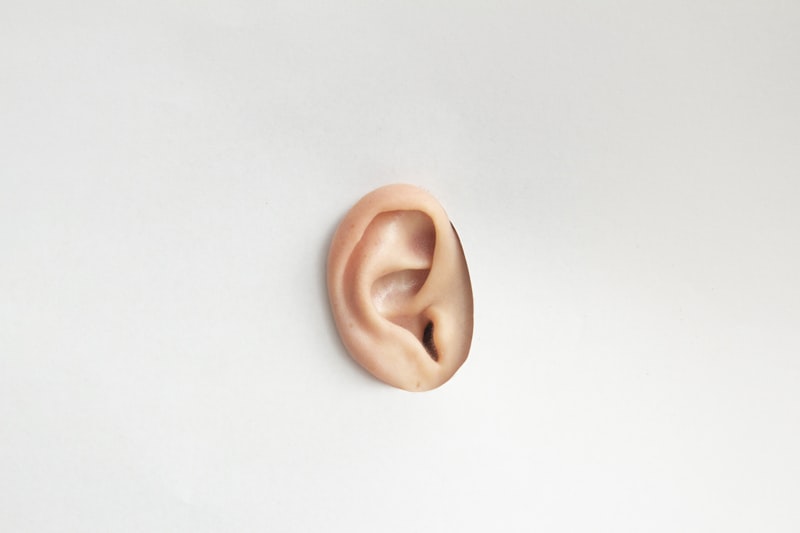
The External Auditory Meatus (EAM), known universally by its synonyms the auditory canal or the ear canal, represents the essential anatomical conduit responsible for channeling acoustic energy from the atmosphere, collected by the auricle, inward to the sensitive structures of the middle ear. This specialized, tubular pathway spans the distance from the concha of the external ear to the tympanic membrane (eardrum), which acts as the physiological boundary separating the external ear from the middle ear cavity. Functionally, the EAM is critical not only for sound transmission but also for protection and acoustic tuning. It ensures that mechanical vibrations of sound are efficiently delivered to the tympanic membrane, initiating the chain of events that leads to auditory perception. In the average adult, the EAM measures approximately 2.5 to 3.5 centimeters in length and is characterized by a distinctive S-shaped curvature that serves both to impede the entry of foreign material and to optimize the acoustic properties of the pathway.
The EAM is not simply a passive channel; its morphology and dimensions are finely tuned to enhance auditory function. By acting as a quarter-wave resonator, the canal selectively amplifies sound frequencies critical for human communication, typically those falling within the 2,000 to 5,000 Hertz range, providing a significant gain of up to 15 decibels. This natural amplification is indispensable for increasing the effective pressure exerted on the tympanic membrane, helping to overcome the inherent acoustic impedance mismatch between the air of the external environment and the fluid-filled spaces of the inner ear. Consequently, any alteration to the EAM’s geometry or patency, whether due to congenital issues, trauma, or disease, directly compromises the initial stage of the hearing process, leading to conductive hearing deficits.
The structure of the EAM is strategically segmented to maximize both flexibility and rigidity, reflecting its dual requirement for protection and precise acoustic function. It is composed of a lateral, flexible cartilaginous portion and a medial, rigid osseous portion, which is formed by the temporal bone. The lining of the outer portion is specialized, housing glands that secrete cerumen, an oily, protective substance vital for maintaining health and self-cleaning the canal. Understanding the distinct anatomical features and the protective mechanisms inherent in the EAM is foundational to the diagnosis and treatment of otological conditions, as many common ear complaints originate within this highly exposed yet crucial structure.
Anatomical Structure and Segmentation
The anatomical structure of the EAM displays remarkable heterogeneity, defined by its two principal segments. The lateral one-third of the canal is structurally supported by elastic cartilage, continuous with the framework of the auricle, and is thus referred to as the cartilaginous meatus. The cartilaginous walls are incomplete superiorly, featuring fissures (fissures of Santorini) filled with fibrous tissue, which lend a degree of mobility and flexibility to this outer segment. The skin lining this region is relatively thick and possesses abundant accessory structures, including large hair follicles, sebaceous glands, and the specialized apocrine glands known as ceruminous glands. This rich dermal structure is the site of cerumen production and is crucial for the canal’s protective function, trapping debris and providing antimicrobial defense. The inherent flexibility of the cartilaginous segment facilitates the manipulation of the pinna required during otoscopic examination.
The medial two-thirds of the EAM is the osseous meatus, a rigid, fixed tunnel encased within the tympanic part of the temporal bone. This bony segment is narrower than the cartilaginous portion, and the junction between the two segments often marks the narrowest point of the entire canal, referred to as the isthmus. The skin lining the bony canal is extremely thin, tightly bound to the underlying periosteum, and entirely devoid of hair follicles and ceruminous glands. This thin, highly adherent dermal layer is exquisitely sensitive; any swelling or inflammation, such as that caused by infection, rapidly leads to significant pain because there is no subcutaneous tissue to absorb the pressure. The rigidity of the osseous meatus is necessary to provide a stable acoustic pathway for the efficient transmission of sound vibrations to the tympanic membrane, which is suspended within the tympanic sulcus at the terminus of this bony tunnel.
The characteristic S-shape of the entire auditory meatus is a result of the differing angles of its two segments. The cartilaginous part generally runs inward, forward, and slightly upward, while the bony part turns inward, backward, and slightly downward. This serpentine configuration acts as a physical barrier against the intrusion of foreign objects and moisture. Clinically, the difference in the two segments is paramount: the flexibility of the outer cartilaginous segment allows for the traction required to straighten the canal for visualization, while the sensitivity and rigidity of the inner bony segment mandate careful instrument handling to avoid painful contact or trauma. Pathology often respects this division; infections of the outer canal are typically more diffuse and less painful than those confined to the bony segment, where swelling rapidly occludes the narrow passage.
Histology and Protective Mechanisms
The histological features of the EAM skin are specialized to create a dynamic, self-maintaining protective system. The skin of the cartilaginous portion is characterized by a dense population of adnexal structures, most notably the ceruminous glands, which are highly modified apocrine sweat glands. These glands secrete a thick, yellowish fluid rich in lipoproteins and lipids. Intermixed with these are the sebaceous glands, which secrete sebum, a waxy, oily substance. The combination of these two secretions, along with shed epithelial cells and dust, forms cerumen, or earwax, which is the primary protective agent of the external ear.
Cerumen is functionally crucial, providing three distinct protective roles. Firstly, its high lipid content renders the EAM skin surface hydrophobic, creating a natural waterproofing barrier that prevents the maceration of the thin canal skin, especially in humid or aquatic environments. Secondly, the sticky consistency of cerumen acts as a mechanical defense, physically trapping airborne dust, particulate matter, and small insects, thereby preventing them from reaching the delicate tympanic membrane. Thirdly, cerumen exhibits significant antimicrobial properties; it contains protective enzymes, such as lysozyme, and immunoglobulins, and its composition helps maintain an acidic pH (typically between 4 and 5), which actively inhibits the colonization and proliferation of pathogenic bacteria and fungi, notably deterring the growth of organisms responsible for otitis externa.
The EAM possesses an ingenious, autonomous self-cleaning mechanism driven by epithelial migration. The skin lining the canal is not static; epithelial cells generated near the umbo of the tympanic membrane gradually migrate outward toward the external orifice. This slow, continuous movement acts like a conveyor belt, carrying accumulated cerumen, trapped debris, and shed keratinocytes out of the canal naturally. This migratory process is subtly assisted by movements of the temporomandibular joint during mastication and speech, which deform the cartilaginous meatus and facilitate the outward propulsion of the cerumen plug. When this natural migratory process is disrupted—most commonly by the inappropriate use of cotton swabs which push cerumen inward past the isthmus or compress it against the eardrum—it results in cerumen impaction, necessitating clinical intervention to restore the patency of the canal and prevent conductive hearing loss.
Physiological Function in Sound Transmission
The primary physiological function of the External Auditory Meatus extends beyond simple sound conduction; it serves as a sophisticated acoustic filter and amplifier. The EAM behaves as an acoustic tube closed at one end (the tympanic membrane) and open at the other (the concha), functioning as a quarter-wave resonator. The length of this column dictates the resonant frequency, which is inversely proportional to the wavelength. For the average adult EAM length, the resonant peak falls precisely into the crucial high-frequency region of 2 to 5 kHz. This resonance provides an acoustic boost, augmenting the sound pressure level striking the eardrum in this frequency band by 10 to 15 dB. This gain is crucial because these frequencies are vital for the perception of clarity in human speech and the discrimination of consonants.
The EAM, along with the concha, contributes significantly to the overall gain of the outer ear, ensuring that maximum acoustic energy is transferred to the middle ear system. This pre-amplification of incoming sound waves is the initial step in overcoming the massive disparity in acoustic impedance between the air medium of the outside world and the fluid medium of the inner ear. While the middle ear ossicular chain provides the most substantial mechanical leverage for impedance matching, the acoustic boost provided by the EAM ensures that the tympanic membrane receives optimal pressure input, enhancing the overall sensitivity of the auditory system. The efficiency of this resonant amplification is highly dependent on the clear patency and normal geometry of the meatus; any blockage immediately results in the loss of this natural frequency enhancement.
Furthermore, the physical structure and orientation of the EAM contribute to sound localization. The complex interaction between the incoming sound wave and the geometry of the pinna and the meatus creates subtle interaural intensity differences and spectral cues that vary depending on the sound source’s elevation and azimuth. Although the most prominent cues are generated by the pinna, the EAM modifies the frequency spectrum of the sound wave before it reaches the eardrum. These modifications are interpreted by the central auditory pathways to construct a spatial map of the auditory environment. Thus, the EAM is an active component in both the detection and the spatial processing of acoustic stimuli, integral to holistic auditory function.
Innervation and Vascular Supply
The innervation of the External Auditory Meatus is supplied by a complex convergence of multiple cranial nerves, which accounts for the canal’s high sensitivity and the frequent occurrence of referred pain (otalgia) associated with non-otologic disorders. The anterior and superior walls of the EAM, along with the adjacent skin of the tragus, receive sensory innervation primarily from the auriculotemporal nerve, which is a key branch of the mandibular division of the trigeminal nerve (CN V). The posterior and inferior walls, however, are innervated by the auricular branch of the vagus nerve (CN X), often referred to as Arnold’s nerve. Contributions from the facial nerve (CN VII) and the glossopharyngeal nerve (CN IX) also supply limited regions of the canal and the tympanic membrane itself.
The involvement of Arnold’s nerve is particularly notable in clinical practice because it mediates the Arnold’s reflex, or the ear cough reflex. Mechanical stimulation of the posterior wall of the EAM, often encountered during the insertion of an otoscope or instruments for cleaning, can trigger an involuntary cough in sensitive individuals. This phenomenon is due to the shared vagal pathway between the ear canal and the larynx/trachea. The diverse sensory supply also explains why inflammation or irritation within the EAM can cause referred pain to seemingly distant sites, such as the throat (via CN IX and X), the teeth or temporomandibular joint (via CN V), or the mastoid region, necessitating careful examination to differentiate true primary ear pain from secondary referred otalgia.
The robust vascular supply of the EAM ensures rapid immune response and healing. The arterial blood supply originates from several major branches: the superficial temporal artery supplies the superior and anterior aspects, the posterior auricular artery supplies the posterior aspects, and the deep auricular artery, a branch of the maxillary artery, supplies the deeper bony meatus and the external surface of the tympanic membrane. Venous drainage generally parallels the arterial routes, ultimately flowing into the superficial temporal and posterior auricular veins. Lymphatic drainage from the EAM is directed toward the preauricular lymph nodes (located anterior to the tragus) and the postauricular or mastoid lymph nodes, which are frequently enlarged and tender upon palpation during cases of acute otitis externa, serving as valuable diagnostic markers of infection.
Development and Ontogeny
The embryological formation of the External Auditory Meatus is a complex process originating from the branchial apparatus, specifically the first pharyngeal groove (or cleft). This external depression forms between the first pharyngeal arch (mandibular) and the second pharyngeal arch (hyoid) early in gestation. Initially, the groove deepens to create a funnel-like structure. By the third month of development, the epithelial lining at the deep end of the groove begins to proliferate rapidly, forming a solid, temporary epithelial mass known as the meatal plate. This plate grows medially until it abuts the endodermal lining of the primitive tympanic cavity, establishing the future location of the tympanic membrane.
The transition from a solid plate to a patent canal occurs through a crucial process termed canalization, which begins around the seventh month of fetal life. The central epithelial cells of the meatal plate undergo programmed cell death (apoptosis) and desquamation, leading to the gradual dissolution of the solid plug and the creation of the hollow lumen of the EAM. This process typically proceeds from medial to lateral, finally reaching the external opening. Critically, canalization is often incomplete at the time of birth, resulting in significant anatomical differences between the neonatal and adult ear. In newborns, the EAM is noticeably shorter and straighter, and the bony portion is represented only by the incomplete tympanic ring, leaving the canal floor cartilaginous or membranous.
Postnatal growth is essential for achieving the adult configuration. During the first few years of life, the tympanic bone elongates and ossifies, eventually forming the complete, rigid osseous canal. This elongation and the accompanying growth of the surrounding cranial base structures establish the characteristic S-shaped curvature that necessitates the upward and backward pull of the pinna for adult otoscopy. Failure of complete canalization during embryogenesis leads to a spectrum of congenital malformations collectively termed aural atresia, ranging from membranous stenosis to complete bony occlusion of the meatus, almost always resulting in a significant conductive hearing loss that requires complex surgical correction.
Clinical Significance and Common Pathologies
The exposed nature and unique environment of the External Auditory Meatus predispose it to several common and clinically significant pathologies. The most widespread infectious disorder is otitis externa, an inflammatory condition of the canal skin often triggered by moisture exposure, trauma, or dermatological conditions. Commonly referred to as “Swimmer’s Ear,” this condition is frequently bacterial (e.g., Pseudomonas aeruginosa) or fungal in origin. Due to the thin, adherent skin of the bony canal, infection often leads to rapid swelling (edema), which, in the confined space, causes intense pain, particularly when the auricle is moved or pressure is applied to the tragus. Severe or chronic otitis externa can lead to canal stenosis and, in rare, immunocompromised patients, can progress to the life-threatening condition of malignant necrotizing otitis externa.
Another highly frequent complaint is cerumen impaction, where the protective earwax accumulates to the point of completely obstructing the canal lumen. While cerumen migration is normally effective, impaction occurs when the wax is excessively produced, unusually hard, or, most commonly, pushed inward by attempts at cleaning. This blockage leads to a sensation of aural fullness, tinnitus, and a measurable conductive hearing loss due to the attenuation of incoming sound waves. Management involves careful removal, which may include irrigation, manual extraction using curettes, or suction under direct vision. Furthermore, the EAM is a common site for the lodgment of foreign bodies, especially in children, ranging from small toy parts to insects. The removal of foreign bodies requires precision to avoid pushing the object deeper, traumatizing the canal skin, or perforating the tympanic membrane.
Chronic conditions affecting the bony meatus include the formation of exostoses and osteomas, which are benign, localized bony growths. Exostoses are often linked to chronic irritation from cold water exposure, leading to the term “Surfer’s Ear.” These growths cause progressive narrowing of the bony canal (stenosis), which, while generally asymptomatic initially, ultimately impairs the natural self-cleaning mechanism and drainage. Significant stenosis predisposes the patient to recurrent, difficult-to-treat infections and persistent cerumen impaction. If the exostoses cause recurrent infection or hearing loss due to obstruction, surgical removal (canaloplasty) may be required to widen the meatus and restore normal function and hygiene. These varied pathologies underscore the critical role of the EAM as the initial point of contact for external threats to the auditory system.
Diagnostic Examination Techniques
The cornerstone of diagnosing conditions related to the External Auditory Meatus is otoscopy, the direct visualization of the canal and the tympanic membrane using a specialized instrument, the otoscope. Successful examination hinges upon the clinician’s ability to navigate the complex S-shaped curvature of the meatus. To straighten the canal and obtain a clear view of the osseous segment and the eardrum, the auricle must be manipulated. In adults, the pinna is typically pulled upward, backward, and slightly laterally. Conversely, due to the different angles of the undeveloped infant ear canal, the pinna must be pulled downward and backward.
During otoscopy, the clinician systematically evaluates the entire length of the EAM, noting the color, integrity, and patency of the canal skin. Signs of pathology include erythema (redness), edema (swelling), presence of discharge (otorrhea), or localized lesions such as furuncles or polyps. The degree of canal obstruction by cerumen, skin debris, or foreign bodies is assessed, as is the health of the thin skin lining the bony meatus. Careful technique is imperative to avoid painful contact with the highly innervated bony canal walls, which can cause intense discomfort or precipitate the Arnold’s reflex. The examination must conclude with a clear assessment of the tympanic membrane to differentiate EAM pathology (otitis externa) from middle ear pathology (otitis media).
While otoscopy provides direct visual confirmation, complementary diagnostic techniques offer indirect functional assessment. Tympanometry, which measures the compliance of the middle ear system, requires a hermetic seal within the EAM. If the canal is severely occluded by cerumen or is significantly stenotic, the seal cannot be achieved, providing immediate functional evidence of an EAM obstruction. Similarly, acoustic reflectometry utilizes sound energy to detect blockages or fluid within the canal, reflecting sound patterns that deviate from normal. These tools allow practitioners to quantify the severity of EAM obstruction and confirm the conductive nature of any associated hearing loss, ensuring that the critical function of this acoustic pathway is accurately evaluated.