Tag: ear anatomy


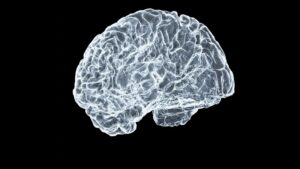
Auditory Perception: How Your Brain Interprets Sound

Auditory Perception: How Your Brain Interprets Sound

The Auditory System: Structure, Function, and Perception of Sound Introduction to the Auditory System The auditory system represents a remarkably intricate and sophisticated sensory apparatus that enables living organisms, particularly humans, to detect, process, and interpret sound waves originating from their environment. This complex biological machinery is fundamentally responsible for transforming physical vibrations in the […]

Read More

OSSICLES

Introduction The ossicles are three small bones located within the middle ear, which are essential for hearing and giving the ear its mechanical amplification capabilities. The ossicles include the malleus, incus, and stapes, and are the smallest bones in the human body. This article will discuss the anatomy, physiology, and role of the ossicles in […]

Read More

MASTOID

Anatomical Overview and Structural Composition of the Mastoid Process The mastoid process is a prominent, conical projection of the temporal bone situated immediately posterior to the external auditory canal. As a critical component of the human cranium, it provides essential structural support and serves as a point of attachment for several key muscles, including the […]

Read More

EXTERNAL EAR

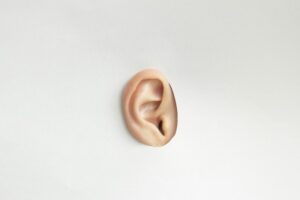
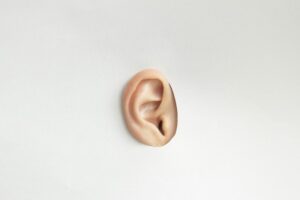
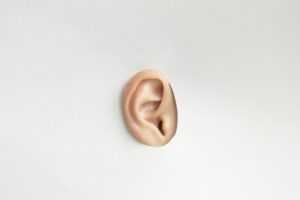
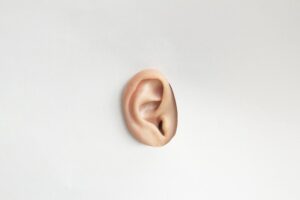
Anatomical Definition and Overview The external ear, scientifically designated as the auricle or pinna, represents the outermost component of the human auditory system. This structure is strategically positioned on the lateral aspects of the head, serving as the primary apparatus for capturing airborne acoustic energy. Its fundamental role involves the collection, modification, and efficient transmission […]

Read More

PERILYMPH

Definition and Anatomical Location The perilymph is a specialized extracellular fluid crucial to the function of the inner ear, residing within the complex network of chambers known as the bony labyrinth. This fluid occupies the space between the rigid, protective walls of the bony labyrinth and the delicate, enclosed structure termed the membranous labyrinth, effectively […]

Read More

EXTERNAL AUDITORY MEATUS

Introduction and Definition The External Auditory Meatus (EAM), known universally by its synonyms the auditory canal or the ear canal, represents the essential anatomical conduit responsible for channeling acoustic energy from the atmosphere, collected by the auricle, inward to the sensitive structures of the middle ear. This specialized, tubular pathway spans the distance from the […]

Read More

PINNA

Definition and Nomenclature The structure known anatomically as the pinna, or more commonly as the auricle, represents the visible, projecting component of the external ear apparatus. This cartilaginous flap is affixed to the side of the head, typically adjacent to the temporal bone, and serves as the initial collector and funnel for airborne sound waves […]

Read More

ROUND WINDOW

Introduction to the Round Window The round window, or the fenestra cochleae, represents a crucial anatomical and physiological landmark situated within the bony labyrinth of the inner ear. Functionally, it serves as a critical interface between the air-filled middle ear cavity and the fluid-filled cochlea of the inner ear. Understanding its role is paramount to […]

Read More

AUDITORY FILTER

Auditory Filter 1. The Core Definition and Mechanism of the Auditory Filter The auditory filter represents a fundamental concept within the field of psychoacoustics, describing the frequency selectivity inherent in the peripheral human auditory system. In its simplest form, the auditory filter is a hypothetical bandpass filter used to model how the ear analyzes complex […]

Read More

TENSOR TYMPANI

Tensor Tympani Muscle The Core Definition and Mechanism The tensor tympani muscle is a minute, fusiform muscle situated within the bony canal superior to the auditory tube in the human middle ear. It represents one of only two muscles housed in this critical air-filled cavity, the other being the stapedius muscle. Functionally, the tensor tympani […]

Read More

MIDDLE EAR

The Middle Ear: Anatomy, Function, and Clinical Significance The Middle Ear: Core Definition and Function The middle ear is a profoundly vital component of the human auditory system, acting as an indispensable bridge between the external environment and the intricate sensory mechanisms of the inner ear. Primarily, its function revolves around the efficient transmission and […]

Read More

EUSTACHIAN TUBE

The Eustachian Tube: Anatomy, Function, and Its Psychological Ramifications The Eustachian Tube: A Foundational Overview The Eustachian tube, also known as the auditory tube, represents a crucial anatomical structure within the human auditory system. It is a small, curved canal that establishes a vital connection between the middle ear cavity and the posterior region of […]

Read More