Cranial Anatomy: How Your Skull Shapes Cognitive Balance
Scientifically Reviewed · Dr. Marwa Abd-Alazim · September 25, 2026
Review Criteria & Clinical Standards
This content undergoes rigorous scientific peer-review and medical editorial standards at Arab Psychology Network to ensure clinical accuracy, validity, and compliance with evidence-based guidelines from leading psychological and healthcare authorities (APA / WHO).
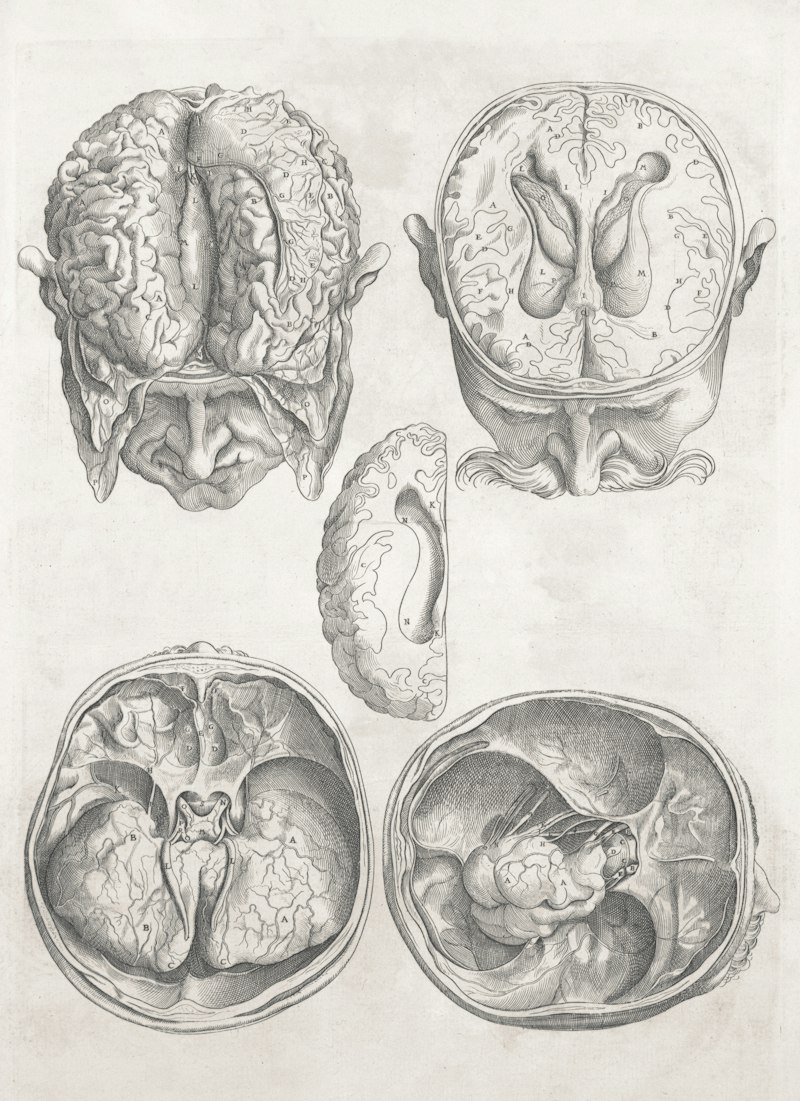
Anatomical Overview and Structural Composition of the Mastoid Process
The mastoid process is a prominent, conical projection of the temporal bone situated immediately posterior to the external auditory canal. As a critical component of the human cranium, it provides essential structural support and serves as a point of attachment for several key muscles, including the sternocleidomastoid. Unlike the dense, compact cortical bone found in many other regions of the skeletal system, the internal structure of the mastoid is primarily composed of spongy bone, also known as cancellous bone. This porous configuration is integral to its specialized physiological roles, allowing for a lightweight yet resilient architecture that can withstand various physical stresses.
From an external perspective, the mastoid is easily identifiable as a firm, bony protrusion located directly behind the auricle of the ear. This palpable landmark is of significant importance in clinical settings, as it allows medical professionals to orient themselves during physical examinations and diagnostic assessments. Internally, the mastoid is characterized by a complex network of mastoid air cells. These chambers vary significantly in size and distribution among individuals, a biological phenomenon known as pneumatization. These cells are lined with a delicate mucous membrane that is continuous with the lining of the middle ear cavity, facilitating a direct physiological link between these two regions.
The development of the mastoid process is a gradual biological process that begins in infancy and continues through puberty. At birth, the mastoid is relatively flat and lacks the extensive air cell system seen in adults. As an individual matures, the process of pneumatization expands the bone, creating the air-filled voids that define its mature state. This developmental trajectory is crucial for the eventual formation of the tympanic antrum, a larger cavity within the mastoid that communicates with the middle ear. The structural integrity of the mastoid is therefore not only a matter of adult anatomy but a reflection of healthy developmental maturation within the temporal bone complex.
Furthermore, the mastoid serves as a protective housing for several vital neuroanatomical structures. Most notably, it encompasses the facial nerve (Cranial Nerve VII), which traverses the Fallopian canal within the temporal bone. This nerve is responsible for the motor innervation of the muscles of facial expression, as well as the transmission of taste sensations from the anterior two-thirds of the tongue via the chorda tympani branch. The proximity of such critical neural pathways to the mastoid air cells underscores the potential severity of localized infections or traumatic injuries to this region of the skull.
The Role of Mastoid Air Cells and Pressure Regulation
The mastoid air cells are perhaps the most distinctive feature of the mastoid process, functioning as a specialized reservoir of air within the skull. These cells are not merely passive voids; they play an active role in the homeostasis of the middle ear environment. One of the primary functions of these air cells is to act as a pressure buffer. By providing a large surface area and a volume of air that can expand or contract, the mastoid helps to regulate the intratympanic pressure. This regulation is essential for the proper vibration of the tympanic membrane (eardrum) and the subsequent transmission of sound through the ossicular chain.
In addition to pressure regulation, the mucous membranes lining the mastoid cells are involved in the production and management of fluid. Under normal physiological conditions, these membranes secrete a thin layer of fluid that keeps the tissues moist and assists in the mucociliary clearance of debris. This fluid management system is vital for preventing the accumulation of secretions that could otherwise lead to infection or impaired hearing. The mastoid effectively serves as a “pressure relief valve” for the middle ear, ensuring that changes in external atmospheric pressure do not result in barotrauma or significant auditory discomfort.
The degree of mastoid pneumatization can have a direct impact on an individual’s susceptibility to ear-related pathologies. A well-pneumatized mastoid, containing many large air cells, generally provides a better buffer against pressure changes than a “sclerotic” or poorly pneumatized mastoid. In cases where the Eustachian tube—the primary conduit for air between the middle ear and the nasopharynx—is dysfunctional, the mastoid air cells become the secondary line of defense in maintaining middle ear aeration. Consequently, the health of the mastoid air cell system is intrinsically linked to the overall functional integrity of the auditory apparatus.
Physiological Functions and Acoustic Transmission
The mastoid process serves as a multifaceted contributor to the human auditory system. Beyond its role in pressure regulation, it acts as a pathway for the transmission of sound waves. While the primary route for sound is through the external ear canal and the ossicles, the mastoid bone facilitates bone conduction. This process allows sound vibrations to bypass the outer and middle ear and travel directly through the skull to the cochlea in the inner ear. This mechanism is particularly important in clinical audiology, where bone conduction thresholds are measured to differentiate between conductive and sensorineural hearing loss.
Another critical function of the mastoid is its role as a biological buffer. Situated between the external environment and the delicate structures of the central nervous system, the mastoid provides a layer of protection for the brain against external trauma. The air-filled chambers within the bone serve as shock absorbers, dissipating the energy from physical impacts that might otherwise cause direct injury to the temporal lobe or the cerebellum. Furthermore, the mastoid offers a degree of acoustic insulation, shielding the inner ear from excessive internal noise, such as the sounds of one’s own breathing or vascular pulsations.
The mastoid also plays a role in the thermal regulation of the inner ear. The air-filled cells provide an insulating layer that helps maintain a stable temperature for the vestibular system and the cochlea. This stability is crucial because the sensory hair cells within the inner ear are highly sensitive to thermal fluctuations, which can affect their signaling accuracy. By stabilizing the local environment, the mastoid ensures that the mechanisms of balance and hearing function consistently, regardless of external temperature changes. Thus, the mastoid is not merely a structural bone but a dynamic component of the body’s sensory protection and optimization systems.
Pathophysiology of Mastoid Infections and Inflammatory Processes
Despite its protective features, the mastoid is highly susceptible to infection, a condition clinically known as mastoiditis. This vulnerability arises primarily from its direct anatomical connection to the middle ear via the aditus ad antrum. When an infection occurs in the middle ear—often referred to as otitis media—pathogenic microorganisms can easily migrate into the mastoid air cells. The mastoid’s complex, honeycombed structure, while beneficial for pressure regulation, provides numerous small recesses where bacteria, viruses, or fungi can proliferate, making infections difficult to eradicate through natural immune responses alone.
The pathophysiology of mastoiditis typically involves the invasion of the mastoid air cells by common respiratory pathogens. Streptococcus pneumoniae, Haemophilus influenzae, and Moraxella catarrhalis are frequently implicated in acute cases. These microorganisms trigger an inflammatory response within the mucous membranes, leading to the production of purulent exudate (pus). As the infection progresses, the accumulation of fluid and inflammatory cells causes the pressure within the mastoid cells to rise. This increased pressure can lead to the necrosis of the thin bony septa that separate the air cells, effectively turning the individual chambers into a single, large, pus-filled cavity.
The presence of a rich network of lymphatic vessels and blood vessels within the temporal bone further complicates the clinical picture. These vessels can facilitate the systemic spread of the infection or allow it to reach adjacent intracranial structures. Inflammation of the mastoid not only causes localized pain and swelling but can also lead to the destruction of bone tissue. If the inflammatory process is not halted, it may erode the cortical bone of the mastoid process, leading to the formation of a subperiosteal abscess, which manifests as a visible and painful swelling behind the ear.
Symptomatology and Clinical Presentation of Mastoiditis
The clinical presentation of mastoiditis is often characterized by a progression of symptoms following an initial bout of middle ear infection. Patients typically report intense, throbbing pain behind the ear, which may radiate to the side of the head or the neck. This pain is often accompanied by erythema (redness) and edema (swelling) over the mastoid process. In many cases, the swelling is severe enough to cause the auricle to protrude forward and downward, a classic diagnostic sign known as ear displacement. Fever, malaise, and irritability are also common systemic indicators of the underlying infection.
Auditory symptoms are a hallmark of mastoid involvement. Hearing loss is frequently reported and is usually conductive in nature, resulting from the accumulation of fluid and debris in the middle ear and mastoid air cells. Additionally, patients may experience otorrhea, which is the drainage of fluid or pus from the ear canal. This discharge may be persistent and may have a foul odor, particularly in chronic cases or those involving fungal infections. The combination of localized tenderness and auditory impairment necessitates a thorough clinical evaluation to prevent the transition from acute to chronic mastoiditis.
In pediatric populations, the symptoms of mastoiditis can be more subtle yet more dangerous. Children may present with non-specific symptoms such as poor feeding, lethargy, or persistent crying. Because their immune systems and anatomical structures are still developing, the infection can spread more rapidly. Clinical physical examination often reveals a bulging, opaque, and immobile tympanic membrane, suggesting significant middle ear effusion. Given the potential for rapid progression, any signs of retroauricular inflammation in a child should be treated as a medical emergency requiring immediate intervention.
- Post-auricular pain: Deep, persistent aching localized to the mastoid bone.
- Swelling and Erythema: Visible redness and puffiness behind the ear.
- Otorrhea: Persistent discharge of purulent material from the external canal.
- Conductive Hearing Loss: Significant reduction in hearing acuity due to fluid blockage.
- Systemic Symptoms: High fever, chills, and general exhaustion.
Advanced Complications: Cystic Mastoiditis and Intracranial Risks
In rare and severe instances, a mastoid infection can evolve into a condition known as cystic mastoiditis. This pathology is characterized by the chronic accumulation of pus and inflammatory debris within the mastoid air cells, leading to the formation of cystic structures or abscesses. As the internal pressure continues to rise, the surrounding bone undergoes osteolysis, or bone destruction. This destruction can compromise the structural integrity of the temporal bone and create pathways for the infection to spread to even more sensitive areas of the head and neck.
One of the most debilitating complications of cystic mastoiditis is facial nerve palsy. Because the facial nerve passes directly through the mastoid process, localized inflammation or the direct pressure from a cyst can compress the nerve fibers. This results in varying degrees of facial paralysis, affecting the patient’s ability to smile, close their eyes, or control facial expressions. Furthermore, the infection can erode the bone separating the mastoid from the cranial vault, leading to life-threatening intracranial complications such as meningitis, brain abscess, or lateral sinus thrombosis.
The management of cystic mastoiditis requires a high level of clinical vigilance and often involves a multidisciplinary approach. Diagnostic imaging, such as Computed Tomography (CT) or Magnetic Resonance Imaging (MRI), is essential to determine the extent of bone destruction and the involvement of adjacent structures. If the infection reaches the inner ear, it can cause labyrinthitis, leading to permanent sensorineural hearing loss and severe vertigo. The potential for these catastrophic outcomes underscores the importance of aggressive and timely treatment for all forms of mastoid inflammation.
Diagnostic Procedures and Surgical Landmarks
The diagnosis of mastoid-related conditions begins with a comprehensive clinical history and physical examination. Physicians use an otoscope to visualize the tympanic membrane and assess for signs of middle ear disease, such as bulging, redness, or perforation. Palpation of the mastoid process is conducted to check for exquisite tenderness or fluctuance, which might indicate the presence of a subperiosteal abscess. However, because the mastoid is an internal structure, external signs may not always reflect the full extent of the pathology, necessitating advanced radiographic imaging.
High-resolution CT scans of the temporal bone are the gold standard for evaluating mastoiditis. These scans provide detailed images of the mastoid air cells, allowing clinicians to see “clouding” or opacification of the cells, as well as any evidence of bony septal erosion. CT imaging also helps surgeons identify the precise location of the facial nerve and the sigmoid sinus, which are critical landmarks during surgical procedures. By mapping out the unique anatomy of the patient’s mastoid, surgeons can plan an approach that minimizes the risk of accidental injury to these vital structures.
In addition to imaging, laboratory tests are often employed to identify the causative pathogen. Cultures of ear discharge or fluid obtained via tympanocentesis (aspiration of middle ear fluid) can help determine whether the infection is bacterial, viral, or fungal. This information is vital for selecting the most effective antimicrobial therapy. The mastoid also serves as a critical surgical landmark for various procedures, including cochlear implantation and acoustic neuroma resection. Its stable, bony nature provides a reliable point of reference for neurotologists and ear, nose, and throat (ENT) surgeons performing delicate microsurgery.
Therapeutic Interventions and Management Strategies
The primary goal in treating mastoid infections is the eradication of the underlying pathogen and the resolution of inflammation. For acute mastoiditis, the first line of defense typically involves the administration of broad-spectrum antibiotics. These medications are often delivered intravenously in a hospital setting to ensure rapid systemic absorption and high concentrations in the bone tissue. If a specific pathogen is identified through cultures, the antibiotic regimen may be narrowed to target that organism more effectively. In cases where a fungal etiology is suspected, targeted antifungal agents are required.
In addition to pharmacological treatment, drainage of the infected fluid is often necessary to alleviate pressure and promote healing. This may be achieved through a myringotomy, a surgical procedure where a small incision is made in the tympanic membrane to allow the fluid to drain from the middle ear. In many cases, a small tube, known as a tympanostomy tube, is inserted into the incision to maintain aeration and prevent the re-accumulation of fluid. This intervention not only treats the current infection but also helps restore auditory function by clearing the conductive pathway.
For more advanced or persistent cases, such as cystic mastoiditis or those unresponsive to medical therapy, more invasive interventions are required. The management strategy must address both the localized infection and the potential for intracranial spread. This often involves a combination of high-dose antibiotics and surgical debridement. The clinical team must also monitor for signs of neurological involvement, such as neck stiffness or changes in mental status, which would indicate that the infection has progressed beyond the temporal bone. Early and aggressive management is the key to preventing long-term sequelae and ensuring a favorable prognosis.
Surgical Resolution: Mastoidectomy and Long-term Prognosis
When medical management fails to resolve mastoiditis, or when complications such as bone destruction occur, a mastoidectomy is performed. This surgical procedure involves the systematic removal of the infected mastoid air cells and the clearing of inflammatory debris. There are several types of mastoidectomy, ranging from a simple mastoidectomy, which preserves the ear canal wall, to a radical mastoidectomy, which involves the removal of the posterior ear canal wall and the tympanic membrane. The choice of procedure depends on the severity of the disease and the presence of associated conditions like cholesteatoma.
The surgical objective of a mastoidectomy is to create a “safe ear” by removing all diseased tissue and establishing a permanent drainage pathway. During the procedure, the surgeon carefully navigates the temporal bone, using the mastoid process as a guide to avoid the facial nerve and the inner ear structures. Following the removal of the air cells, the cavity may be left open to heal or may be reconstructed using bone grafts or synthetic materials. Post-operative care is crucial, involving regular cleaning of the mastoid cavity and monitoring for the recurrence of infection.
The long-term prognosis for patients with mastoiditis is generally excellent, provided that the condition is diagnosed and treated promptly. Most individuals experience a full recovery of hearing and a resolution of all symptoms following appropriate antibiotic therapy or surgery. However, in cases where significant bone destruction or nerve damage has occurred, some permanent deficits may remain. Regular follow-up appointments with an otolaryngologist are essential to ensure the continued health of the temporal bone and to monitor for any late-onset complications. In conclusion, the mastoid is a vital, albeit vulnerable, component of the auditory and cranial systems, requiring diligent care to maintain its diverse physiological functions.
- Initial Assessment: Clinical evaluation of symptoms and otoscopic examination.
- Pharmacological Phase: Administration of intravenous or oral antibiotics/antifungals.
- Surgical Drainage: Myringotomy or tube placement to relieve middle ear pressure.
- Mastoidectomy: Surgical excision of infected bone and air cells if necessary.
- Rehabilitation: Post-operative monitoring and auditory assessment to ensure recovery.