Neuroanatomy: Mapping the Origins of Human Perception
Scientifically Reviewed · Dr. Marwa Abd-Alazim · September 24, 2026
Review Criteria & Clinical Standards
This content undergoes rigorous scientific peer-review and medical editorial standards at Arab Psychology Network to ensure clinical accuracy, validity, and compliance with evidence-based guidelines from leading psychological and healthcare authorities (APA / WHO).
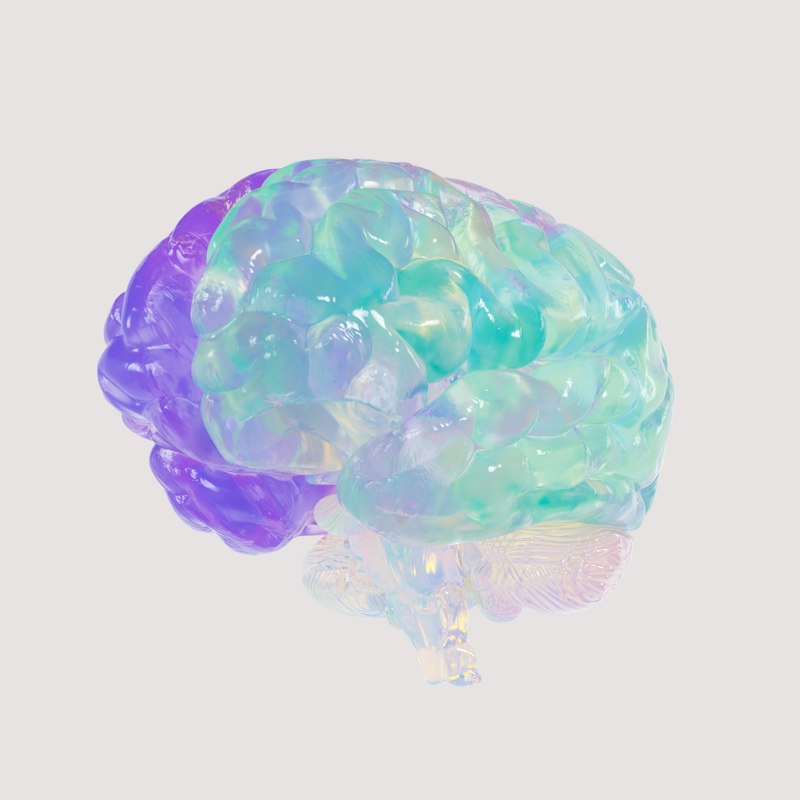
An Introduction to the Life and Legacy of Girolamo Fallopio
The history of medical science is punctuated by the contributions of visionary figures who dared to look beneath the surface of the human form to uncover the mysteries of physiology. Among the most prominent of these figures is Girolamo Fallopio, often Latinized as Fallopius, an Italian anatomist and physician whose work during the sixteenth century fundamentally reshaped the landscape of biological understanding. Born in 1523 and passing in 1562, Fallopio lived during the height of the Italian Renaissance, a period characterized by a fervent revival of classical learning and a burgeoning interest in empirical observation. His career was defined by a relentless pursuit of anatomical accuracy, leading to discoveries that remain foundational to modern medicine, particularly in the realms of reproductive health and sensory anatomy.
Fallopio’s influence extends far beyond the eponymous structures for which he is most famously known. While the Fallopian tubes serve as a permanent testament to his descriptive prowess, his broader body of work encompasses a deep exploration of the skeletal, muscular, and nervous systems. As a physician, he was not merely concerned with the theoretical mapping of the body but was deeply invested in the practical applications of his findings, including surgical interventions and the treatment of infectious diseases. His methodological approach combined the rigorous traditions of academic scholarship with the hands-on experience of the dissection table, allowing him to challenge long-held misconceptions and provide a more nuanced view of human biology.
The significance of Fallopio’s contributions is best understood through the lens of the transition from medieval dogma to modern scientific inquiry. Before the era of the great Renaissance anatomists, medical knowledge was often based on the works of ancient authorities like Galen, whose observations were frequently derived from animal rather than human subjects. Girolamo Fallopio was part of a transformative generation that prioritized direct evidence and meticulous documentation. By providing the first accurate descriptions of several internal organs and systems, he paved the way for future generations of physicians to understand the complexities of human reproduction, hearing, and pathology, ensuring his place as a pivotal architect of the medical arts.
Educational Foundations and the Influence of Vesalius
The intellectual journey of Girolamo Fallopio began in earnest at the University of Pisa, one of the most prestigious centers of learning in Europe at the time. It was here that he immersed himself in the study of anatomy, a field that was undergoing a radical transformation. Fallopio had the distinct privilege of being a student of Andrea Vesalius, the author of the revolutionary text that had already begun to dismantle the errors of Galenic anatomy. Under the guidance of Vesalius, Fallopio learned the importance of personal observation and the necessity of performing one’s own dissections. This mentorship was crucial in shaping Fallopio’s critical thinking and his commitment to anatomical precision, as he sought to build upon the work of his teacher while forging his own path of discovery.
During his formative years in Pisa, Fallopio demonstrated an extraordinary aptitude for identifying structures that had been overlooked or mischaracterized by his predecessors. The educational environment of the university encouraged a spirit of inquiry, where students were expected to engage directly with the physical reality of the human body. This pedagogical shift from reading texts to observing nature was central to Fallopio’s development. He spent countless hours in the dissection rooms, honing the surgical skills that would later allow him to perform delicate procedures and describe the intricate pathways of the human body with unprecedented clarity. This rigorous training ensured that when he eventually moved into a teaching role, he brought with him a wealth of practical experience and a deep-seated respect for empirical truth.
The relationship between Fallopio and the established medical community was one of both continuity and challenge. While he respected the foundations laid by Andrea Vesalius, Fallopio was not afraid to correct the master when his own observations suggested a different reality. This independence of thought is a hallmark of the Renaissance scientist. After completing his studies and graduating, his reputation as a brilliant observer grew rapidly, leading to his eventual appointment to high academic offices. His time at Pisa served as the bedrock of his career, providing him with the technical expertise and the philosophical framework needed to conduct the extensive research that would define his later years at the University of Padua.
The University of Padua and the Anatomical Theatre
In 1548, Girolamo Fallopio reached a significant milestone in his professional life when he was appointed as the professor of anatomy at the University of Padua. This institution was the epicenter of medical innovation in the sixteenth century, attracting scholars and students from across the continent. At Padua, Fallopio succeeded other great anatomists, and he took it upon himself to further elevate the university’s status. One of his most notable achievements during this tenure was the construction of a specialized theatre designed specifically for anatomical dissections. This theatre allowed for a more structured and public demonstration of anatomical findings, facilitating a collaborative learning environment where the complexities of the human body could be observed by a larger audience of medical practitioners.
The anatomical theatre at Padua became a site of intensive research where Fallopio performed numerous dissections, often working under challenging conditions to preserve the integrity of the specimens. His work at the university was characterized by an exhaustive attention to detail, as he sought to document every nerve, muscle, and organ with scientific rigor. It was during this prolific period that he conducted the research that would form the basis of his major written works. Fallopio’s presence at the university not only benefited his students but also contributed to a broader cultural shift in which human anatomy was recognized as a vital discipline essential for the advancement of surgery and general medicine.
Fallopio’s role at the university was multifaceted, involving teaching, research, and the administration of medical knowledge. He was known for his engaging lectures and his ability to translate complex anatomical concepts into understandable terms for his pupils. By integrating his own discoveries into the curriculum, he ensured that the next generation of physicians was trained in the most current and accurate scientific information. The University of Padua served as the perfect stage for Fallopio to exert his influence, providing him with the resources and the intellectual community necessary to synthesize his observations into a cohesive body of work that would eventually be published and disseminated throughout the scientific world.
The Revolutionary Study of Reproductive Anatomy
Perhaps the most enduring aspect of Fallopio’s legacy is his groundbreaking work on the female reproductive system. He was the first scientist to provide a detailed and accurate description of the Fallopian tubes, the structures that connect the ovaries to the uterus. In his writings, he described these tubes with remarkable precision, noting their shape and their essential role in the reproductive process. Before Fallopio’s intervention, the exact nature of these structures was poorly understood, often leading to confusion regarding the mechanisms of conception. By identifying and naming these tubes, Fallopio provided a vital piece of the puzzle in the study of human reproduction, an achievement that continues to be recognized in modern medical terminology.
Beyond the tubes themselves, Fallopio was a pioneer in understanding the role of the ovaries. He was the first to accurately describe their anatomy and to hypothesize their function in the reproductive cycle. His observations challenged existing theories and provided a more comprehensive view of how the female body operates. Fallopio’s focus on reproductive anatomy was not merely descriptive; it was also functional. He sought to understand how each part of the system contributed to the creation of life, a pursuit that required both anatomical skill and a forward-thinking approach to physiology. His detailed mapping of the ovaries and the associated structures laid the groundwork for the eventual development of gynecology as a specialized field of medicine.
The impact of Fallopio’s discoveries in this area cannot be overstated. By bringing clarity to the structures of the reproductive system, he enabled future physicians to better diagnose and treat conditions related to fertility and reproductive health. His work also had significant implications for the understanding of embryonic development, as it clarified the pathway through which reproductive cells travel. The precision with which he described the Fallopian tubes and the anatomy of the ovaries stands as a testament to his dedication to the truth, even when it required overturning centuries of established medical thought. His contributions remain a cornerstone of medical education, ensuring that every student of anatomy learns his name alongside the vital structures he identified.
Advancements in Otology and Sensory Anatomy
While his work on reproduction is widely celebrated, Girolamo Fallopio also made significant strides in the study of the sensory organs, particularly the ear. He was the first to provide a comprehensive description of the auditory meatus, the passage leading to the eardrum. His meticulous dissections of the temporal bone allowed him to uncover the intricate internal structures of the ear, including the tympanum and the various canals that facilitate hearing. By detailing the anatomy of the auditory meatus, Fallopio contributed to the early foundations of otology, providing a structural basis for understanding how sound is processed by the human body. His work in this area demonstrated his ability to apply his anatomical expertise to diverse systems with equal success.
In addition to the ear, Fallopio conducted extensive research into the cranial nerves and the structures of the head. He was interested in the pathways through which sensory information is transmitted to the brain, and his dissections often focused on the delicate connections between the organs of sense and the nervous system. This level of detail was unprecedented for the time and required a steady hand and a keen eye. Fallopio’s descriptions of the auditory meatus and other sensory structures were included in his broader anatomical treatises, where they served as essential references for surgeons and physicians who sought to treat ailments of the head and neck. His holistic approach to anatomy ensured that no part of the body was left unexamined.
The precision of Fallopio’s work in sensory anatomy also extended to his study of the eyes and the nasal passages. He was fascinated by the way the body interacts with its environment and sought to map the physical structures that make these interactions possible. By providing a clear and accurate account of the auditory meatus and the surrounding bone structures, he moved the field of anatomy toward a more integrated understanding of the human form. His discoveries in this area were not just academic; they provided practical insights that could be used to improve the quality of life for individuals suffering from sensory impairments. Fallopio’s legacy in otology remains a vital part of his overall contribution to the medical sciences.
Surgical Methodologies and Early Pharmacology
Girolamo Fallopio was not only a master of the dissection table but also a highly skilled and innovative surgeon. He was a pioneer in developing new surgical techniques, most notably the practice of ligating the Fallopian tubes. This procedure was a significant advancement in the surgical treatment of reproductive issues and demonstrated Fallopio’s ability to apply his anatomical knowledge to clinical practice. His understanding of the vascular and structural layout of the tubes allowed him to perform this ligation with a level of confidence and success that was rare for the sixteenth century. This intersection of anatomy and surgery was a defining feature of his career, as he constantly sought ways to improve patient outcomes through a better understanding of internal structures.
In addition to his surgical innovations, Fallopio made significant contributions to the field of pharmacology. He wrote extensively on the use of various substances for medical treatment, including a detailed exploration of opium as an analgesic. During an era when pain management was rudimentary at best, Fallopio’s advocacy for the controlled use of opium provided a more humane approach to surgery and the treatment of chronic wounds. He recognized the potential of pharmacological agents to alleviate suffering and carefully documented the dosages and effects of the treatments he administered. His work on the use of opium reflects a sophisticated understanding of the relationship between chemistry and physiology, marking him as an early proponent of what would become modern pharmacology.
Furthermore, Fallopio’s writings included practical advice on the treatment of wounds and the management of post-operative care. He emphasized the importance of cleanliness and the proper use of bandages and ointments to promote healing. His approach to surgery was holistic, considering not just the procedure itself but also the recovery process and the long-term health of the patient. By combining his surgical technique with pharmacological insights, Fallopio provided a comprehensive framework for medical practice that was far ahead of its time. His dedication to improving the tools and methods available to physicians ensured that his influence was felt in the operating room as much as in the lecture hall.
Investigating Syphilis and Pathological Observations
The sixteenth century was a period of significant public health challenges, including the widespread prevalence of syphilis. Girolamo Fallopio was a pioneer in the study of this disease, which was then a relatively new and devastating arrival in Europe. He was among the first to recognize syphilis as a distinct pathological entity, separate from other skin diseases or infections. Fallopio’s work involved describing the symptoms of syphilis in great detail, tracking the progression of the disease from its initial stages to its more severe manifestations. His meticulous observations were crucial for the early attempts to understand the transmission and nature of the infection, providing a scientific basis for diagnosis and eventual treatment.
Fallopio’s research into syphilis was also notable for his early experiments with protective measures. He is often credited with proposing the use of a linen sheath as a means of preventing the transmission of the disease, an early precursor to modern prophylactic methods. This practical response to a public health crisis showed his commitment to applying medical topics to the real-world problems facing society. By analyzing the symptoms in detail, he was able to provide clear guidelines for other physicians to identify the disease, which was essential for managing outbreaks and providing care to those afflicted. His work on syphilis demonstrated his versatility as a researcher, capable of tackling both anatomical structures and complex pathologies.
The broader implications of Fallopio’s pathological studies were significant for the development of infectious disease medicine. He understood that diseases were not merely the result of an imbalance of humors, as ancient medicine suggested, but were specific conditions with identifiable causes and symptoms. His writings on syphilis and other infectious ailments contributed to a growing body of knowledge that favored empirical evidence over traditional dogma. By documenting his findings with the same rigor he applied to his anatomical dissections, Fallopio helped to establish the standards for clinical observation that would define the medical profession for centuries to come.
The Enduring Impact of Fallopian Contributions
The culmination of Fallopio’s life’s work was his influential treatise, De humani corporis fabrica (On the Structure of the Human Body), published in 1559. This comprehensive volume synthesized his numerous discoveries and observations, providing a definitive guide to the human form as understood through Renaissance science. The treatise was a landmark publication, containing the first accurate descriptions of the Fallopian tubes, the structures of the ear, and the detailed anatomy of the reproductive system. By publishing his findings, Fallopio ensured that his work would survive beyond his own lifetime, influencing countless generations of anatomists, surgeons, and physicians who would use his text as a foundational reference.
Fallopio’s legacy is preserved not only in the pages of his books but also in the very language of medicine. The term Fallopian tube remains a standard part of medical nomenclature, serving as a daily reminder of his contributions to the understanding of human anatomy. He is remembered as a figure who bridged the gap between the pioneering work of Vesalius and the later advancements of the seventeenth century. His innovative approach to dissection and his commitment to empirical truth set a high standard for scientific inquiry. Fallopio’s life was cut short at the age of 39, yet in his brief career, he managed to achieve more than many scientists do in a lifetime, leaving behind a wealth of knowledge that continues to be relevant today.
Ultimately, Girolamo Fallopio stands as a testament to the power of observation and the importance of challenging established norms in the pursuit of scientific progress. His discoveries in anatomy and medicine provided the structural framework upon which much of modern physiological understanding is built. Whether through his surgical techniques, his pharmacological insights, or his detailed mapping of the human body, Fallopio’s work transformed the way we perceive ourselves. His influence is felt in every hospital and medical school, where the structures he first described are still studied with the same awe and curiosity that drove him more than four centuries ago.
References
- Bianchi, P. (2008). Girolamo Fallopio. In B. D. Coppens, & J. B. DeCecco (Eds.), Encyclopedia of Sex and Gender: Men and Women in the World’s Cultures (Vol. 2, pp. 637-638). New York, NY: Springer.
- Fara, P. (2016). Girolamo Fallopio. In Oxford Dictionary of National Biography. Oxford, UK: Oxford University Press.
- Gillispie, C. C. (1966). Girolamo Fallopio. In Dictionary of Scientific Biography (Vol. 3, pp. 352-355). New York, NY: Charles Scribner’s Sons.
- Holland, J. (2005). The Fallopian Tubes. In K. M. Taylor, & T. B. Jones (Eds.), Human Reproductive Biology (3rd ed., pp. 7-14). San Diego, CA: Academic Press.