Hunger Regulation: Why Your Brain Controls Your Cravings
Scientifically Reviewed · Dr. Marwa Abd-Alazim · September 3, 2026
Review Criteria & Clinical Standards
This content undergoes rigorous scientific peer-review and medical editorial standards at Arab Psychology Network to ensure clinical accuracy, validity, and compliance with evidence-based guidelines from leading psychological and healthcare authorities (APA / WHO).
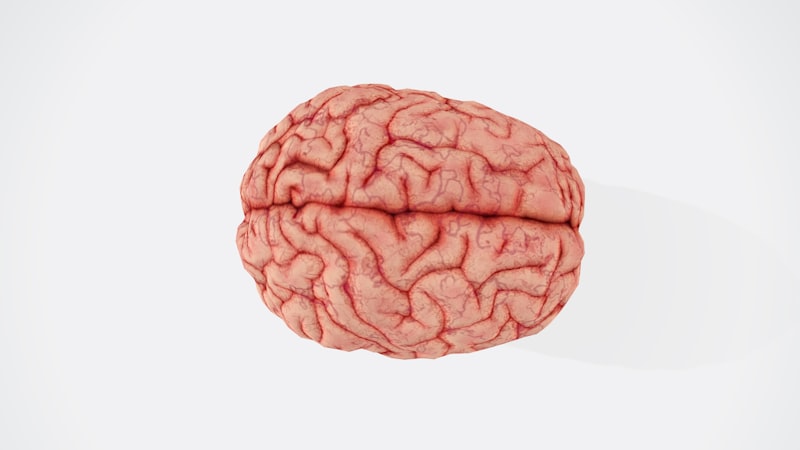
Introduction to Food-Intake Regulation and Homeostasis
Food-intake regulation is a complex, highly sophisticated physiological and behavioral system designed to maintain energy homeostasis, ensuring that the organism acquires sufficient fuel for immediate needs while also managing long-term energy reserves. This regulatory ability involves the continuous adjustment of food consumption in response to myriad internal and external variables, including the immediate physiological demands dictated by energy expenditure, environmental temperature fluctuations, and the dynamic utilization or loss of calories. Fundamentally, this process operates under the principle that energy intake must be precisely balanced against energy output; if there is a sustained imbalance, the organism’s body mass and overall health trajectory are negatively affected. It is a quintessential example of homeostatic control, integrating information from the gastrointestinal tract, adipose tissue, and the central nervous system to achieve a stable equilibrium.
The crucial function of food-intake regulation lies in its necessity for survival, underpinning the ability of an organism to successfully navigate periods of scarcity and abundance. From an evolutionary perspective, the system is highly tuned to promote feeding when resources are available, often overriding inhibitory signals to store energy efficiently as fat, a critical survival mechanism in ancestral environments. However, in the modern context, characterized by chronic abundance, this robust drive to consume and store energy often contributes to significant public health challenges. The regulatory system is thus not merely a passive measurement tool but an active, predictive mechanism that anticipates future energy needs based on historical data and current metabolic status, demonstrating remarkable adaptability and resilience in maintaining a relatively constant internal milieu despite drastic external changes.
A central tenet of effective food-intake regulation is the precise equality between caloric input and caloric expenditure over extended periods. When food intake regulation is perfectly achieved, the condition can be summarized by the equation: Calories Eaten = Calorie Loss (or total energy expenditure). This balance is maintained through two primary feedback loops: the short-term regulation system, which governs meal initiation and termination (satiation), and the long-term system, which monitors and defends the overall body fat stores (adiposity). Disruptions to either of these circuits can lead to chronic energy imbalance, demonstrating the sensitive nature of the control mechanisms involved.
The integration of diverse signals is managed predominantly by the central nervous system, particularly specialized nuclei within the hypothalamus and the brainstem. This neural command center receives hormonal messages from peripheral organs—such as ghrelin stimulating hunger from the stomach, and leptin signaling satiety from adipose tissue—and integrates them with sensory information regarding the presence, palatability, and quantity of food. Furthermore, psychological and behavioral factors, including learned preferences, stress levels, and social context, overlay the fundamental physiological drives, adding layers of complexity to the ultimate decision to eat or stop eating. Understanding this intricate interplay of physiological and psychological components is essential for appreciating the robustness and occasional fragility of the regulatory mechanism.
Neural and Endocrine Mechanisms of Appetite
The primary control center for food intake is situated within the hypothalamus, a small but critical region of the brain that coordinates homeostatic processes. Specific nuclei, most notably the Arcuate Nucleus (ARC), serve as the crucial integration hub, housing two distinct populations of neurons that exert opposing effects on appetite. The first population co-expresses Neuropeptide Y (NPY) and Agouti-Related Peptide (AgRP), acting as potent orexigenic (appetite-stimulating) signals. The second population co-expresses Pro-Opiomelanocortin (POMC) and Cocaine- and Amphetamine-Regulated Transcript (CART), generating alpha-Melanocyte-Stimulating Hormone (α-MSH), which acts as an anorexigenic (appetite-suppressing) signal. The balance of activity between these two groups determines the overall motivational drive to seek and consume food.
Beyond the ARC, other hypothalamic nuclei refine and execute the feeding drive. The Paraventricular Nucleus (PVN) is heavily involved in mediating the anorexigenic effects of the POMC/CART pathway, promoting satiety and regulating energy expenditure. Conversely, the Lateral Hypothalamic Area (LHA) is historically known as the “feeding center” and contains neurons that produce Orexin (also known as hypocretin) and Melanin-Concentrating Hormone (MCH), both powerful stimulants of food intake and exploratory feeding behavior. These nuclei communicate extensively via dense neural networks, ensuring rapid signal propagation and integrated responses to changes in metabolic state, such as during fasting or periods of high energy demand.
The brainstem also plays an indispensable role, particularly the Nucleus of the Solitary Tract (NTS). The NTS is the primary termination point for vagal afferents, receiving direct sensory input from the gastrointestinal tract regarding mechanical distension and the presence of nutrients. It acts as a crucial relay station, integrating peripheral satiety signals—such as those conveyed by Cholecystokinin (CCK) and Glucagon-like Peptide-1 (GLP-1)—before transmitting this information up to the hypothalamic and cortical centers. This close communication ensures that the physical act of eating and the immediate consequence of nutrient absorption are rapidly factored into the ongoing regulation of meal size and termination.
Importantly, food intake is not solely driven by the need to maintain energy balance; the hedonic pathway, involving dopaminergic circuits originating in the Ventral Tegmental Area (VTA) and projecting to the Nucleus Accumbens (NAc) and prefrontal cortex, heavily influences eating behavior. This reward system dictates the motivation to consume highly palatable foods (those rich in fat, sugar, and salt), often overriding homeostatic signals of satiety. While the homeostatic system ensures survival, the hedonic system governs preference and emotional eating, contributing significantly to the current challenges of overconsumption, as external cues associated with rewarding foods can trigger powerful feeding drives independent of the body’s actual caloric requirements.
Short-Term Regulation: Satiety and Satiation Signals
Short-term regulation mechanisms are responsible for governing the initiation, duration, and termination of individual meals, ensuring appropriate quantities are consumed to meet immediate energy needs. The terms satiation and satiety are distinct yet related concepts within this system. Satiation refers to the process leading to meal termination, triggered by signals arising during consumption that inhibit further eating. Satiety, conversely, is the feeling of fullness and suppressed appetite that persists between meals, determining the latency until the next feeding episode begins. Both are crucial for maintaining the daily rhythm of energy balance.
Mechanical and chemical signals from the gastrointestinal tract provide the earliest and most rapid feedback regarding food consumption. As the stomach fills, stretch receptors activate vagal afferent nerves, signaling distension to the brainstem NTS, contributing significantly to satiation. Simultaneously, the detection of nutrients within the duodenum and small intestine triggers the release of various gut peptides. These hormones act both locally on enteric neurons and centrally via the bloodstream and vagal afferents, providing immediate feedback on the quantity and caloric density of the ingested food mass.
Several key hormones orchestrate short-term regulation. Cholecystokinin (CCK), released rapidly upon the entry of fat and protein into the duodenum, is a powerful satiation signal that dramatically reduces meal size. Peptide YY (PYY) and Glucagon-like Peptide-1 (GLP-1) are released from the distal gut (ileum and colon) upon sensing nutrient flow, acting as “ileal brakes” that slow gastric emptying and inhibit further intake, thereby promoting satiety. Conversely, Ghrelin is the only major known peripheral hormone that acts as a potent orexigenic signal; it is secreted primarily by the stomach and its levels rise sharply before anticipated meals and decrease rapidly after eating, acting as a crucial initiator of hunger signals.
Beyond hormonal signaling, the detection of circulating metabolites also contributes to short-term control. Post-prandial increases in blood glucose levels, detected by specialized glucose sensors in the hypothalamus and liver, typically contribute to the feeling of satiety. Furthermore, the presence of specific amino acids following protein digestion and the availability of fatty acid oxidation products in the liver are all monitored and communicated to the brain, providing detailed information about the quality and composition of the meal consumed. This intricate network ensures that the decision to stop eating is based not only on physical fullness but also on the actual nutritional value absorbed.
Long-Term Regulation: Adiposity Signals
Long-term regulation of food intake focuses on maintaining stable energy stores, primarily in the form of adipose tissue, and defending a presumed “set point” or settling point for body weight. This system utilizes circulating hormones, known as adiposity signals, whose concentrations are directly proportional to the total mass of body fat. These signals provide the brain with crucial information about the sufficiency of long-term energy reserves, allowing the central homeostatic mechanisms to adjust appetite and metabolic rate over days, weeks, and months.
The most critical long-term regulator is Leptin, a protein hormone secreted by adipocytes (fat cells). Leptin levels directly correlate with the amount of adipose tissue; the more fat mass an individual possesses, the higher the circulating leptin concentration. Leptin acts on receptors in the hypothalamus, particularly on the ARC neurons, where it potently inhibits the orexigenic NPY/AgRP pathway and stimulates the anorexigenic POMC/CART pathway. Functionally, high leptin signals energy surplus and suppresses appetite, while low leptin signals energy deficit (starvation) and powerfully stimulates feeding behavior and suppresses energy expenditure, providing a robust defense against weight loss.
Insulin, traditionally known for its role in glucose metabolism, also functions as a significant adiposity signal, albeit less linearly correlated with fat mass than leptin. Insulin is secreted by the pancreatic beta cells, and like leptin, its levels increase with increasing adiposity and energy balance. Insulin receptors are abundant in the hypothalamus, where it acts synergistically with leptin to suppress feeding. The transport of insulin across the blood-brain barrier is crucial for its central effects, and disruptions to this transport or the development of central insulin resistance can impair the brain’s ability to accurately sense the body’s energy status, leading to compensatory overeating.
The long-term system operates through powerful negative feedback loops. When fat stores decrease (e.g., during dieting), leptin and insulin levels drop significantly, causing the brain to initiate powerful compensatory mechanisms: increased hunger, decreased basal metabolic rate, and increased efficiency in energy utilization. This homeostatic response is often referred to as the “famine reaction” and explains why maintaining weight loss is exceptionally challenging. Conversely, in conditions of chronic overfeeding and obesity, the persistent high levels of leptin and insulin can lead to central resistance, where the hypothalamic receptors become less responsive to the inhibitory signals, resulting in a failure to adequately suppress appetite despite abundant energy stores.
Environmental and Behavioral Factors
While physiological signals establish the fundamental regulatory boundaries, environmental and behavioral factors exert considerable influence, often overriding homeostatic controls in the modern food environment. The availability of highly palatable foods, characterized by high fat and sugar content, can trigger consumption far beyond immediate caloric needs due to the activation of the hedonic reward system. Furthermore, portion size is a critical environmental cue; studies consistently show that individuals consume significantly more calories when presented with larger serving sizes, often without consciously registering the increased intake, illustrating a breakdown in the sensitivity of internal satiation cues.
The social context of eating significantly modulates food intake. People often eat more when dining with others, a phenomenon attributed to prolonged meal duration, social facilitation, and modeling behavior. Cultural norms dictate meal timing, specific food choices, and acceptable levels of consumption, often establishing habitual patterns that supersede physiological hunger. For instance, the conditioned anticipation of food at a regular mealtime can trigger the release of ghrelin, making the individual feel genuinely hungry even if their physiological energy status is not depleted.
A key behavioral mechanism is Sensory Specific Satiety (SSS), which dictates that the consumption of a particular food leads to a decline in the perceived pleasantness and desire for that specific food, while the desire for different, novel foods remains high. SSS encourages dietary variety, which was evolutionarily advantageous for ensuring a broad nutrient intake. However, in the context of a buffet or a complex meal with multiple courses, SSS can lead to overconsumption of total calories because the desire to try new flavors remains high even after overall caloric sufficiency has been reached.
Emotional state and stress levels are highly influential factors in food intake regulation. Stress triggers the release of glucocorticoids, such as cortisol, which can interact with hypothalamic circuits to promote feeding, particularly of energy-dense “comfort foods.” Emotional eating, whether in response to negative affect (boredom, anxiety) or positive celebrations, represents a coping mechanism that decouples food consumption from metabolic needs. Chronic stress can fundamentally alter the set point for weight maintenance by increasing visceral adiposity and promoting insulin resistance, further complicating the homeostatic balance.
The Role of Energy Expenditure and Thermogenesis
Food-intake regulation cannot be separated from the dynamics of energy expenditure, as the former is constantly adjusting to match the demands of the latter. Total Energy Expenditure (TEE) is composed of three main factors: Basal Metabolic Rate (BMR), the energy required for basic life functions at rest; the Thermic Effect of Food (TEF), the energy used for digestion, absorption, and storage of nutrients; and Physical Activity (PA), the most variable component. The regulatory system monitors these outputs and uses this information to modulate intake, aiming for net zero energy balance.
The BMR is the largest component of TEE and is tightly linked to lean body mass. When food intake is severely restricted, the body activates protective mechanisms, leading to a phenomenon known as adaptive thermogenesis, where the BMR drops disproportionately lower than expected based solely on the change in body mass. This metabolic slowdown is a powerful homeostatic defense against starvation, significantly reducing calorie loss and compounding the difficulty of achieving weight loss through dieting alone, as the reduced BMR requires a correspondingly lower caloric intake to maintain the new weight.
Thermogenesis also plays a vital role in responding to environmental conditions. Exposure to cold temperatures activates brown adipose tissue (BAT) in humans, leading to non-shivering thermogenesis, which increases calorie loss. Conversely, in situations of energy surplus, the regulatory system may attempt to dissipate excess energy as heat, though this mechanism is often insufficient to fully compensate for modern levels of chronic overconsumption. The hypothalamic circuits, particularly those involving thyrotropin-releasing hormone (TRH), link energy status directly to thyroid hormone output, thereby modulating overall metabolic rate and temperature regulation.
Physical activity represents a complex interaction with food intake. While exercise increases energy expenditure, the regulatory system is not perfectly calibrated to compensate by increasing hunger proportionally. In fact, mild to moderate exercise often improves appetite control and sensitivity to satiety signals. However, intense, prolonged physical activity can lead to a significant increase in orexigenic drive to replace lost calories. The regulation system must therefore effectively integrate acute demands of movement with long-term energy status, ensuring adequate fuel replenishment without promoting excessive weight gain.
Developmental and Genetic Influences
The sensitivity and set point of the food-intake regulation system are significantly influenced by genetics and developmental programming. Heritability studies, particularly those involving twin and adoption cohorts, demonstrate that genetic factors account for a substantial portion (estimated at 40-70%) of the variance in body weight and body mass index (BMI). These genetic influences often target the central nervous system components of appetite control, affecting the efficiency of peripheral hormone signaling and the inherent reactivity of the hedonic reward circuits.
The discovery of monogenic forms of obesity has illuminated critical pathways in regulatory control. For example, mutations in the genes encoding Leptin or the Leptin Receptor (LEPR) lead to severe, early-onset obesity due to the complete inability of the brain to register the presence of fat stores, resulting in perpetually perceived starvation and unrestrained appetite. Similarly, mutations affecting POMC or MC4R (Melanocortin 4 Receptor, a target of α-MSH) demonstrate the vital role of the anorexigenic pathway in maintaining energy balance. These genetic insights confirm that the core of weight regulation is fundamentally physiological and genetically predisposed.
Beyond single gene defects, polygenic factors involving numerous genes, each contributing a small effect, account for the vast majority of common obesity. Genetic variations often influence traits such as fat storage efficiency, metabolic rate, and preference for palatable foods. Understanding the interplay between these genes and environmental triggers (the “obesogenic environment”) is central to addressing the epidemic of weight gain, as genetic susceptibility is only expressed fully when coupled with chronic caloric surplus.
Furthermore, early life programming, mediated by epigenetic mechanisms, can permanently alter the regulatory set point. Maternal nutrition and metabolic health during gestation and early infancy influence the development of the hypothalamic feeding circuits and the sensitivity of peripheral hormone receptors. For instance, intrauterine exposure to maternal diabetes or malnutrition can predispose the offspring to metabolic dysregulation and increased obesity risk later in life, highlighting the critical developmental window during which the homeostatic system is calibrated for lifelong energy regulation.
Dysregulation and Clinical Implications
The breakdown or dysregulation of the food-intake homeostatic system has profound clinical implications, most notably contributing to the global epidemic of obesity. Chronic exposure to an environment promoting hyper-palatable food consumption, coupled with sedentary lifestyles, overwhelms the body’s innate protective mechanisms. Central resistance to key adiposity signals, particularly leptin and insulin, means that the brain fails to recognize the state of energy surplus, perpetually driving increased food intake and exacerbating weight gain, thereby establishing a vicious cycle of metabolic dysfunction.
Conversely, severe dysregulation can manifest as Eating Disorders, such as Anorexia Nervosa (AN) and Bulimia Nervosa (BN), which involve extreme voluntary manipulation of food intake and body weight. In AN, the regulation system is severely distorted, often involving a psychological drive to restrict intake despite powerful biological hunger signals, suggesting a complex interaction between altered homeostatic signaling (e.g., elevated PYY or altered ghrelin response) and psychopathology related to body image and control. These conditions highlight that regulatory failure can stem from both physiological and complex psychological disruption.
Pharmaceutical interventions targeting the regulatory pathways represent a major area of therapeutic research. Medications often seek to enhance the effects of natural anorexigenic signals. For instance, GLP-1 receptor agonists mimic the action of the endogenous gut hormone GLP-1, promoting satiety, slowing gastric emptying, and acting centrally on hypothalamic receptors to suppress appetite. Other drugs target the hedonic pathway or the combined effects of NPY/AgRP signaling, aiming to restore central sensitivity to peripheral signals and aid in appetite suppression for patients struggling with clinical obesity.
Ultimately, the greatest challenge in clinical management is the powerful, biologically entrenched defense against weight loss, driven by the coordinated decrease in metabolic rate and increase in hunger following caloric restriction. The food-intake regulation system is highly successful at preventing starvation but less adept at preventing overfeeding in modern environments. Therefore, successful long-term weight management requires sustained behavioral modifications, often supported by therapeutic interventions, that effectively counteract the genetically programmed and homeostatically defended drive to revert to the higher, established weight set point.