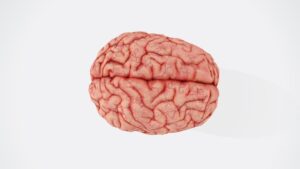
Hunger Regulation: Why Your Brain Controls Your Cravings
Introduction to Food-Intake Regulation and Homeostasis Food-intake regulation is a complex, highly sophisticated physiological and behavioral system designed to maintain energy homeostasis, ensuring that the organism acquires sufficient fuel for immediate needs while also managing long-term energy reserves. This regulatory ability involves the continuous adjustment of food consumption in response to myriad internal and external […]
POMC: The Biological Blueprint of Appetite and Mood
The role of the Proopiomelanocortin (POMC) system in the regulation of energy balance has been the subject of extensive research for several decades. POMC is a precursor peptide produced in the anterior pituitary gland that is cleaved into several peptides including β-endorphin, ACTH, and α-MSH. These peptides have well-documented roles in the regulation of food […]
Leptin: The Hidden Hormone Governing Your Hunger Signals
The Fundamental Nature and Physiological Significance of Leptin Leptin is a critical peptide hormone, primarily synthesized and secreted by adipocytes, or fat cells, which serves as a foundational element in the complex architecture of human physiology. Since its discovery, it has ascended to the status of one of the most rigorously investigated hormones within the […]
Satiation: Why We Stop Eating When We Are Full
Satiation: Definition and Distinction from Satiety Satiation represents a critical physiological and psychological process that dictates the termination of a meal. It is defined precisely as the sequence of events leading to the reduction in the desire to eat, culminating in the cessation of food intake during a single eating episode. This highly orchestrated process […]