Psychoanalysis: Decoding the Hidden Architecture of the Mind
Scientifically Reviewed · Dr. Marwa Abd-Alazim · September 15, 2026
Review Criteria & Clinical Standards
This content undergoes rigorous scientific peer-review and medical editorial standards at Arab Psychology Network to ensure clinical accuracy, validity, and compliance with evidence-based guidelines from leading psychological and healthcare authorities (APA / WHO).
FREUD, SIGMUND (1856-1939)
Sigmund Freud remains one of the most transformative and polarizing figures in the history of human thought, universally recognized as the Father of Psychoanalysis. Born in Freiberg, Moravia (now Příbor, Czech Republic) in 1856, Freud’s intellectual journey began far from the realm of psychological theory, rooted instead in rigorous medical training. He pursued his studies at the University of Vienna, where he initially specialized in neurology. This early commitment to biological and physiological processes profoundly influenced his subsequent attempts to map the human mind, leading him to seek systematic, almost anatomical, structures for understanding internal psychological conflict.
Freud’s early career saw him engaging in clinical practice, treating various neurotic disorders, particularly hysteria. Frustrated with the limitations of the traditional medical approaches of the time, he sought alternative methods for understanding symptoms that lacked clear organic origins. His collaboration with Dr. Josef Breuer, focusing on the treatment of “Anna O.” through cathartic methods—what she famously dubbed the “talking cure”—marked a critical turning point. This work laid the fundamental groundwork for psychoanalysis, positing that psychological distress often stems from repressed memories and emotional conflicts sequestered in the depths of the mind.
The true revolutionary shift occurred when Freud abandoned hypnosis, recognizing its inconsistent efficacy, and instead developed techniques designed to access these hidden mental processes directly. His resulting psychoanalytic theory did not just provide a new method of therapy; it offered a radical new cosmology of the mind, arguing that our motivations and behaviors are overwhelmingly driven by forces operating outside the realm of conscious awareness. This emphasis on the unconscious mind became the cornerstone of his entire theoretical edifice, forever changing how Western culture views mental life, human relationships, and civilization itself.
The Birth of Psychoanalysis and the Unconscious Mind
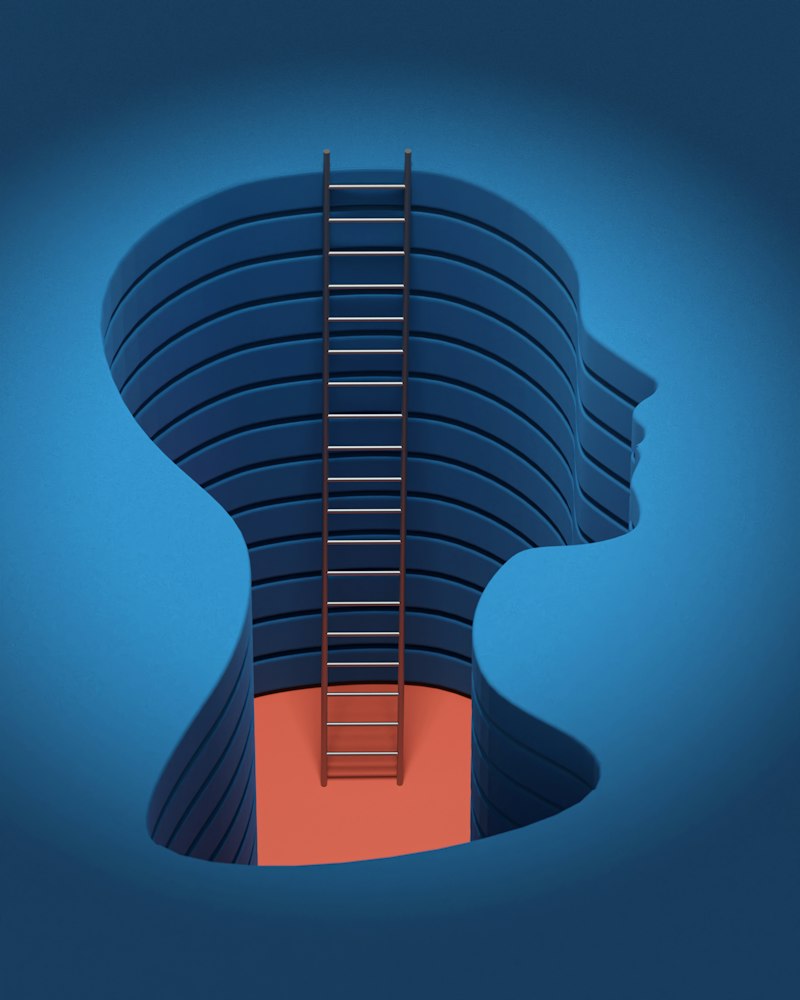
Freud’s most profound contribution was the development of the concept of the unconscious, a vast reservoir of thoughts, desires, impulses, and memories that are unavailable to conscious reflection but which nonetheless exert a powerful, directive influence on overt behavior and emotional life. He posited a topographical model of the mind, dividing it into three primary regions: the conscious, comprising the thoughts we are currently aware of; the preconscious, which includes memories and information that can be easily retrieved; and the vast, inaccessible unconscious.
The unconscious is not merely a storage container for forgotten information; according to Freud, it is the primary source of psychic energy and the breeding ground for psychological conflict. It is governed by the primary process thinking—illogical, timeless, and driven purely by the immediate satisfaction of instinctual needs (the pleasure principle). Neuroses, slips of the tongue (Freudian slips), and symptoms like anxiety or phobias were interpreted by Freud as symbolic manifestations or compromises between the repressed content seeking expression and the mind’s defenses attempting to keep it hidden.
The transition from Breuer’s cathartic method to the formal methodology of psychoanalysis hinged upon the recognition of resistance and transference. Resistance refers to the patient’s unconscious opposition to therapeutic progress, often manifesting as forgetting, arriving late, or changing the subject when discussing painful memories. Freud viewed resistance not as an obstruction but as a vital clue, indicating the proximity of repressed material. Furthermore, transference—the patient’s projection of feelings and attitudes derived from past significant relationships (often parental) onto the analyst—was deemed the central dynamic mechanism through which healing and insight could be achieved within the therapeutic setting.
The Structural Model: Id, Ego, and Superego
While the topographical model provided a geographical map of the mind (conscious, preconscious, unconscious), Freud later refined his theory into a structural model, which described the dynamic interplay of three interacting agencies: the Id, the Ego, and the Superego. This structural division provided a more sophisticated explanation for the constant internal conflicts that shape personality and behavior. The Id is the most primitive component, existing entirely in the unconscious. It is the repository of instinctual drives, including the life instincts (Eros, encompassing sexual and self-preservative drives) and the death instincts (Thanatos, encompassing aggressive and destructive impulses). The Id operates solely on the pleasure principle, demanding immediate gratification regardless of external reality or moral considerations.
The Ego develops out of the Id as the infant learns to navigate the external world. Operating largely in the conscious and preconscious realms, the Ego functions according to the reality principle. Its role is to mediate the unrealistic demands of the Id and the constraints of reality. The Ego is the executive branch of the personality, employing rational thought and problem-solving to find realistic, socially acceptable ways to satisfy the Id’s urges. A strong Ego is essential for psychological health, balancing internal desires with external demands; conversely, a weak Ego leads to symptoms of anxiety and neurosis due to the overwhelming pressure from the Id or the Superego.
The final structure to develop is the Superego, which represents the internalization of societal, parental, and cultural standards of morality and conscience. It is essentially the moral compass of the personality. The Superego incorporates two subsystems: the conscience, which punishes the Ego through feelings of guilt and shame for immoral actions, and the ego-ideal, which rewards the Ego with feelings of pride for moral or ideal behaviors. The Superego constantly strives for moral perfection, often conflicting sharply with the hedonistic demands of the Id. Psychological conflict, in this model, is viewed as the dynamic tension arising from the Ego’s attempt to serve three harsh masters simultaneously: the Id, the Superego, and external reality.
Psychosexual Stages of Development
One of Freud’s most controversial, yet foundational, theories was the concept of psychosexual development, which posited that personality is largely formed during the first five years of life through a fixed sequence of stages. Each stage is characterized by a specific erogenous zone—a part of the body that serves as the primary source of pleasure and tension reduction. Successful navigation of these stages requires the appropriate gratification and weaning from these zonal sources of pleasure. Failure to resolve the conflicts inherent in a stage, either through excessive gratification or excessive frustration, results in a fixation, leaving a permanent imprint on the adult personality.
The stages proceed sequentially:
- Oral Stage (Birth to 18 months): The focus of pleasure is the mouth (sucking, biting, feeding). Fixation can lead to oral-dependent traits (e.g., excessive eating, smoking, gullibility) or oral-aggressive traits (e.g., sarcasm, aggression).
- Anal Stage (18 months to 3 years): Pleasure is centered on the anus, relating to toilet training and the control of bodily functions. Conflict arises over parental demands for cleanliness and control. Fixation can result in an anal-retentive personality (obsessive neatness, rigidity, stinginess) or an anal-expulsive personality (messiness, disorganization).
- Phallic Stage (3 to 6 years): The focus shifts to the genitals, and the child becomes aware of sexual differences. This stage is dominated by the Oedipus complex (for boys) and the Electra complex (for girls), involving unconscious sexual desires toward the opposite-sex parent and rivalry with the same-sex parent. The resolution of this complex, through identification with the same-sex parent, leads to the formation of the Superego.
- Latency Stage (6 years to puberty): Sexual impulses are temporarily repressed or channeled into non-sexual activities, such as schoolwork, hobbies, and peer relationships. This is a period of relative psychological calm and intellectual development.
- Genital Stage (Puberty onward): If development has proceeded successfully, the individual reawakens sexual interests, now focused on mature, reciprocal, and heterosexual relationships. The primary goal is the establishment of love and work, moving beyond self-centered needs toward mature intimacy.
Freud argued that adult neuroses are often rooted in unresolved conflicts from the Phallic stage, particularly the failure to fully integrate the lessons of the Oedipus complex. The enduring power of these stages, according to psychoanalytic theory, is that they determine the fundamental structure and vulnerabilities of the adult character, manifesting in relationship patterns, emotional responses, and career choices.
Key Therapeutic Techniques: Free Association and Dream Analysis
Freud developed specific techniques designed to circumvent the Ego’s censorship and access the deeply hidden contents of the unconscious, thereby bringing repressed material into conscious awareness where it could be rationally examined and integrated. The most crucial technique is free association. In this method, the patient is encouraged to relax and verbalize every thought, feeling, memory, or image that comes to mind, regardless of how trivial, embarrassing, or seemingly irrelevant it may be. The underlying premise is that the chain of associations, when undirected by conscious logic or defense, will eventually lead back to the core repressed conflict.
Free association replaced the use of hypnosis, which Freud found unreliable. He recognized that the spontaneous flow of thought was constantly interrupted by resistance, and the analysis of these interruptions became as important as the content itself. The analyst’s role is not to offer immediate advice but to carefully observe patterns, inconsistencies, and points of resistance, gently guiding the patient toward awareness of their unconscious conflicts and the mechanisms they use to defend against them.
Equally central to classical psychoanalysis is dream analysis. Freud famously called dreams the “royal road to the unconscious,” asserting that during sleep, the Ego’s defenses are lowered, allowing repressed wishes and impulses to partially surface, though in disguised form. He distinguished between two components of the dream: the manifest content, which is the plot, images, and narrative the dreamer consciously remembers; and the latent content, which is the underlying, unconscious meaning, composed of forbidden wishes and psychological conflicts.
The process of interpreting a dream involves analyzing the “dream-work”—the mechanisms (such as condensation, displacement, and symbolism) used by the unconscious mind to transform the raw, disturbing latent content into the acceptable, though often bizarre, manifest content. By meticulously interpreting the symbolism and associations provided by the patient regarding their manifest dream, the analyst aims to reconstruct the latent wishes that fuel the neurosis.
The Concept of Defense Mechanisms
The Ego, functioning under the constant pressure from the Id, the Superego, and reality, employs various unconscious strategies known as defense mechanisms to manage anxiety and protect itself from psychic distress. Defense mechanisms operate automatically and unconsciously, distorting or denying reality in order to maintain a stable self-image and reduce internal conflict. While mild use of these mechanisms is normal and adaptive, their overuse can lead to maladaptive behavior and neurosis, as they prevent the individual from facing and resolving underlying issues.
Freud and his daughter, Anna Freud, formalized and elaborated upon these mechanisms. Key defenses include:
- Repression: The fundamental defense mechanism, involving the unconscious exclusion of distressing thoughts, memories, or impulses from conscious awareness. Repressed material remains active in the unconscious, influencing behavior indirectly.
- Denial: A simpler, often more immature defense, characterized by the refusal to acknowledge an external reality or painful fact. For example, a heavy smoker denying the medical evidence linking smoking to cancer.
- Projection: Attributing one’s own unacceptable impulses, feelings, or desires onto another person. For instance, a person who is insecure about their intelligence accusing others of being stupid.
- Displacement: Shifting emotional energy (especially aggression) from the original, threatening object to a safer, more acceptable substitute. An employee angry at their boss might go home and yell at their spouse or kick the dog.
- Sublimation: The most mature and constructive defense, involving channeling unacceptable instinctual drives (e.g., sexual or aggressive energy) into socially acceptable and highly productive activities, such as art, athletic competition, or intellectual pursuits.
Understanding the patient’s habitual defense mechanisms is crucial in psychoanalytic therapy, as it reveals how the Ego maintains its equilibrium. Therapy often involves gradually dismantling these defenses, allowing the patient to confront the previously hidden anxiety-provoking material, thereby freeing up psychic energy that was previously bound up in defensive operations.
Enduring Influence on Clinical Practice
While classical psychoanalysis as practiced by Freud is demanding and lengthy, requiring frequent sessions over many years, its core principles have profoundly shaped all subsequent forms of psychotherapy. Modern psychodynamic therapy, psychodynamic brief therapy, and interpersonal therapy all draw directly from Freud’s insights regarding the importance of early childhood experiences, unconscious motivations, and the therapeutic relationship itself. The concept of transference remains a universal phenomenon studied and utilized across diverse therapeutic modalities, recognized as a powerful tool for understanding interpersonal patterns.
Furthermore, Freud’s work led directly to the development of several major post-Freudian schools of thought, including Ego Psychology, Object Relations Theory (pioneered by Melanie Klein and Donald Winnicott), and Self Psychology (developed by Heinz Kohut). These schools retained the foundational analytic framework—especially the focus on the unconscious, defense mechanisms, and internal representations—while shifting emphasis. Object Relations theorists, for example, focused less on instinctual drives and more on the formation of internalized relationships with significant others (objects) during infancy, profoundly influencing how clinicians treat personality disorders and attachment issues today.
The lexicon of mental health treatment is saturated with Freudian terminology, even among practitioners who do not identify as psychoanalysts. Concepts like the therapeutic alliance, resistance, and the necessity of processing deeply rooted emotional material are now standard components of clinical training. Freud established the importance of verbalizing emotional experience, viewing the therapeutic encounter as a laboratory for understanding the patient’s inner world, a model that continues to dominate psychological practice.
Cultural and Academic Legacy
Sigmund Freud’s impact extends far beyond the clinical consulting room, fundamentally altering the landscape of 20th-century culture, philosophy, and the humanities. His theories provided a powerful new interpretive lens through which to examine human creativity and social structures. Fields such as literature, art, and film adopted psychoanalytic concepts to explore symbolic meaning, character motivation, and underlying psychological themes. Artists and writers used his ideas about dreams, symbolism, and the Oedipus complex to create works that delved into the hidden, often darker, aspects of the human psyche, influencing modernism and surrealism significantly.
Academically, psychoanalysis challenged prevailing rationalist views of human nature, introducing the unsettling notion that humans are not masters of their own minds but are instead driven by hidden, irrational forces. While the empirical verification of many of Freud’s specific theories (like the psychosexual stages) remains highly debated and often criticized within experimental psychology, his influence is undeniable in areas like developmental psychology, where researchers continue to study attachment, early trauma, and the mechanisms of personality formation.
In conclusion, Sigmund Freud’s legacy is complex and enduring. He established the first comprehensive theory of personality and psychotherapy, giving the world a vocabulary to discuss internal conflict, motivation, and neurosis. Despite the valid critiques and revisions his work has undergone—particularly regarding its lack of scientific falsifiability and its perceived biases regarding gender—his insistence that we must look beneath the surface of conscious experience to understand behavior remains his most significant contribution. His theories continue to spark intellectual debate and serve as a necessary historical touchstone in our ongoing efforts to understand the complexity of the human mind and behavior.